Improving reading skills Normal Alphabet Worksheets for Ages 3-9
3 filtered results
-
From - To
Welcome to our "Improving Reading Skills: Normal Alphabet Worksheets" designed for children ages 3-9. These engaging worksheets are tailored to help young learners enhance their reading abilities through fun and interactive activities. Featuring colorful illustrations and simple exercises, children will practice letter recognition, phonetic sounds, and basic vocabulary. Our resources foster a love for reading while supporting developmental milestones in early education. Perfect for home or classroom use, these worksheets encourage independent learning and boost confidence in young readers. Download your set today to embark on an exciting reading journey that ignites curiosity and creativity in every child!
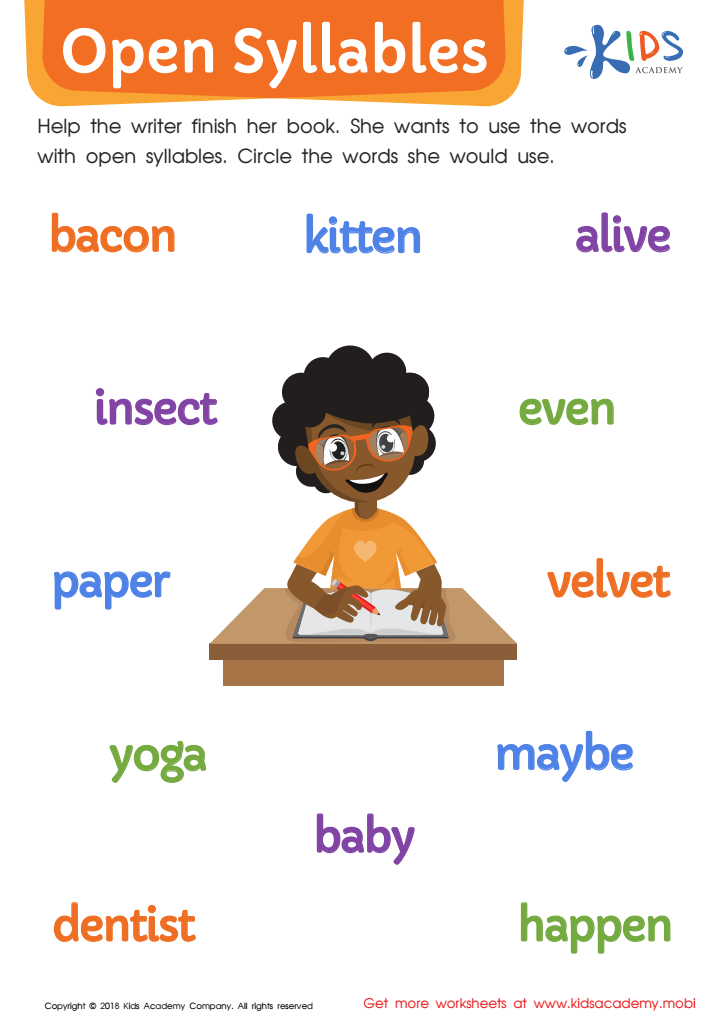
Open Syllables Worksheet
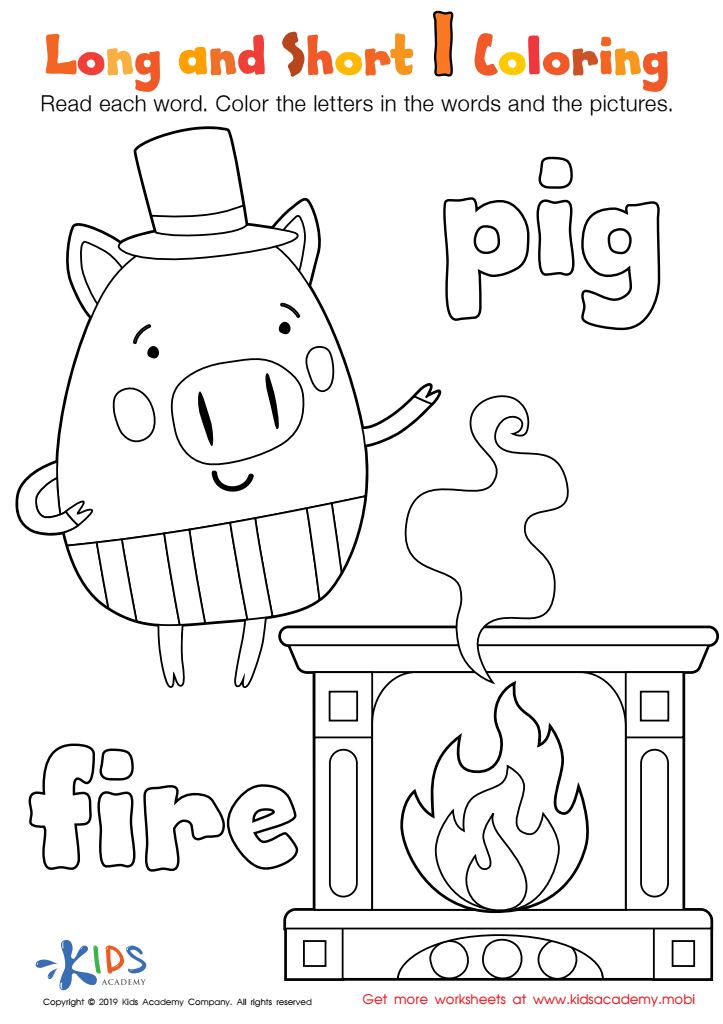
Long and Short I Worksheet
 Assign to My Students
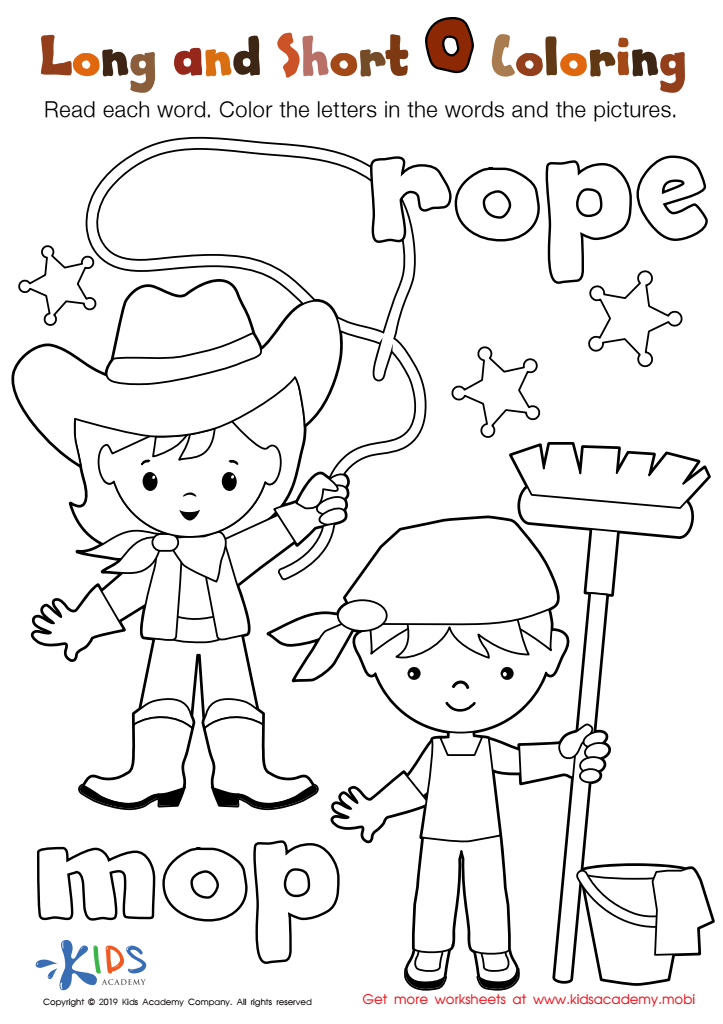
Long and Short O Worksheet
Assign to My Students








Improving reading skills in children aged 3 to 9 is crucial for their overall development and future academic success. Early literacy lays the foundation for effective communication, critical thinking, and problem-solving skills. When parents and teachers prioritize reading, children develop a love for books and learning that lasts a lifetime.
Strong reading abilities enhance comprehension, vocabulary, and language skills, which are essential for effective participation in classroom activities and everyday interactions. Children who read well are more likely to excel in school, as reading proficiency is linked to performance across various subjects. Building these skills in early childhood helps bridge the achievement gap, ensuring that all children have a fair chance at success.
Moreover, engaging with children through reading fosters emotional and social growth. It creates opportunities for bonding as parents and teachers share stories, promote discussions, and encourage imagination. These interactions are vital in developing children's confidence and self-esteem.
In summary, investing time and resources in improving reading skills for young children nurtures their curiosity, academic readiness, and love for learning, setting them up for a prosperous future. For parents and teachers alike, prioritizing young readers will have lasting positive effects on individuals and society as a whole.







