Phonics improvement Normal Alphabet Worksheets for Ages 3-9
3 filtered results
-
From - To
Unlock your child's reading potential with our Phonics Improvement Normal Alphabet Worksheets, designed for ages 3-9. These engaging and educational printables focus on enhancing phonics skills, paving the way for successful reading and writing journeys. Perfectly tailored to various learning stages, our worksheets cover all essential sounds and letters through fun activities and exercises. Consistent practice aids in improving letter recognition, sound matching, and pronunciation. Suitable for home or classroom use, these resources make phonics learning enjoyable and effective. Boost your child's literacy foundations today with our expertly crafted phonics worksheets! Visit us to explore more.
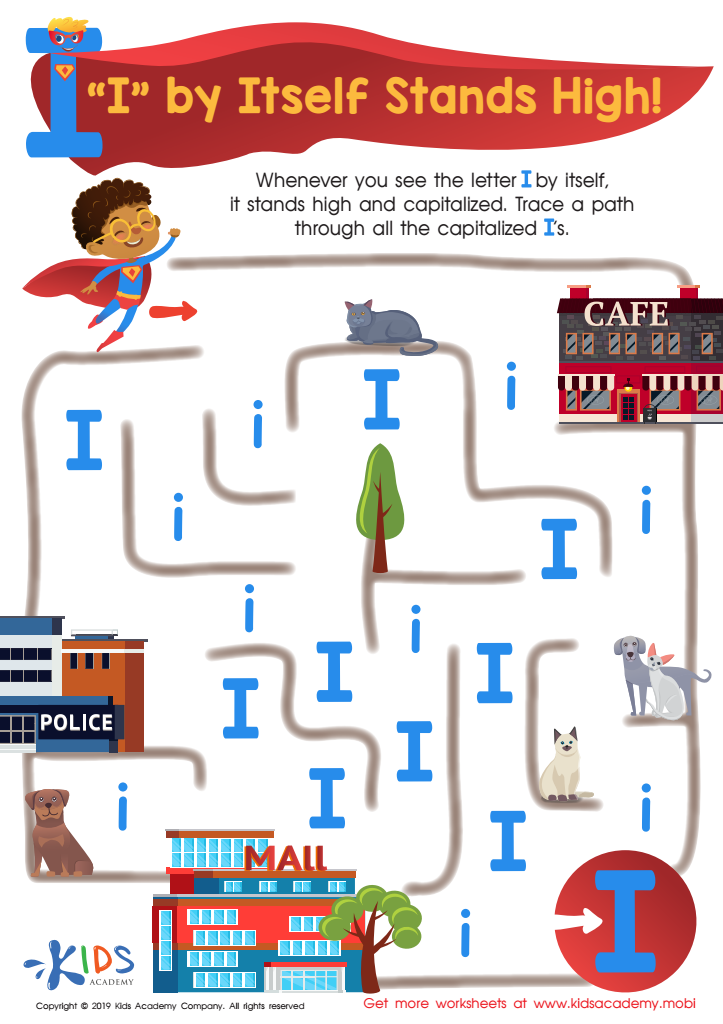
I Stands High Worksheet
 Assign to My Students
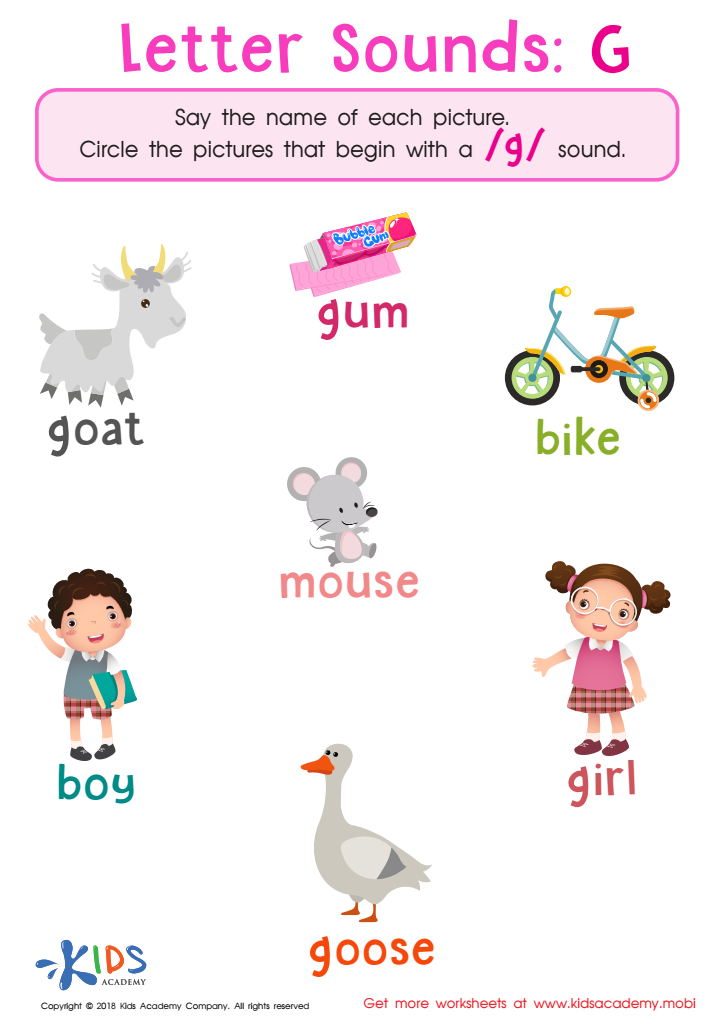
Letter G Sounds Worksheet







Phonics improvement is crucial for children aged 3-9 as it lays the foundation for literacy and effective communication. At this formative age, young minds are most receptive to learning sound-letter relationships, which is essential for reading proficiency. Phonics instruction helps children decode words by recognizing the predictable relationship between sounds (phonemes) and letters (graphemes). This ability boosts their capacity to read new words, enhances their vocabulary, and fosters comprehension skills.
When parents and teachers invest time in phonics, they are essentially empowering children with a toolkit for lifelong learning. Early exposure to phonics can mitigate reading difficulties, ensuring that children don’t fall behind in their academic journey. Engaging in phonics activities also supports fine motor skills through writing practice and promotes auditory discrimination and processing.
Moreover, phonics fosters confidence in young readers. With reinforced phonics skills, children become more willing to explore texts independently, driving their curiosity and love for reading. Teachers can tailor their instruction based on each child’s progress, while parents can reinforce learning at home through interactive games and reading sessions.
By prioritizing phonics improvement, we equip children with the essential skills necessary for academic success, cognitive development, and effective communication, setting a strong foundation for their future learning endeavors.







