
Letter Tracing Normal Letter Recognition Worksheets for Ages 3-9
4 filtered results
Difficulty Level
Grade
Age
-
From - To
Subject
Activity
Standards
Boost your child's literacy skills with our "Letter Tracing Normal Letter Recognition Worksheets" designed for ages 3-9! These engaging and educational worksheets make learning the alphabet fun while enhancing fine motor skills and letter recognition. Perfect for both home and classroom use, our activities promote hands-on learning through tracing exercises. Each worksheet features clear, easy-to-follow guides that assist children in mastering letter shapes and improving handwriting proficiency. Providing a solid foundation for early reading and writing success, our worksheets are an essential resource for young learners. Join parents and educators in fostering a love for learning with our expertly-crafted materials!
Favorites
With answer key
Interactive
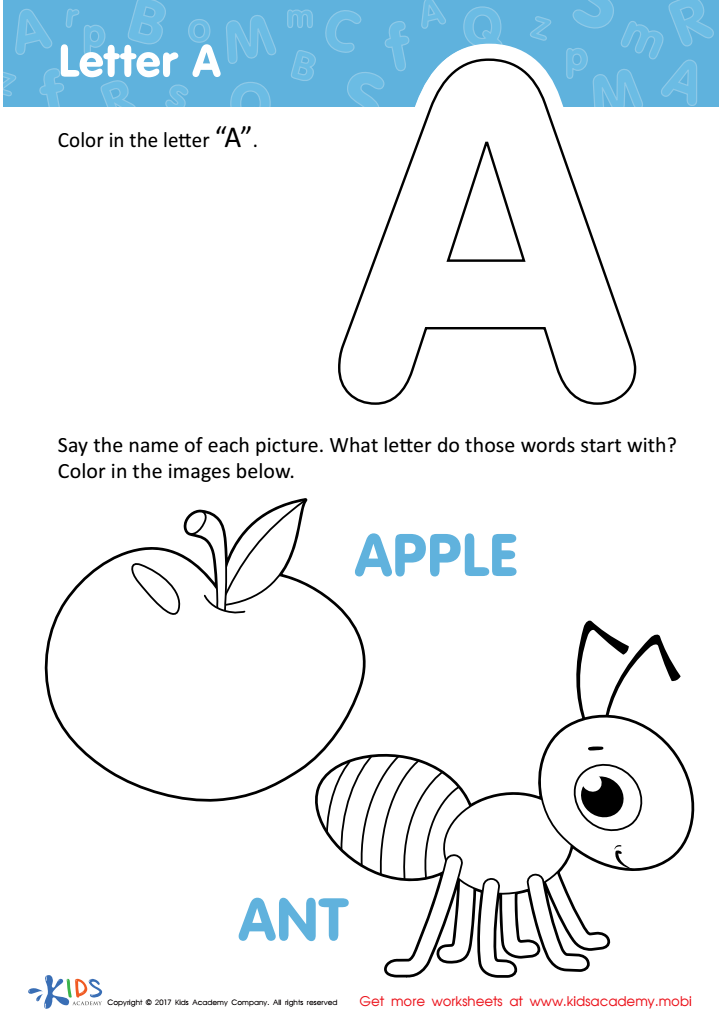
Letter A Coloring Sheet
This letter "A" coloring page is great for introducing kids to the alphabet! Let them exercise their creativity while they learn to recognize letters and sounds - it's a fun and easy way to help them get started.
Download (PDF)
 Assign to My Students
Assign to My Students
Letter A Coloring Sheet
Worksheet
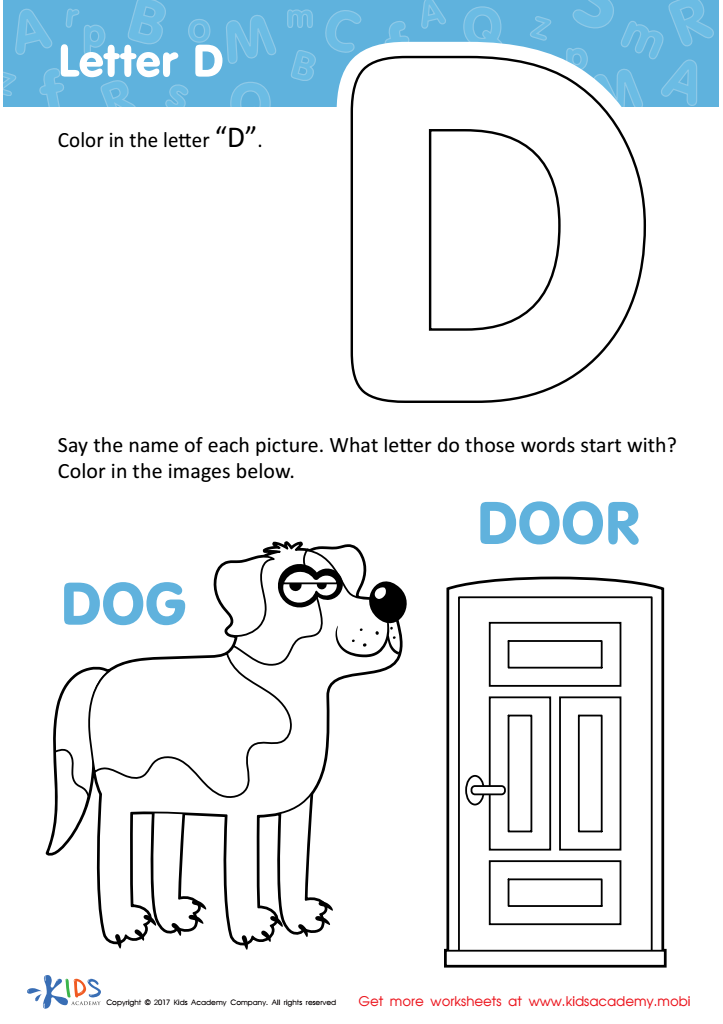
Letter D Coloring Sheet
Coloring with this letter "D" page is a great way to encourage your child's creativity while they learn the letter "D" and its sound. It's a fun activity to stimulate their imagination!
Download (PDF)
Assign to My Students
Assign to My Students
Letter D Coloring Sheet
Worksheet
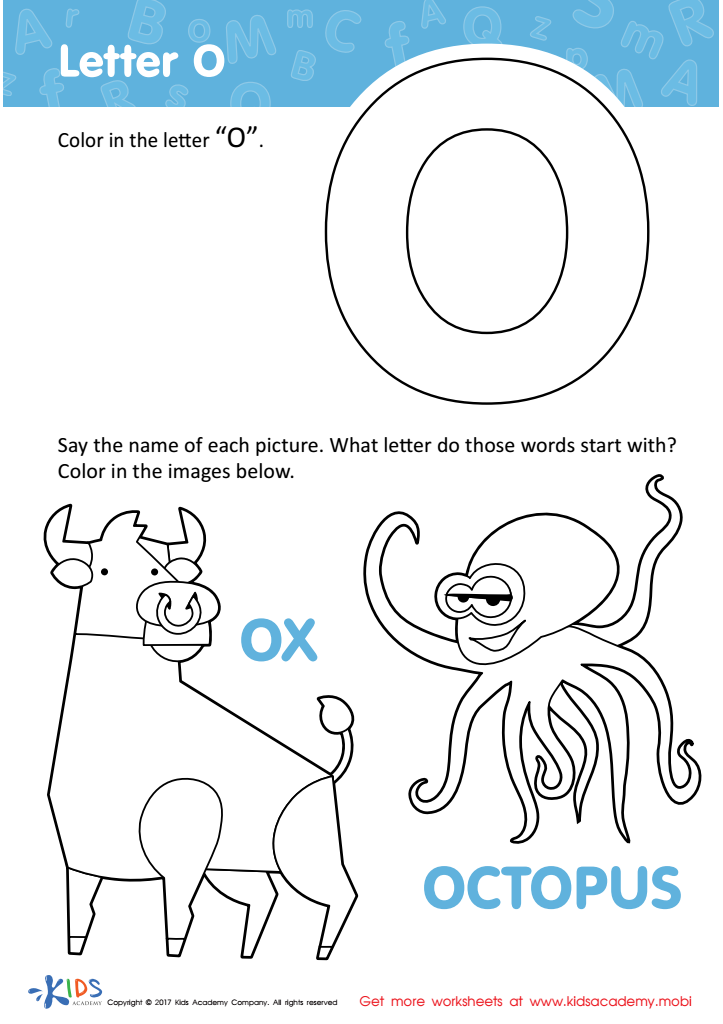
Letter O Coloring Sheet
Oh my! The letter "O" is so much fun. Coloring in the octopus and ox on this delightful letter "O" coloring page can help your child have fun while strengthening their recognition of the letter and sound.
Download (PDF)
Assign to My Students
Assign to My Students
Letter O Coloring Sheet
Worksheet
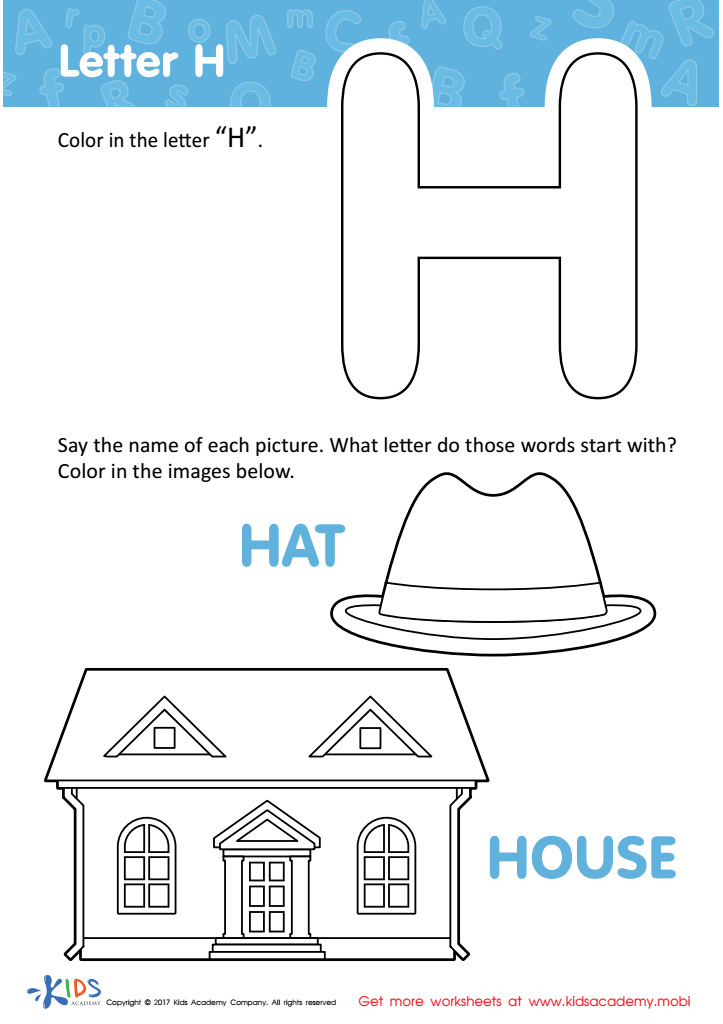
Letter H Coloring Sheet
This fun "H" coloring page will help your child recognize the letter and sound of "H"! With a hat and house to color, your little learner will have a blast picking colors and creating designs, all while learning about the letter "H"!
Download (PDF)
Assign to My Students
Assign to My Students
Letter H Coloring Sheet
Worksheet
Join Kids Academy for Free
Who is primarily going to use this learning content?








Engaging children in letter tracing and normal letter recognition activities between the ages of 3-9 lays a strong foundation for their literacy skills. This developmental stage is critical as young minds are exceptionally receptive to learning and establishing neural pathways that will support reading and writing abilities.
Letter tracing helps improve fine motor skills and hand-eye coordination. As children trace letters, they are practicing the movement patterns needed for writing, which enhances muscle memory and builds manual dexterity. Additionally, consistent tracing and recognition exercises strengthen their ability to identify and differentiate between various letters, which is crucial for beginning to read and spell words.
Early familiarity with alphabetic symbols helps children understand the basic building blocks of language, fostering early sight word recognition. By mastering these skills early, children gain confidence and find pleasure in their growing linguistic capabilities, setting the stage for academic success. Cultivating letter recognition also aids in overall cognitive development by encouraging pattern recognition and enhancing memory recall abilities.
Parents and teachers should invest time and effort in these activities to ensure children embrace learning with enthusiasm. By providing tools, resources, and encouragement, they cultivate lifelong learning habits, motivate early literacy, and support a child’s academic trajectory towards reading proficiency and beyond.








