Writing practice Normal Letter Recognition Worksheets for Ages 3-9
6 filtered results
-
From - To
Discover our engaging Writing Practice Normal Letter Recognition Worksheets designed for children ages 3-9. These meticulously crafted worksheets help young learners develop essential letter recognition skills while enhancing their writing abilities. Each worksheet features vibrant illustrations and interactive activities that captivate children's attention and foster a love for learning. As kids practice tracing and identifying letters, they gain confidence in their handwriting and improve their comprehension of the alphabet. Whether at home or in the classroom, our resources offer a fun and effective way to support early literacy development. Start your child’s journey to writing success with our tailored worksheets today!
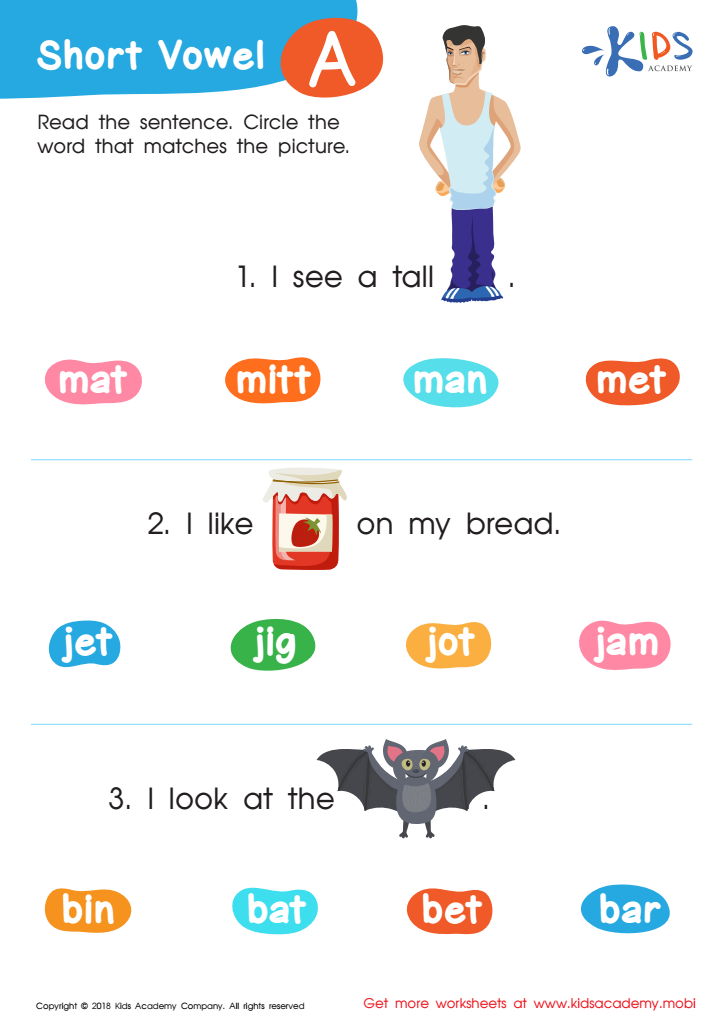
Short Vowel /a/ Worksheet
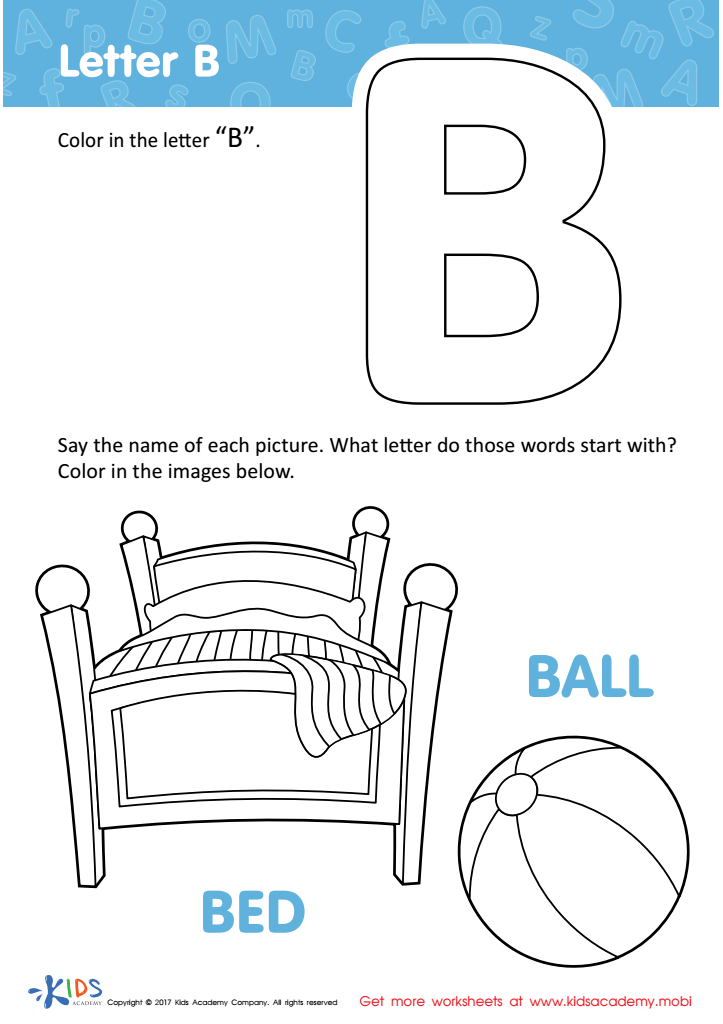
Letter B Coloring Sheet
 Assign to My Students
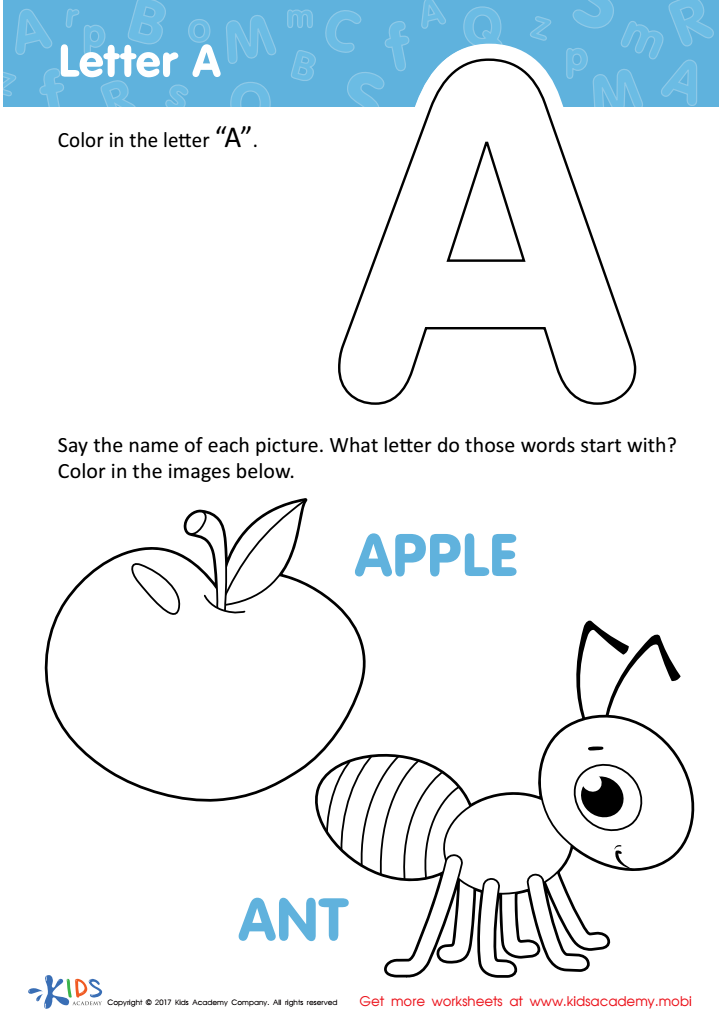
Letter A Coloring Sheet
Assign to My Students
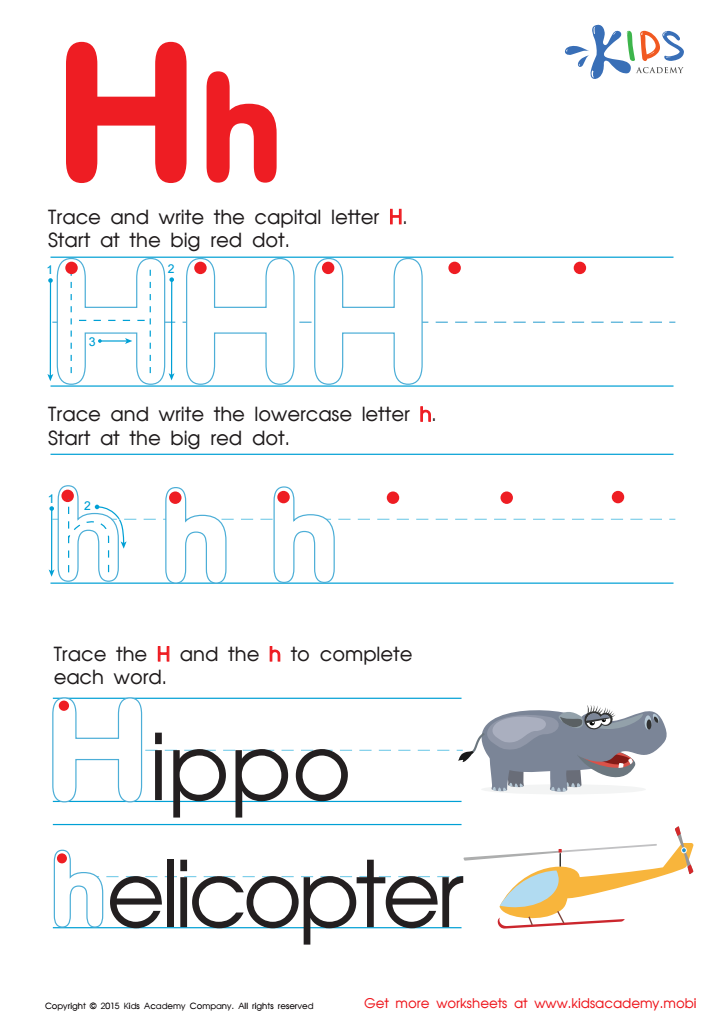
Letter H Tracing Page
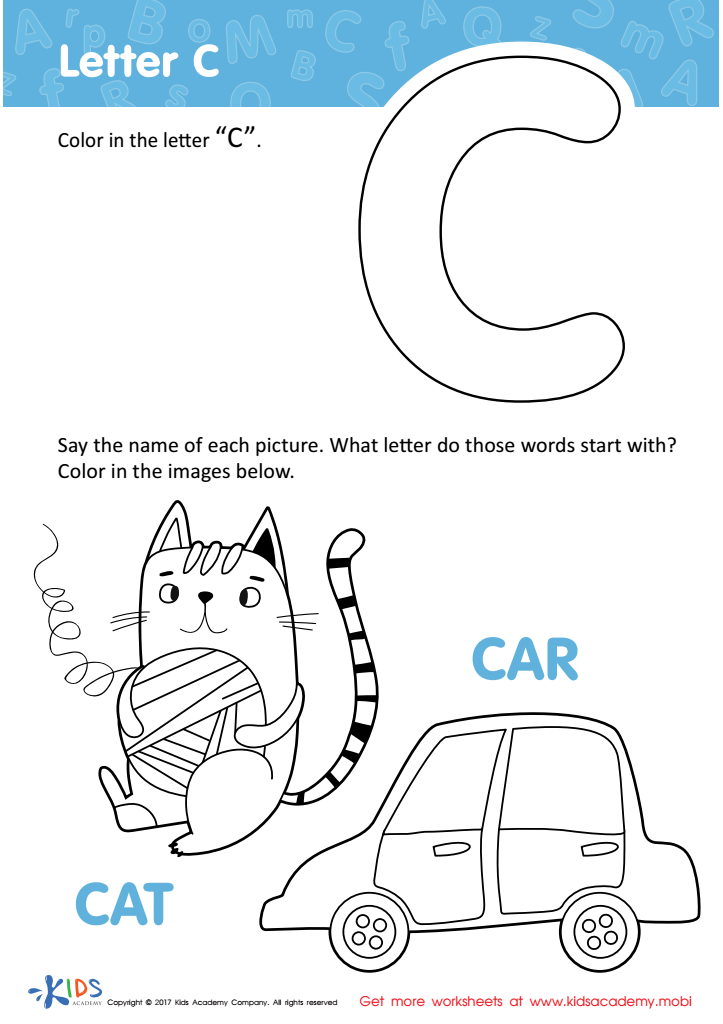
Letter C Coloring Sheet
Assign to My Students
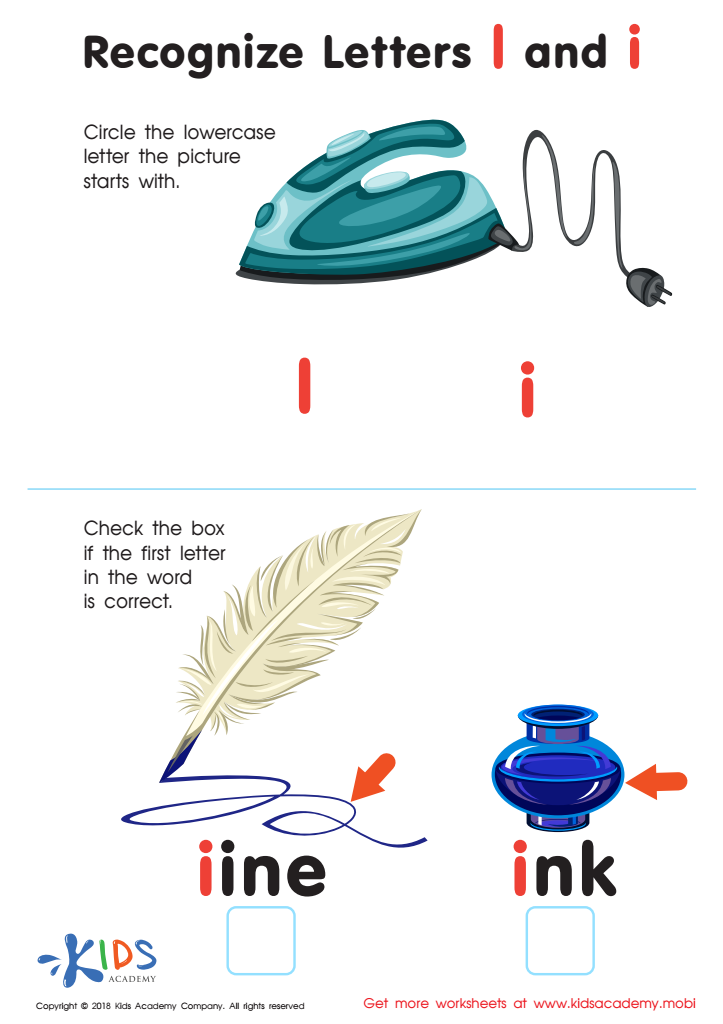
Recognize Letters l and i Worksheet








Writing practice and normal letter recognition are crucial for children aged 3-9 as these skills lay the foundation for their literacy development. Early exposure to writing helps children understand the connection between sounds and symbols, fostering phonemic awareness. This is vital because proficient reading and writing skills are not only essential for academic success but also for effective communication in everyday life.
Parents and teachers play a pivotal role in nurturing letter recognition through engaging activities such as tracing letters, sand writing, and using manipulatives. These practices make learning enjoyable and encourage children to express themselves creatively. Moreover, recognizing letters enables children to advance from recognizing letters to forming words, which subsequently enhances their reading comprehension and writing skills.
Additionally, writing tasks develop fine motor skills, which are essential for tasks beyond academics, such as typing or grasping objects. By emphasizing these skills early on, educators and parents can instill confidence in children as they develop essential literacy skills that are critical in today's text-driven world. Engaging children in writing and letter recognition fosters a love for learning, setting them on a positive path as they grow into capable readers and writers.








