Phonics recognition Normal Letter Sounds Worksheets for Ages 3-9
5 filtered results
-
From - To
Discover our engaging Phonics Recognition Normal Letter Sounds Worksheets designed specifically for children aged 3-9. These worksheets provide a fun and effective way to help young learners master the essential building blocks of reading and writing. Each worksheet focuses on the sounds associated with each letter of the alphabet, fostering phonemic awareness and promoting language development. With colorful illustrations and interactive activities, kids will stay motivated while improving their phonics skills. Ideal for home or classroom use, our resources enable parents and teachers to support literacy in an enjoyable manner. Start your child's journey to reading success today!
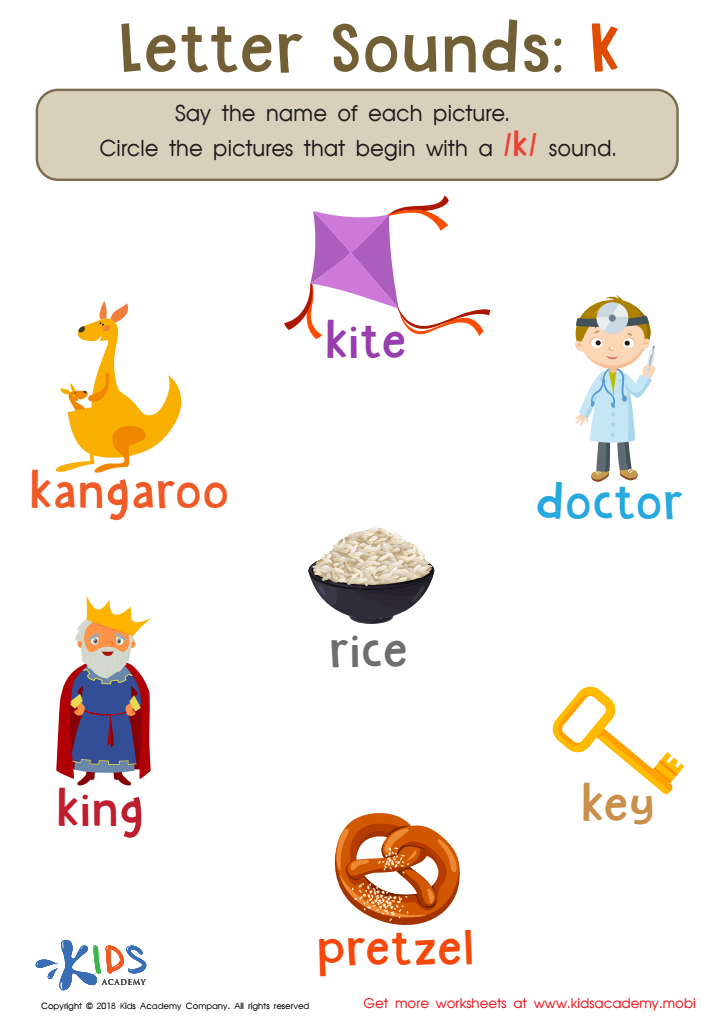
Letter K Sounds Worksheet
 Assign to My Students
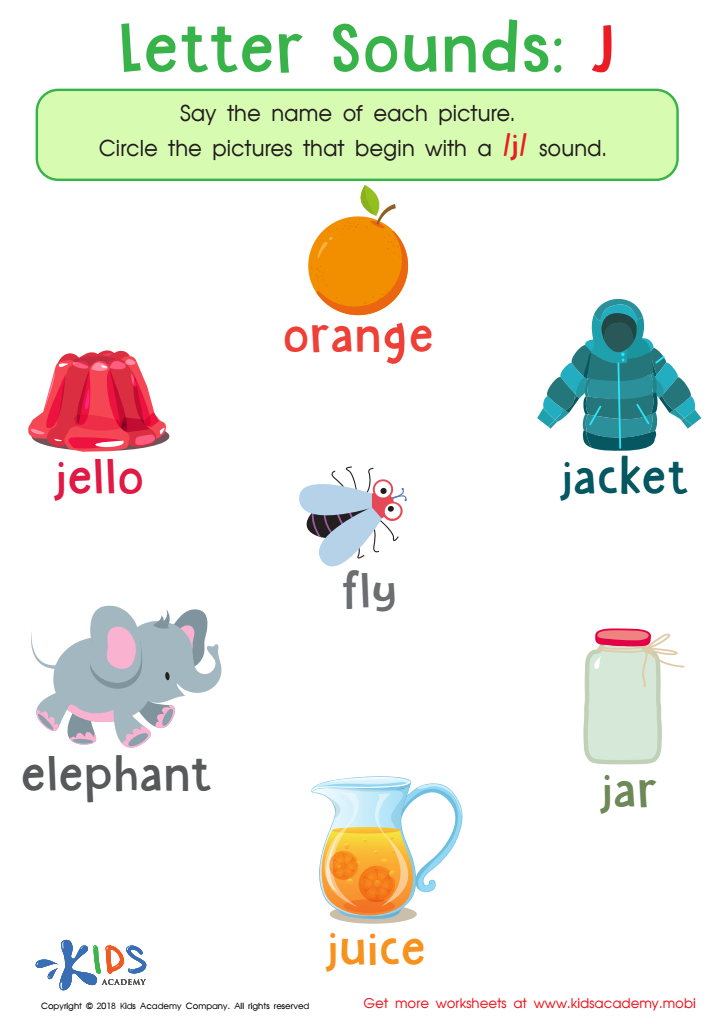
Letter Sounds: J Printable Worksheet
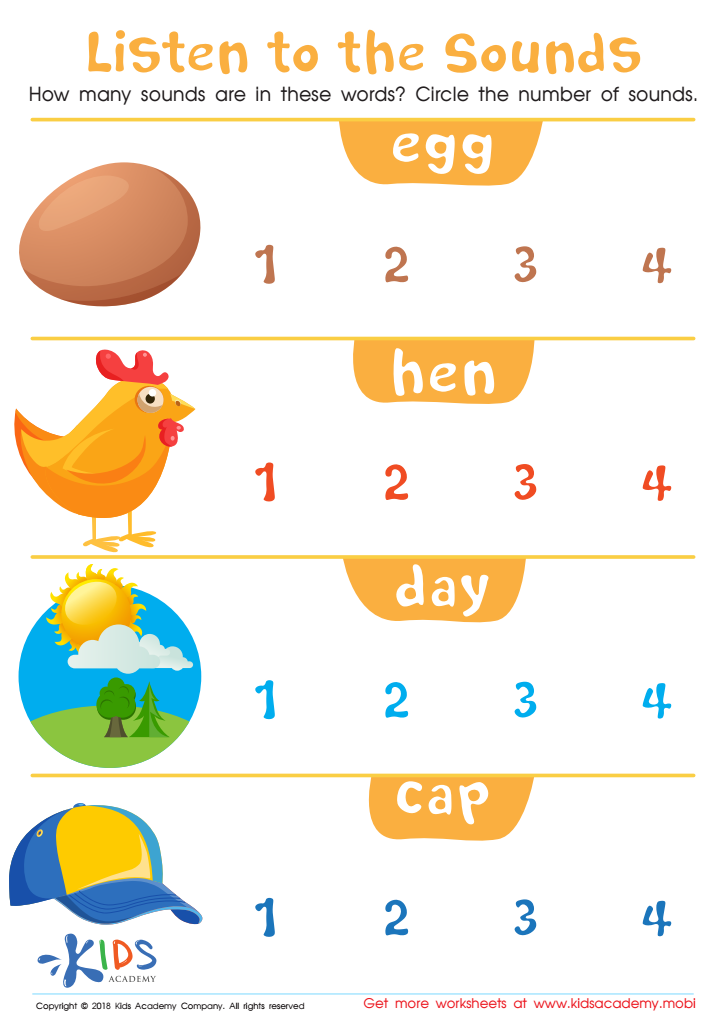
Listen to the Sounds Worksheet
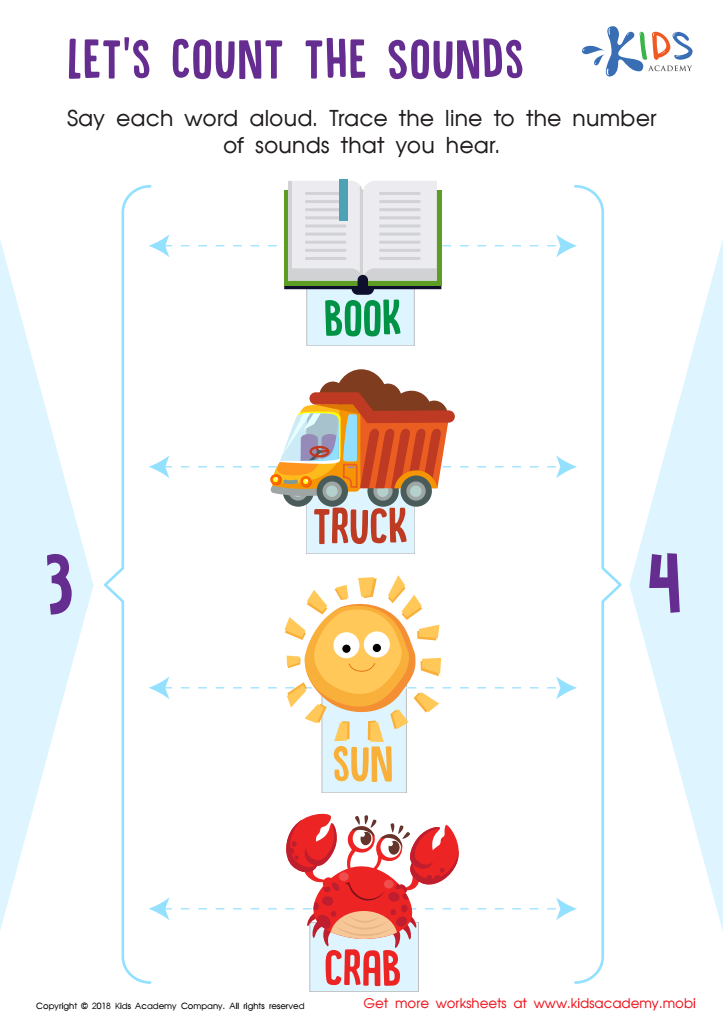
Let's Count the Sounds Worksheet
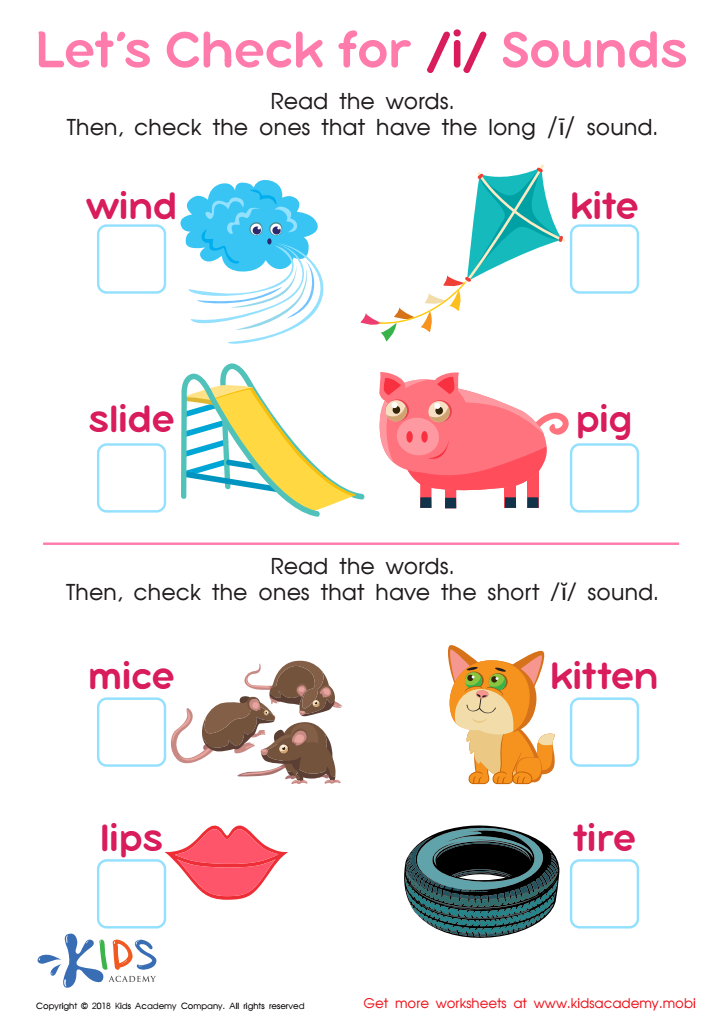
Let's Check for «i» Sounds Worksheet








Phonics recognition and understanding normal letter sounds are crucial for children aged 3-9, forming the foundation of literacy development. At this age, children are primed to learn how letters correspond to sounds, facilitating their ability to decode written language. For parents and teachers, emphasizing phonics aids in developing essential reading and writing skills that are necessary for academic success.
Early mastery of letter sounds equips children with the tools to break down unfamiliar words, promote self-confidence in their reading abilities, and enhances comprehension. Knowledge of phonics also contributes to improved vocabulary acquisition, as children learn to recognize patterns and make connections between sounds and meanings.
Moreover, phonics recognition fosters cognitive development and critical thinking, as children analyze language structures and functions. Parents and teachers play a vital role by creating an enriching environment that supports phonics learning through engaging activities, songs, and games.
Investing in phonics education not only nurtures early literacy but also lays the groundwork for lifelong learning. It equips children with the skills necessary to succeed in school and beyond, making it an essential focus for both parents and educators during these formative years.






