Hand-eye Coordination Normal Tracing Letters Worksheets for Ages 3-9
4 filtered results
-
From - To
Discover our "Hand-eye Coordination Normal Tracing Letters Worksheets" designed for children ages 3-9! These engaging worksheets help young learners enhance their hand-eye coordination while mastering letter formation. With a variety of fun tracing activities, children will practice both uppercase and lowercase letters, ensuring they develop essential writing skills. Perfect for home or classroom use, these worksheets promote fine motor skills, concentration, and letter recognition in an enjoyable way. Encourage your little ones to explore the alphabet with our interactive resources, fostering a love for learning and readiness for future academic success. Start tracing today for a brighter writing future!
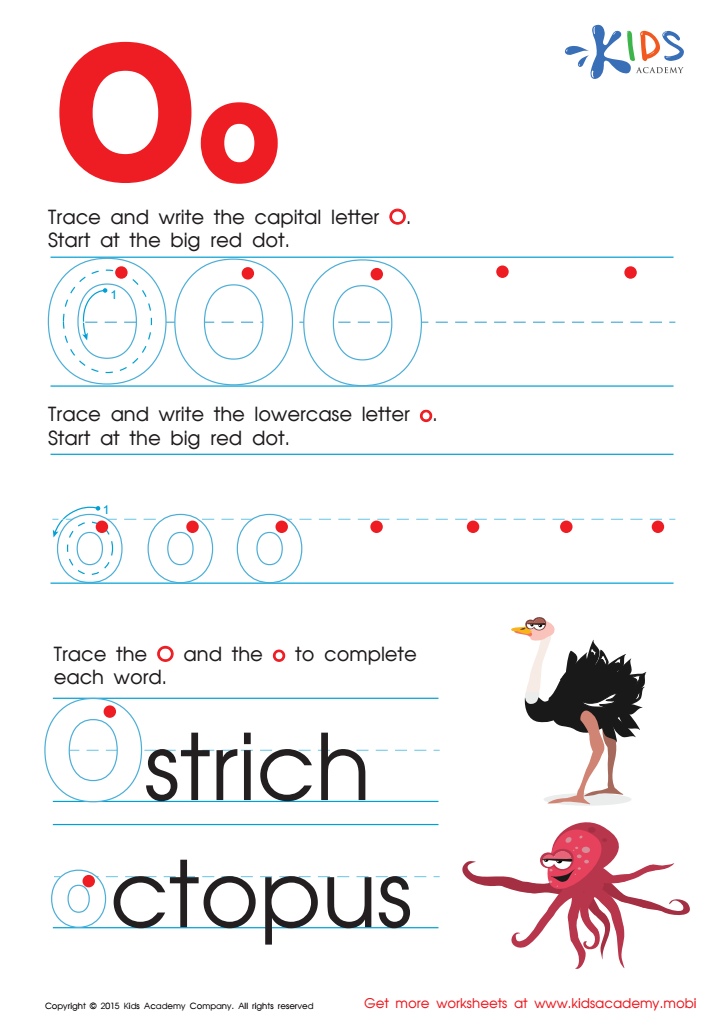
Letter O Tracing Page
 Assign to My Students
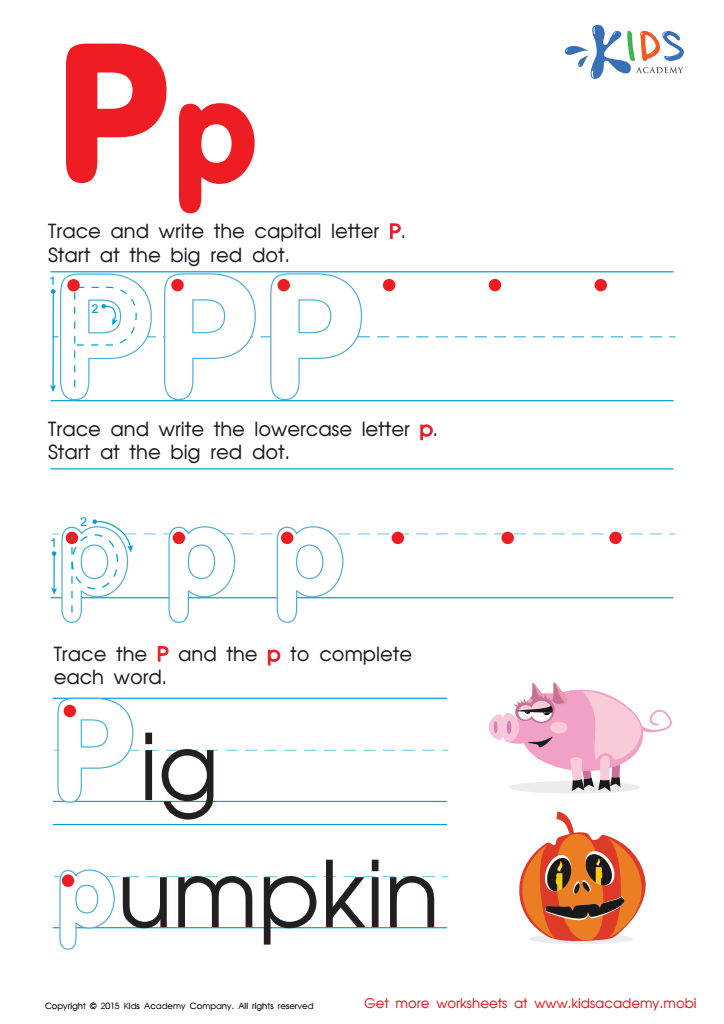
Letter P Tracing Page

Letter H Tracing Page

Letter D Tracing Page








Hand-eye coordination is a crucial skill for children aged 3-9, and practicing normal tracing of letters significantly enhances this ability. Parents and teachers should prioritize this developmental milestone as it plays a foundational role in literacy, writing, and fine motor skills. Through tracing letters, children engage in tasks that improve their ability to synchronize their hand movements with their visual perception. This skill is vital not only for writing but also for everyday activities like buttoning shirts, using utensils, and participating in sports.
Moreover, tracing letters lays the groundwork for learning to write independently, creating positive attitudes toward learning, and promoting confidence as they develop their writing abilities. It helps in reinforcing letter recognition and phonetic awareness, which are essential for reading readiness.
Additionally, activities that support hand-eye coordination foster brain development and cognitive skills, encouraging focus, patience, and the ability to follow instructions. In a world increasingly reliant on technology, nurturing these skills at an early age provides a competitive advantage in problem-solving and adaptability. For educators and parents, understanding the importance of normal tracing exercises can aid in crafting effective learning experiences that holistically support a child’s growth and readiness for future academic challenges.








