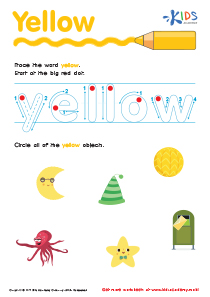
Motor skills development Normal English for Beginners Worksheets for Ages 3-9
3 filtered results
-
From - To
Discover a fantastic collection of "Motor Skills Development Normal English for Beginners Worksheets" designed specifically for children ages 3-9. These engaging worksheets aim to enhance fine and gross motor skills while simultaneously introducing basic English concepts. Each activity is crafted to promote hand-eye coordination, spatial awareness, and dexterity through fun and interactive exercises. Perfect for homes and classrooms alike, these worksheets support young learners in developing vital motor skills essential for their overall growth and development. Explore our resources to help your child grasp the fundamentals of English while boosting their physical development in an enjoyable way!

Letter H Tracing Page
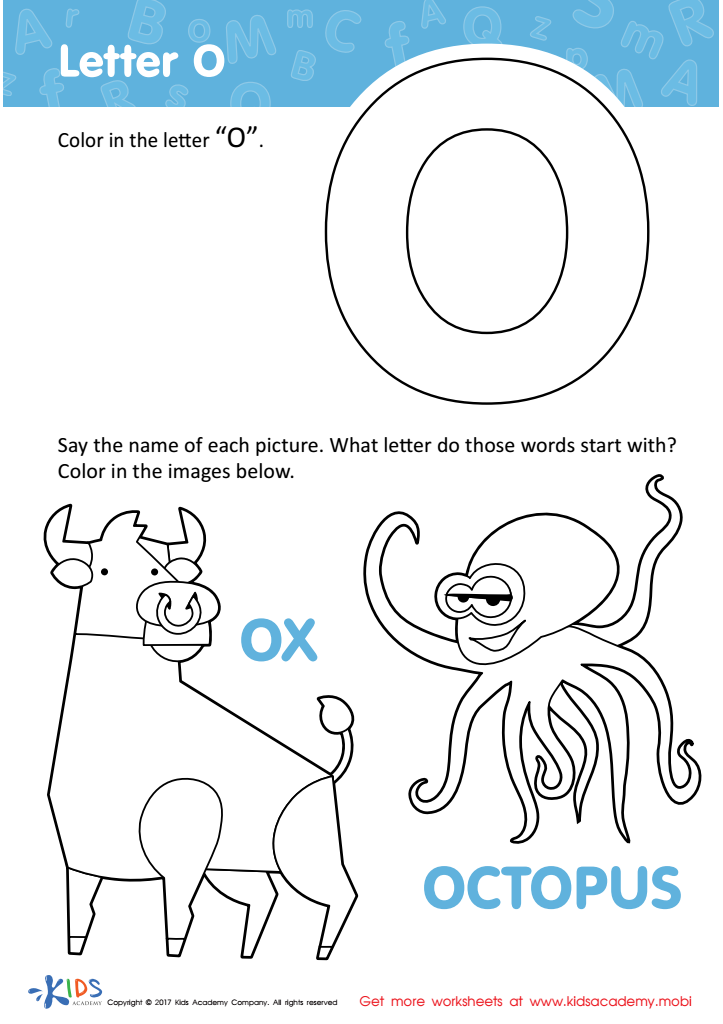
Letter O Coloring Sheet
 Assign to My Students
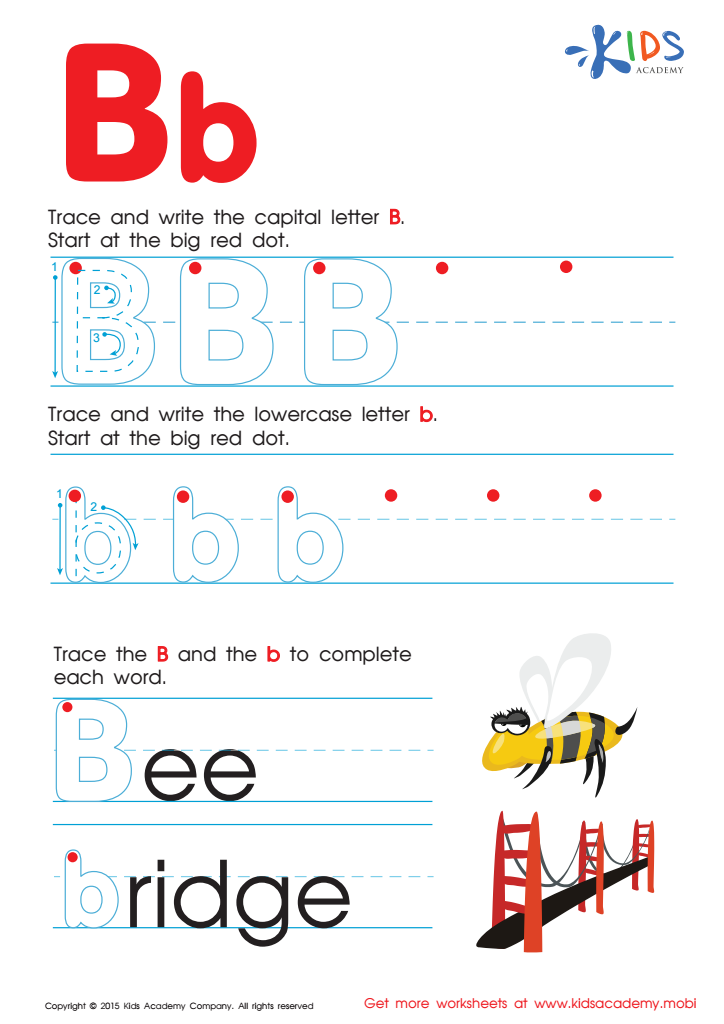
Letter B Tracing Page




Parents and teachers should care about motor skills development because it plays a vital role in children's overall growth. Motor skills are the abilities that help kids move their bodies. There are two types: fine motor skills, which involve small movements like holding a pencil or buttoning a shirt, and gross motor skills, which involve larger movements like running or jumping.
Good motor skills help children do everyday tasks better and boost their confidence. Kids with strong motor skills can play sports, write, and even use tools more easily. This can make learning more fun and engaging! Additionally, motor skills are connected to brain development. Activities that involve movement can enhance thinking and problem-solving abilities.
Moreover, as children play and develop their motor skills, they learn to socialize and work with others. This helps them build friendships and understand teamwork.
For parents and teachers, supporting motor skills development means providing opportunities for children to practice these skills through play and activities. Simple things like painting, playing ball games, or dancing can help. By encouraging motor skills, adults can help kids become more independent and ready for school and life challenges.