Number Recognition Normal Building Vocabulary Worksheets for Ages 3-9
4 filtered results
-
From - To
Discover our engaging Number Recognition Worksheets designed specifically for children ages 3-9! These interactive resources help young learners develop essential number recognition skills while also building their vocabulary. Each worksheet features colorful illustrations and fun activities that make learning enjoyable, encouraging children to recognize and write numbers confidently. Perfect for classroom use or home learning, our sheets are tailored to cater to various learning styles. Watch your child thrive as they enhance their mathematical comprehension and expand their language skills simultaneously. Download these worksheets today and embark on a fun learning journey that reinforces number recognition and vocabulary development!
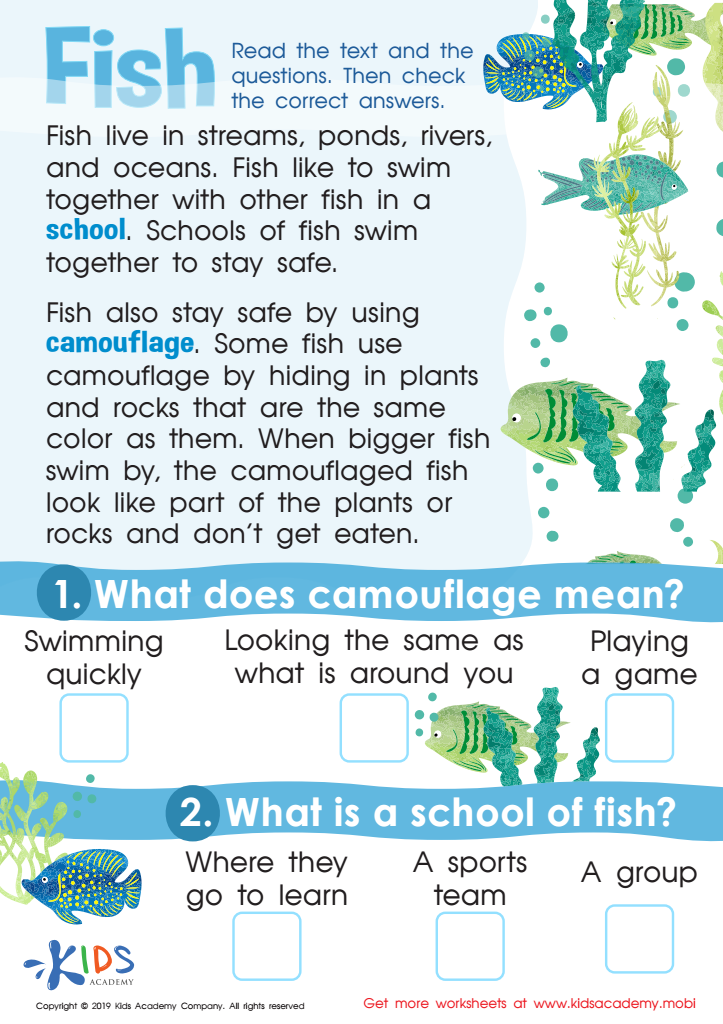
Fish Worksheet
 Assign to My Students











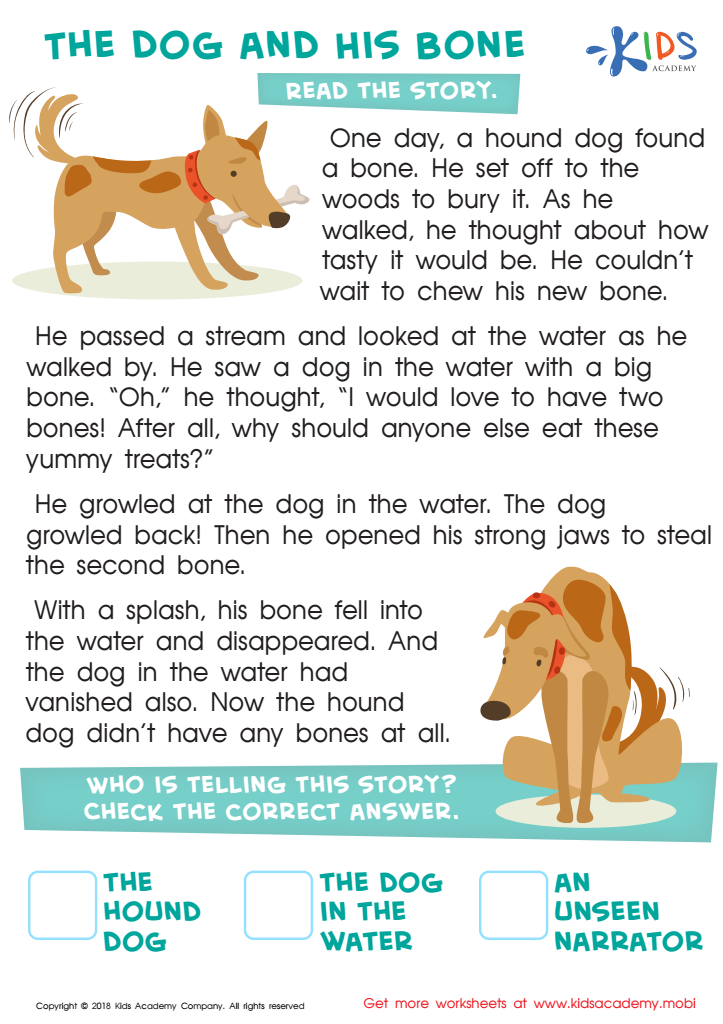
The Dog and His Bone Worksheet
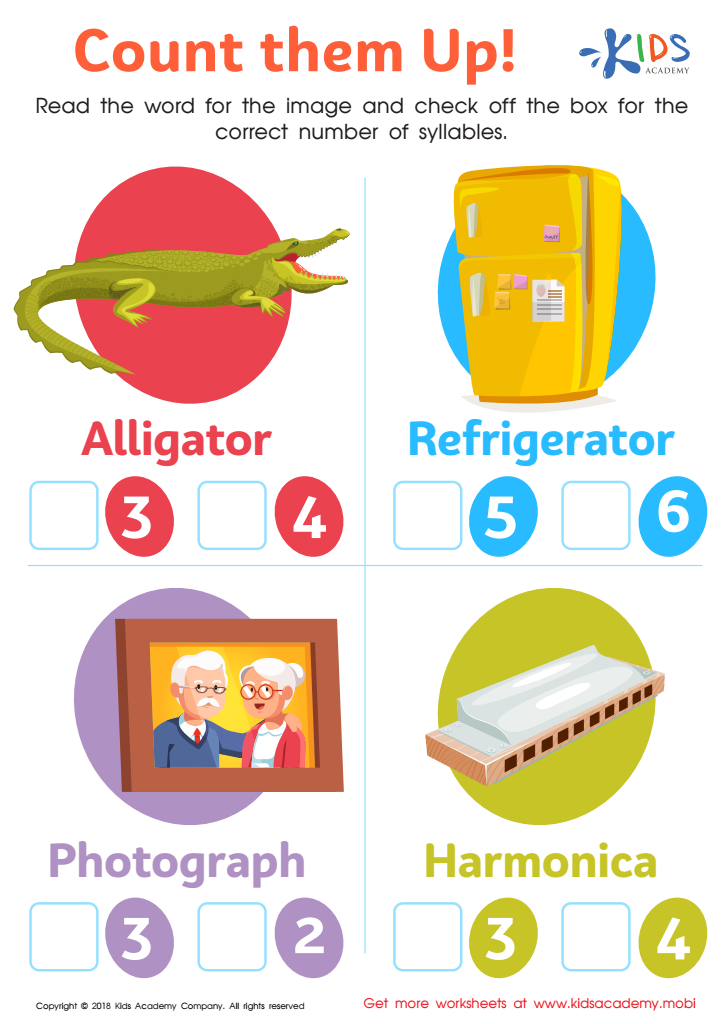
Count Them Up Worksheet
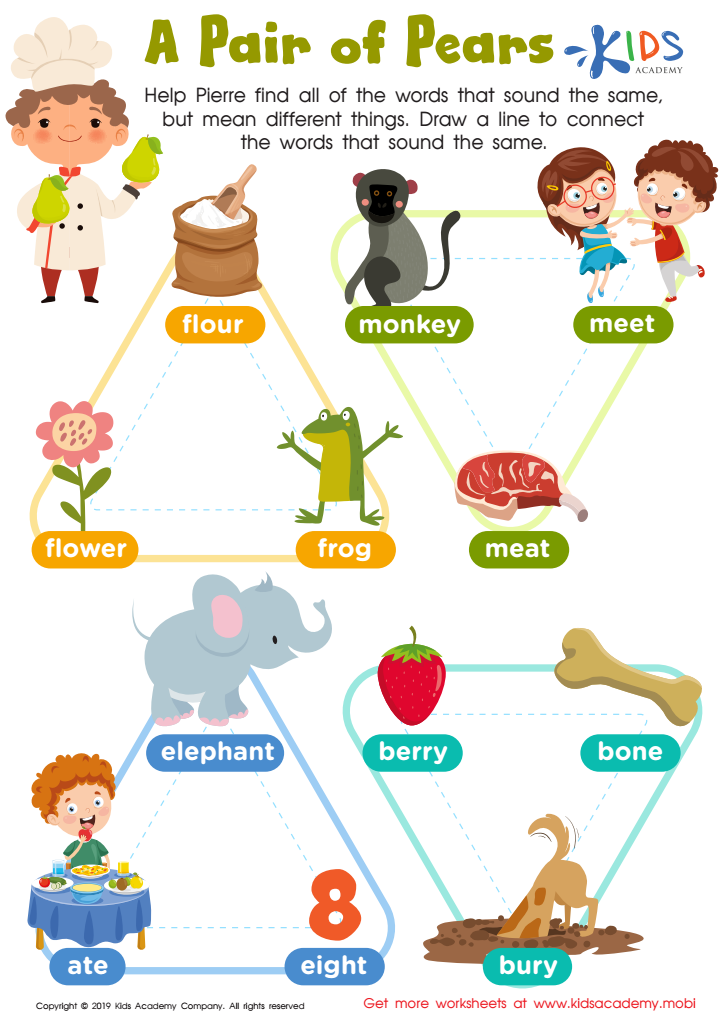
Pair Pears Worksheet








Number recognition and vocabulary building are fundamental components in early childhood education, directly influencing a child's cognitive development and future academic success. For children aged 3-9, mastery of number recognition lays the groundwork for mathematical understanding. Recognizing numbers fosters essential skills such as counting, simple addition and subtraction, and problem-solving abilities. When children learn to identify numbers in their environment, it builds confidence in their mathematical skills, creating a positive learning attitude.
Similarly, building vocabulary during these formative years enhances language development, comprehension, and communication skills. A rich vocabulary is critical as it allows children to express ideas, ask questions, and understand instructions, all of which are vital for social interaction and learning across subjects.
For teachers and parents, emphasizing these skills fosters a well-rounded educational experience. Not only do these competencies contribute to academic achievement, but they also support social and emotional development, allowing children to share their thoughts and engage in discussions. Therefore, investing time in activities that promote number recognition and vocabulary building is essential—as it prepares children not just for school, but for lifelong learning and success in an increasingly complex world.








