Reading practice Normal Building Vocabulary Worksheets for Ages 3-9
3 filtered results
-
From - To
Enhance your child's reading skills with our "Reading Practice Normal Building Vocabulary Worksheets," designed specifically for ages 3-9. These engaging worksheets provide a fun and effective way for young learners to expand their vocabulary while developing essential reading abilities. With a variety of interactive exercises, children can practice word recognition, decoding, and comprehension at their own pace. Our age-appropriate activities foster creativity and curiosity, making learning enjoyable and rewarding. Whether at home or in the classroom, these resources support early literacy and lay a strong foundation for future educational success. Explore the collection today and watch your child's language skills thrive!
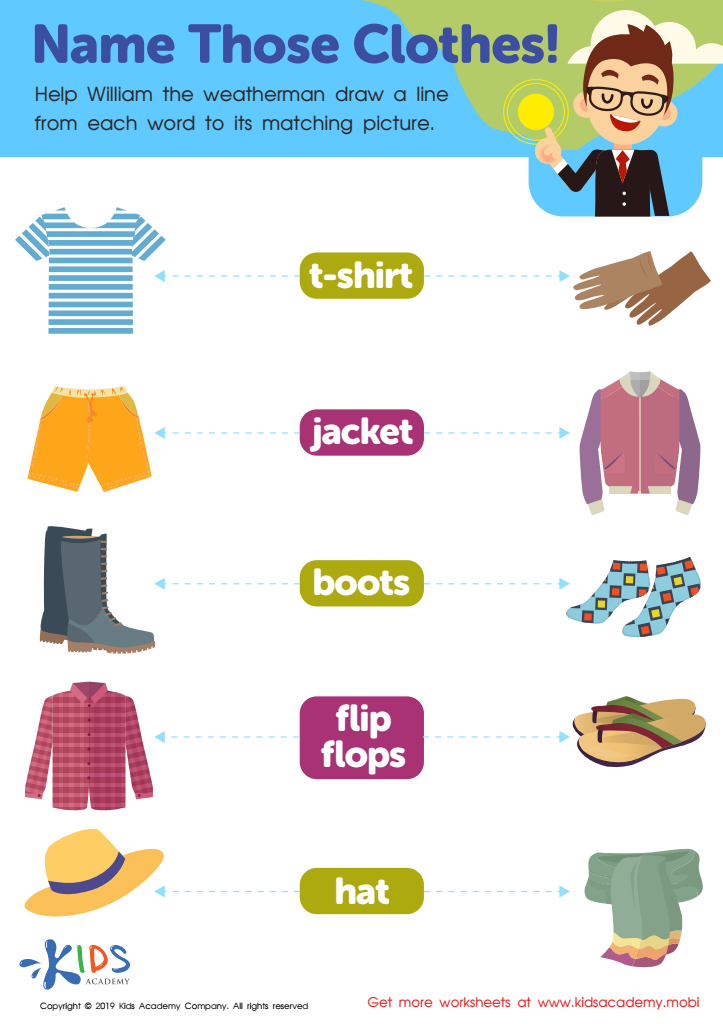
Name Those Clothes Worksheet
 Assign to My Students











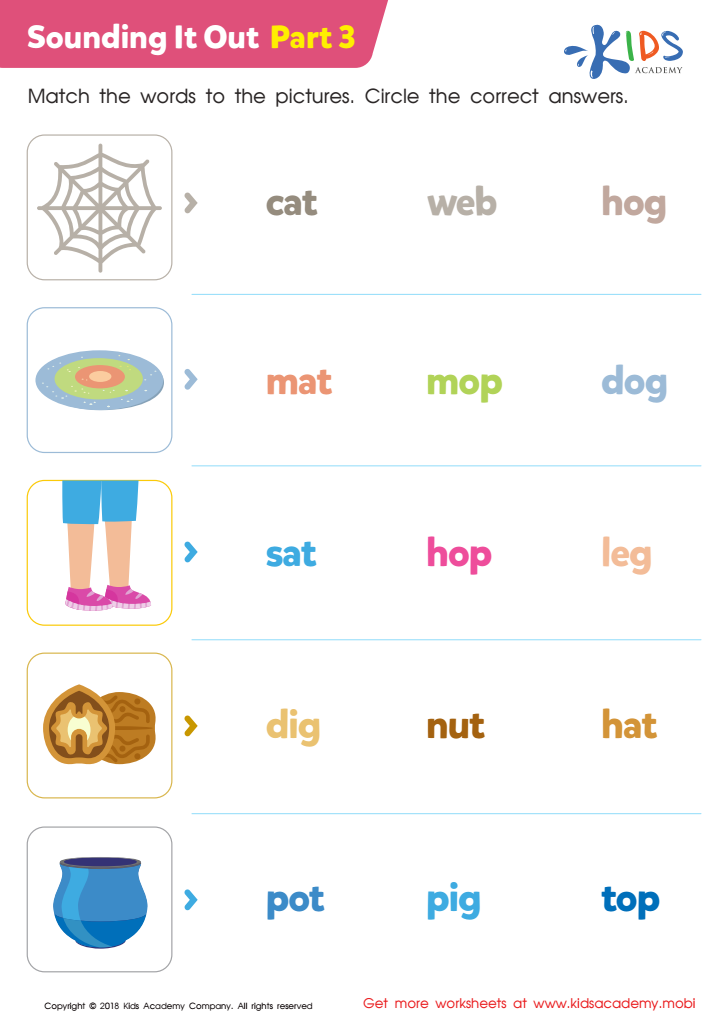
Sounding it Out: Part 3 Worksheet
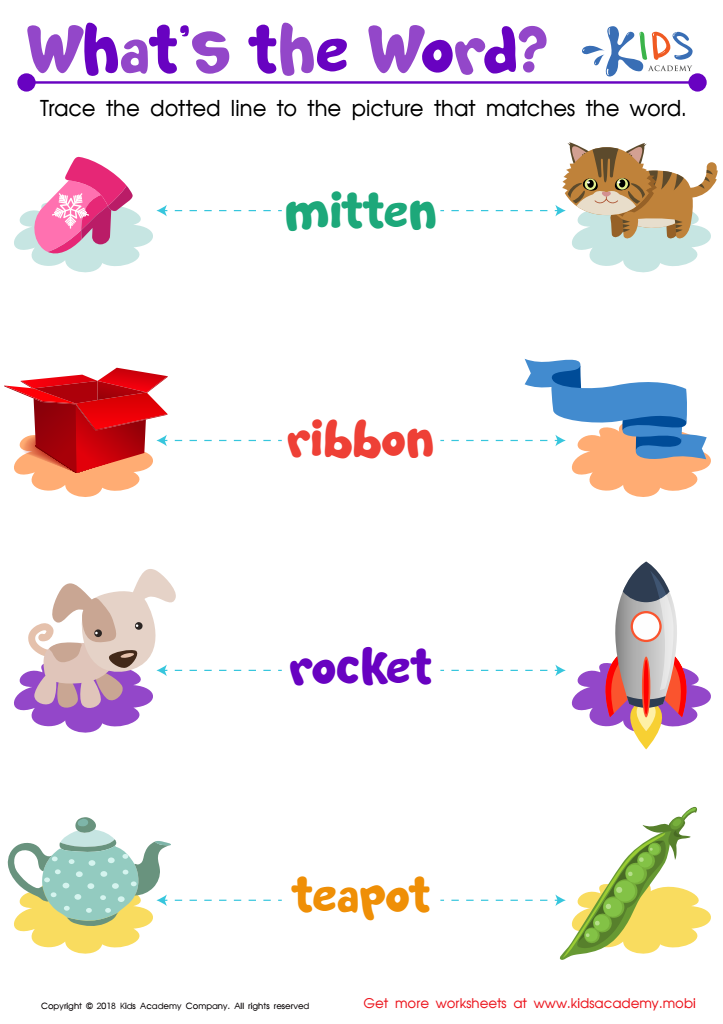
Reading: What's Word Worksheet








Reading practice and vocabulary building are crucial for children aged 3-9 as these skills lay the foundation for academic success and lifelong learning. At this stage, children's brains are highly receptive to language, making it the perfect time to introduce new words and concepts. A robust vocabulary enhances reading comprehension, allowing children to understand and engage with texts more effectively. As they encounter new ideas and experiences through reading, their imaginative thinking and critical reasoning skills also develop.
Parents and teachers play essential roles in facilitating this growth. Engaging in regular reading practice not only promotes language skills but also fosters a love for literature, encouraging children to explore stories and ideas independently. When adults actively participate in reading activities, it creates a supportive and stimulating environment that reinforces the importance of literacy.
Moreover, a strong vocabulary is linked to improved communication skills, which are vital for social interactions and expressing thoughts clearly. As children build their vocabulary, they gain confidence in both academics and social settings. Ultimately, prioritizing reading and vocabulary development equips children with the tools they need to succeed in school and beyond, making it a critical focus for parents and educators alike.








