Understanding context Normal Reading Comprehension Worksheets for Ages 3-9
5 filtered results
-
From - To
Unlock the power of reading comprehension with our "Understanding Context Normal Reading Comprehension Worksheets" designed for children aged 3-9. These engaging worksheets enhance critical thinking by encouraging young learners to analyze context clues in various texts, building essential skills for academic success. Each worksheet offers age-appropriate exercises that promote vocabulary growth, sentence structure comprehension, and the ability to draw conclusions from written materials. Our fun and interactive resources motivate children to explore and understand the world around them through reading, paving the way for confident and capable readers. Foster a love for learning and help your child excel in literacy today!
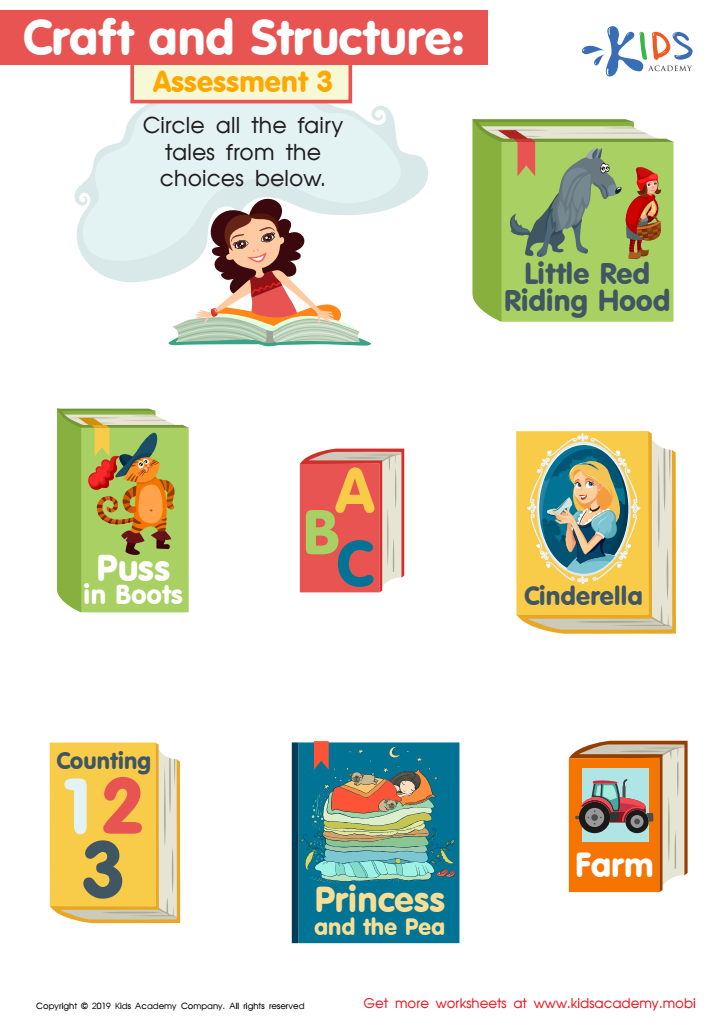
Craft and Structure: Assessment 3 Worksheet
 Assign to My Students
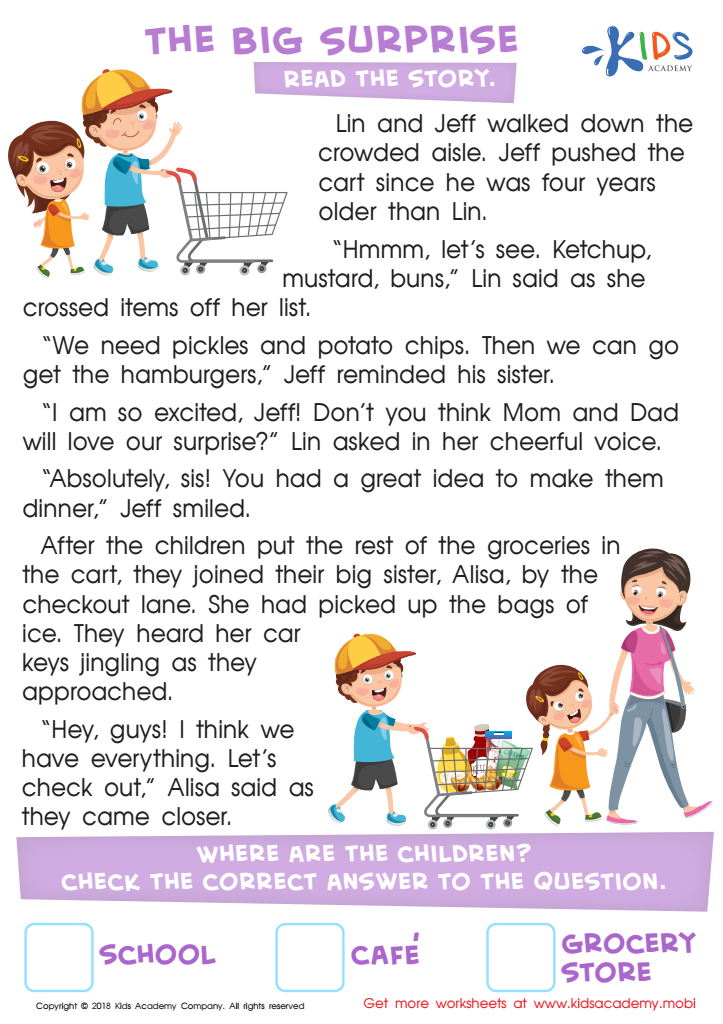
The Big Surprise Worksheet
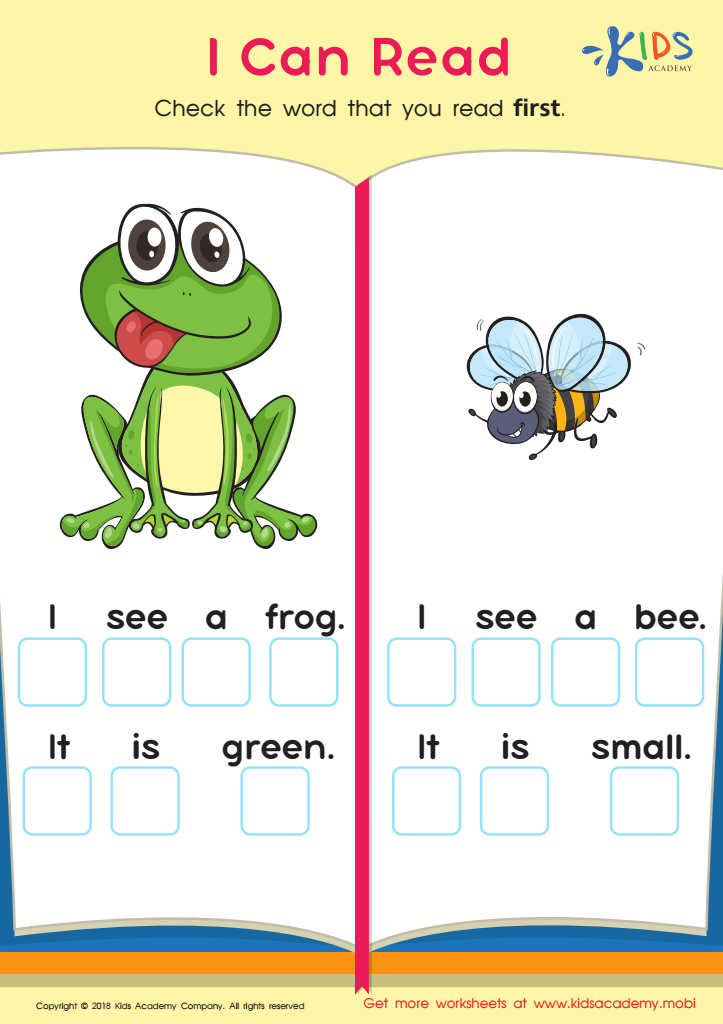
I Can Read Worksheet
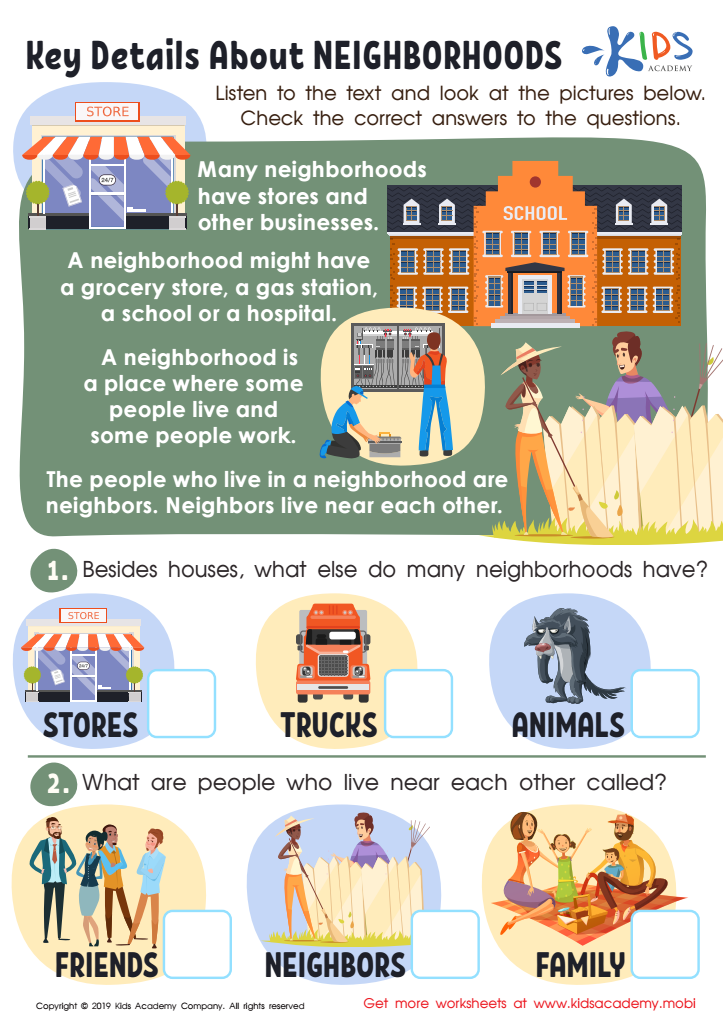
Key Details Neighborhoods Worksheet
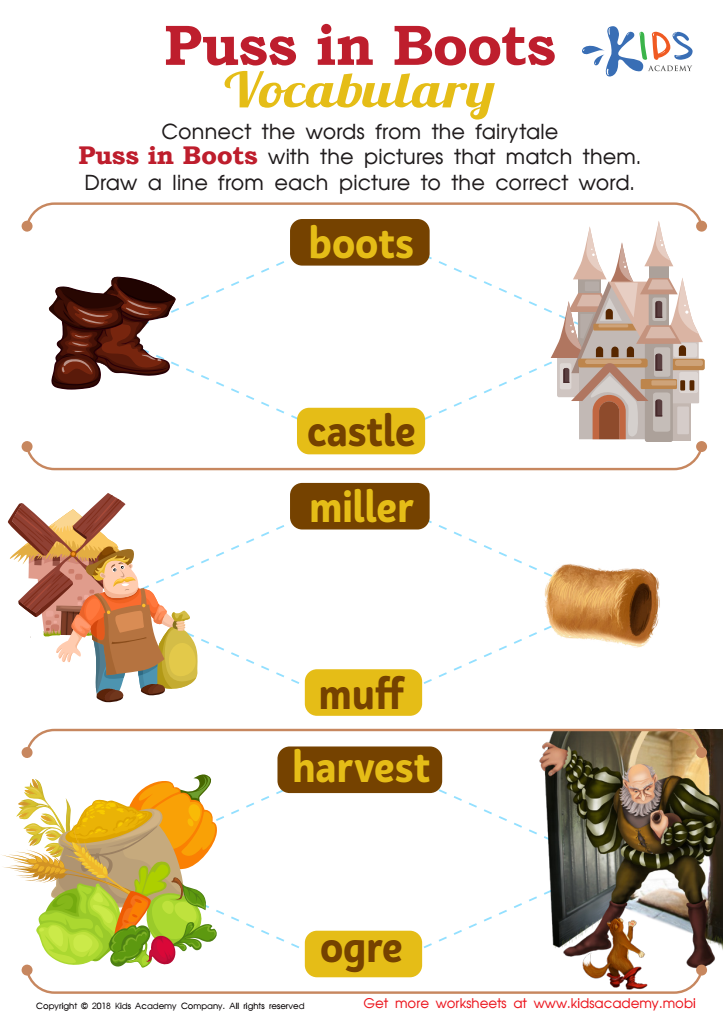
Puss in Boots Vocabulary Worksheet








Understanding context in reading comprehension is crucial for children aged 3-9, as it lays a foundation for lifelong literacy skills. When parents and teachers recognize the importance of context, they can better support children's ability to grasp the meaning of texts. Younger children often rely on their surroundings, prior experiences, and vocabulary to make sense of stories and information. By nurturing contextual understanding, caregivers foster critical thinking, as children learn to infer meanings, identify relationships, and make predictions based on clues within the text.
Additionally, reading in context helps to draw connections between characters, events, and emotions, enhancing engagement and empathy in young readers. This capability not only enriches their reading experience but also promotes social and emotional development. Moreover, children who understand context often exhibit improved phonemic awareness, leading to stronger decoding skills.
By prioritizing contextual learning, parents and teachers can cultivate a supportive reading environment that encourages exploration and curiosity. This approach ultimately supports academic achievement across various subjects and instills a love for reading that benefits children's personal and educational growth. In summary, understanding context is a powerful tool that drives comprehension, engagement, and emotional connection in young readers, directly benefiting their overall development.








