Identifying Animals Normal Science Worksheets for Ages 3-9
3 filtered results
-
From - To
Explore our engaging "Identifying Animals Normal Science Worksheets" designed specifically for children aged 3-9! These printable worksheets provide a fun and interactive way for young learners to discover the diverse world of animals. Each worksheet features captivating visuals and age-appropriate activities that encourage children to recognize different animal species, understand their habitats, and learn basic facts. These resources promote early science skills, enhance critical thinking, and foster a love for learning about nature. Perfect for use in classrooms or at home, our worksheets make science an enjoyable experience for young explorers. Start your child's adventure into the animal kingdom today!
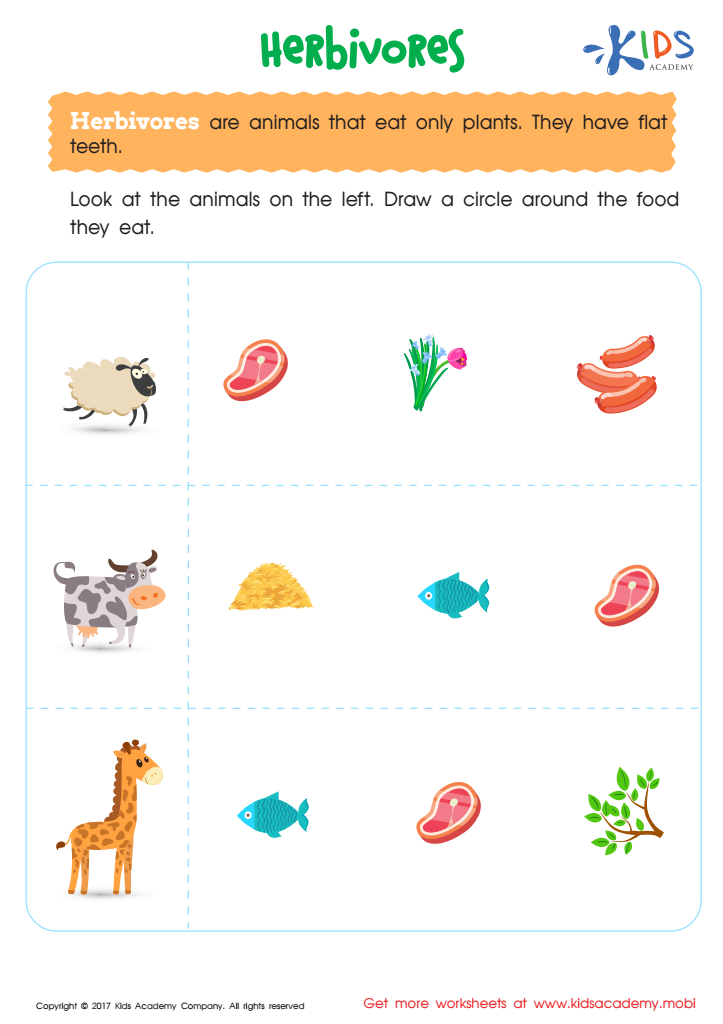
Herbivores Printable
 Assign to My Students
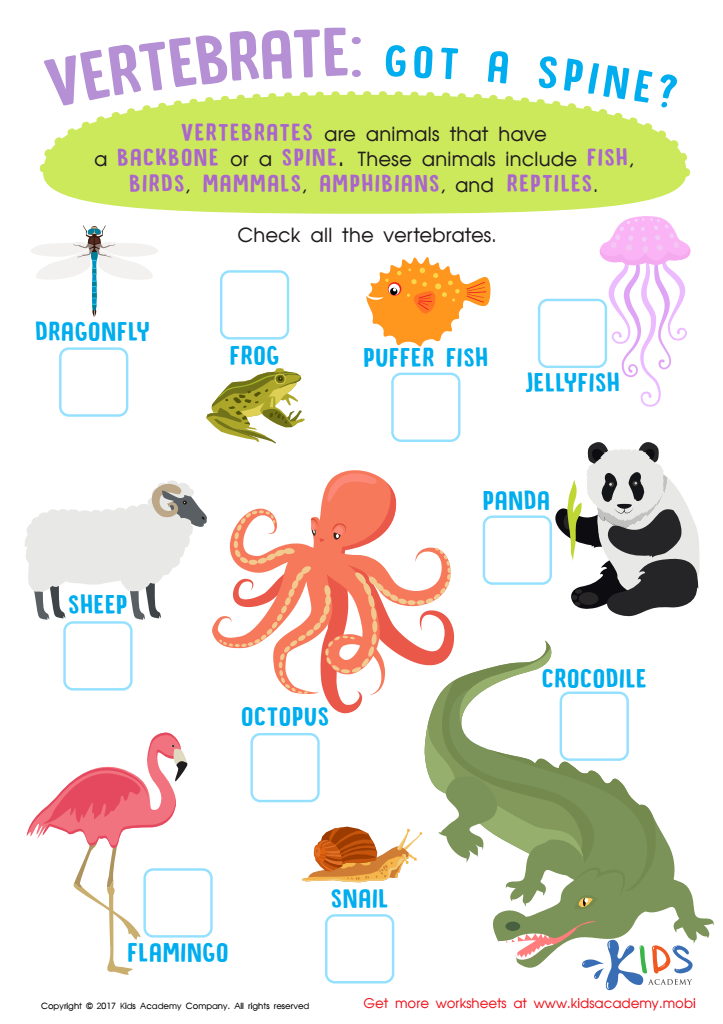
Vertebrates Animals Worksheet for 3rd Grade
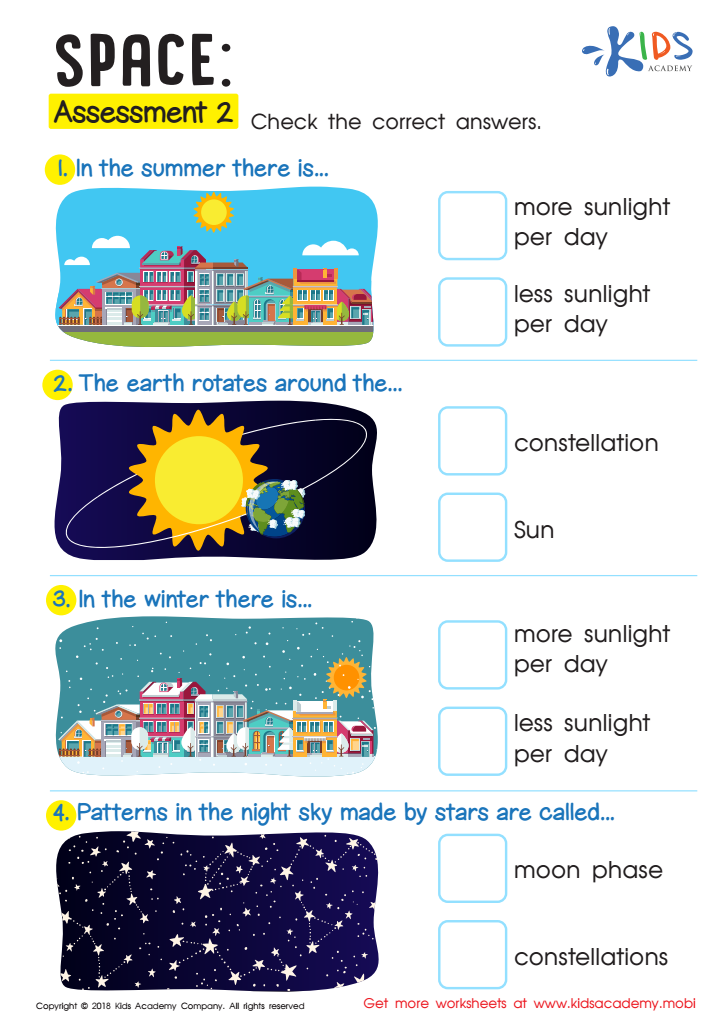
Space: Assessment 2 Worksheet



.jpg)


Identifying animals forms a crucial part of early science education for children aged 3-9. This foundational knowledge helps young learners develop critical observation and classification skills, fostering curiosity about the natural world. When parents and teachers engage children in identifying animals, they stimulate their innate wonder and encourage hands-on exploration, vital for cognitive growth.
Learning about animals promotes literacy and vocabulary development, as children encounter new names, descriptions, and habitats. This can facilitate discussions about ecosystems, animal behaviors, and conservation, instilling a sense of responsibility toward the environment in young minds. Furthermore, recognizing different species supports differentiated learning, accommodating varied interests and learning styles, helping children make connections to wider science concepts such as adaptation and biodiversity.
Encouraging identification of animals also nurtures social skills, as collaborative activities enhance teamwork and communication. Overall, prioritizing this aspect of science education helps equip children with essential skills that lay the groundwork for future learning while fostering empathy and awareness of the living things around them. Parents and teachers play a vital role in this journey, guiding discovery and enriching children’s understanding of the world, ultimately cultivating informed and active future citizens.







