Filters

6 filtered results

Clear all filters
Favorites
With answer key
Interactive

6 filtered results

Difficulty Level

Grade


Unlock the joy of reading with our engaging Reading Comprehension Normal Alphabet Worksheets designed specifically for 3-year-olds! These interactive, printable worksheets introduce young learners to the basics of reading comprehension through fun activities that build essential skills. By exploring colorful illustrations and simple words, children will develop their understanding of language in an enjoyable way. Each worksheet focuses on fostering vocabulary growth, visual recognition, and comprehension skills. Perfect for parents and educators alike, these resources make learning accessible and fun! Enhance your child’s early literacy journey today with our thoughtfully curated worksheets that encourage curiosity and a love for reading!

Check out this FREE Trial Lesson on Alphabet for age 3!

Recognize Words that Rhyme

Favorites
With answer key
Interactive
  • 3
  • Reading comprehension
  • Alphabet
  • Normal
Rhyming Words Worksheet PDF

Rhyming Words Rhyming Worksheet

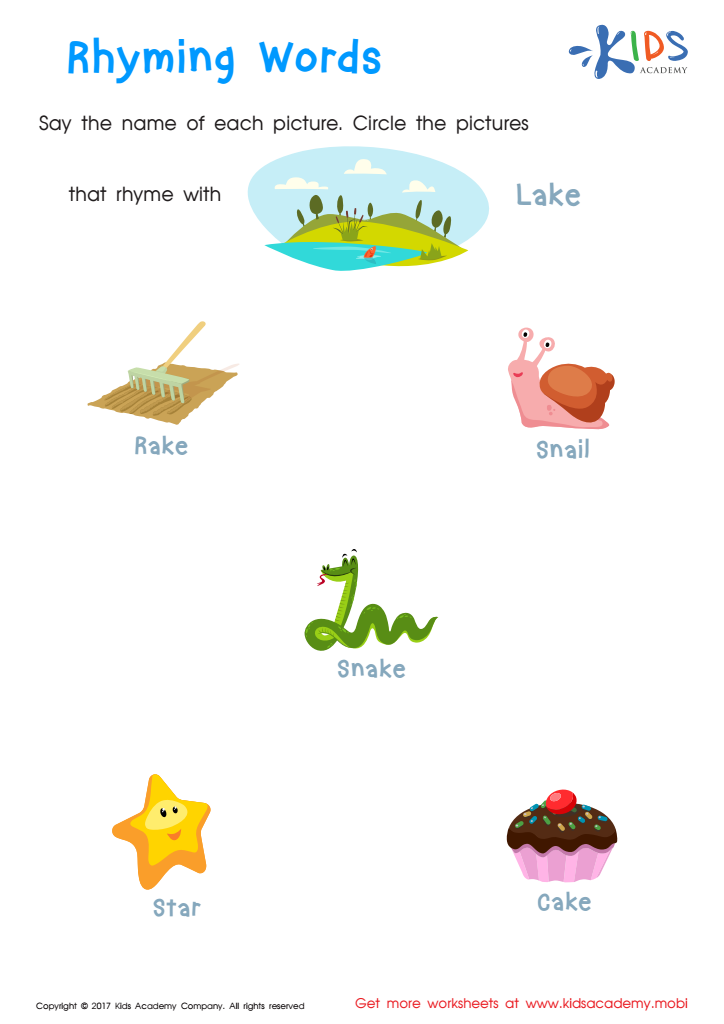
This worksheet is great for honing pre-reading skills. It helps kids make connections between pictures and written words, use problem-solving, and recognize sounds and words that rhyme. Have fun exploring rhyming words with your child, and they'll be rhyming in no time!
Rhyming Words Rhyming Worksheet
Worksheet
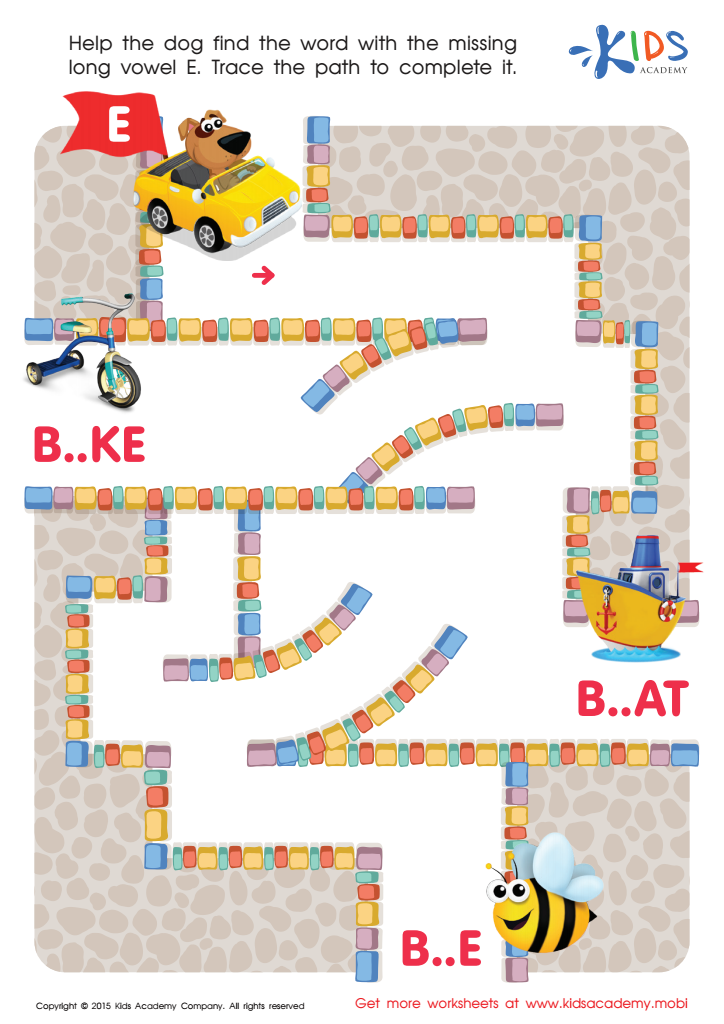
Phonics for Kids | Long Vowel Sound E | PDF Worksheet 1

Long Vowel Sound E Worksheet

Practice distinguishing long and short vowel sound E with this free printable! Kids must complete the word “bee” by tracing the maze and adding the missing letter E. Remind them to say the word aloud to help sharpen their phonics ear. Get more phonics fun with the vowel sound E here.
Long Vowel Sound E Worksheet
Worksheet
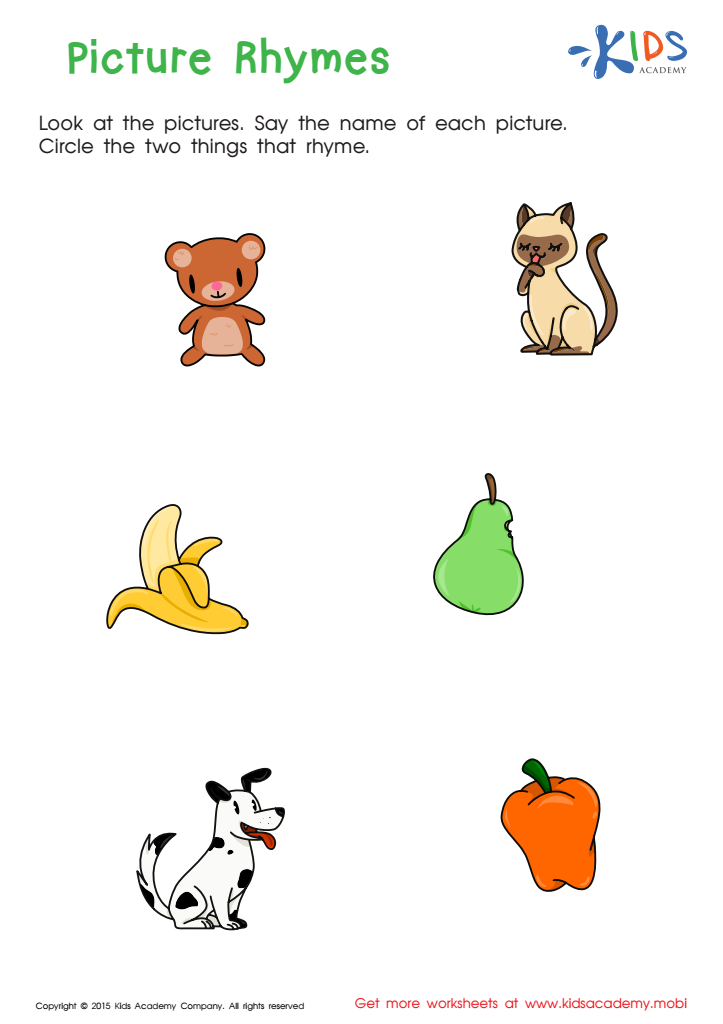
Picture Rhymes Printable

First Words: Picture Rhymes Worksheet
Rhyming helps kids understand language, read and write better. This printable worksheet boosts problem-solving and cognitive skills with vibrant pictures. It teaches kids to identify words, recognize rhymes, complete mental tasks and write words. An extra activity: show them how rhyming words share some of the same letters.
First Words: Picture Rhymes Worksheet
Worksheet
Rhyming Words Worksheet for Kindergarten

Time to Rhyme Rhyming Worksheet

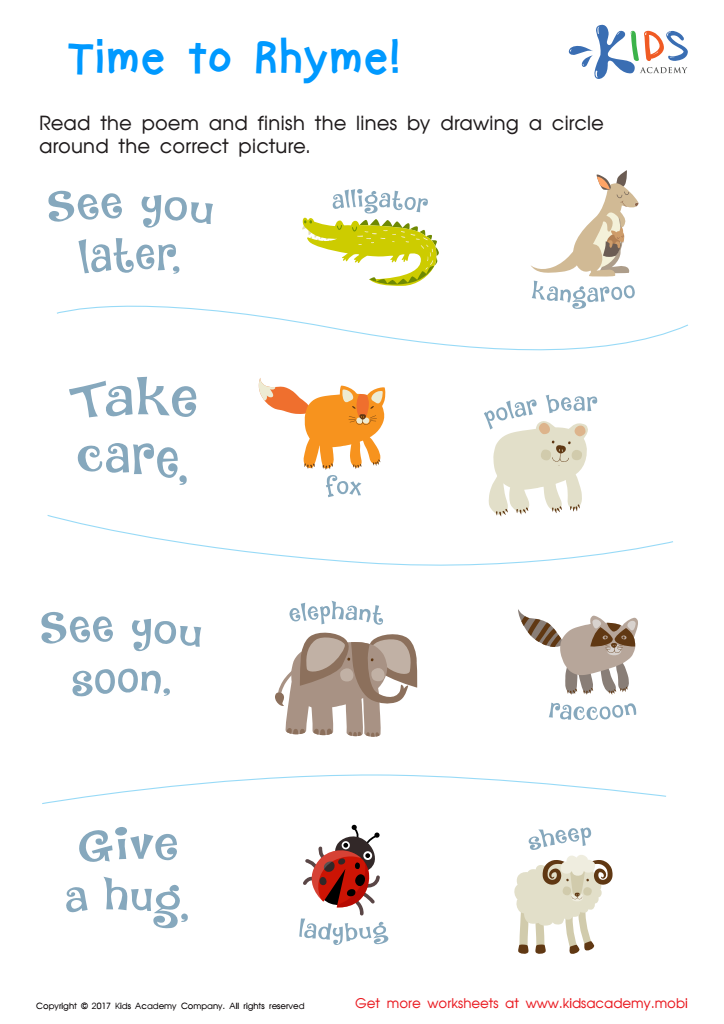
This worksheet helps kids learn catchy sayings with rhymes, notice words and sounds that rhyme, and use problem solving to solve expressions. By using these expressions in everyday talk, kids gain the repetition needed to internalize the skills they've learned. Check out our nursery rhymes to further support them!
Time to Rhyme Rhyming Worksheet
Worksheet
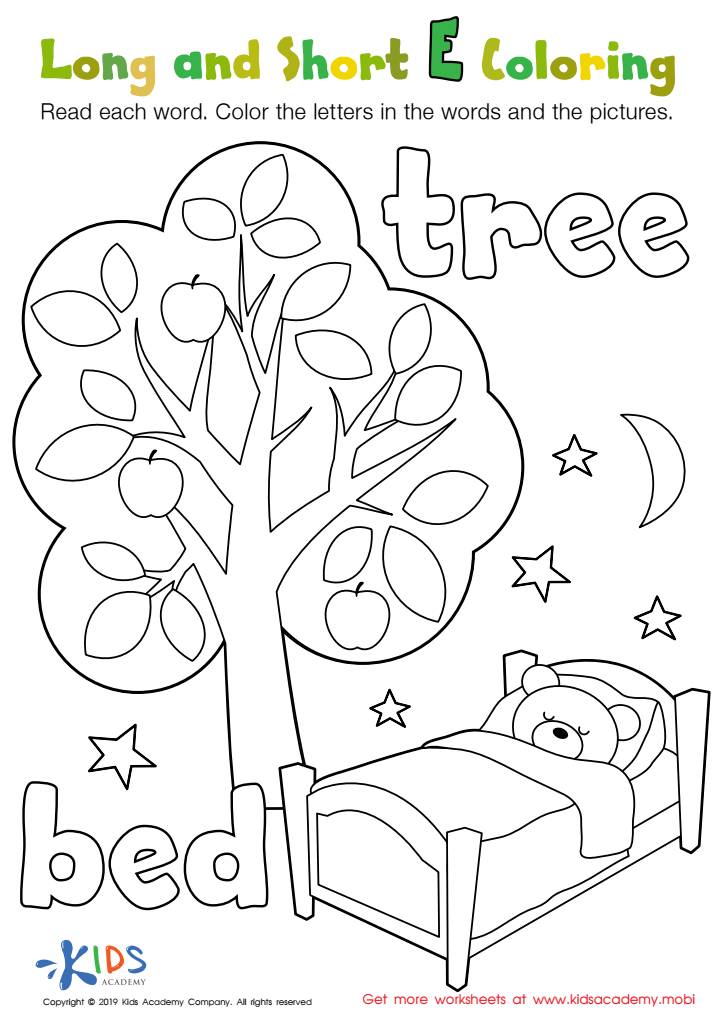
Long and Short E Worksheet

Long and Short E Worksheet

This fun printout makes learning phonics enjoyable for Grade 3 students. Get them to read the words “tree” and “bed” to recognize the different sounds of the letter “E”. After hearing the words they can color the words and the pictures to understand differences between long and short vowels.
Download (PDF)
Assign to My Students
Long and Short E Worksheet
Worksheet
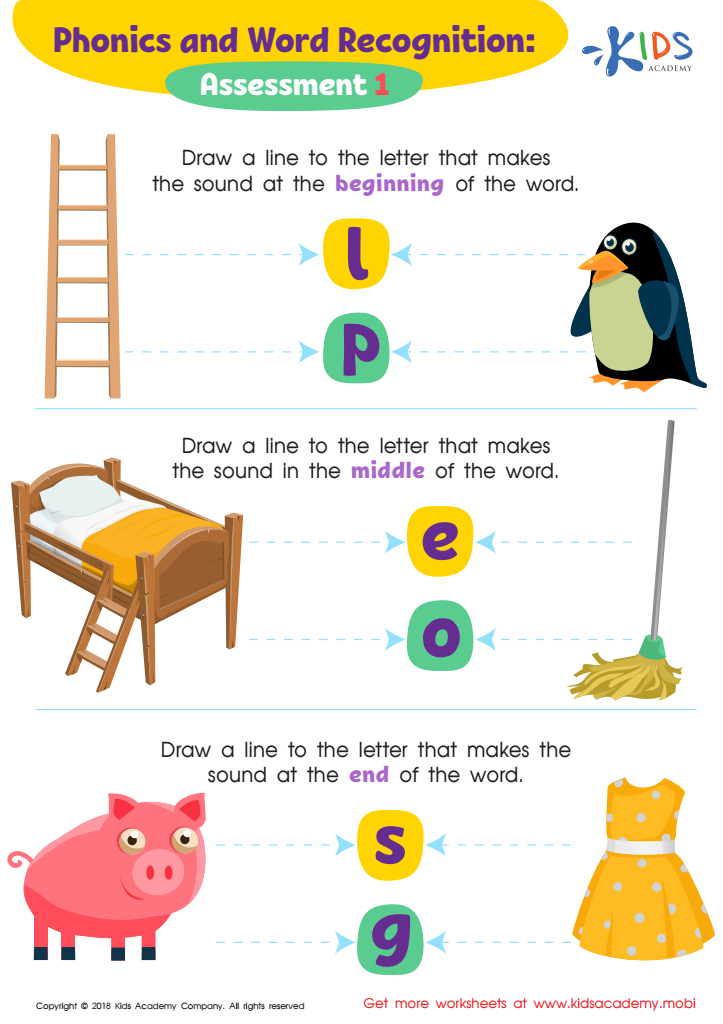
Phonics and Word Recognition: Assessment 1 ELA Worksheet


Phonics and Word Recognition: Assessment 1 ELA Worksheet

This fun worksheet tests your child's sound recognition skills for each part of a word. Ask your child to name each image and trace the line to match it with the corresponding letter. Listen for beginning sounds on 1st, middle sounds on 2nd, and ending sounds on 3rd. Encourage learning with this colorful and interactive activity!
Phonics and Word Recognition: Assessment 1 ELA Worksheet
Worksheet


Reading comprehension is crucial for the early development of 3-year-olds, and both parents and teachers should prioritize it. At this age, children are naturally curious and constantly soaking in information from their environment. Engaging them in reading activities helps strengthen their language skills and vocabulary, which lays the foundation for future academic success.

Understanding stories fosters critical thinking and creativity. When children make sense of narratives, they learn to predict outcomes, connect plot points, and relate to characters. This cognitive engagement enhances their ability to analyze and communicate ideas, essential skills as they progress through their education.

Moreover, incorporating reading comprehension into everyday activities encourages bonding between parents, teachers, and children. Sharing stories creates shared experiences and instills a love for reading that can last a lifetime.

In addition, early reading comprehension skills correlate with later literacy achievements and overall school readiness. It enables children to transition smoothly into structured learning environments, where understanding text becomes vital for academic progress.

Listening to teachers and parents foster their child's reading habits demonstrates their investment in education, emphasizing the importance of communication and comprehension. Ultimately, nurturing reading comprehension from an early age can positively shape a child's future learning journey.