Letter Tracing Normal Letter Recognition Worksheets for 3-Year-Olds
4 filtered results
-
From - To
Discover the joy of learning with our Letter Tracing and Normal Letter Recognition Worksheets designed specifically for 3-year-olds! Our engaging resources help young children recognize letters while enhancing their fine motor skills through tracing activities. Each worksheet features a variety of fun and colorful designs that capture a child's imagination, making learning enjoyable and effective. Our materials promote early literacy development, allowing children to familiarize themselves with letter shapes and sounds. Perfect for parents and educators, these worksheets support at-home learning and classroom activities. Start your child’s educational journey with these delightful and interactive letter tracing resources today!
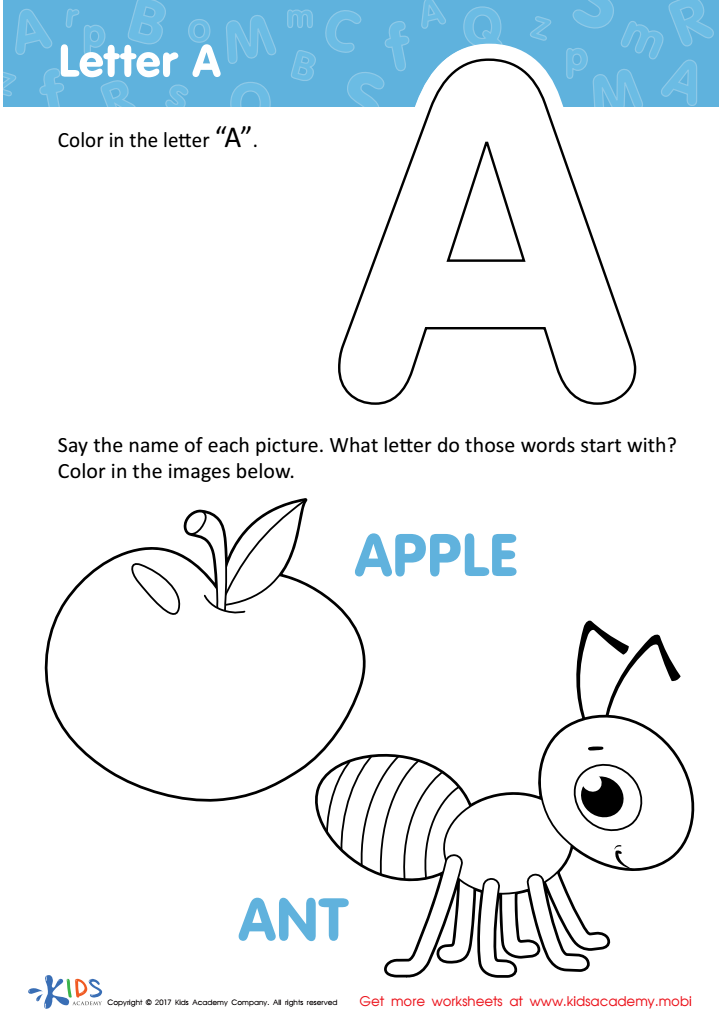
Letter A Coloring Sheet
 Assign to My Students
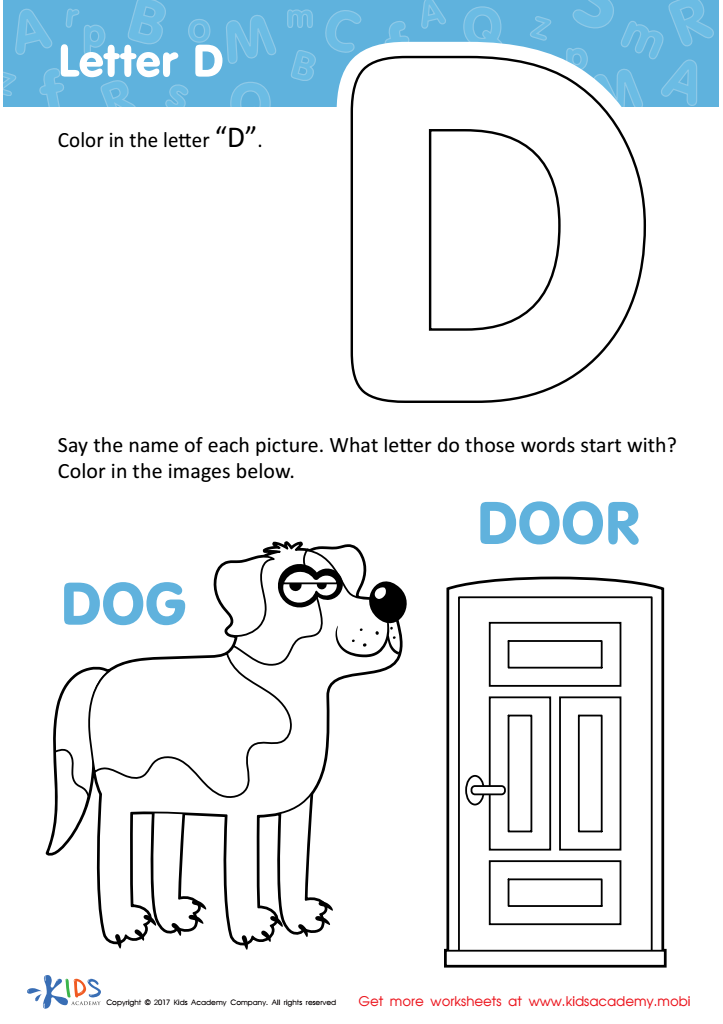
Letter D Coloring Sheet
Assign to My Students
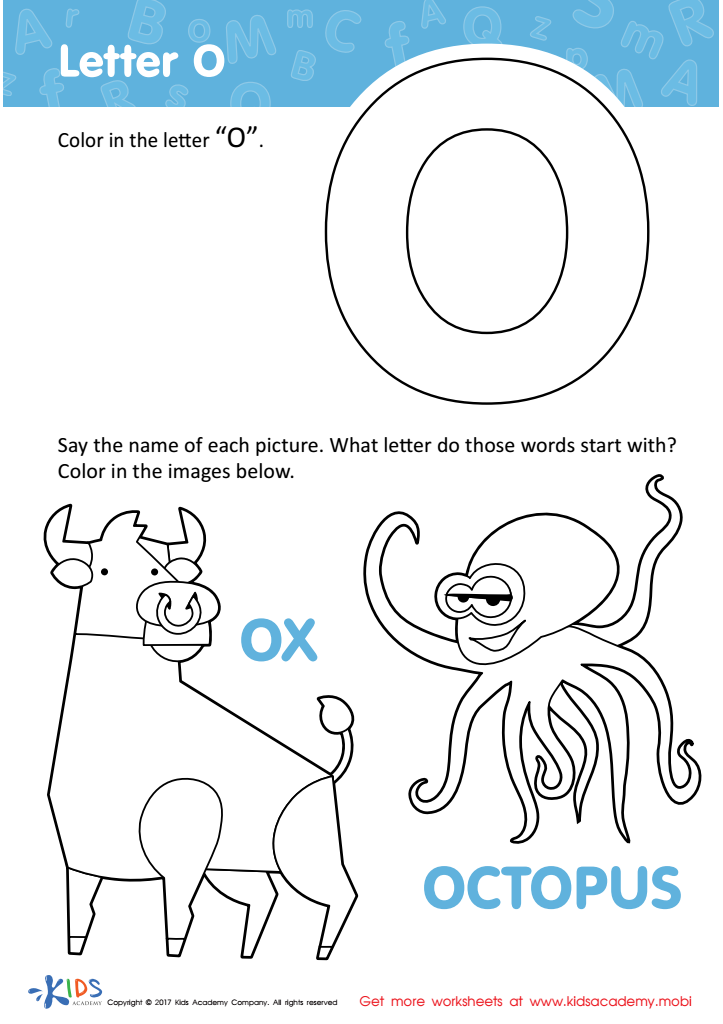
Letter O Coloring Sheet
Assign to My Students
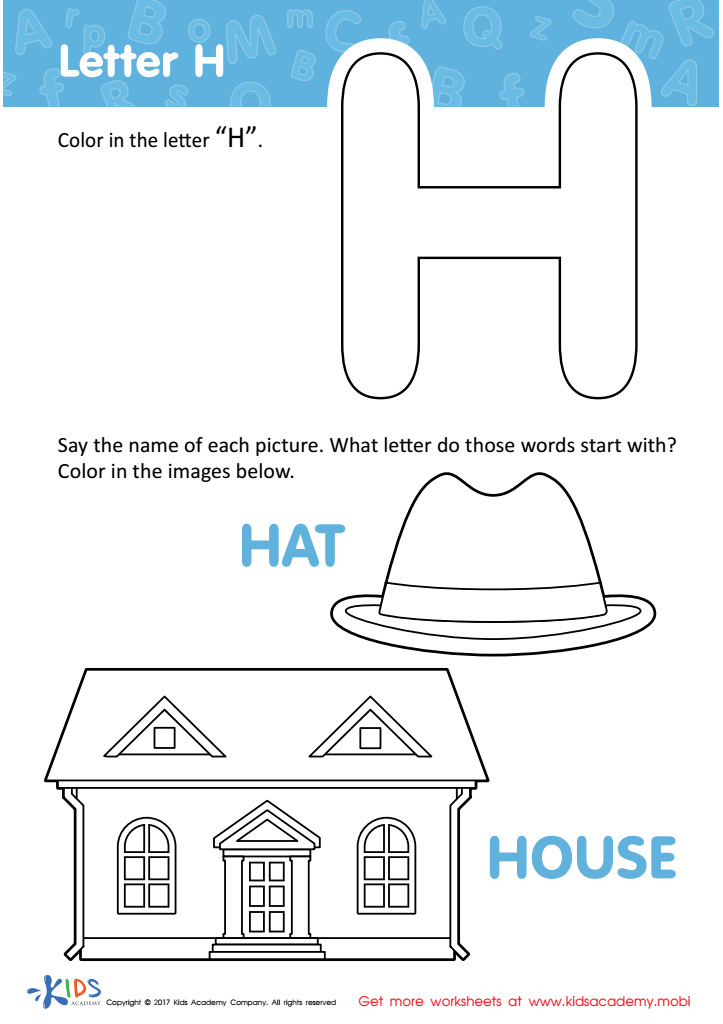
Letter H Coloring Sheet
Assign to My Students








Letter tracing and letter recognition are vital for the early literacy development of 3-year-olds. Focusing on these skills lays a strong foundation for future learning. Parents and teachers should care about these activities because they promote fine motor skills, develop hand-eye coordination, and foster cognitive abilities.
At this age, children are naturally curious, eager to explore, and ready to engage in hands-on learning. Tracing letters helps them understand the shapes and sounds of alphabets, crucial for their reading and writing skills. Recognition of letters paves the way for vocabulary development, which enriches their verbal communication and overall understanding of language.
Moreover, involving parents in tracing practices can create a bonding experience. It offers opportunities for meaningful interactions and reinforces a positive attitude toward learning. For teachers, integrating letter tracing exercises into their curriculum can make learning fun and interactive, keeping students engaged.
In an increasingly digital world, emphasizing traditional letter tracing keeps children connected to tactile learning experiences. As 3-year-olds embark on their educational journey, mastering letter recognition and tracing will ultimately lead to their confidence and enjoyment in reading and writing, essential skills for lifelong learning.








