Alphabet Recognition Normal English for Beginners Worksheets for 3-Year-Olds
19 filtered results
-
From - To
Help your 3-year-old embark on a fun learning adventure with our "Alphabet Recognition Normal English for Beginners Worksheets." Designed specifically for young learners, these worksheets engage children in recognizing letters through colorful activities and imaginative exercises. With an emphasis on English as a second language, each worksheet is crafted to build foundational skills while nurturing curiosity and creativity. Your child will enjoy various playful tasks, including tracing letters, identifying uppercase and lowercase forms, and matching letters to pictures. Perfect for homeschooling or supplementary learning, these resources ensure a solid start in literacy. Inspire a lifelong love for learning today!
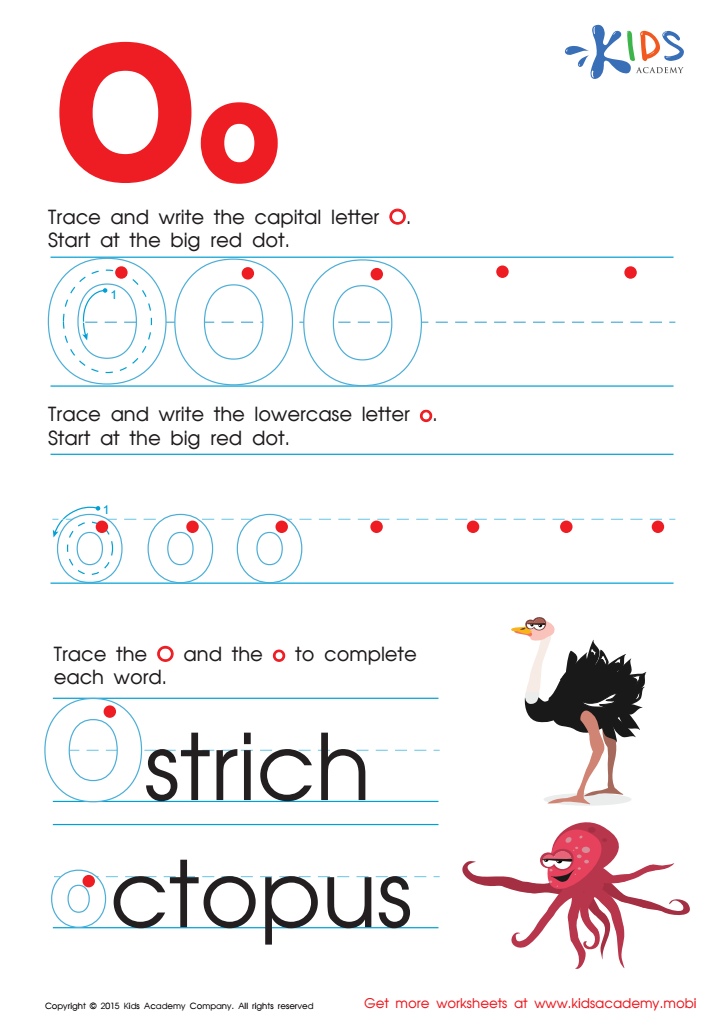
Letter O Tracing Page
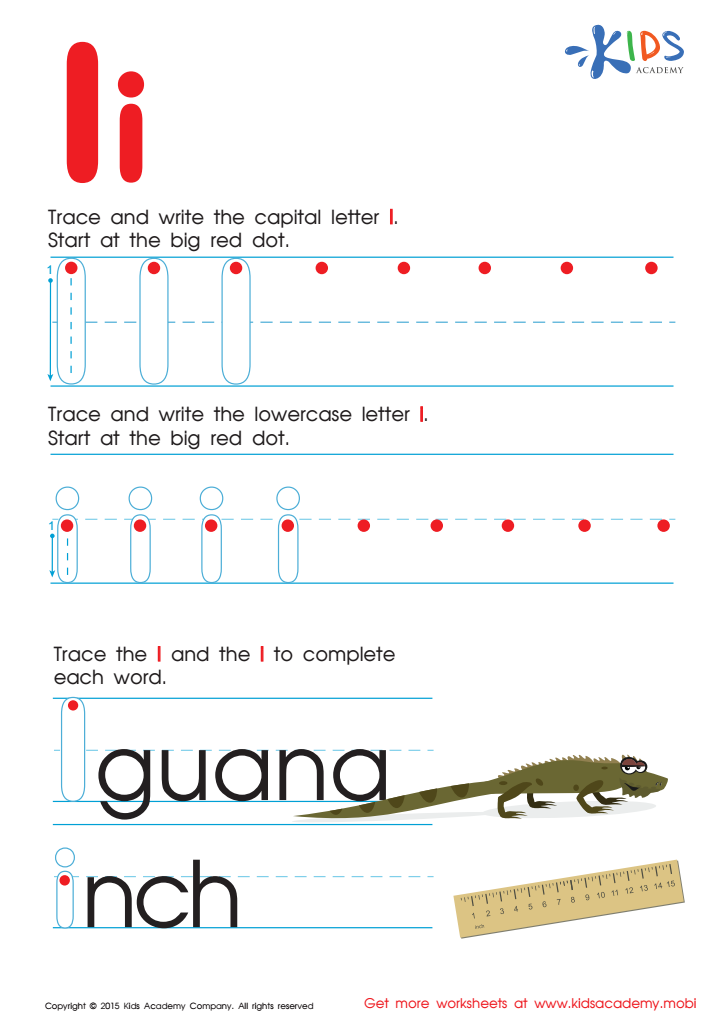
Letter I Tracing Page
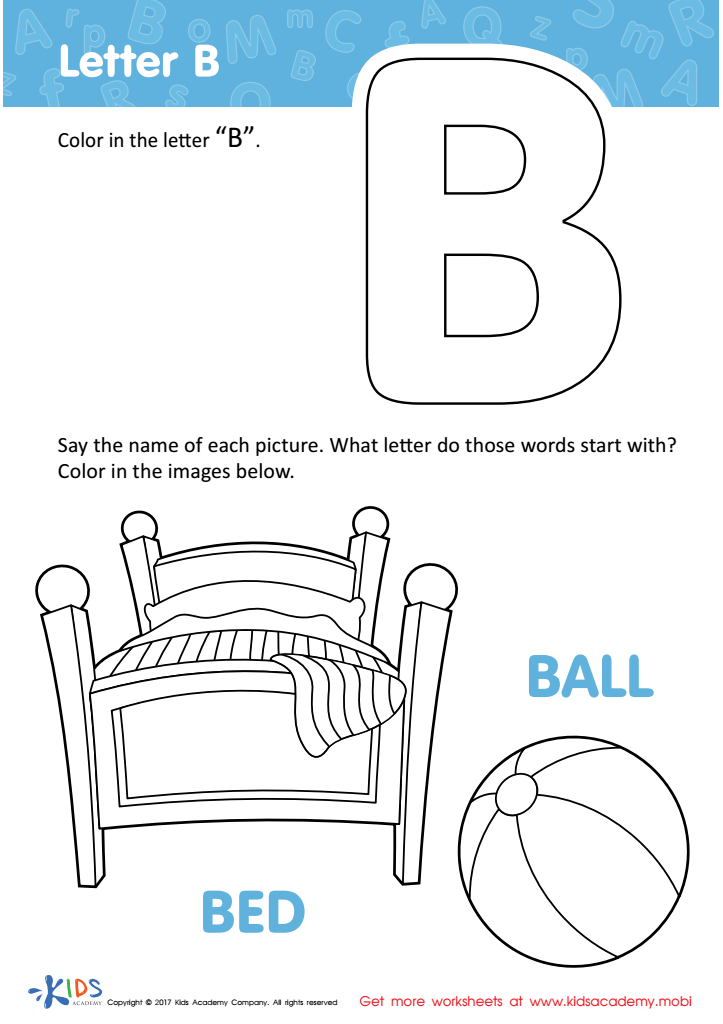
Letter B Coloring Sheet
 Assign to My Students
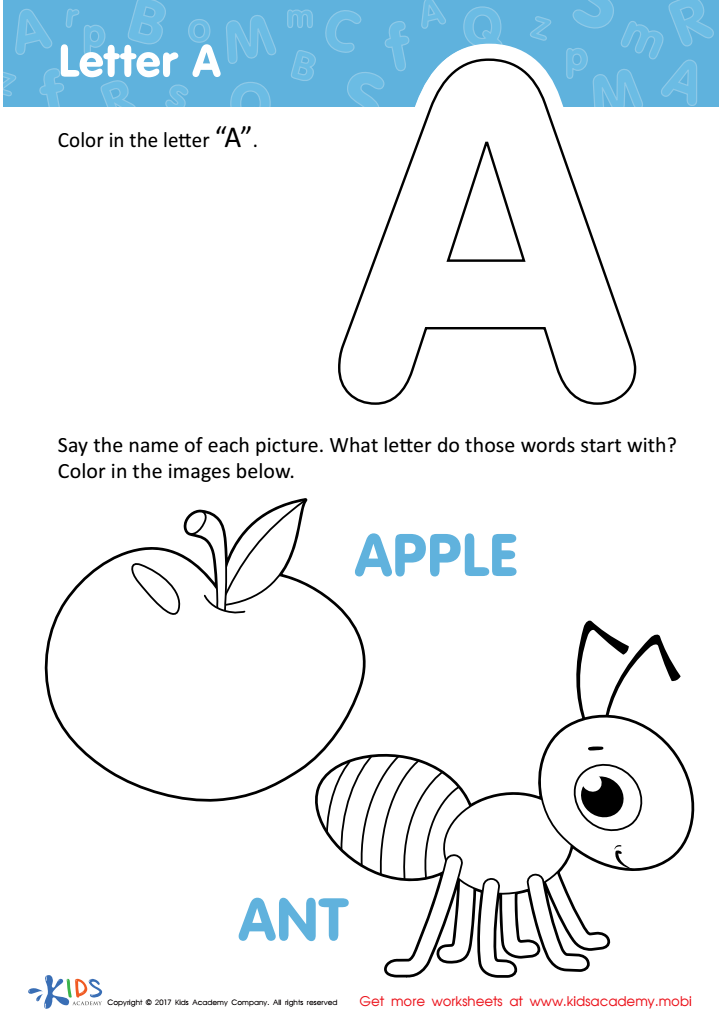
Letter A Coloring Sheet
Assign to My Students
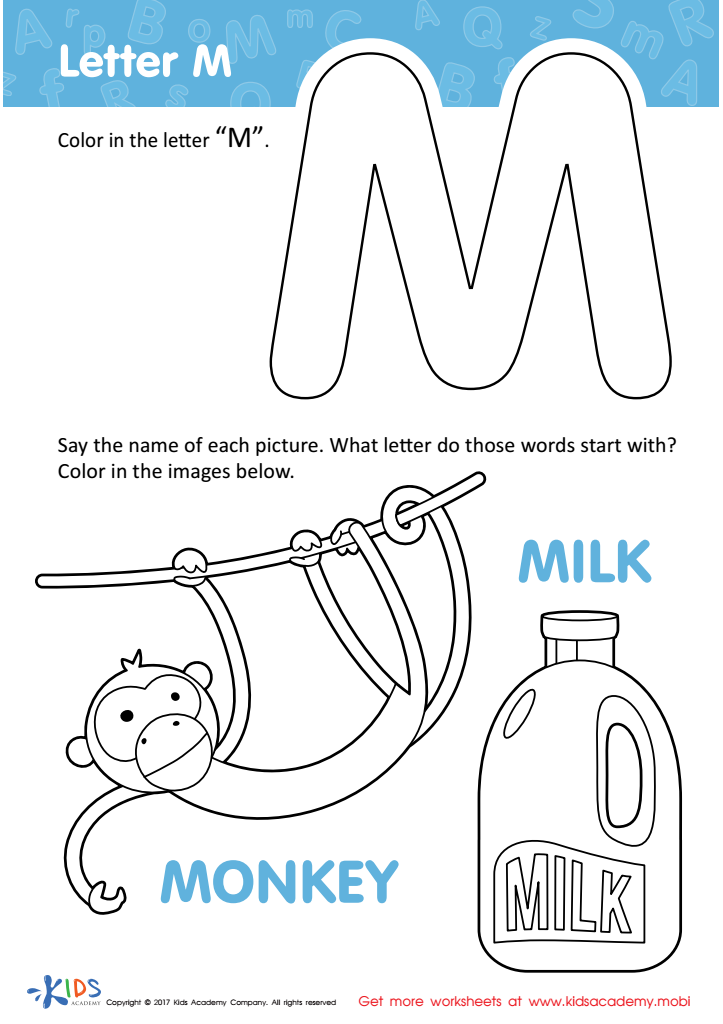
Letter M Coloring Sheet
Assign to My Students
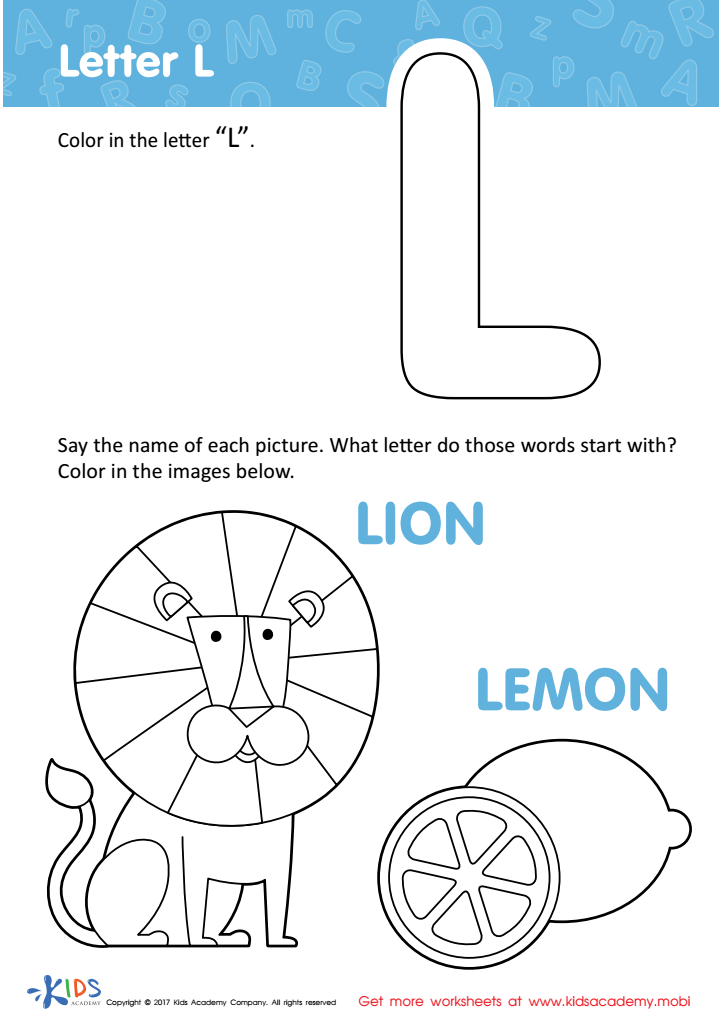
Letter L Coloring Sheet
Assign to My Students
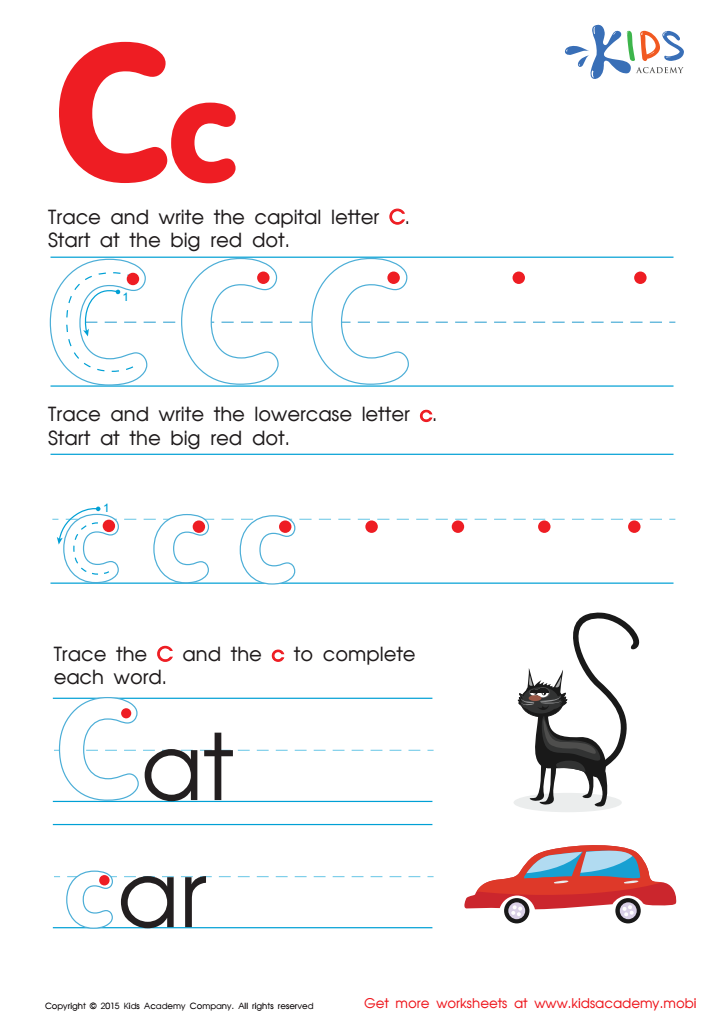
Letter C Tracing Page
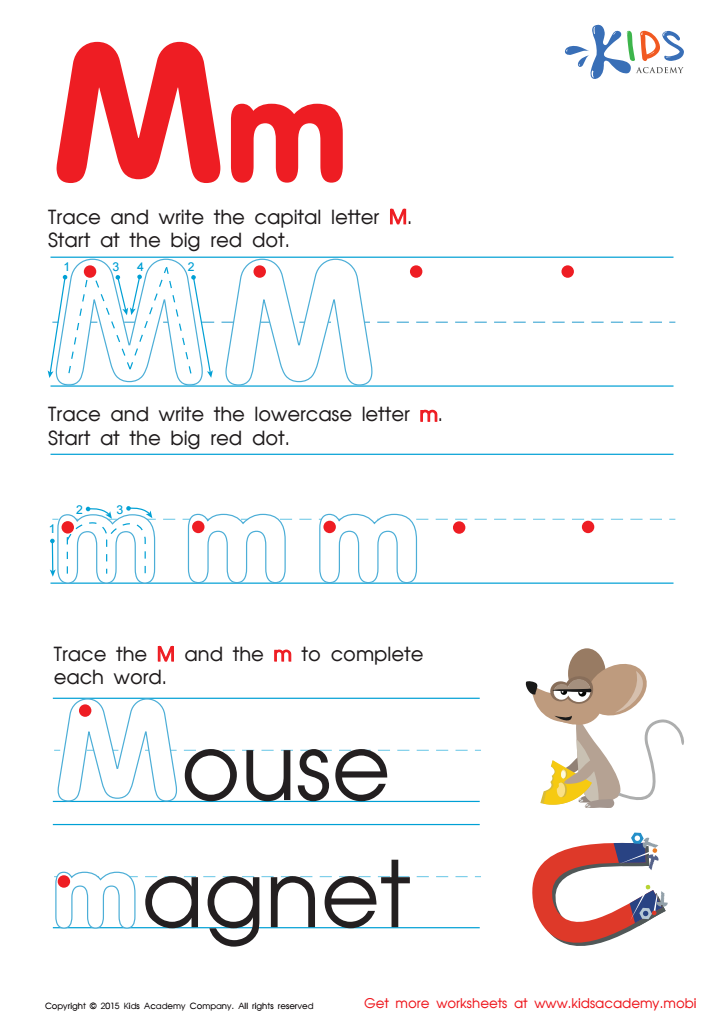
Letter M Tracing Page
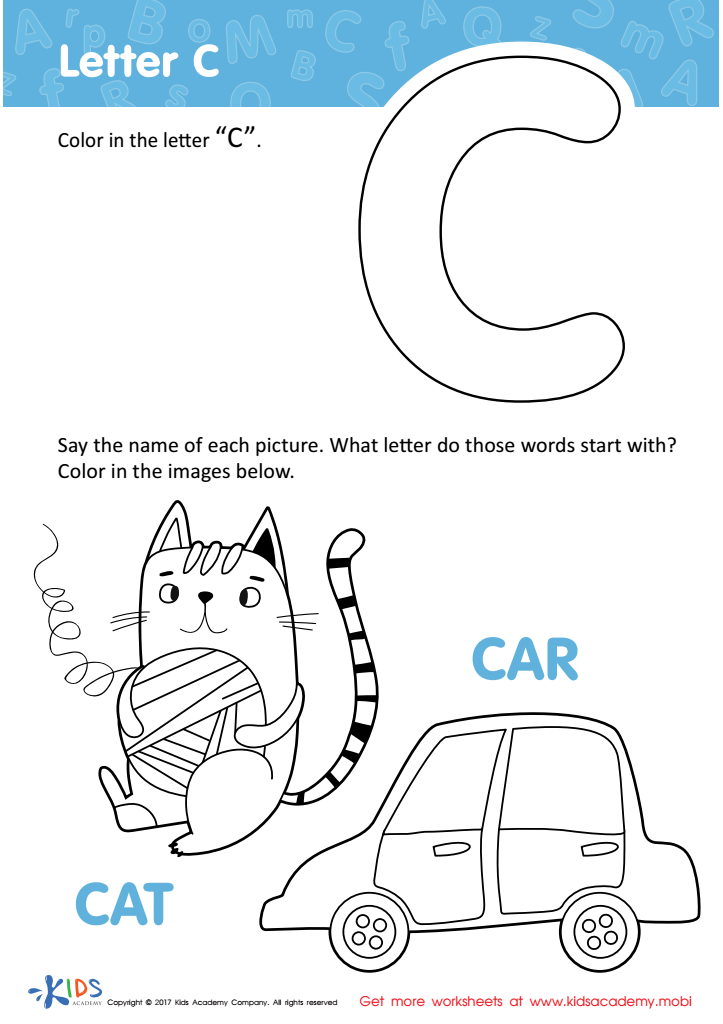
Letter C Coloring Sheet
Assign to My Students
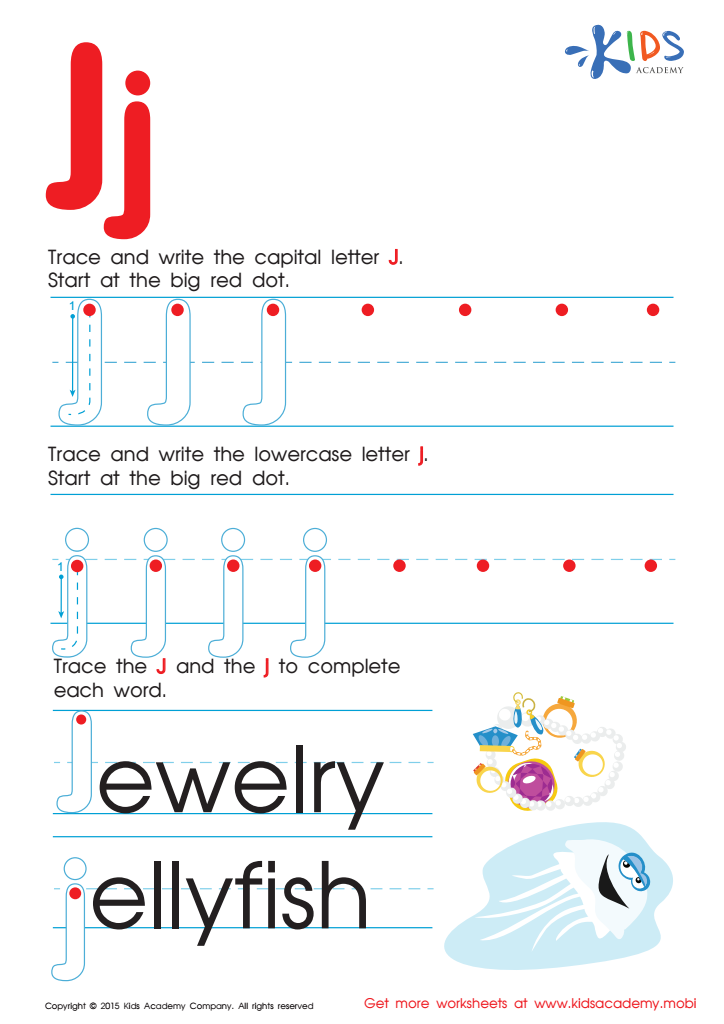
Letter J Tracing Page
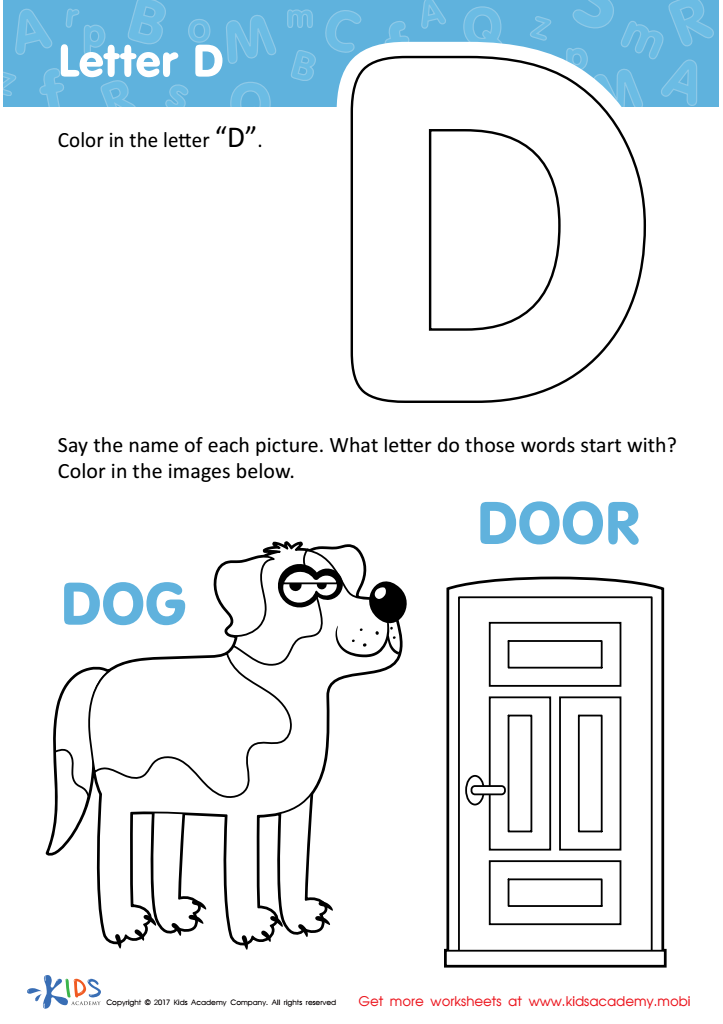
Letter D Coloring Sheet
Assign to My Students
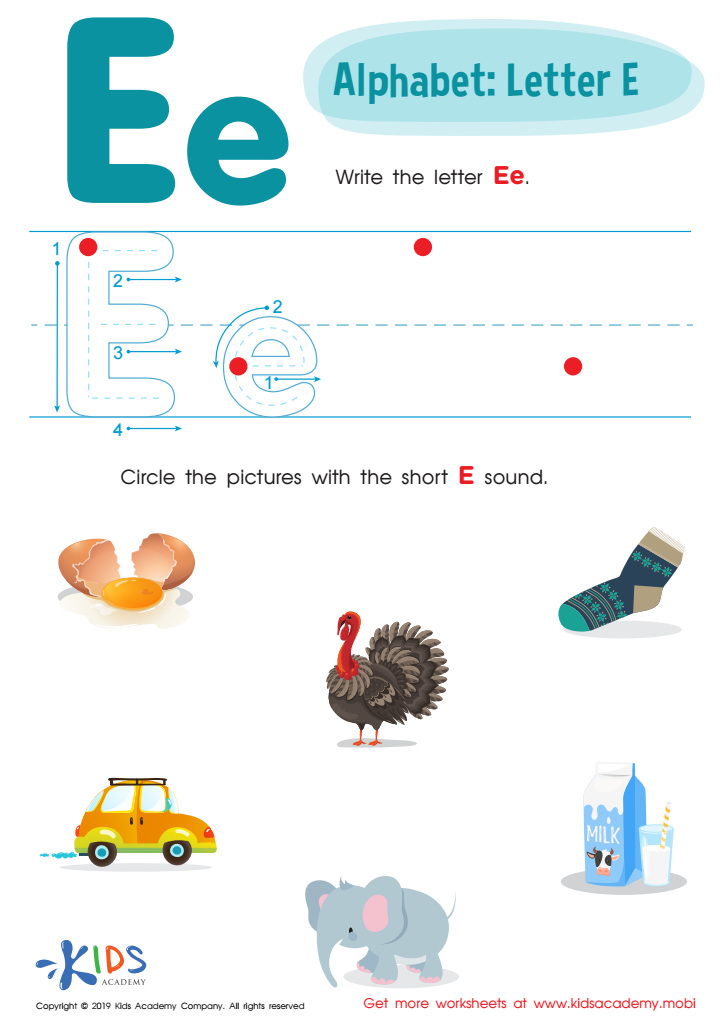
Letter E Tracing Worksheet
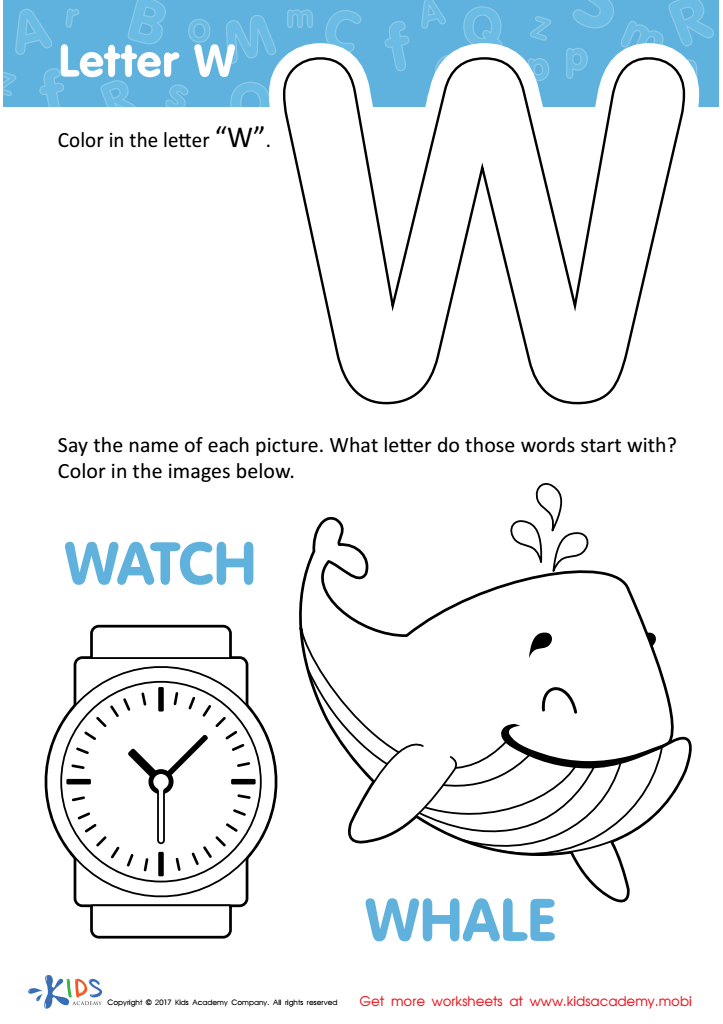
Letter W Coloring Sheet
Assign to My Students
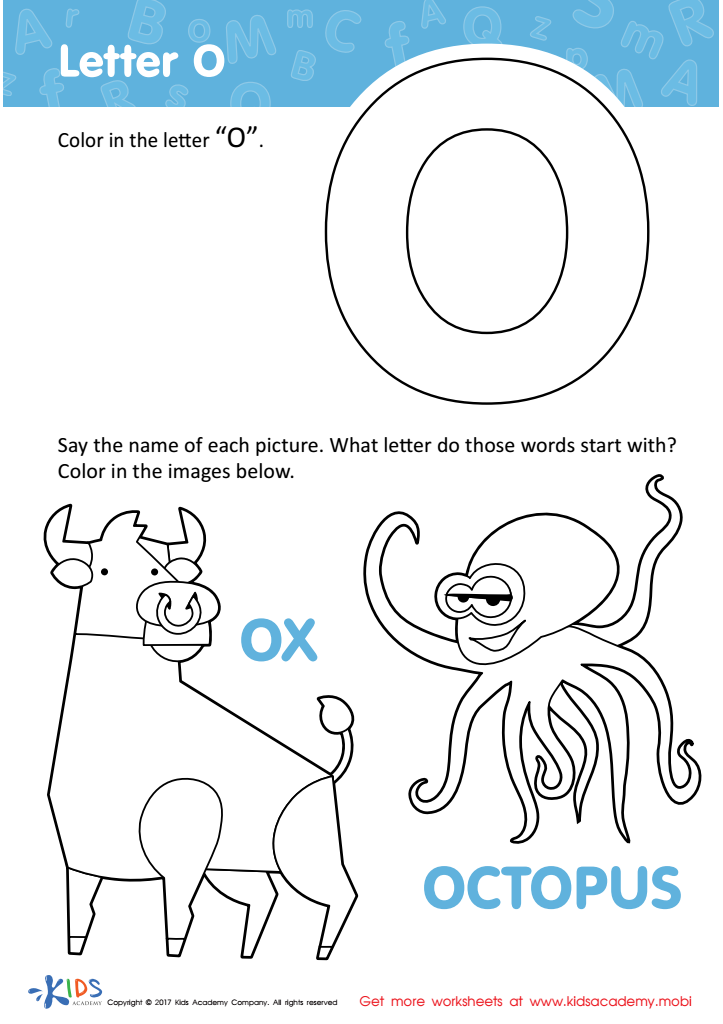
Letter O Coloring Sheet
Assign to My Students
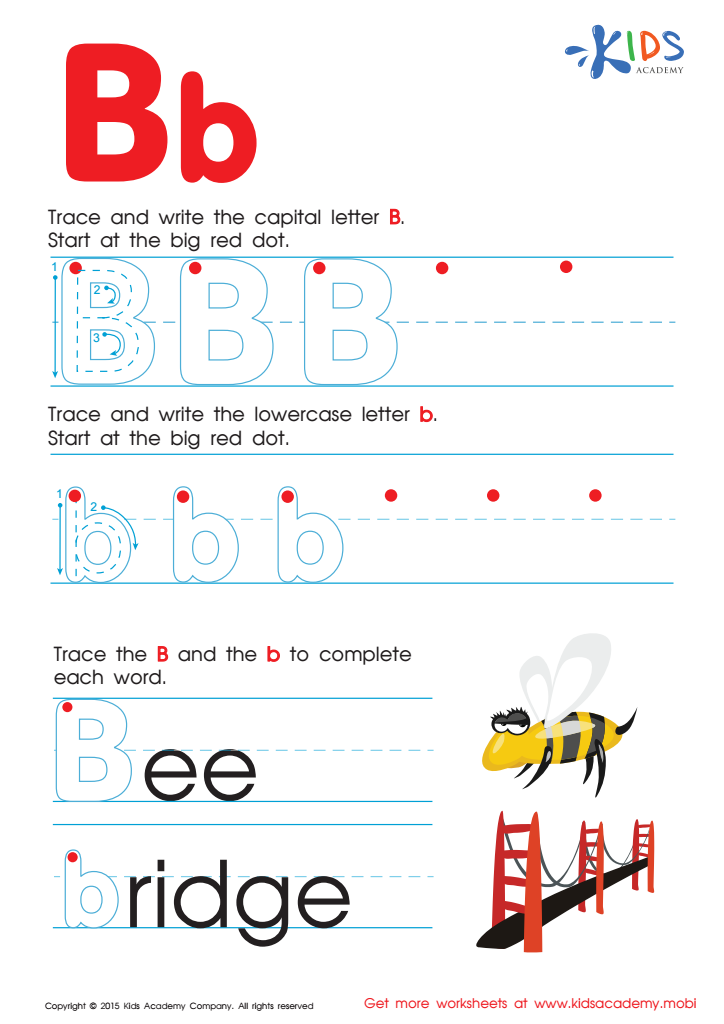
Letter B Tracing Page
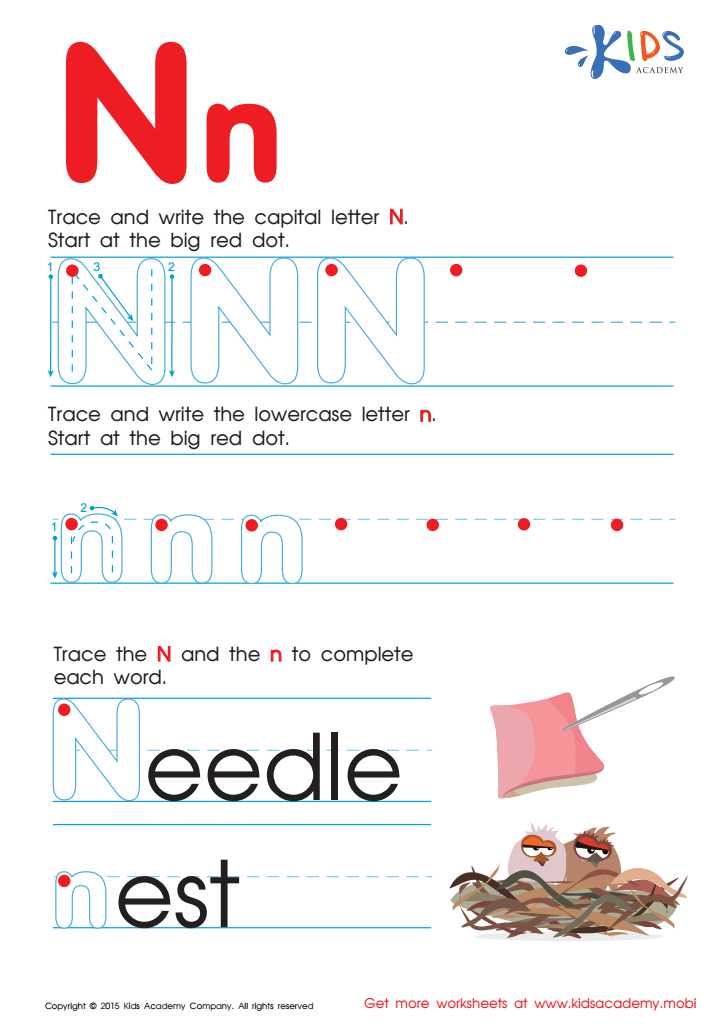
Letter N Tracing Page
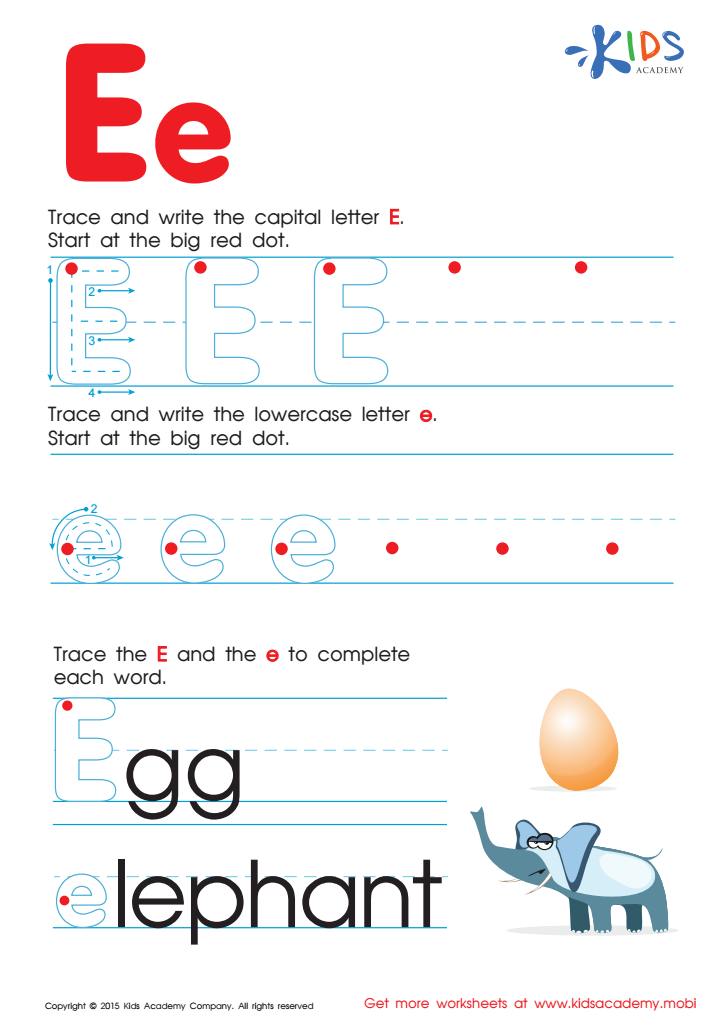
Letter E Tracing Page
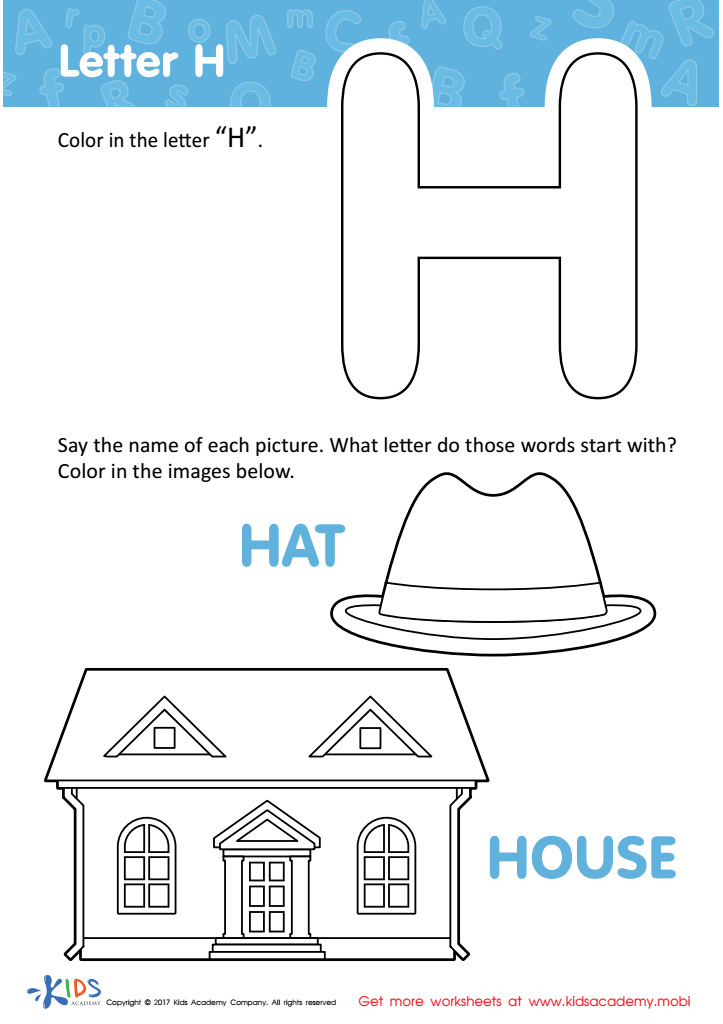
Letter H Coloring Sheet
Assign to My Students
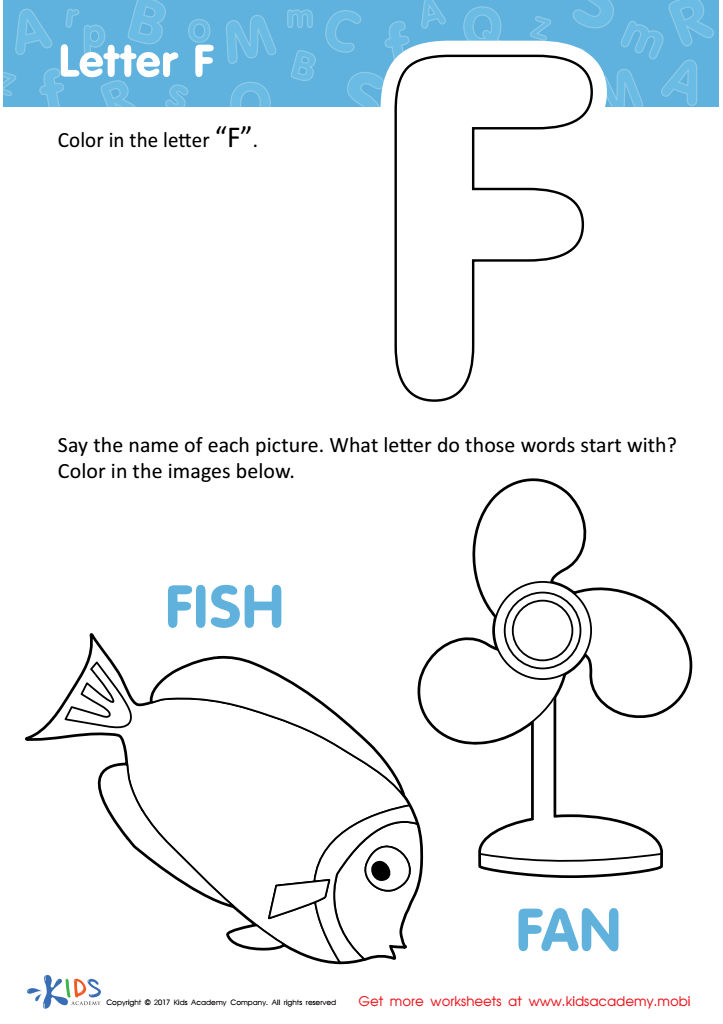
Letter F Coloring Sheet
Assign to My Students




Alphabet recognition is a crucial foundational skill for young children, particularly for those just starting their educational journey. For 3-year-olds, recognizing letters lays the groundwork for literacy development. When parents and teachers prioritize this skill, they are fostering essential cognitive abilities and promoting a love for learning.
Understanding the alphabet helps children decode language, which is essential for reading and writing. As they learn to identify letters, they also begin to associate sounds with them, enhancing their phonemic awareness. This early familiarity with letters can significantly boost their confidence and ability when they face more complex literacy tasks in the future.
Moreover, alphabet recognition can be a fun and engaging activity that sparks children's creativity and curiosity. Through games, songs, and interactive play, children can explore letters, turning learning into a positive experience. For parents, being active participants in this process strengthens the bond with their child, making learning a shared adventure.
In summary, focusing on alphabet recognition for young learners is paramount. It builds a strong foundation for future literacy skills, encourages a positive attitude toward learning, and enhances the parent-child or teacher-student relationship. Investing time and effort in this area can have lasting benefits for a child's educational journey.