Motor skills development Normal English for Beginners Worksheets for 3-Year-Olds
3 filtered results
Difficulty Level
Grade
Age
-
From - To
Subject
Activity
Standards
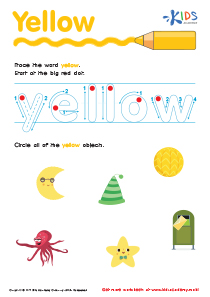
Our "Motor Skills Development Normal English for Beginners Worksheets for 3-Year-Olds" offer engaging activities designed to foster fine motor skills and early literacy in young learners. These worksheets combine fun illustrations with simple tasks tailored to strengthen hand-eye coordination, dexterity, and control. With exercises such as tracing, coloring, and matching, children build essential foundational skills while also enhancing their English language proficiency. Perfect for parents and educators, these printable worksheets provide a comprehensive approach to early childhood development, making learning an enjoyable and rewarding experience for your child. Download our free worksheets today and start your child on the path to success!
Favorites
With answer key
Interactive

Letter H Tracing Page
Trace the letter "H", then practice writing its lowercase form. Finally, choose your favorite form of transport and ride away! Get our worksheets to make learning fun and easy.
Letter H Tracing Page
Worksheet
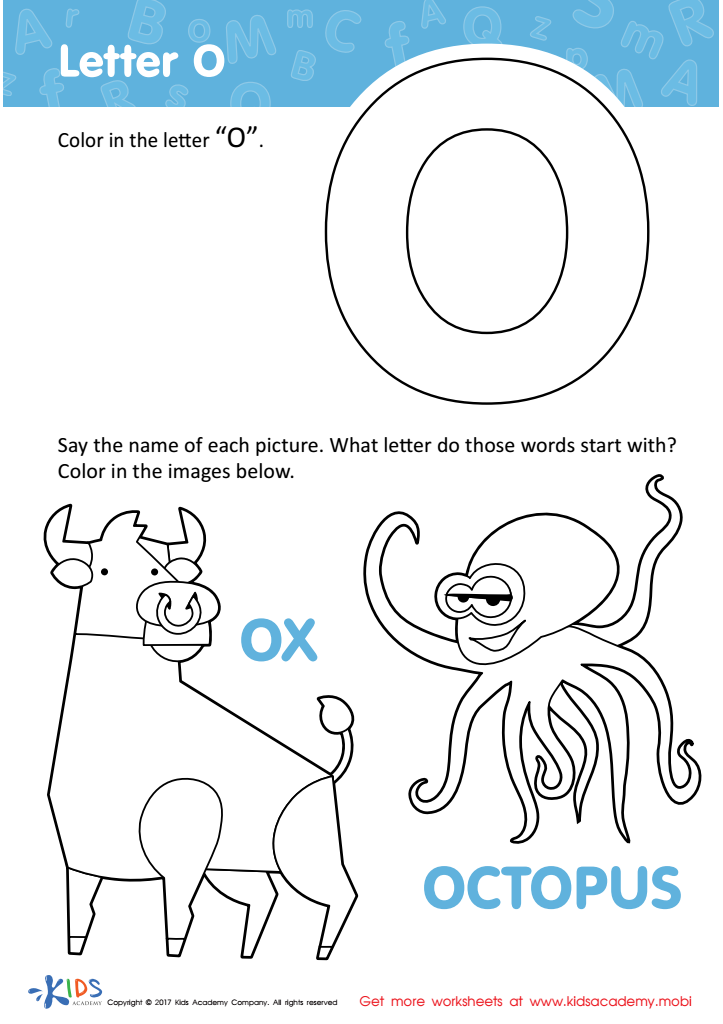
Letter O Coloring Sheet
Oh my! The letter "O" is so much fun. Coloring in the octopus and ox on this delightful letter "O" coloring page can help your child have fun while strengthening their recognition of the letter and sound.
Download (PDF)
 Assign to My Students
Assign to My Students
Letter O Coloring Sheet
Worksheet
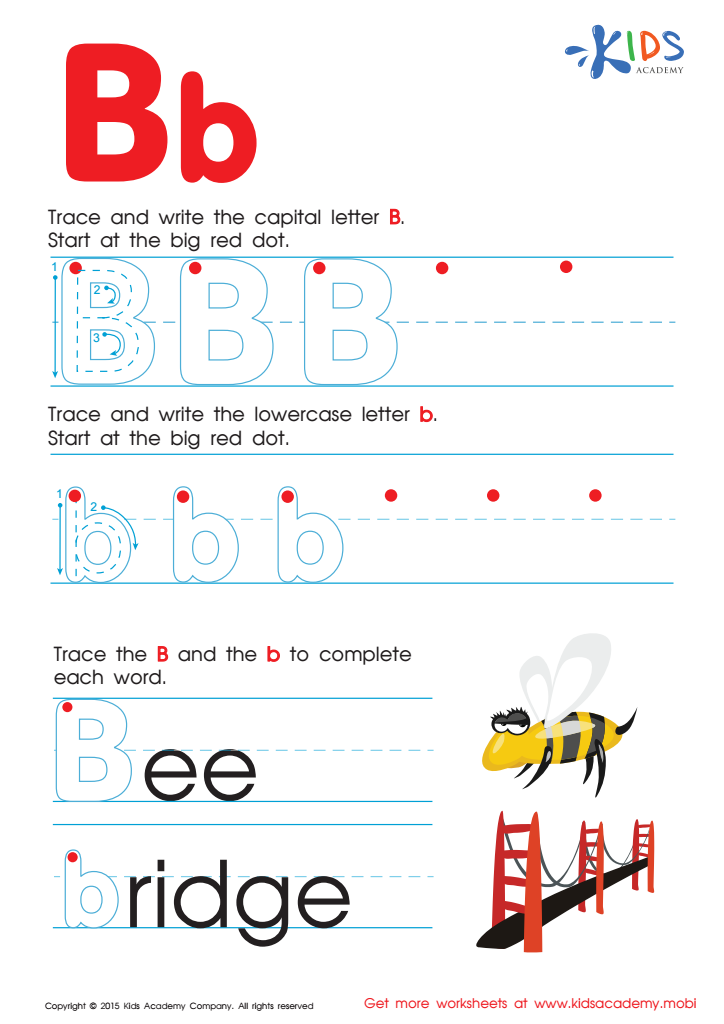
Letter B Tracing Page
Ready to learn the Alphabet? Put your pencil on the red dot and trace & write both capital & lowercase "B". Then have a look at the pictures. Catch the bee, cross the bridge & write the letters to complete the words. More ABC worksheets for kindergarten available!
Letter B Tracing Page
Worksheet
Join Kids Academy for Free
Who is primarily going to use this learning content?




Motor skills development is crucial for 3-year-olds because it affects their everyday activities and overall growth. These skills include both fine motor skills (small movements like drawing or picking up small objects) and gross motor skills (larger movements like running and jumping). When young children practice these skills, they build muscles and improve coordination, which helps them become more independent and confident.
For parents, encouraging motor skills means giving children the tools to do things on their own, like dressing themselves or turning pages in a book. This independence not only makes family life easier but also boosts the child's self-esteem. Plus, these skills are foundational for later tasks like writing and sports.
Teachers, on the other hand, find that children with well-developed motor skills are better able to participate in classroom activities. Simple tasks like cutting paper or holding a pencil properly are easier, which enhances learning. Activities like playdough shaping or building blocks also make learning more interactive and fun.
In summary, by paying attention to motor skill development, both parents and teachers can help young children improve their physical abilities, gain confidence, and prepare for future learning and daily activities. It's a key part of growing up that deserves attention and encouragement.