Shape identification Normal 2D Shapes Worksheets for 3-Year-Olds
3 filtered results
-
From - To
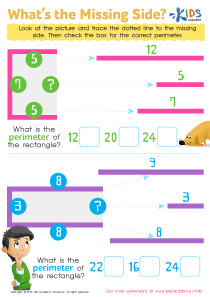
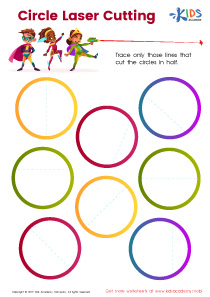
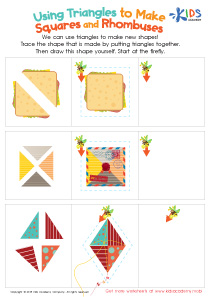
Welcome to our Shape Identification Normal 2D Shapes Worksheets for 3-Year-Olds! Designed to enhance early math skills, these engaging worksheets help young learners recognize and name basic 2D shapes, including circles, squares, triangles, and rectangles. Perfect for preschool and kindergarten environments, our colorful printables make learning fun and interactive. Each worksheet includes various activities, such as tracing, matching, and coloring, all aimed at reinforcing shape recognition and understanding. Encourage creativity and critical thinking while laying a solid foundation for future geometry skills. Start your child's educational journey with our vibrant and stimulating shape identification worksheets today!
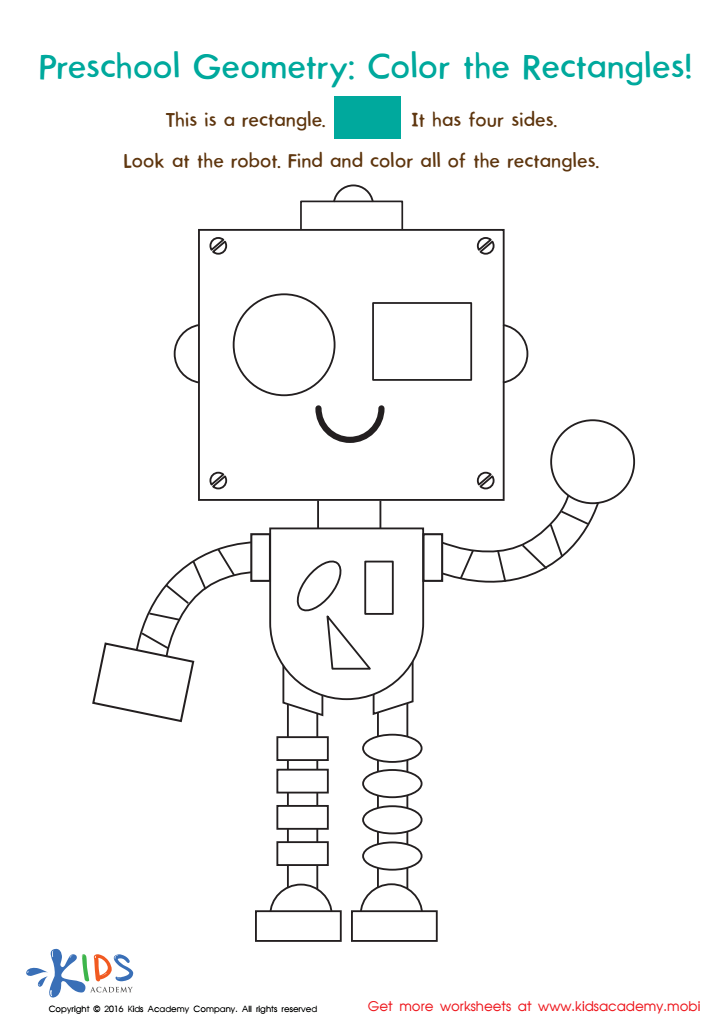
Geometry Worksheet
 Assign to My Students

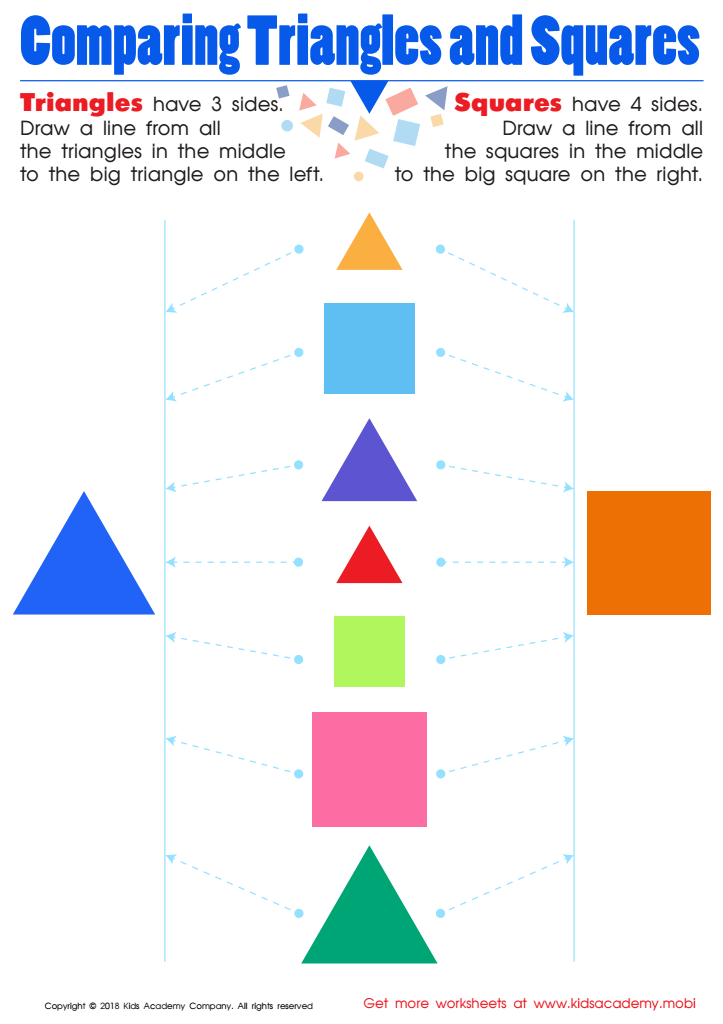
Comparing Triangles Squares Worksheet
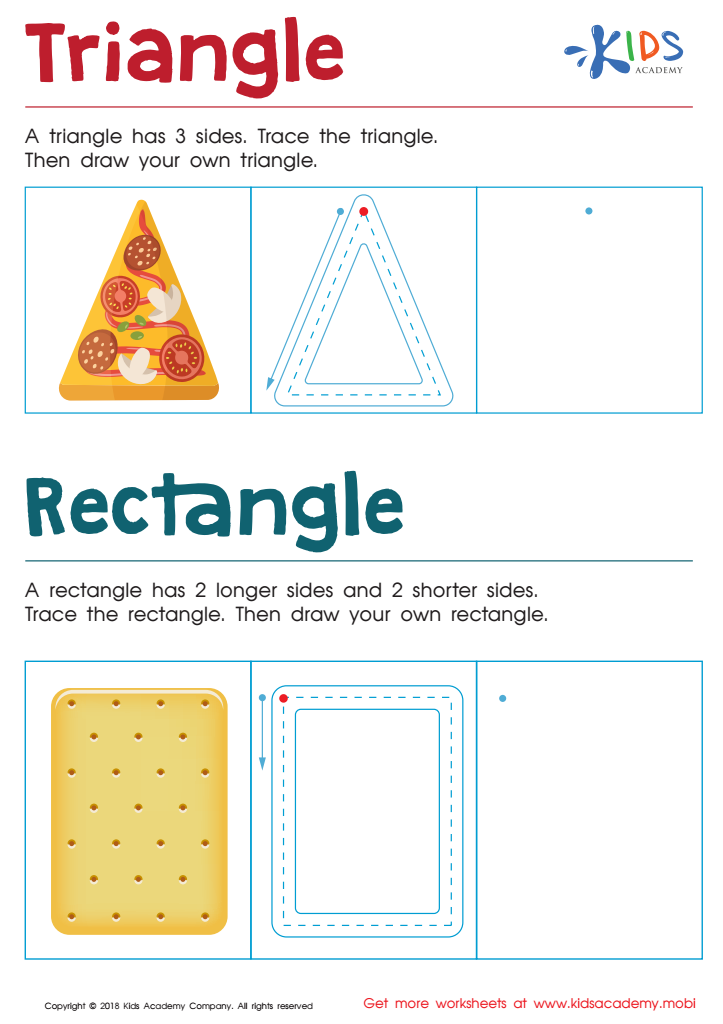
Triangle Rectangle Worksheet








Shape identification is a crucial aspect of early childhood education, particularly for 3-year-olds. Parents and teachers should care about this foundational skill for several reasons.
First, recognizing and naming 2D shapes enhances a child’s cognitive development. When children learn to identify shapes, they begin to understand spatial relationships, which lays the groundwork for more complex mathematical concepts later on. Understanding shapes also cultivates critical thinking and problem-solving skills as children learn to categorize and differentiate objects in their environment.
Secondly, shape identification supports language development. As children learn the names of different shapes, they expand their vocabulary and improve their communication skills. Teachers and parents can encourage discussions about shapes, enabling children to articulate their observations and thoughts.
Moreover, shape recognition is linked to fine motor skills development. Activities such as tracing, cutting, or assembling shape puzzles help improve hand-eye coordination and dexterity.
Lastly, familiarizing young children with shapes can boost their self-esteem. Mastering new concepts encourages a sense of accomplishment, motivating them to explore and learn further.
In summary, promoting shape identification for 3-year-olds nurtures critical cognitive, language, and motor skills, which are essential for their overall development and future academic success.