Critical Thinking Normal Building Vocabulary Worksheets for 3-Year-Olds
3 filtered results
-
From - To
Explore our engaging "Critical Thinking Normal Building Vocabulary Worksheets" designed specifically for 3-year-olds! These worksheets encourage the development of crucial thinking skills while expanding vocabulary. Each activity is tailored to be age-appropriate, using fun illustrations and interactive tasks that captivate young minds. Children will learn to categorize objects, identify similarities and differences, and enhance their language skills in an enjoyable way. Our worksheets not only foster a love for learning but also help little ones start to build their vocabulary effectively. Perfect for parents and educators seeking to nurture critical thinking in early childhood education. Start their journey today!
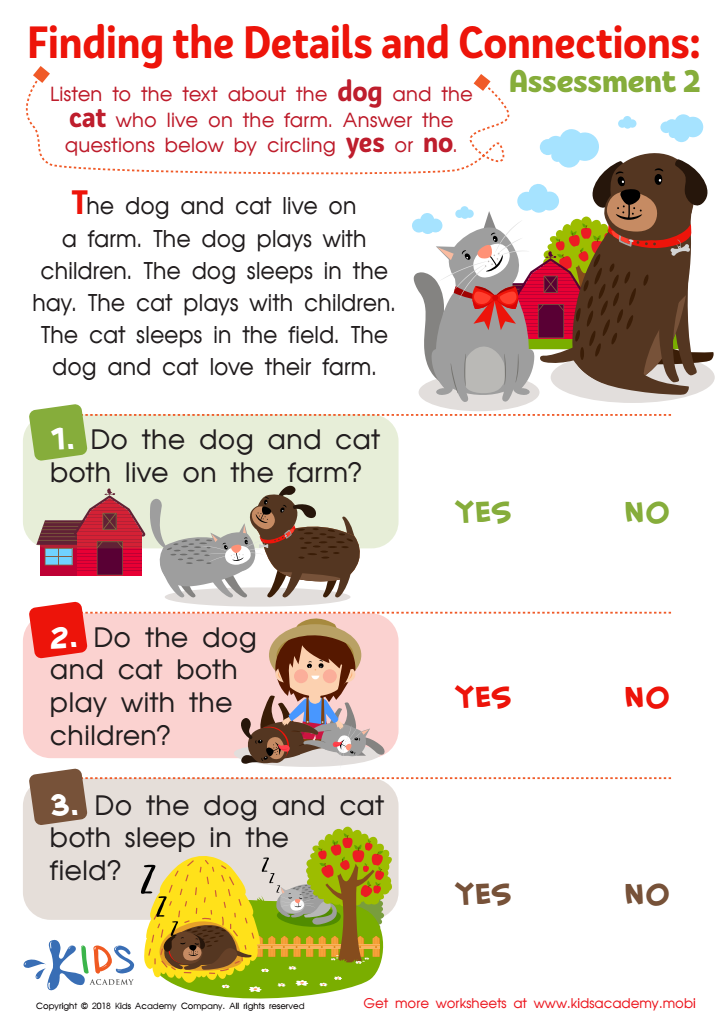
Finding the Details and Connections: Assessment 2 Worksheet
 Assign to My Students











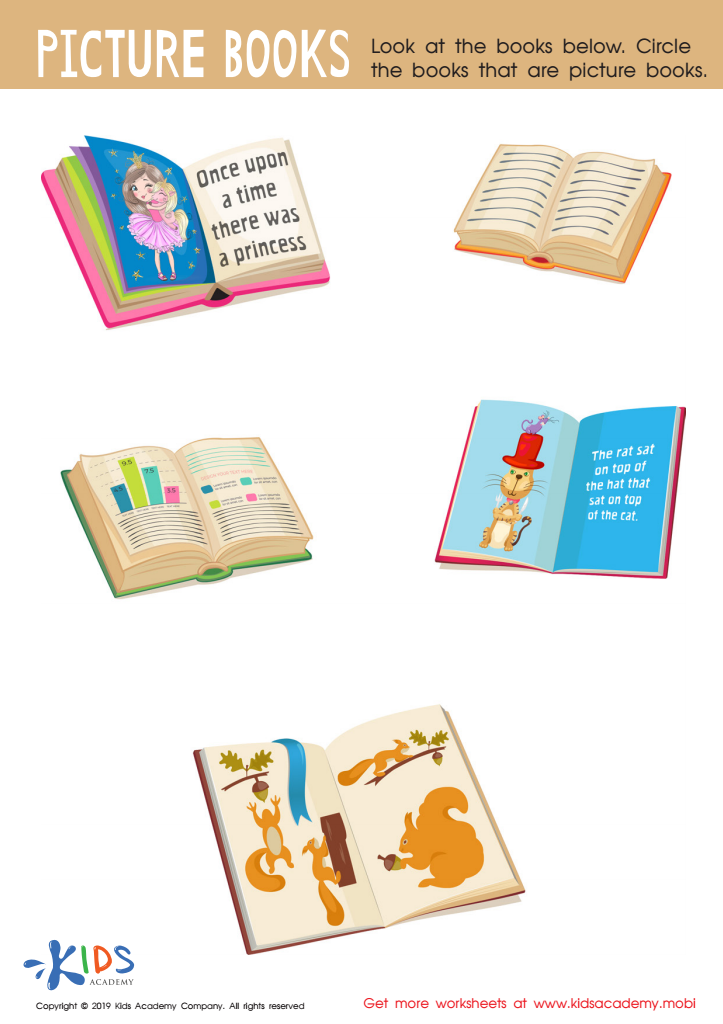
Picture Books Worksheet
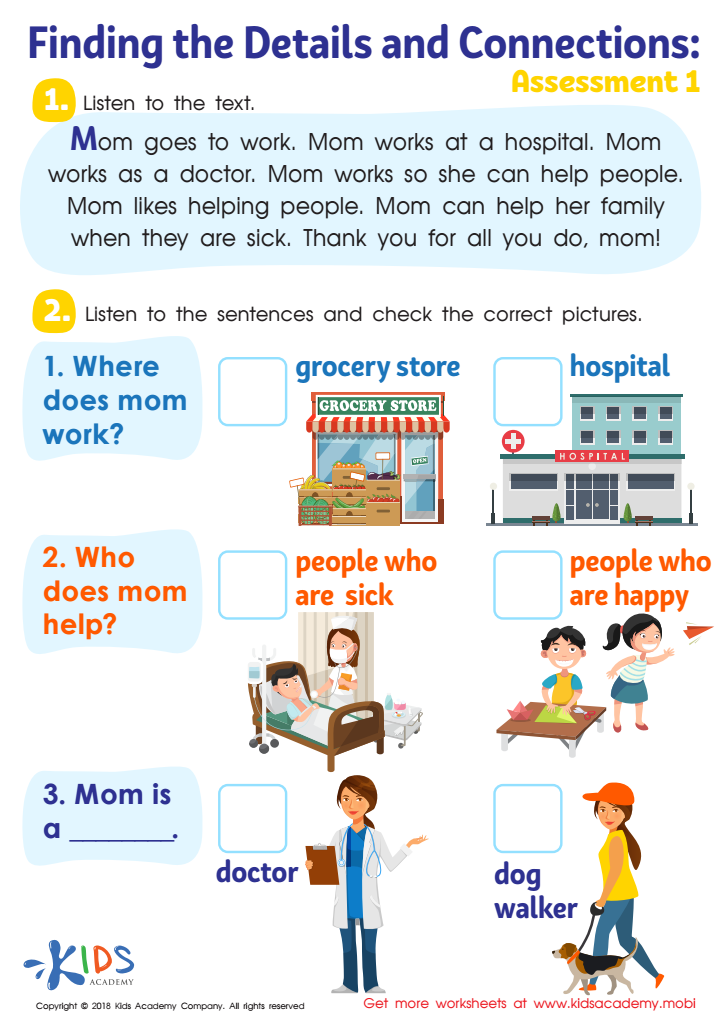
Finding the Details and Connections: Assessment 1 Worksheet



.jpg)




Critical thinking and vocabulary development are crucial at the age of three, laying the foundation for lifelong learning and problem-solving skills. During this formative period, children's brains are at their most receptive, making it the ideal time to enrich their language and critical thinking capabilities.
When parents and teachers focus on building vocabulary, they empower children to express themselves, understand their world, and engage with others. A robust vocabulary fosters effective communication, allowing children to articulate their thoughts, feelings, and questions, which builds confidence and social skills.
Critical thinking acts as a scaffold for cognitive development. By encouraging children to explore, ask questions, and make connections, we nurture their ability to analyze situations and make informed decisions. Simple activities like asking “Why?” or “What do you think?” encourage cognitive discourse.
Moreover, a well-rounded vocabulary aids in comprehension skills, crucial for later literacy and academic success. Parents and teachers can weave vocabulary-building into daily routines, playing games, reading together, and discussing everyday occurrences. By integrating these practices, we prepare children not only for educational success but also for navigating challenges in everyday life, nurturing inquisitive and thoughtful individuals ready to engage with the world around them.








