Letter Tracing Normal ABC Letters Worksheets for Ages 4-5
4 filtered results
-
From - To
Jumpstart your child’s writing journey with our Letter Tracing Normal ABC Letters Worksheets, designed specifically for ages 4-5! These interactive worksheets from Kids Academy offer an engaging way for young learners to master each letter of the alphabet. Featuring clear dotted lines, vibrant illustrations, and free-to-print resources, these sheets help children develop their fine motor skills, letter recognition, and handwriting. Perfect for preschoolers and kindergarteners, our worksheets ensure that your kids have fun while building a strong foundation for future literacy success. Download now and watch your child progress effortlessly in their alphabet learning skills!
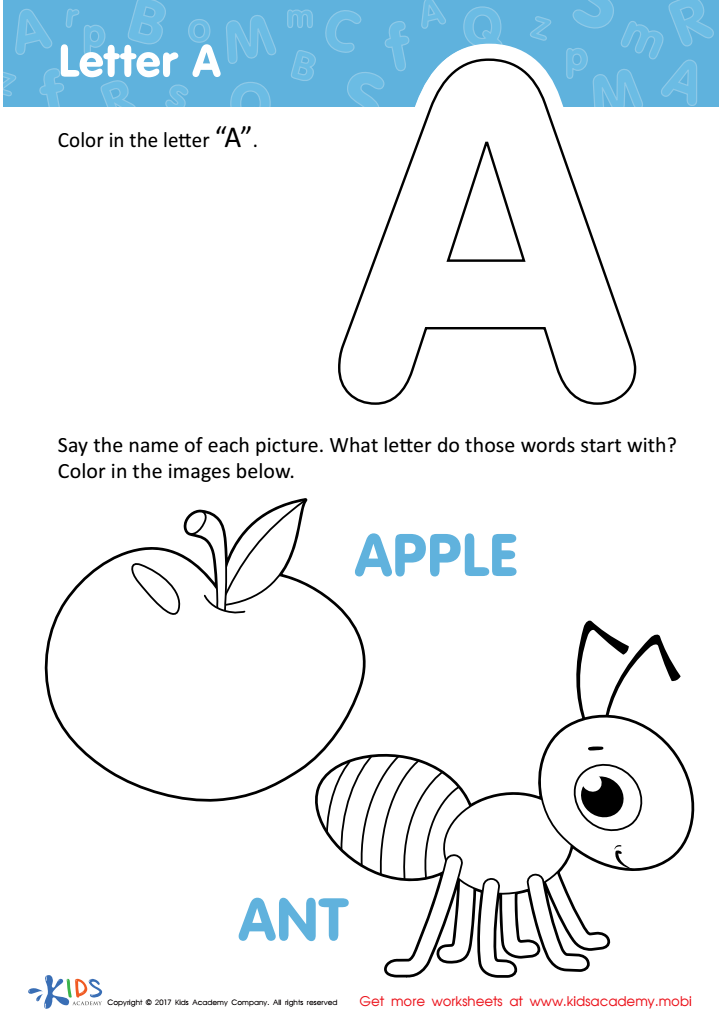
Letter A Coloring Sheet
 Assign to My Students







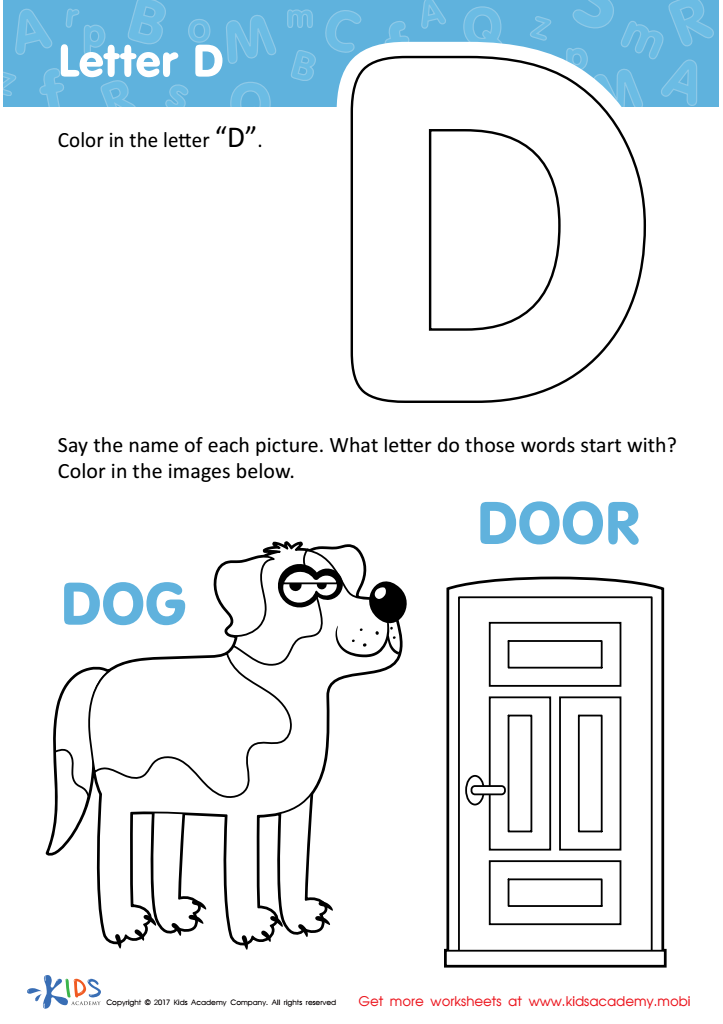
Letter D Coloring Sheet
Assign to My Students
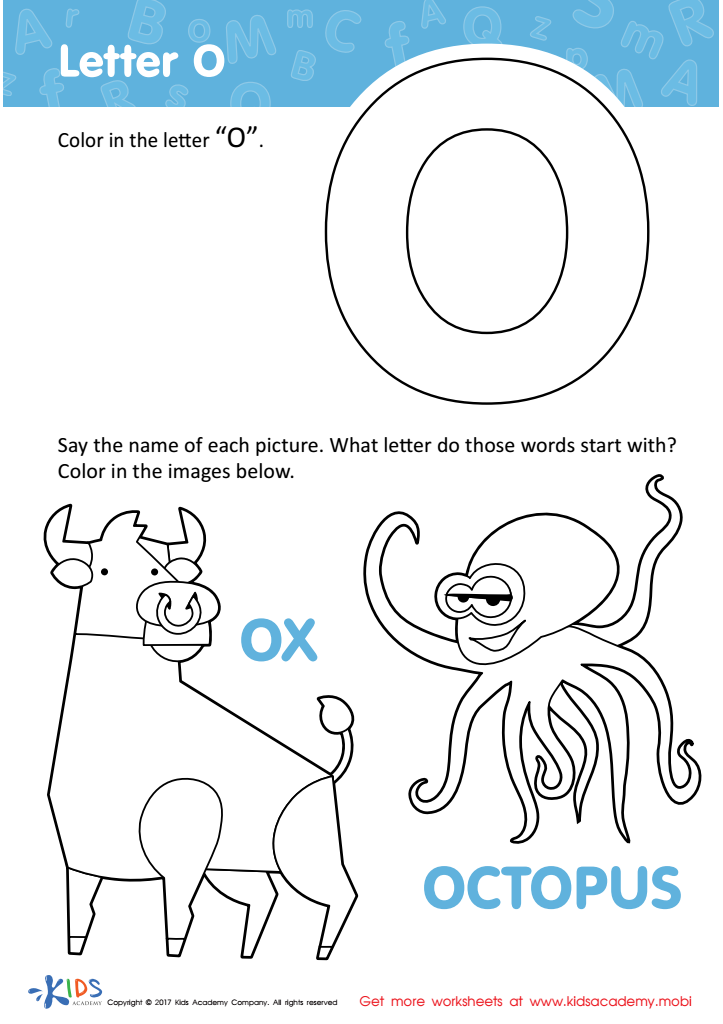
Letter O Coloring Sheet
Assign to My Students
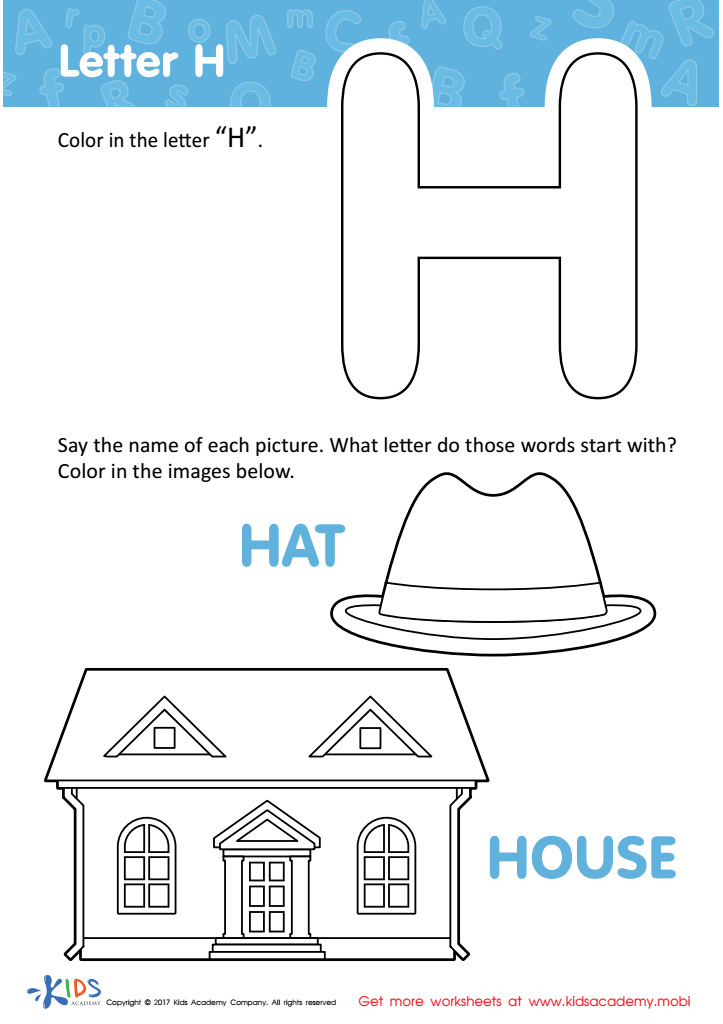
Letter H Coloring Sheet
Assign to My Students





Teaching children aged 4-5 to trace normal ABC letters is fundamental for their early development in literacy and fine motor skills. Firstly, letter tracing helps young learners recognize and memorize the shapes and forms of the alphabet, providing a strong foundation for reading and writing. Familiarity with letters enhances their ability to connect sounds to written symbols, an essential step in phonics, which is crucial for reading fluency.
Moreover, the physical act of tracing improves fine motor skills and hand-eye coordination, enabling children to gain better control over writing instruments. This control is essential not just for writing, but also for other tasks requiring precision and dexterity like drawing, using scissors, and eventually, typing.
Letter tracing also instills a sense of accomplishment. Completing tracing tasks successfully can bolster self-confidence and foster a positive attitude towards learning. Interactive and engaging tracing activities keep children interested, making learning feel like play rather than a chore.
Furthermore, early exposure to writing aids cognitive development, including task focus and pattern recognition. By investing in letter tracing activities, parents and teachers equip children with the tools they require for future educational success, as these skills are quintessential building blocks for more complex literacy and learning activities.







