Motor skills development Normal ABC Letters Worksheets for Ages 4-5
3 filtered results
-
From - To
Enhance your child's motor skills with our engaging "Normal ABC Letters Worksheets" designed for ages 4-5. These worksheets offer captivating activities that promote fine motor development while reinforcing letter recognition and writing skills. Your little learners will enjoy tracing, coloring, and practicing their handwriting as they explore the alphabet in a fun and interactive way. Our carefully crafted worksheets support early literacy while improving hand-eye coordination and dexterity. Perfect for parents and teachers alike, these resources ensure a well-rounded approach to learning. Foster essential skills in your child's formative years and set them on a path to academic success with our free, easy-to-use worksheets.

Letter H Tracing Page











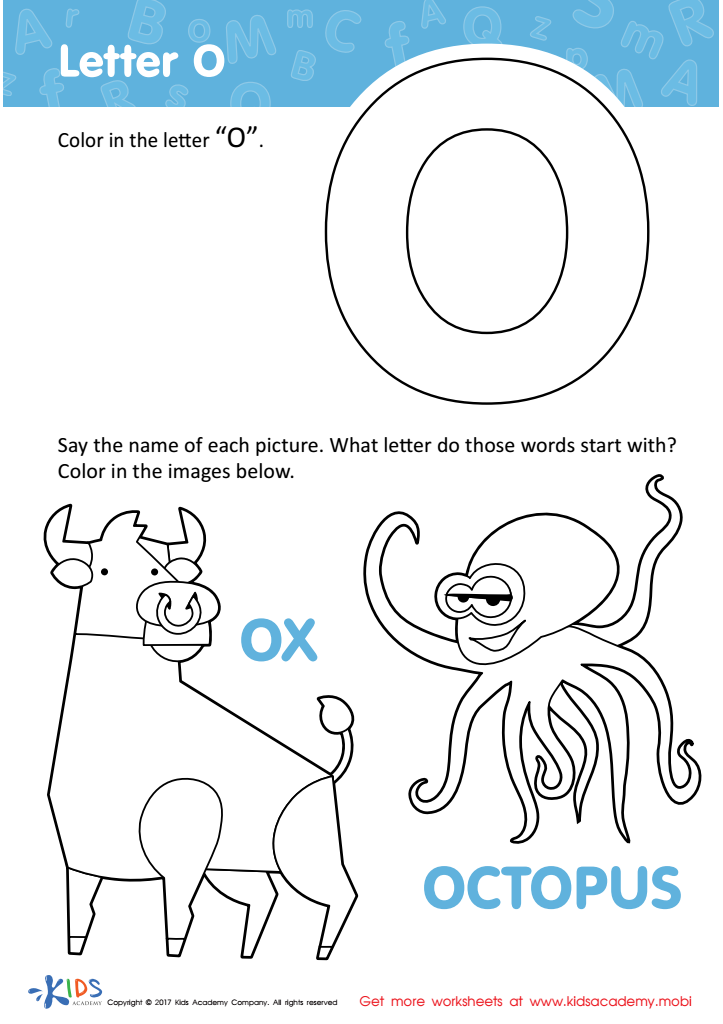
Letter O Coloring Sheet
 Assign to My Students
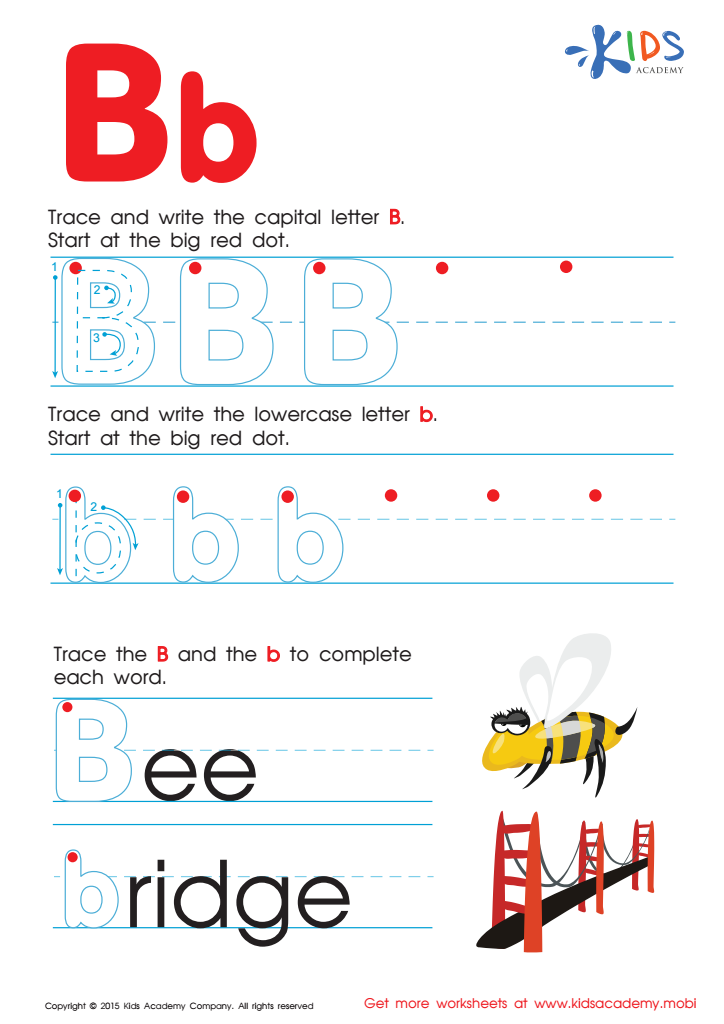
Letter B Tracing Page






Motor skills development is crucial for young children, especially for ages 4-5, as it's foundational for their overall growth and learning. During this stage, children refine their fine motor skills through activities like manipulating objects, drawing, and tracing letters, which are essential for developing normal ABC letter formation. Parents and teachers should care about this process because proficiency in motor skills directly impacts a child's academic success and confidence.
Strong motor skills enhance a child's ability to write, which is vital for other educational tasks such as completing assignments and expressing ideas coherently. Furthermore, as children interact with letters, they improve their hand-eye coordination, spatial awareness, and dexterity, which are fundamental not only for writing but also for other daily activities.
Moreover, encouraging motor skills through play allows for emotional and social development by facilitating cooperative activities. When adults engage in this development, they foster a nurturing environment where children thrive. Ultimately, prioritizing motor skills development equips children with critical abilities that support their academic journey, leading to greater self-esteem, eagerness to learn, and preparedness for future challenges. Investing in these skills sets children on a path toward lifelong learning and success.







