Phonics recognition Normal Alphabet Worksheets for Ages 4-5
5 filtered results
-
From - To
Discover our engaging Phonics Recognition Normal Alphabet Worksheets designed for children aged 4-5. These worksheets foster early literacy skills, helping young learners connect sounds with letters through fun activities. Each worksheet includes vibrant illustrations and interactive exercises that promote phonetic awareness, ensuring kids develop a solid foundation in reading. As children practice letter sound recognition, they gain confidence and familiarity with the alphabet. Our materials are carefully crafted to keep little ones excited while they learn. Perfect for parents, teachers, and caregivers, these printable worksheets are an essential resource for nurturing a love of learning in early childhood education.
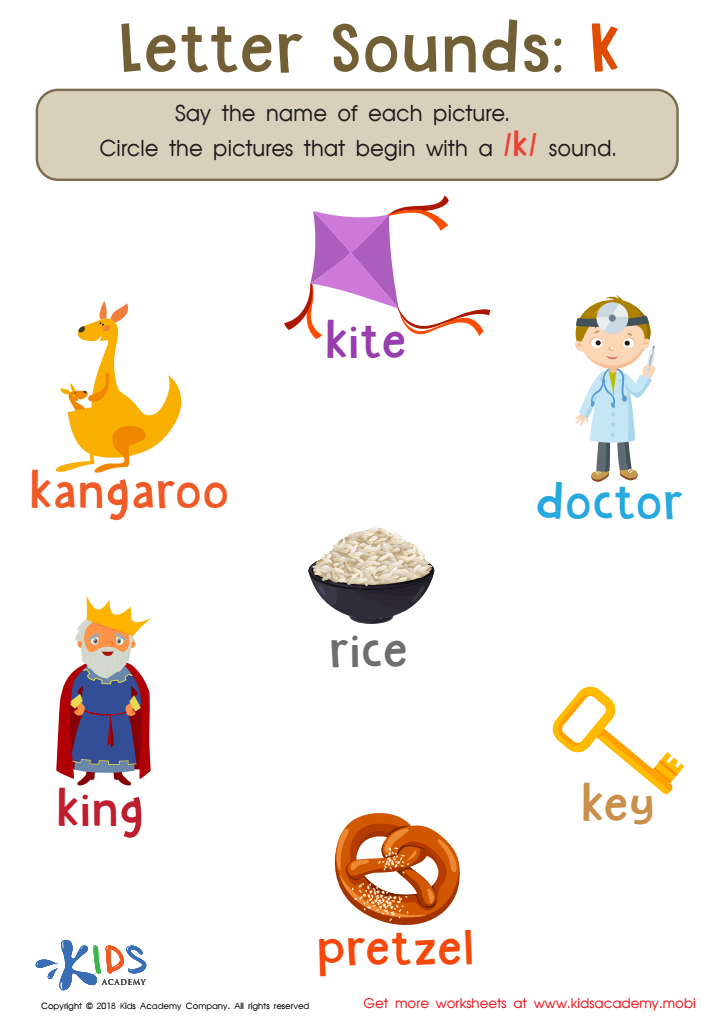
Letter K Sounds Worksheet
 Assign to My Students
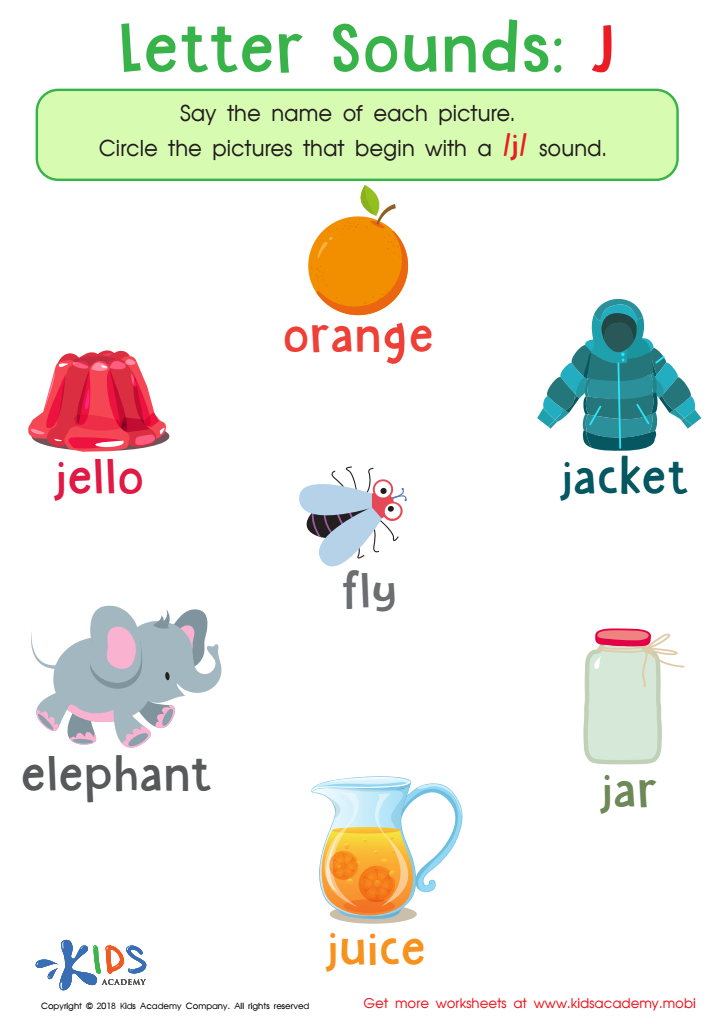
Letter Sounds: J Printable Worksheet
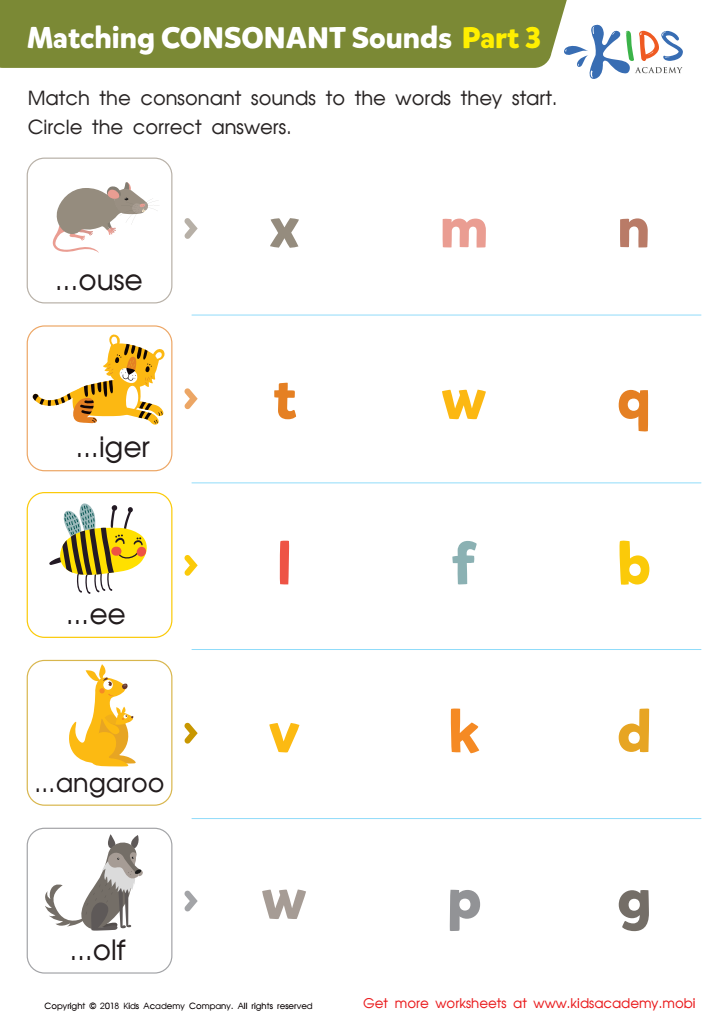
Matching Consonant Sounds: Part 3 Worksheet
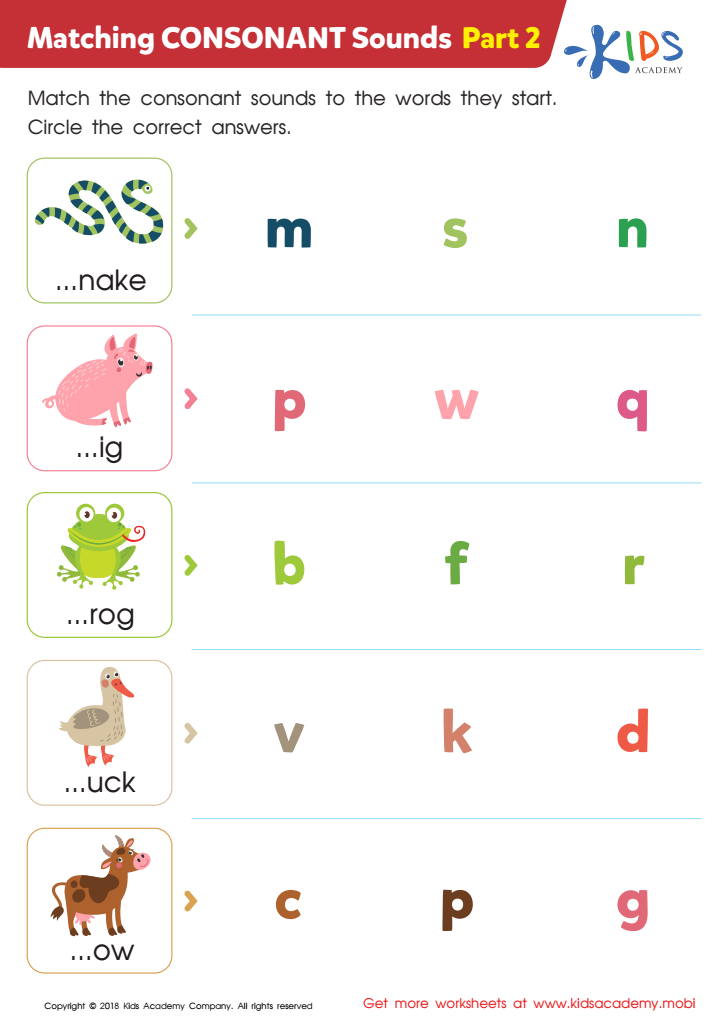
Matching Consonant Sounds: Part 2 Worksheet
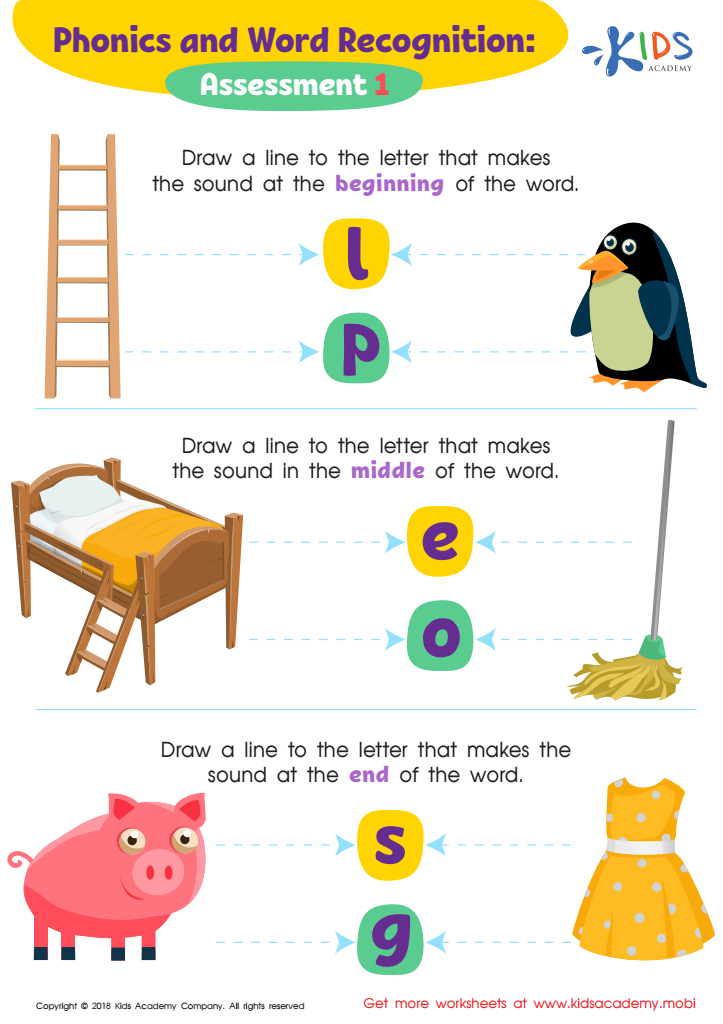
Phonics and Word Recognition: Assessment 1 ELA Worksheet








Phonics recognition of the normal alphabet is crucial for children aged 4-5 as it lays the foundation for reading and writing skills. At this age, children are in a critical period for language development, and understanding phonics helps them connect sounds with letters. This knowledge is vital for decoding words, which is a key component of reading fluency.
When parents and teachers prioritize phonics, they equip children with the skills necessary to recognize letters, phonemes, and word patterns. This early intervention can help deter reading difficulties later in life and foster a lifelong love for reading. Additionally, children who master phonics are more likely to perform better academically, enhancing their confidence and motivation.
Moreover, phonics instruction stimulates cognitive development by encouraging children to think critically about sounds and symbols. It also supports language skills, aiding in vocabulary expansion and grammar understanding. For parents and teachers, being engaged in phonics education creates a supportive learning environment, integrating playful and interactive activities that promote engagement. Ultimately, by nurturing phonics recognition, we are setting children on a path to successful literacy, ensuring they can express themselves effectively and navigate the world around them with confidence.







