Problem-Solving Skills Normal Alphabet Worksheets for Ages 4-5
3 filtered results
-
From - To
Introduce your little learners to problem-solving skills with our engaging normal alphabet worksheets designed specifically for ages 4-5! These fun, interactive activities foster critical thinking as children navigate through puzzles, patterns, and challenges involving letters. Each worksheet is tailored to enhance cognitive development while reinforcing essential alphabet recognition. Perfect for at-home learning or classroom activities, our resources promote not just literacy but also creativity and analytical thinking. Watch as your child gains confidence in tackling obstacles, all while having fun with the alphabet! Download these worksheets today and support your child’s journey towards independent problem-solving skills!
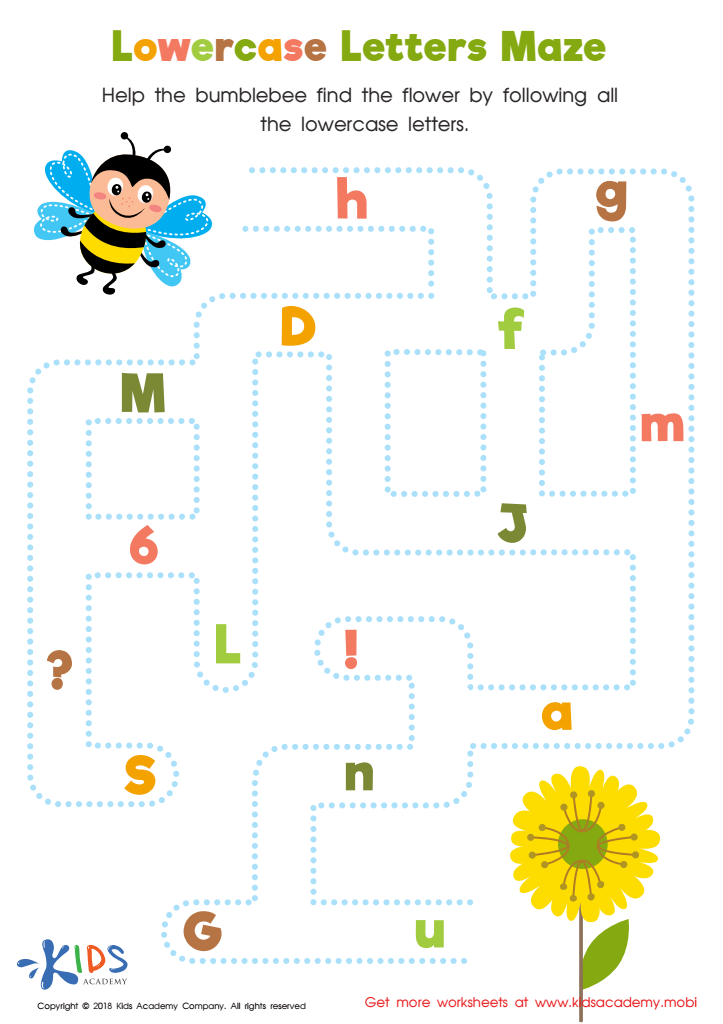
Lowercase Letters Maze Worksheet
 Assign to My Students
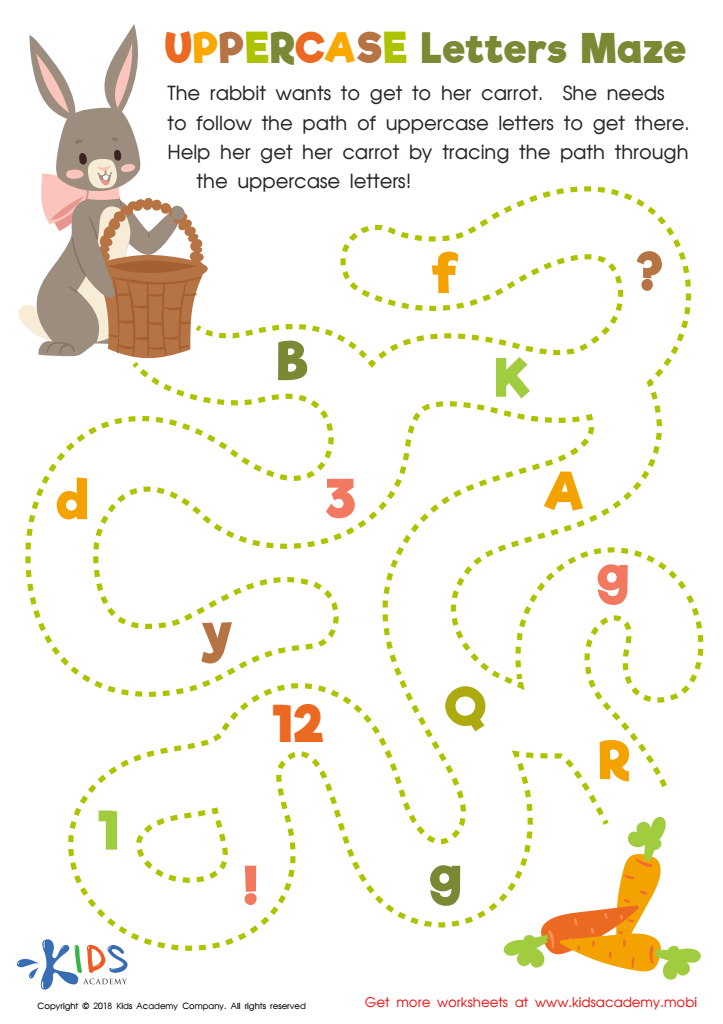
Uppercase Letters Maze Worksheet
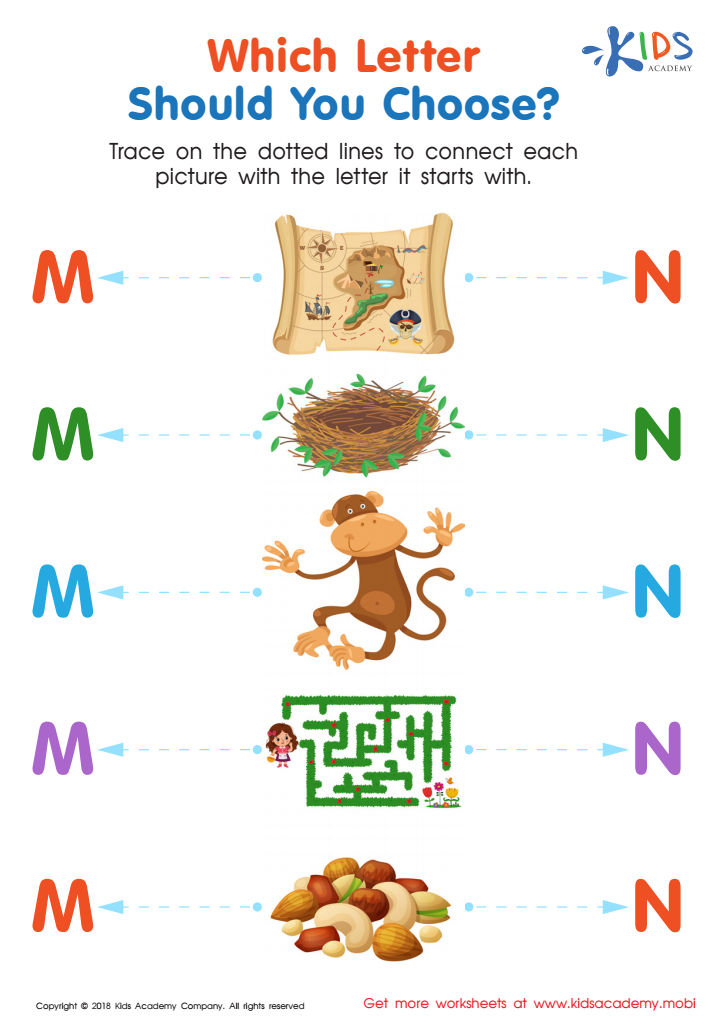
Which Letter Should you Choose? Worksheet






Parents and teachers should prioritize problem-solving skills in children aged 4-5 because these skills lay the foundation for future learning and personal development. At this early age, children begin to explore their environment and encounter various challenges. By fostering problem-solving abilities, we empower them to think critically and creatively, which enhances independence and confidence in their decision-making.
Developing these skills at a young age aids in cognitive growth, helping children learn how to analyze situations, generate ideas, and evaluate possible solutions. Additionally, problem-solving encourages social interaction as children often work together to complete tasks or resolve conflicts, fostering teamwork and communication skills.
Moreover, nurturing problem-solving skills aligns with essential academic learning areas, including math and literacy. When children learn to approach problems systematically, they become resilient thinkers who can adapt to new information and unexpected challenges.
Incorporating problem-solving activities—such as puzzles, games, and hands-on projects—can engage young minds while making learning enjoyable. Ultimately, investing in these skills now prepares children not only for successful academic experiences but also for lifelong learning and adaptability in an ever-changing world. So, parents and teachers should actively support and cultivate problem-solving skills in early childhood education.







