
Vocabulary Building Normal Alphabet Worksheets for Ages 4-5
5 filtered results
Difficulty Level
Grade
Age
-
From - To
Subject
Activity
Standards
Explore our engaging "Vocabulary Building Normal Alphabet Worksheets for Ages 4-5." Designed specifically for young learners, these worksheets make learning the alphabet fun and effective. Through a variety of activities, children will enhance their vocabulary, letter recognition, and phonics skills. Colorful illustrations and interactive tasks help kids connect letters with words and meanings, fostering early literacy. Ideal for preschool and kindergarten, our worksheets support essential learning milestones in an enjoyable way. Whether for home or classroom use, they provide a solid foundation for future reading and writing success. Unlock your child's potential with our expertly crafted resources.
Favorites
With answer key
Interactive
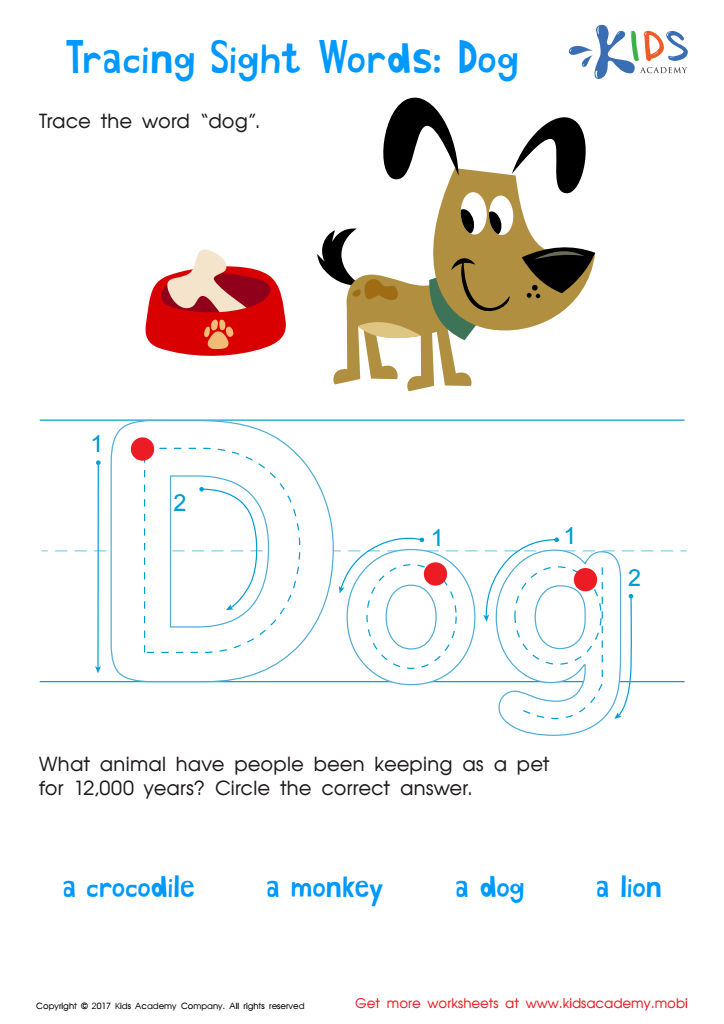
Dog Worksheet Sight Words Worksheet
Get your kids excited to read with our dog-themed sight words worksheet!
Excite your child to read with our sight words worksheet: dog edition! Featuring a lovable dog character to put a smile on any kid's face, this worksheet helps kids practice reading and writing the word "dog". Build a library of words they can read quickly and promote increasing literacy skills with early fluency! Get them ready for reading with our dog-themed sight words worksheet!
Dog Worksheet Sight Words Worksheet
Worksheet
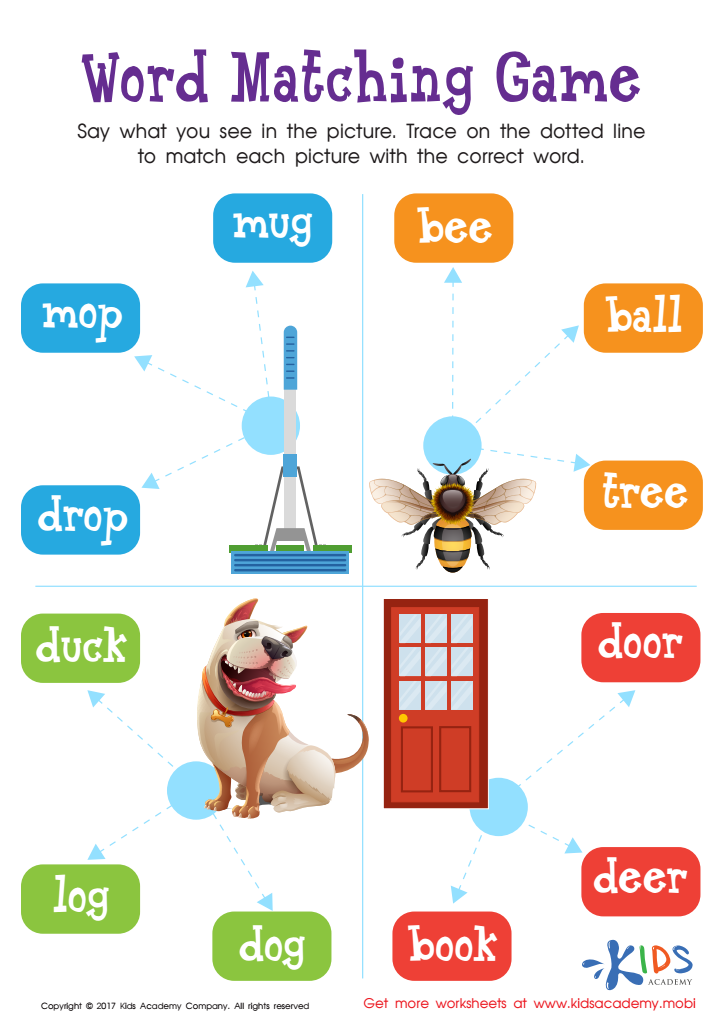
Word Matching Game Worksheet
Help your early reader develop prereading skills with this fun matching worksheet! Visual cues help them learn sight words, decode words in word families, and identify phonetic patterns. They'll practice discerning sounds past initial consonants while saying the name of the picture and finding the matching word - and reading at the same time!
Word Matching Game Worksheet
Worksheet
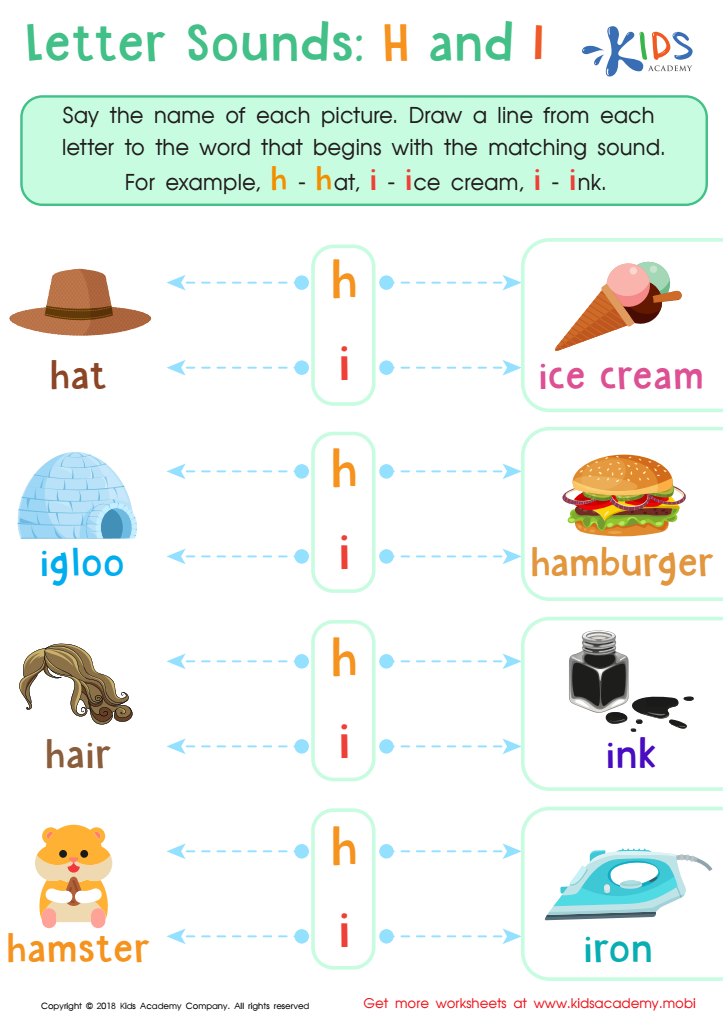
Letter H and I Sounds Worksheet
Preschoolers will have fun and develop reading and writing skills at the same time! They'll use pictures to recognize familiar words and differentiate between 'H' and 'I' sounds. Then they'll trace lines to connect each sound to the picture, improving their fine-motor skills. Bright and cheerful visuals make learning a breeze!
Letter H and I Sounds Worksheet
Worksheet
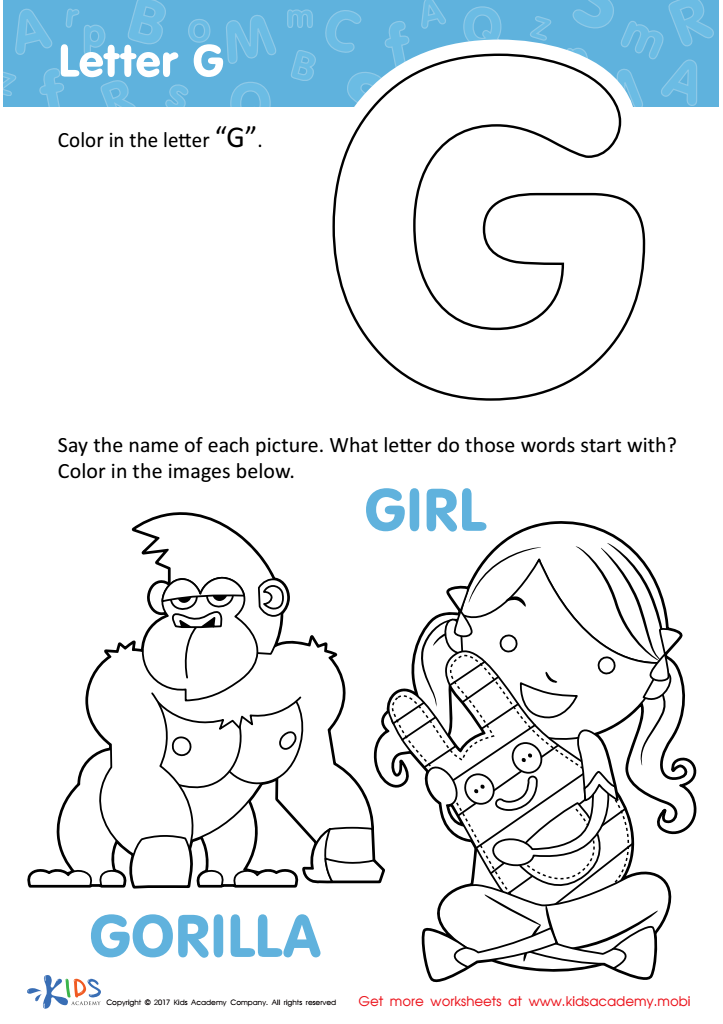
Letter G Coloring Sheet
This "G" coloring page encourages creativity and teaches kids the letter "G" sound. With its fun visuals and familiar words, it's sure to excite your child. Plus, you can talk about the letter’s sound with the pictures given.
Download (PDF)
 Assign to My Students
Assign to My Students
Letter G Coloring Sheet
Worksheet
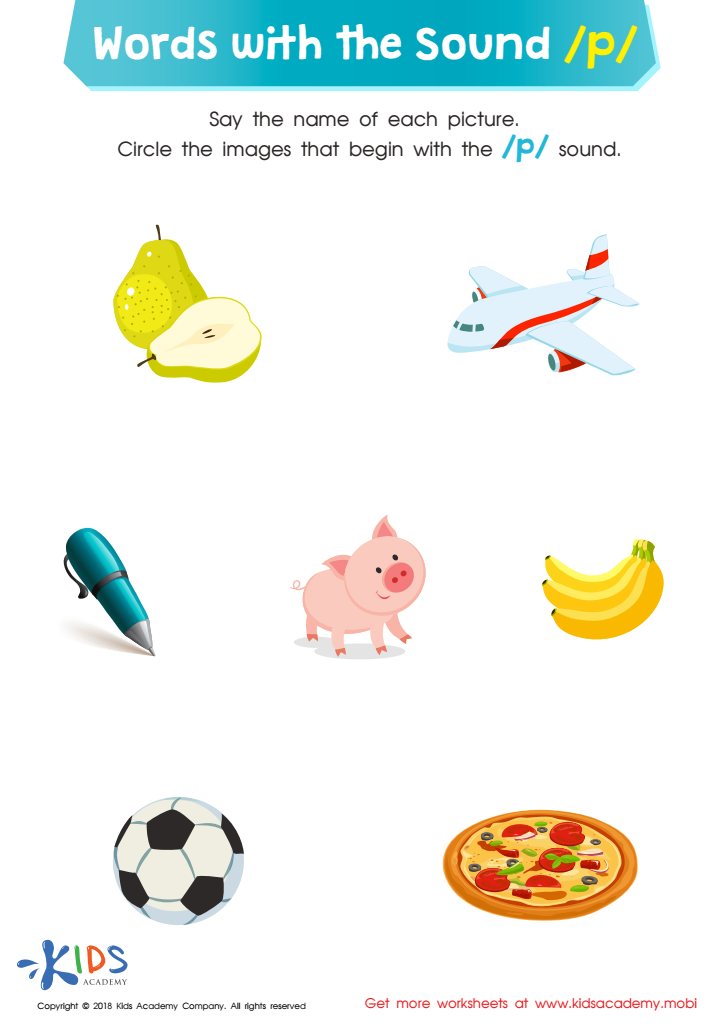
Words with sound p Reading Worksheet
Working on this fun worksheet? Name each picture aloud and listen carefully before circling those that start with the letter «p»! Pizza, pig, plane, or banana - practice phonics to help your child recognize the letter «p» sound for successful early reading and decoding!
Words with sound p Reading Worksheet
Worksheet
Join Kids Academy for Free
Who is primarily going to use this learning content?








Vocabulary building at ages 4-5 is crucial as it sets the foundation for effective communication, literacy, and academic success. At this developmental stage, children are rapidly expanding their language skills, and a rich vocabulary allows them to express themselves more precisely and understand others. Engaging with a normal alphabet is essential because it introduces them to the building blocks of language through letters, sounds, and words in a systematic and developmentally appropriate manner.
For parents and teachers, focusing on vocabulary can enhance a child's ability to understand stories, follow directions, and engage socially with peers, making day-to-day interactions more meaningful. A broad vocabulary also prepares children for reading; recognizing a variety of words can make the early stages of learning to read smoother and more enjoyable. Moreover, numerous studies indicate a strong correlation between vocabulary size in early childhood and later academic achievement.
By involving children in alphabet games, read-aloud sessions, and word-related activities, teachers and parents can create a fun and immersive language environment. This early focus on vocabulary through the normal alphabet can nurture a lifelong love for reading and learning, giving children a head start in their educational journey.







