Writing practice Normal Alphabet Worksheets for Ages 4-5
6 filtered results
-
From - To
Enhance early literacy skills with our "Writing Practice Normal Alphabet Worksheets" designed for ages 4-5. These engaging worksheets from Kids Academy provide a fun, supportive environment for young learners to develop their alphabet writing proficiency. Each worksheet aims to strengthen fine motor skills and hand-eye coordination while making learning enjoyable and interactive. Perfect for classroom or home use, they help children recognize letter shapes, practice proper letter formation, and gain confidence in writing. Encourage your child's educational journey with these expertly crafted resources, and watch their writing abilities flourish! Download now for a head start on amazing writing skills.
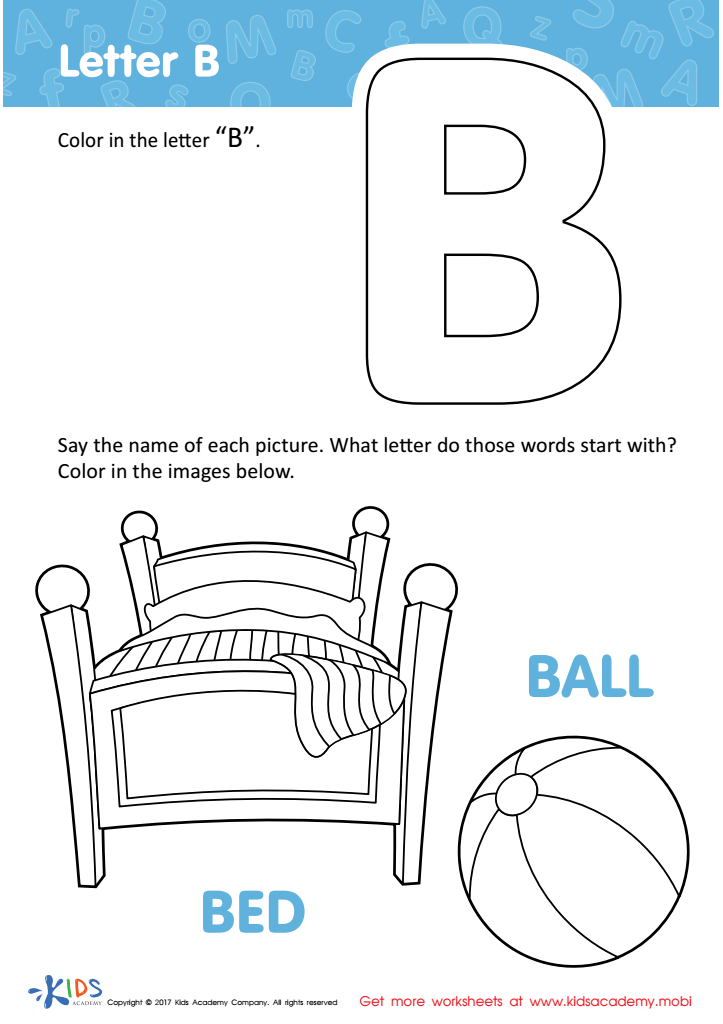
Letter B Coloring Sheet
 Assign to My Students
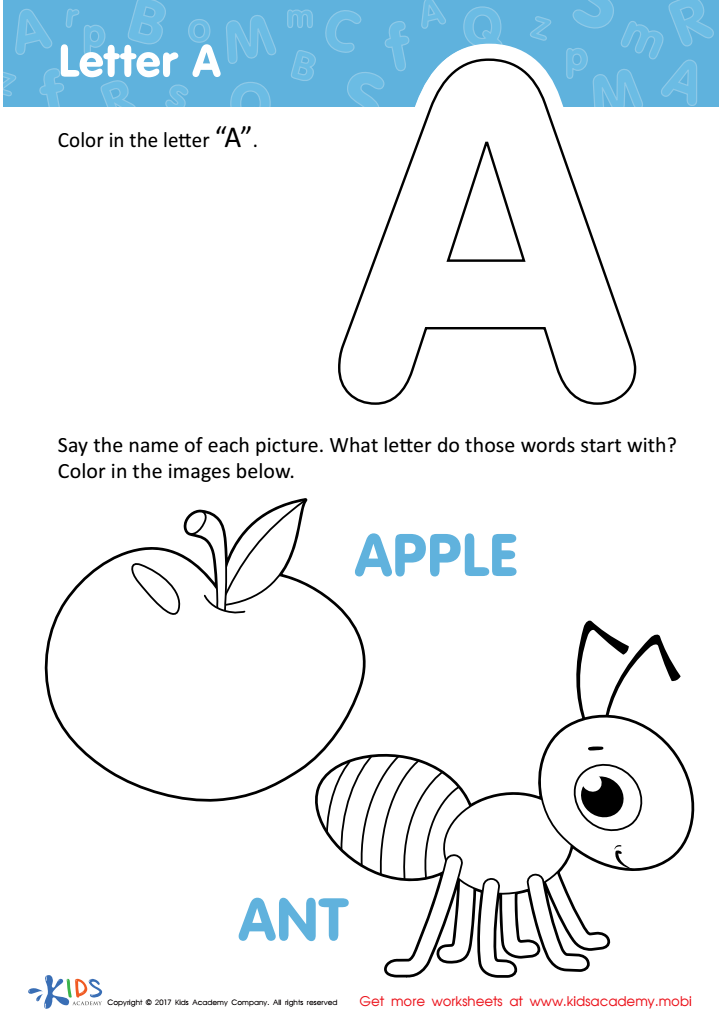
Letter A Coloring Sheet
Assign to My Students
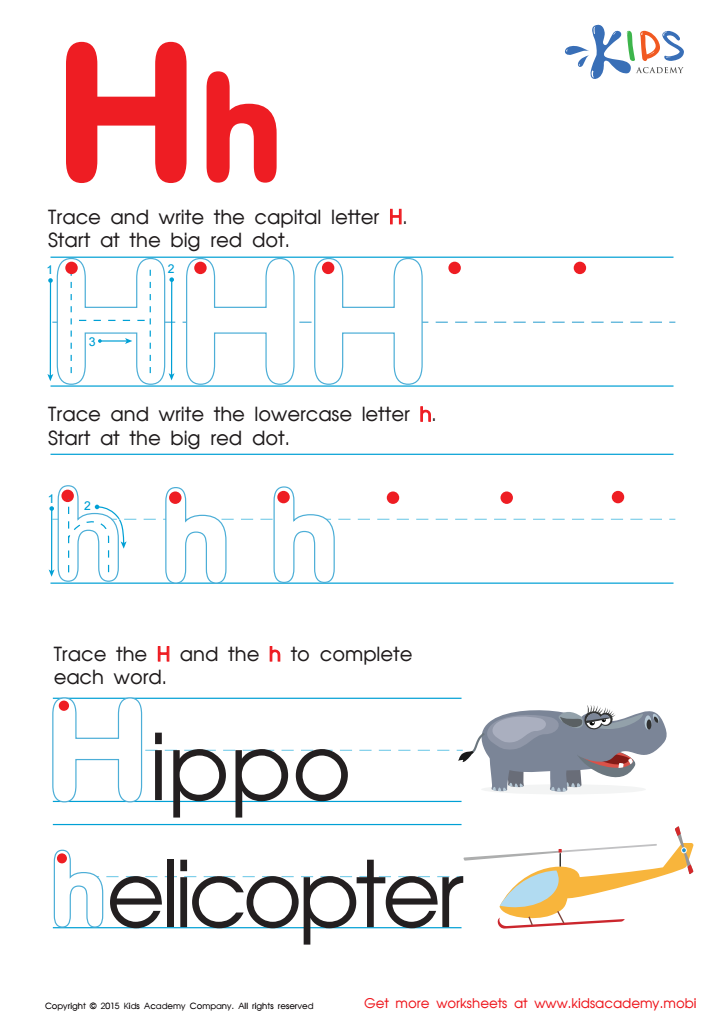
Letter H Tracing Page
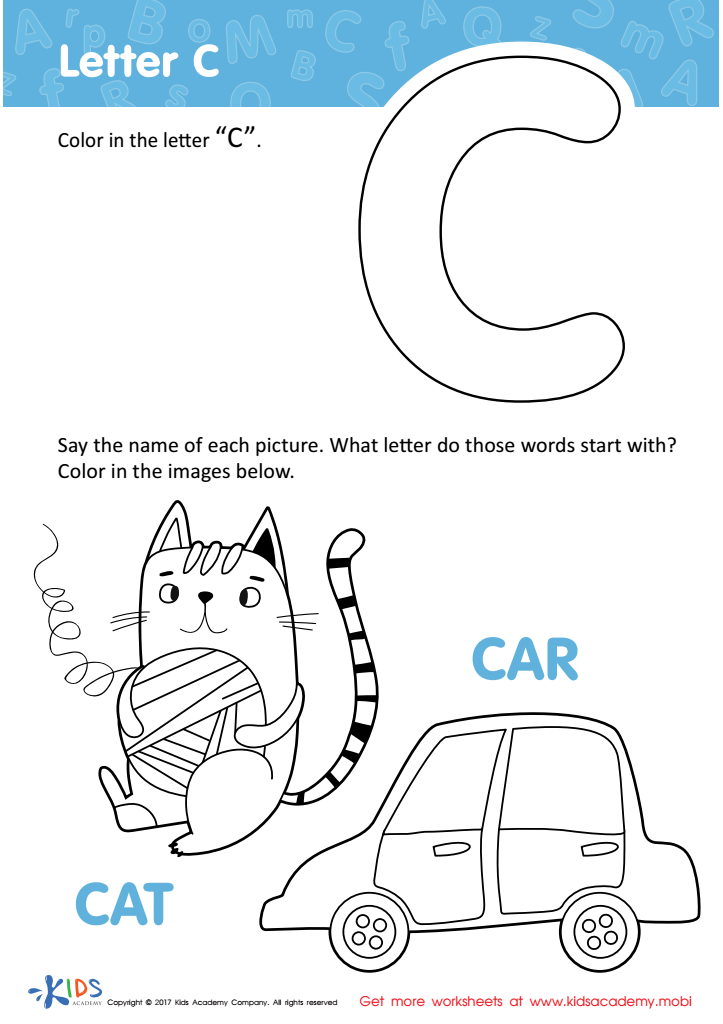
Letter C Coloring Sheet
Assign to My Students
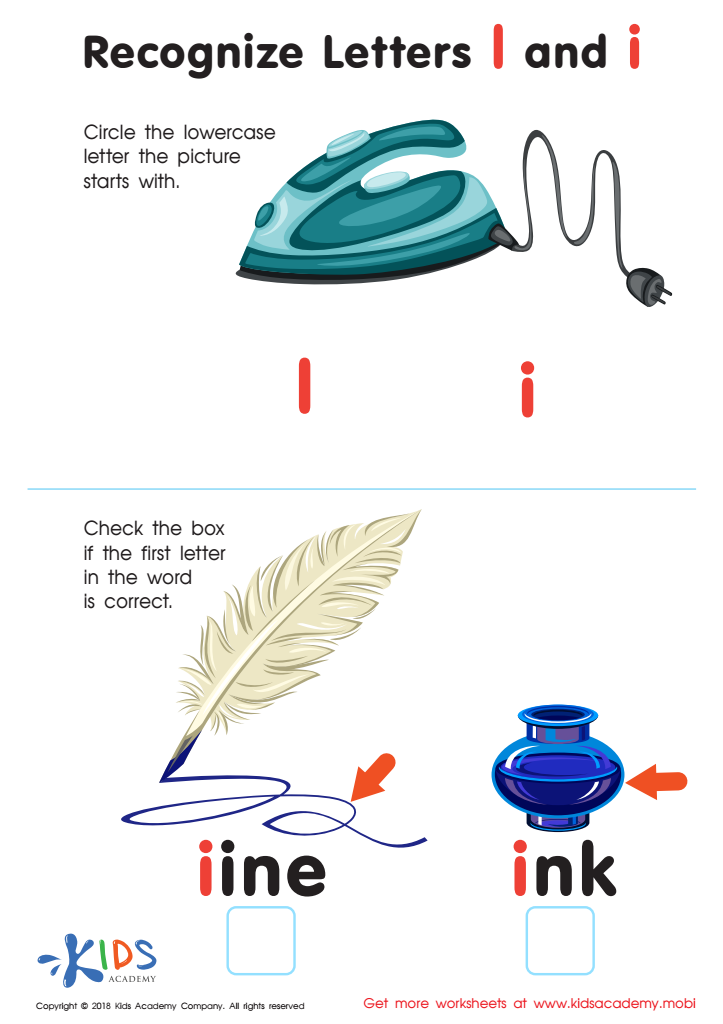
Recognize Letters l and i Worksheet
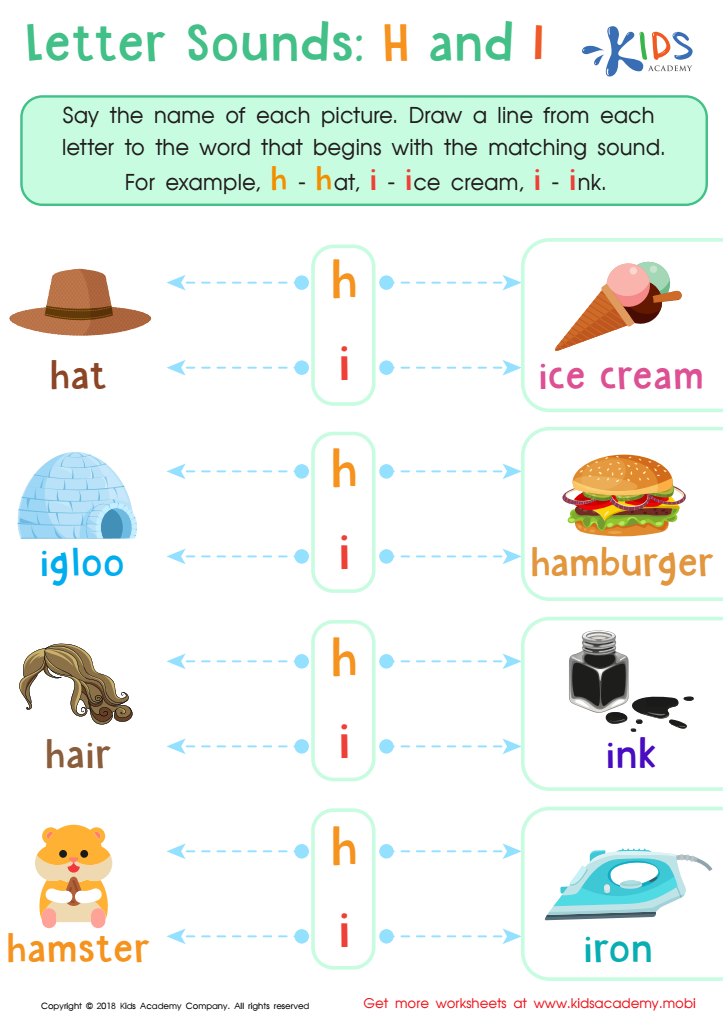
Letter H and I Sounds Worksheet








Writing practice of the normal alphabet at ages 4-5 serves as a cornerstone for early literacy and cognitive development. At this critical stage, children's brains are extraordinarily receptive to learning new skills, and writing is fundamental. Writing enhances fine motor skills as children learn to control the pencil and form letters precisely. This not only enables them to write but also strengthens coordination and dexterity, benefiting other areas of their physical development.
Moreover, writing practice aids in letter recognition, which is crucial for reading skills. Familiarity with the alphabet forms the basis for decoding words, a pivotal step in becoming proficient readers. By engaging with writing tasks, young learners begin to understand the relationship between spoken and written language, promoting early phonetic awareness.
Engaging in writing exercises also reinforces cognitive development. As children think about how to form letters and structure words, they enhance their problem-solving skills and memory. Writing encourages concentration and patience, helping to lay the foundation for future learning.
Furthermore, writing practice boosts children's confidence. Mastering a new skill, and one that allows them to express their thoughts and ideas, gives them a sense of accomplishment. By investing in alphabet writing practice, parents and teachers pave the way for lifelong academic success and personal development.







