Fine Motor Skills Normal Letter E Worksheets for Ages 4-5
3 filtered results
-
From - To
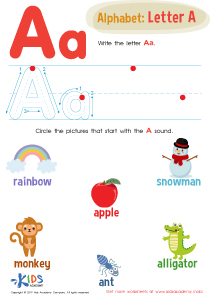
Enhance your child's fine motor skills with our engaging Normal Letter E Worksheets, designed specifically for ages 4-5. These worksheets offer a fun and interactive way for young learners to practice their pen control, while familiarizing themselves with the letter E. With a variety of activities including tracing, coloring, and matching exercises, children will develop essential hand-eye coordination and muscle memory necessary for writing. Parents and educators will appreciate the clear instructions and stimulating designs that keep kids motivated and focused. Start your child's alphabet journey today and watch their confidence grow as they master the letter E with ease!
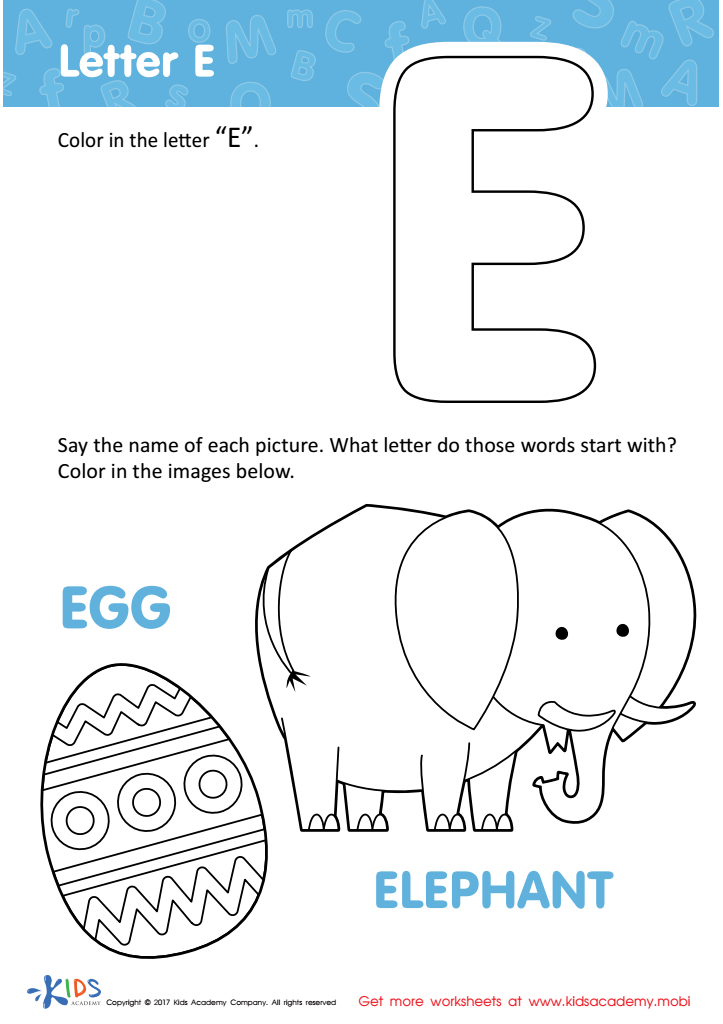
Letter E Coloring Sheet
 Assign to My Students
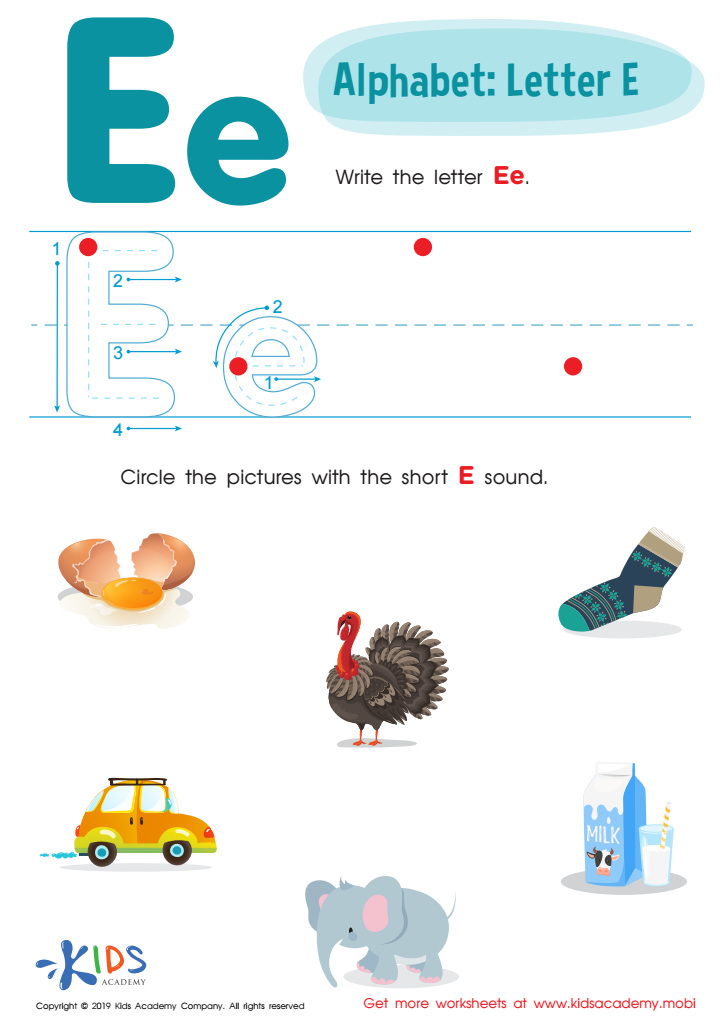
Letter E Tracing Worksheet
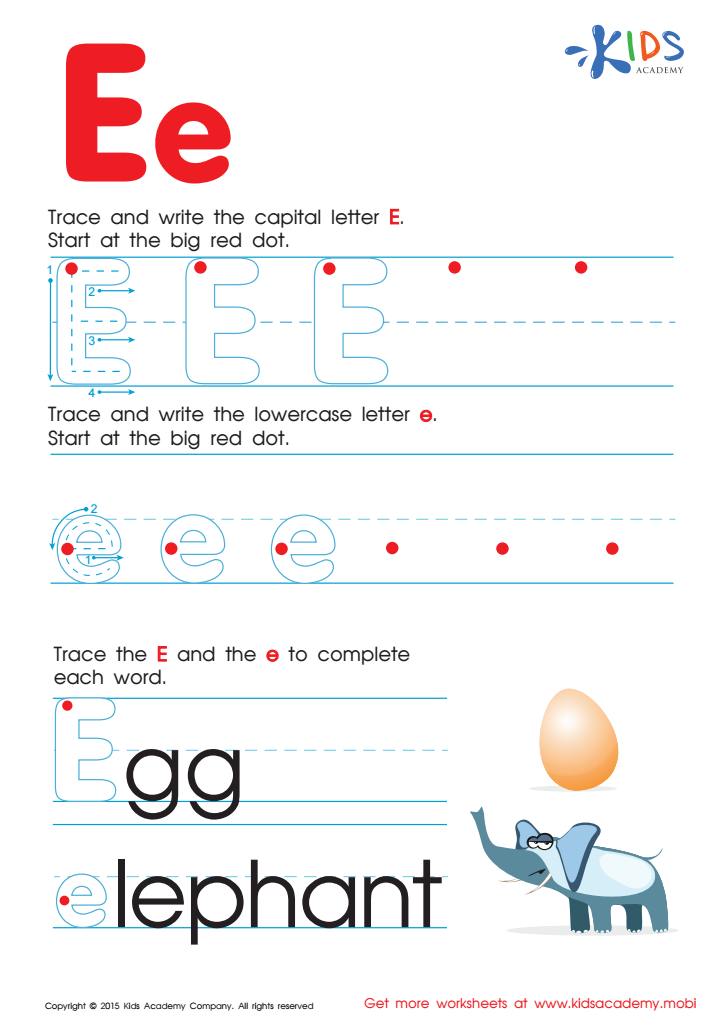
Letter E Tracing Page







Fine motor skills are essential for the development of young children, particularly for those aged 4-5. These skills involve the coordination of small muscles, particularly in the hands and fingers, which are essential for activities like writing, drawing, and self-care tasks. Learning to properly form the letter "E" offers several benefits, making it an important focus for parents and teachers.
Firstly, mastering the letter "E" fosters a sense of achievement and boosts children's confidence in their writing abilities. As they learn to control their hand movements, they improve their overall dexterity, which is crucial for future academic tasks, including handwriting and art projects. Furthermore, developing fine motor skills is linked to cognitive development; tasks that require hand-eye coordination encourage brain connections, enhancing problem-solving and critical thinking skills.
Additionally, promoting fine motor skills contributes to a child's social development. When children engage in group activities like writing or crafts, they learn to collaborate and share materials, building important interpersonal skills. Understanding the significance of cultivating fine motor skills, particularly through activities involving letters like "E," helps parents and teachers create supportive learning environments that promote overall growth and school readiness.