Alphabetical order understanding Normal Letter Recognition Worksheets for Ages 4-5
3 filtered results
-
From - To
Discover engaging "Alphabetical Order Understanding Normal Letter Recognition Worksheets" designed for children ages 4-5. These worksheets promote early literacy by helping young learners recognize letters and their sequence in the alphabet. Through fun and interactive activities, kids will enhance their letter identification skills while understanding the importance of alphabetical order. Each worksheet is tailored to spark curiosity and facilitate comprehension, establishing a solid foundation for future reading and writing. Perfect for at-home reinforcement or classroom use, these resources will make learning an enjoyable adventure. Start your child's journey towards literacy and organization with our thoughtfully crafted resources today!
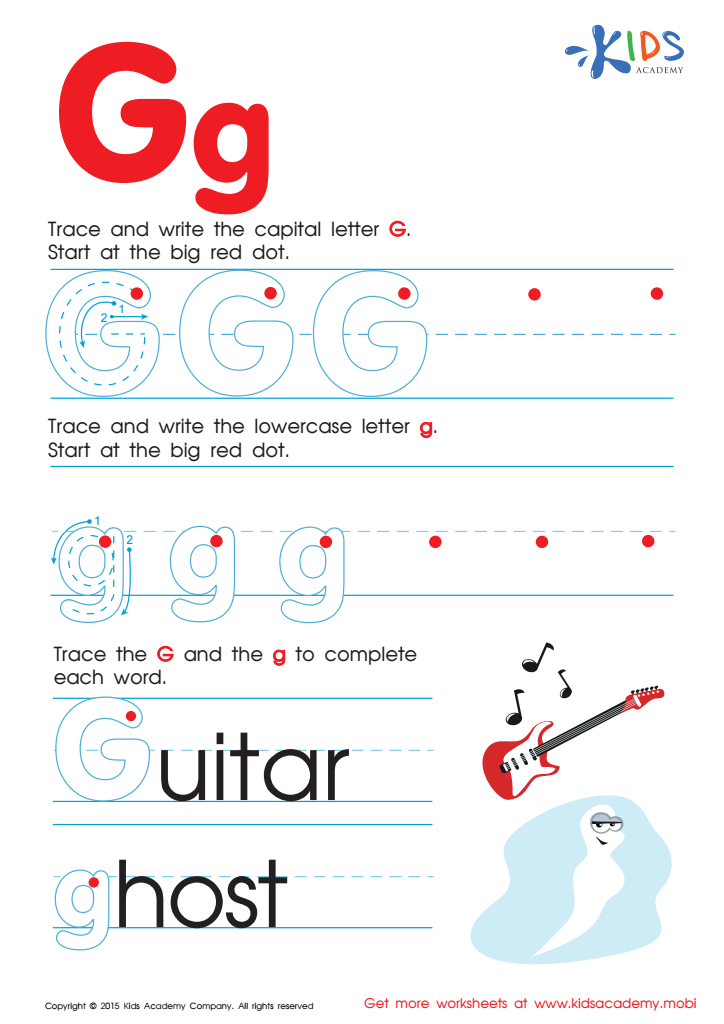
Letter G Tracing Page
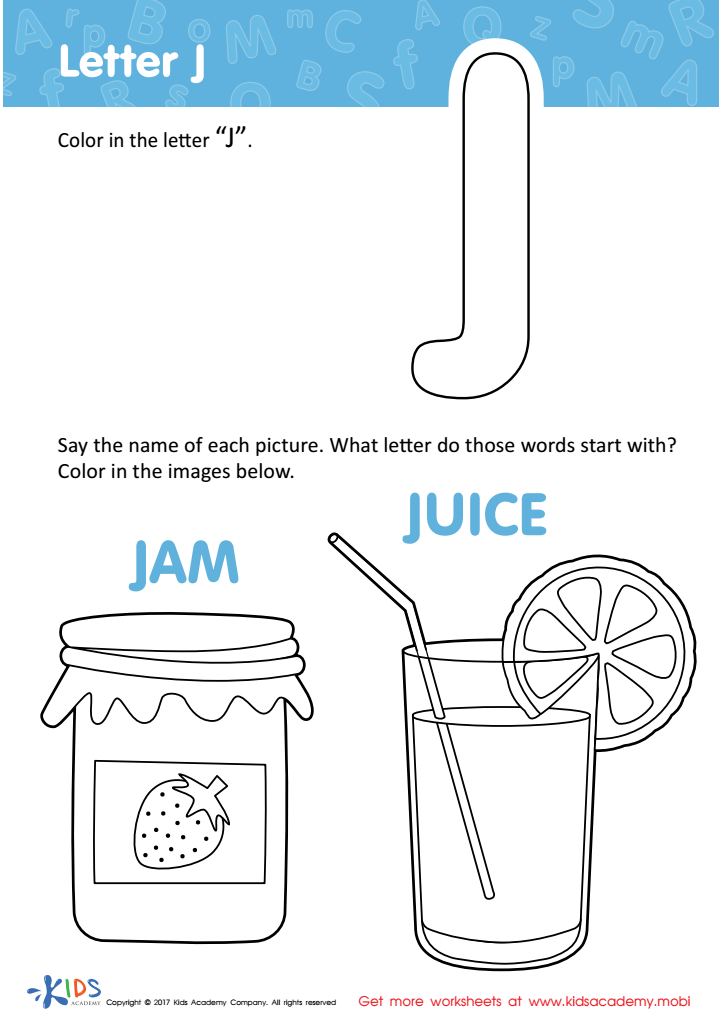
Letter J Coloring Sheet
 Assign to My Students
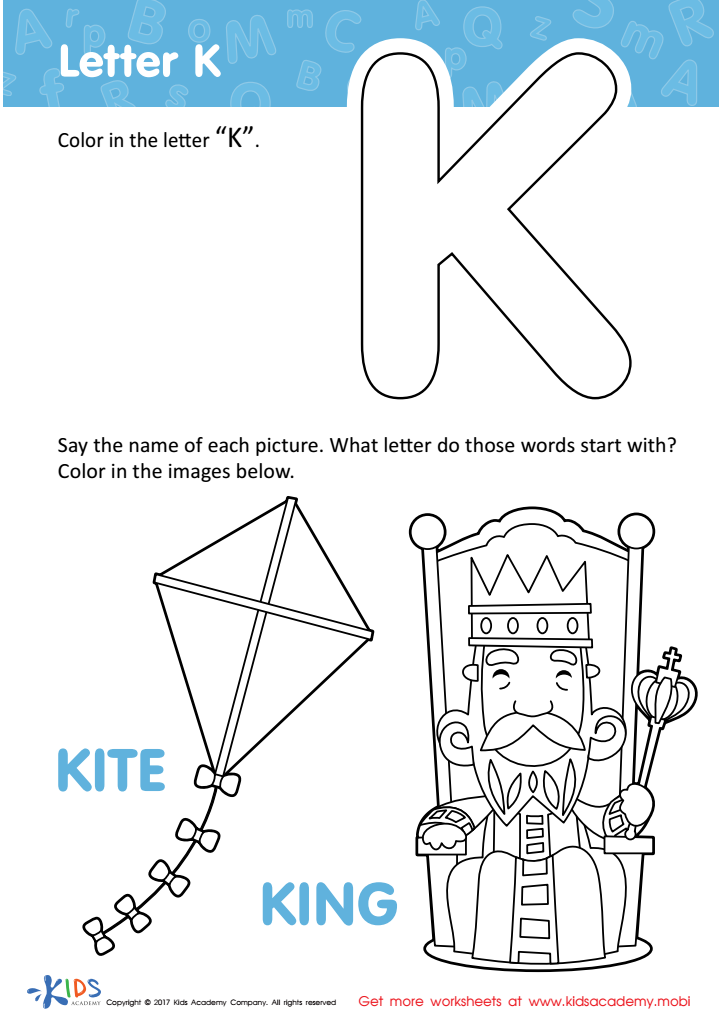
Letter K Coloring Sheet
Assign to My Students








Understanding alphabetical order and normal letter recognition is crucial for children ages 4-5, as it sets the foundation for their literacy skills. At this stage, children are developing their ability to recognize letters and understand their sequential arrangement, which is essential for reading and writing.
Parents and teachers should care about this foundational skill because it enhances language development, allowing children to decode words and enhance their vocabulary. Recognizing letters in alphabetical order helps children locate words in dictionaries and books, thereby fostering independence in literacy tasks. Furthermore, it supports skills such as sorting, pattern recognition, and organizational abilities, which are applicable across various subjects.
Introducing activities that emphasize alphabetical order—such as singing the alphabet, using flashcards, or engaging in interactive games—makes learning exciting and reinforces children’s memory. This understanding can significantly boost their confidence as learners, leading to a positive association with reading and writing.
Incorporating letter recognition and alphabetical order into daily routines not only equips children with necessary cognitive skills, but also nurtures a lifelong love for learning. Ultimately, a strong grasp of these concepts prepares young learners for future academic success and opens doors to effective communication.








