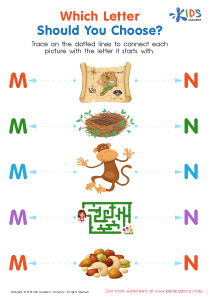
Alphabet sequencing Normal Lowercase/Small Letters Worksheets for Ages 4-5
3 filtered results
-
From - To
Enhance your child's early literacy skills with our engaging Alphabet Sequencing Normal Lowercase/Small Letters Worksheets designed for ages 4-5. These printable activities are perfect for young learners to practice recognizing and sequencing lowercase letters. Each worksheet helps children develop their handwriting, fine motor skills, and foundational alphabet knowledge. Fun and educational, these worksheets keep kids motivated while laying the groundwork for future reading and writing success. Ideal for home or classroom use, they make learning the alphabet a delightful experience for preschoolers and kindergarteners. Download now and set your child on the path to literacy success!
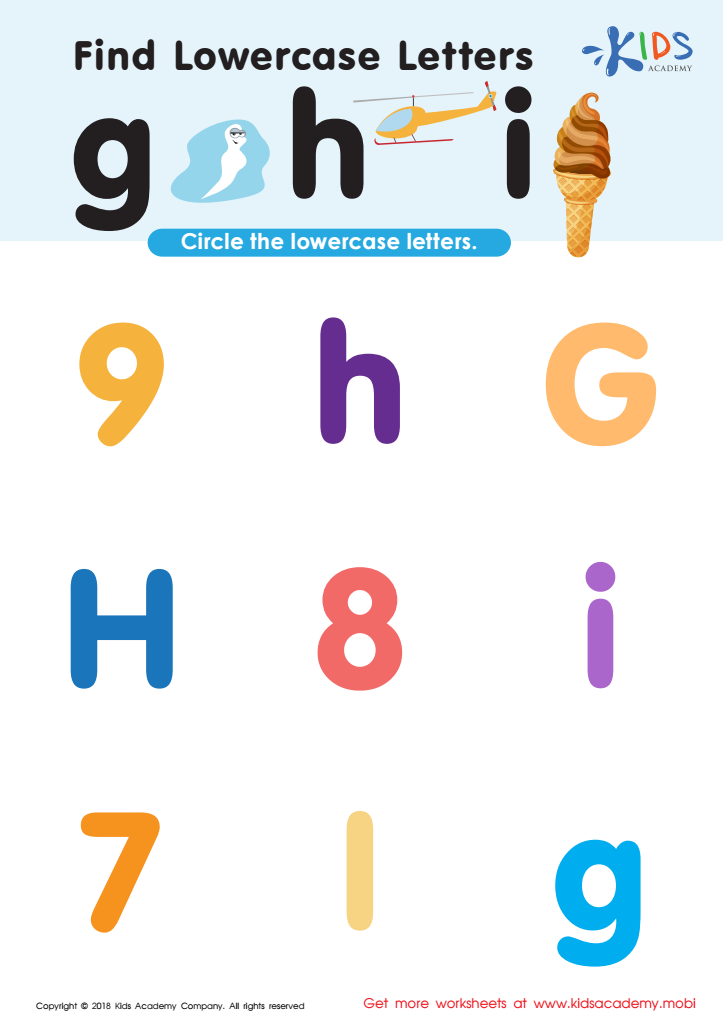
Find Lowercase Letters g h i Worksheet
 Assign to My Students
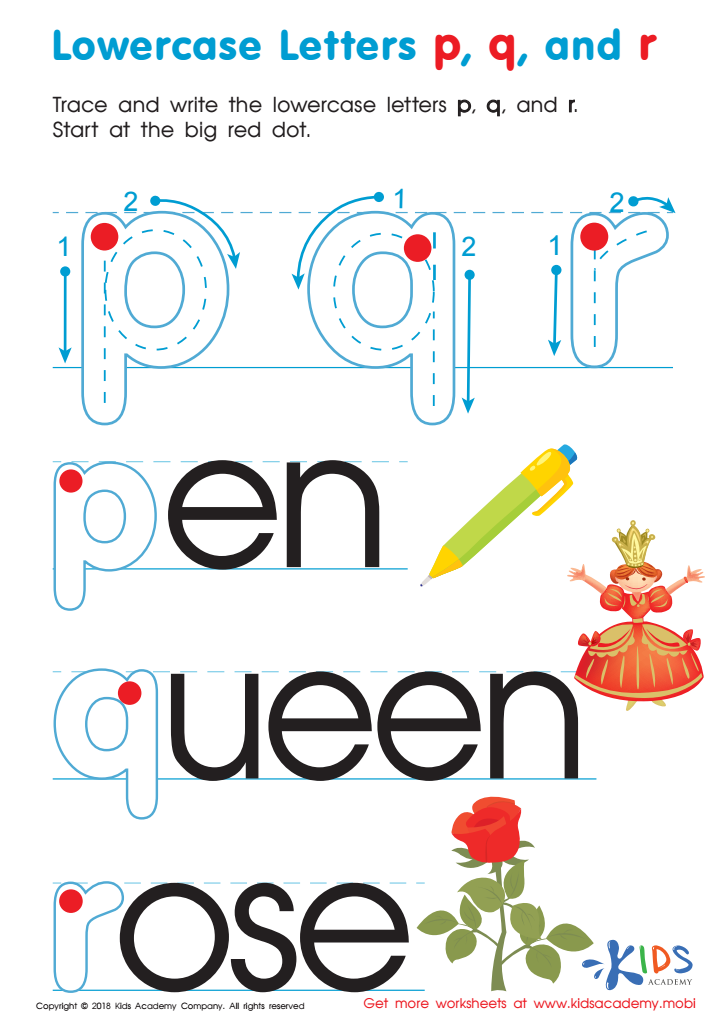
Lowercase Letters p q r Worksheet
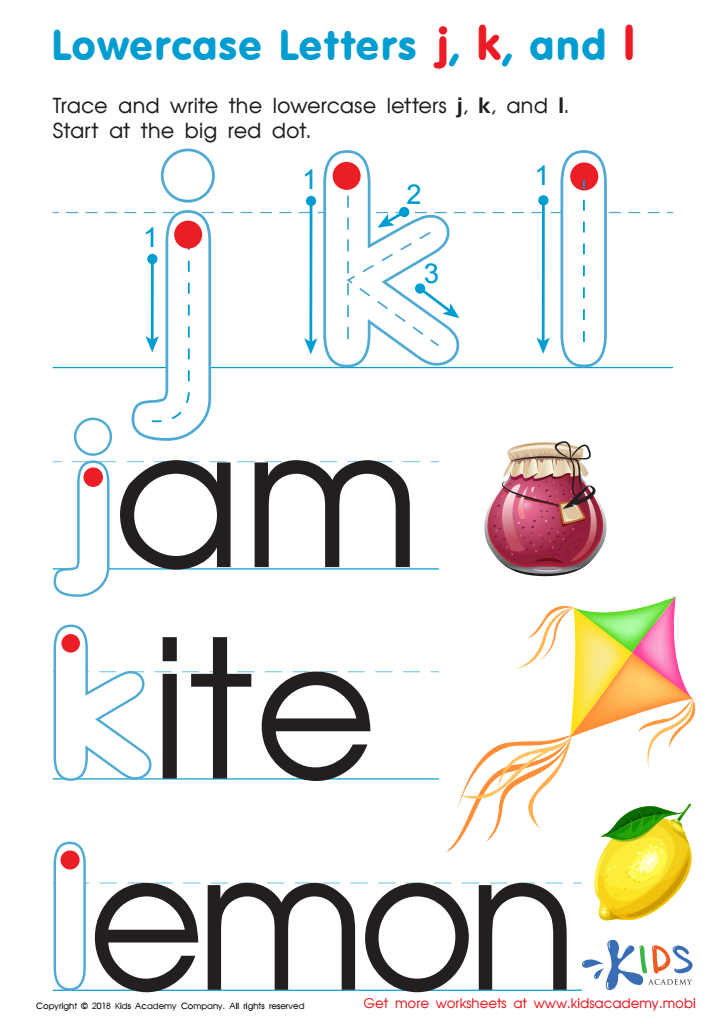
Lowercase Letters j k l Worksheet


Parents and teachers should prioritize alphabet sequencing with normal lowercase letters for children aged 4-5 because it forms the foundation of early literacy skills crucial for their academic growth. During this developmental stage, children are incredibly receptive to learning patterns and structures, making it the optimal time to introduce them to the alphabet in its lowercase form.
Most written language that children will encounter in books, signage, and digital media predominantly uses lowercase letters. By familiarizing young learners with these characters, educators aid their ability to recognize, understand, and eventually read and write simple words. Sequencing these letters reinforces the natural order and structure of language, helping children grasp the concept of alphabetical order—a skill they will use extensively throughout their education.
Moreover, lower case letters are often easier for young children to write due to their simpler, more uniform shapes, compared to uppercase letters. Practicing the proper sequence of lowercase letters develops fine motor skills and paves the way to better penmanship. Additionally, engaging in sequenced alphabet activities enriches children’s cognitive and memory development, fostering problem-solving abilities and attention to detail, which are essential for future learning.
In summary, mastering lowercase alphabet sequencing supports children’s reading and writing fluency, cognitive development, and fine motor coordination, laying down a critical educational foundation.