Phonics Skills Normal Short Vowels Worksheets for Ages 4-5
3 filtered results
-
From - To
Explore our engaging Phonics Skills Normal Short Vowels Worksheets designed specifically for ages 4-5! These fun, interactive worksheets help young learners master essential short vowel sounds through a variety of activities, including tracing, matching, and filling in the blanks. With colorful illustrations and child-friendly graphics, your preschoolers will enjoy honing their phonics skills while developing reading proficiency. Our phonics worksheets cater to various learning styles, making it easy for parents and educators to enhance early literacy in an enjoyable way. Boost your child's confidence in phonics and set a solid foundation for their academic journey with our captivating and effective worksheets!
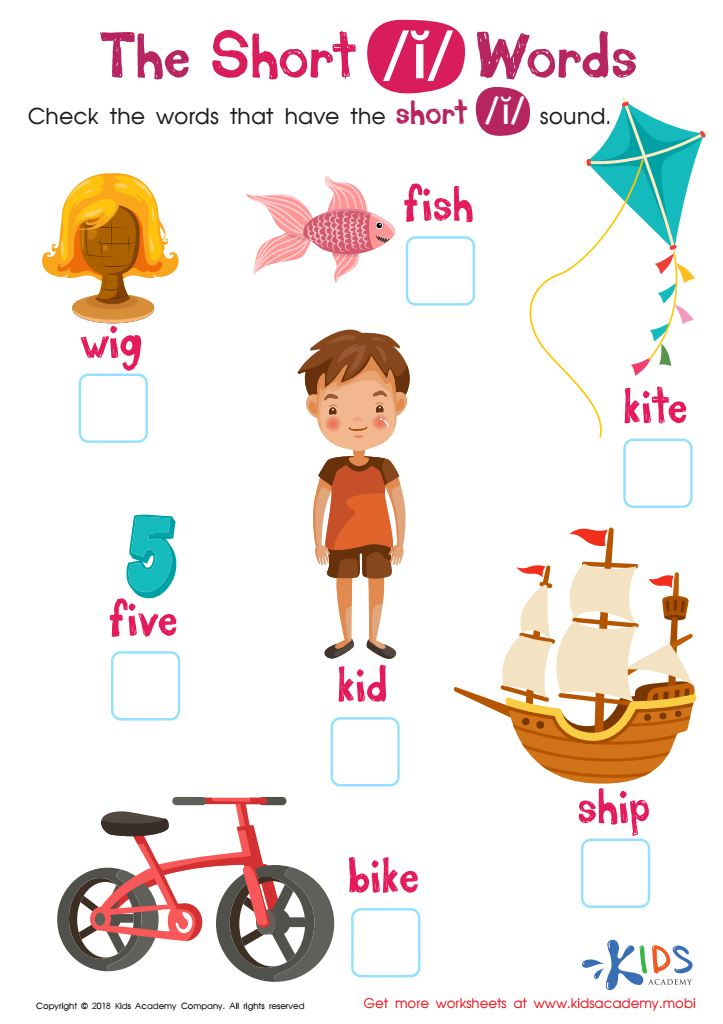
The Short I Words Reading Worksheet
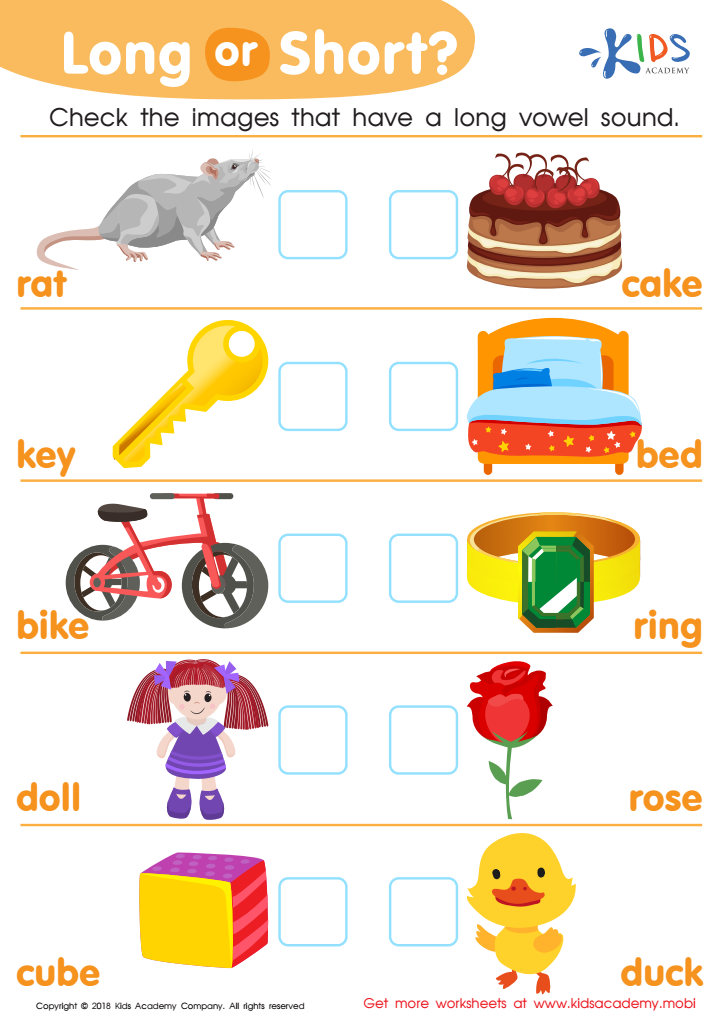
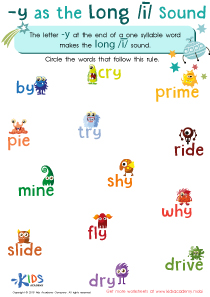
Long or Short Reading Worksheet
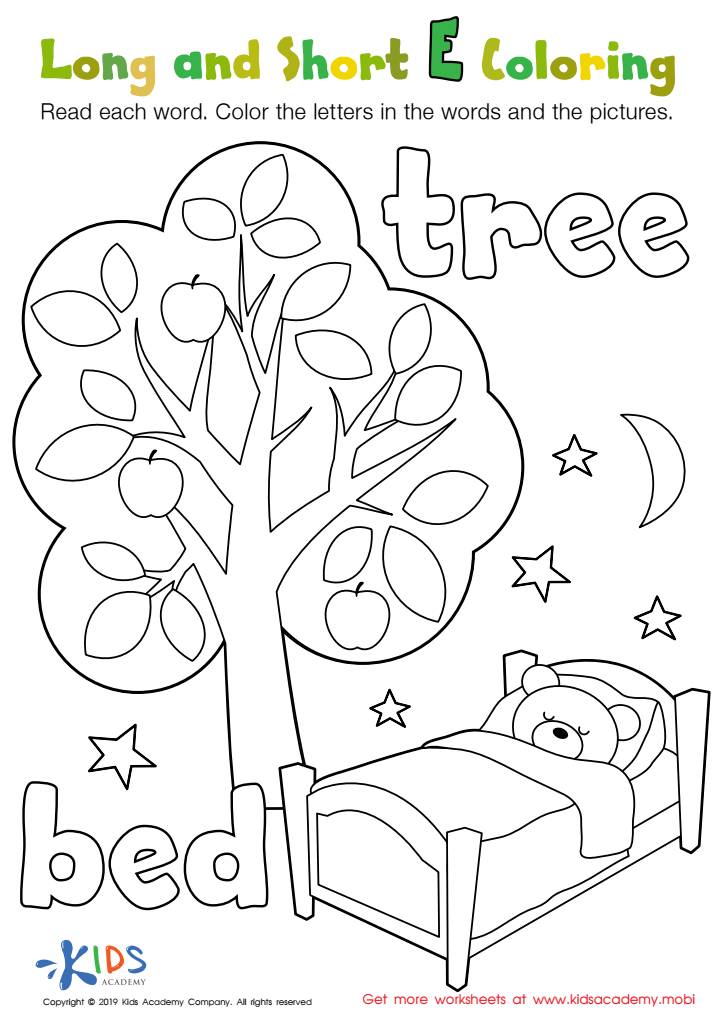
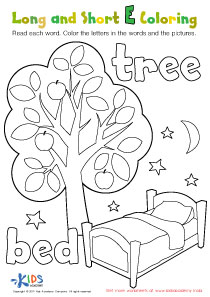
Long and Short E Worksheet
 Assign to My Students



Phonics skills, particularly the understanding of normal short vowels, are crucial for children aged 4-5 as they lay the groundwork for effective reading and writing. At this age, children are at a critical stage in their language development where phonemic awareness—the ability to recognize and manipulate sounds—is paramount. Short vowels (a, e, i, o, u) are integral components of many words, serving as building blocks for phonetic decoding.
When children understand short vowels, they can more easily sound out and blend phonemes, facilitating early reading experiences. This skill enhances vocabulary acquisition and boosts confidence in emerging readers. Moreover, mastering short vowels helps reinforce spelling patterns and supports the transition from phonics to fluent reading.
Parents and teachers should be particularly invested in phonics instruction, as it fosters a love for reading and lays the foundation for literacy skills that are essential throughout a child's education. Engaging children in games, songs, and activities that focus on short vowels makes learning fun and effective, transforming them into proficient readers and communicators. Overall, prioritizing phonics skills not only empowers children academically but also enriches their lifelong relationship with language and literature.