Vocabulary enhancement Normal Short Vowels Worksheets for Ages 4-5
3 filtered results
-
From - To
Boost your child's vocabulary with our engaging Normal Short Vowels Worksheets designed for ages 4-5! These interactive resources focus on enhancing language skills through fun, age-appropriate activities that emphasize short vowel sounds. Each worksheet features colorful illustrations and engaging exercises that make learning enjoyable and effective. Perfect for preschool and kindergarten learners, our worksheets help children identify, practice, and apply vocabulary associated with short vowels. As they complete each task, kids will gain confidence in their reading and pronunciation skills, paving the way for a strong educational foundation. Download our printable worksheets today and watch your little one's vocabulary flourish!
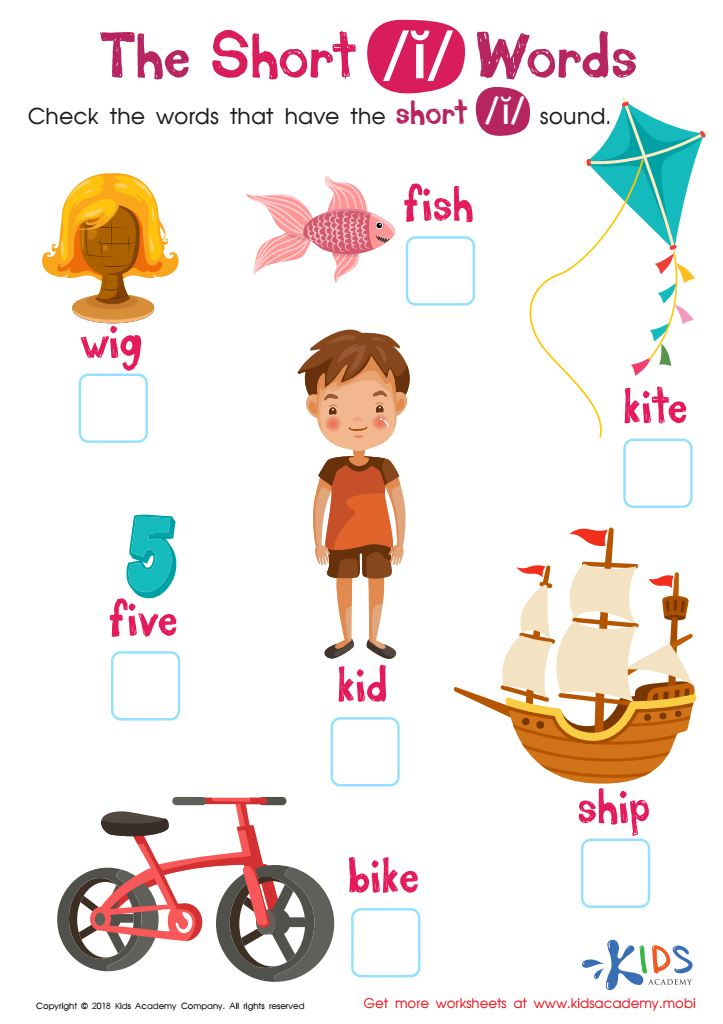
The Short I Words Reading Worksheet
 Assign to My Students
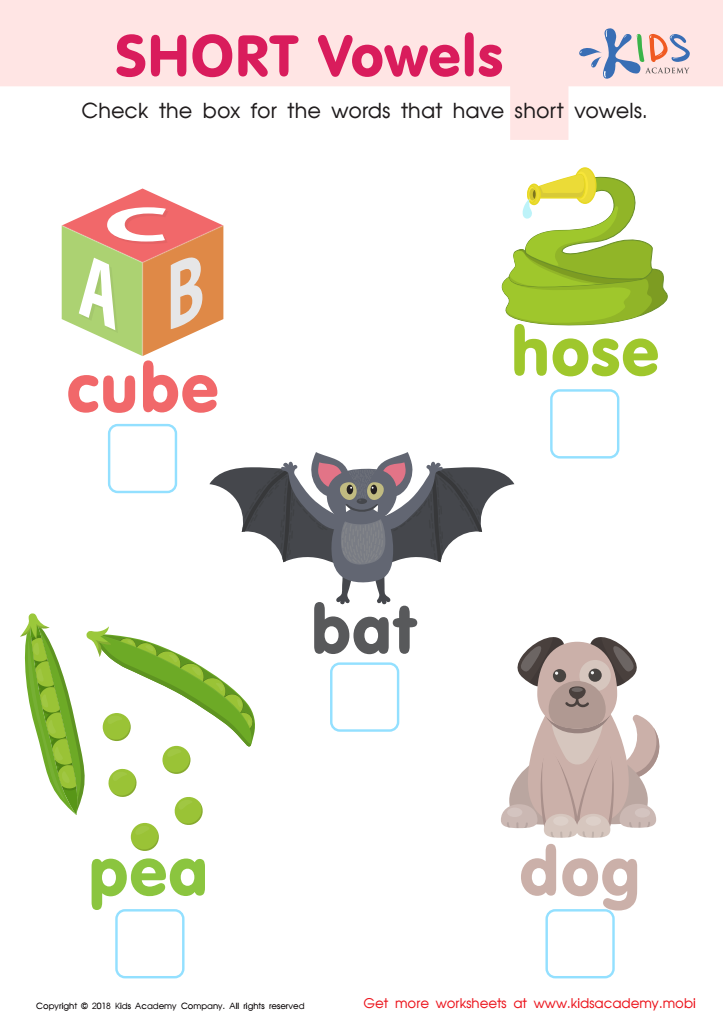
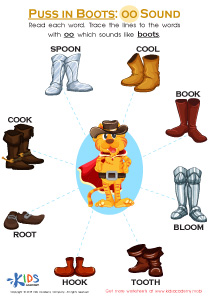
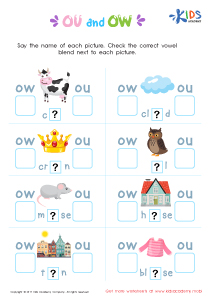
short vowels Worksheet
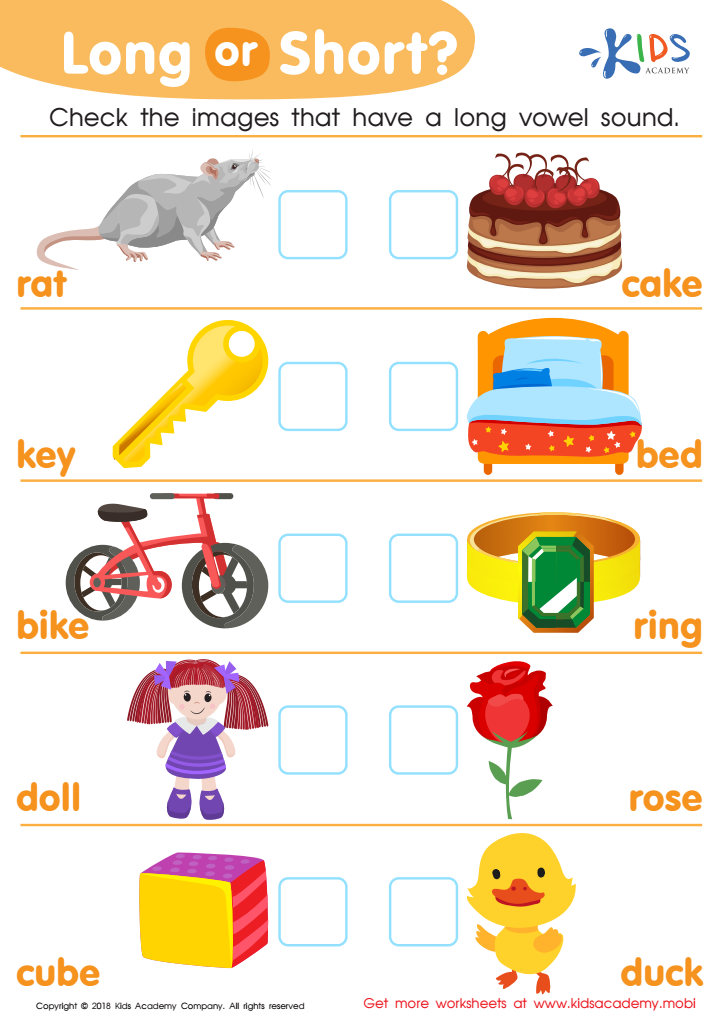
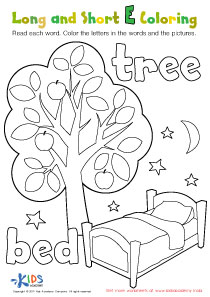
Long or Short Reading Worksheet



Vocabulary enhancement, particularly focusing on normal short vowels for children aged 4-5, is crucial for several reasons. Firstly, this foundational age is critical for language development. Introducing short vowels—represented in words like "cat," "dog," and "hit"—helps children to decode and read more effectively. By grasping these sounds, children can build the skills necessary for reading fluency, a vital component of literacy.
Additionally, vocabulary is the cornerstone of communication. A well-developed vocabulary allows young children to express their thoughts and feelings clearly. When parents and teachers emphasize normal short vowels, they provide kids with tools to articulate their ideas and engage in meaningful conversations.
Furthermore, vocabulary skills are strongly linked to academic success. Early proficiency in phonetics and vowel sounds sets the stage for future language learning, fostering a love for reading and writing. Ultimately, when caregivers prioritize vocabulary enhancement, they are investing in a child’s confidence and cognitive development, paving the way for a lifetime of learning. Establishing a strong vocabulary base at an early age not only enhances language skills but also influences social interactions, critical thinking, and self-expression throughout a child’s educational journey.