Problem-Solving Skills Normal Upper & Lowercase Letters Worksheets for Ages 4-5
3 filtered results
-
From - To
Unlock creativity and critical thinking in your young learners with our "Problem-Solving Skills Normal Upper & Lowercase Letters Worksheets for Ages 4-5." Designed to enhance letter recognition while engaging children in essential problem-solving activities, these worksheets provide a fun and interactive way to master the alphabet. Kids will tackle challenges that promote logical reasoning and decision-making as they identify, match, and differentiate uppercase and lowercase letters. Perfect for preschool and kindergarten classrooms, these engaging resources support early literacy development while making learning enjoyable. Start building a strong foundation for literacy and cognitive skills with these thoughtfully crafted worksheets today!
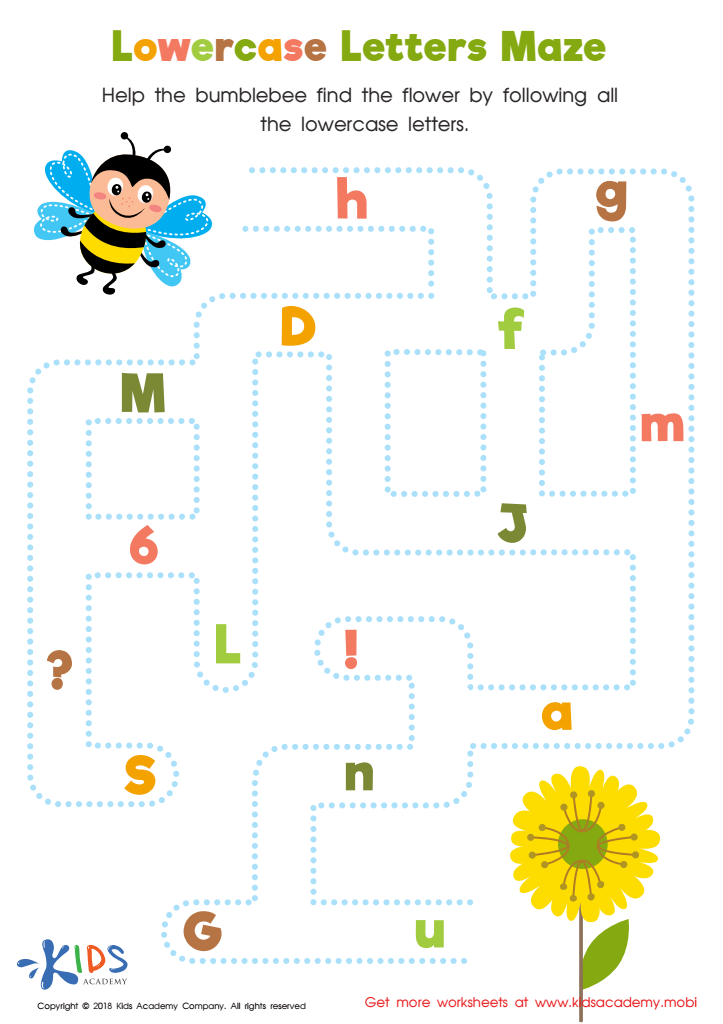
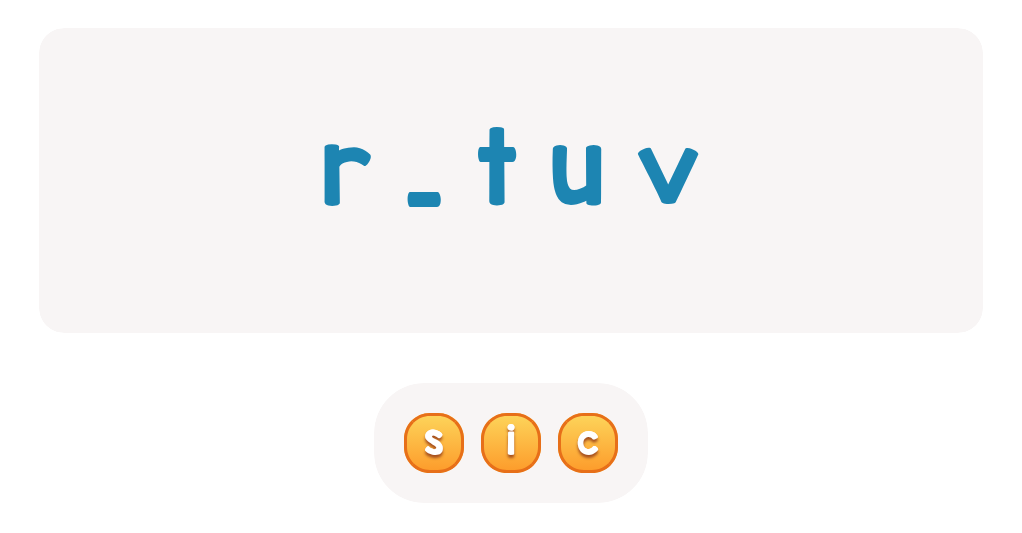
Lowercase Letters Maze Worksheet
 Assign to My Students


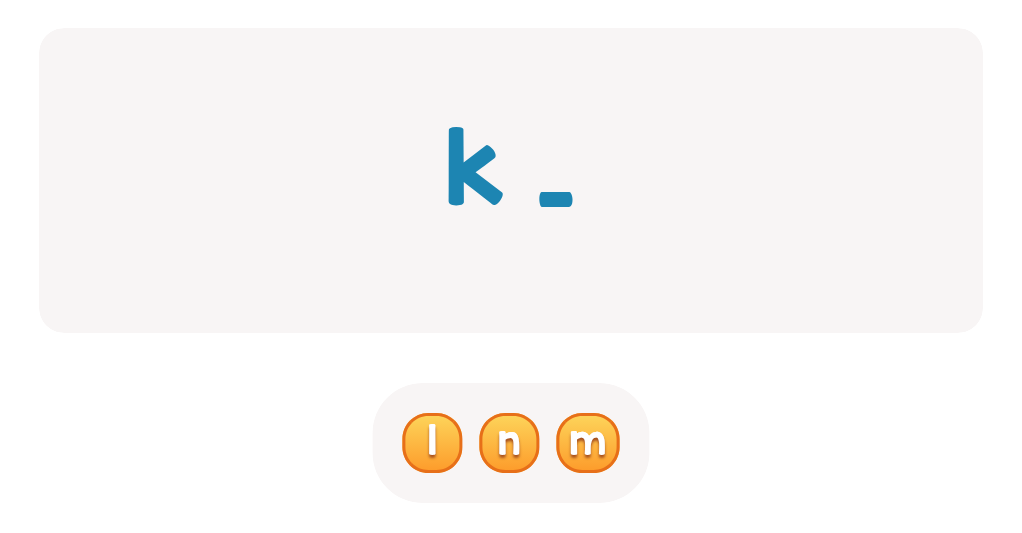
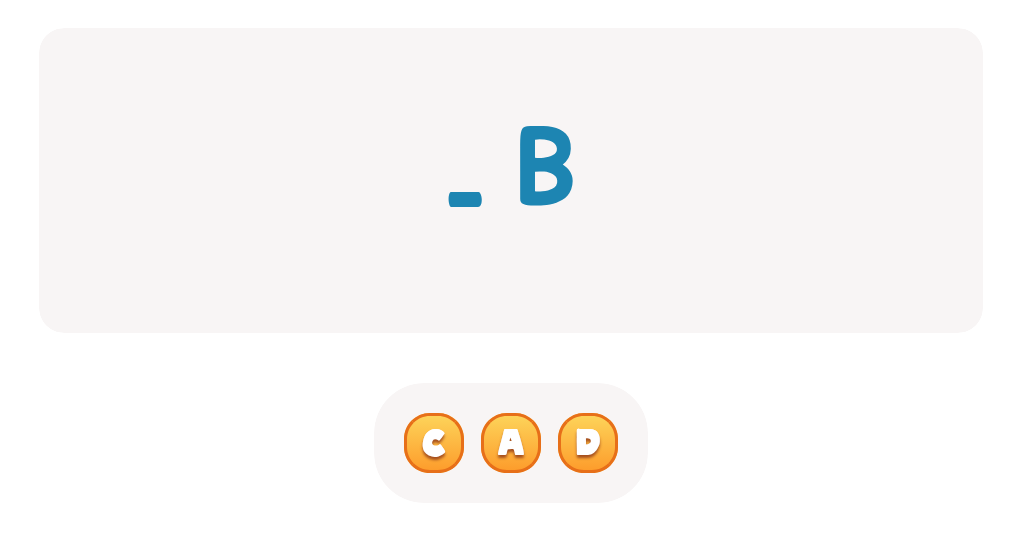
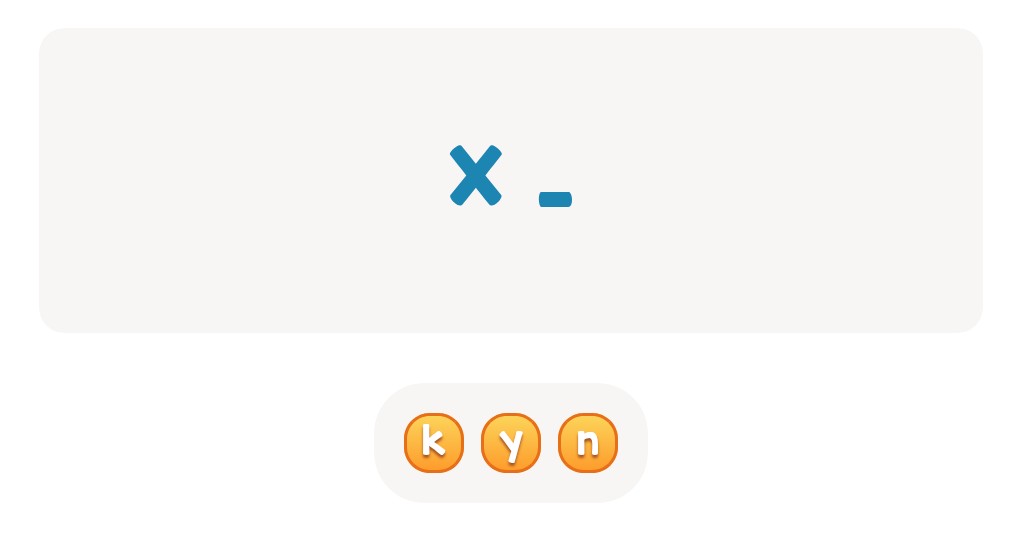



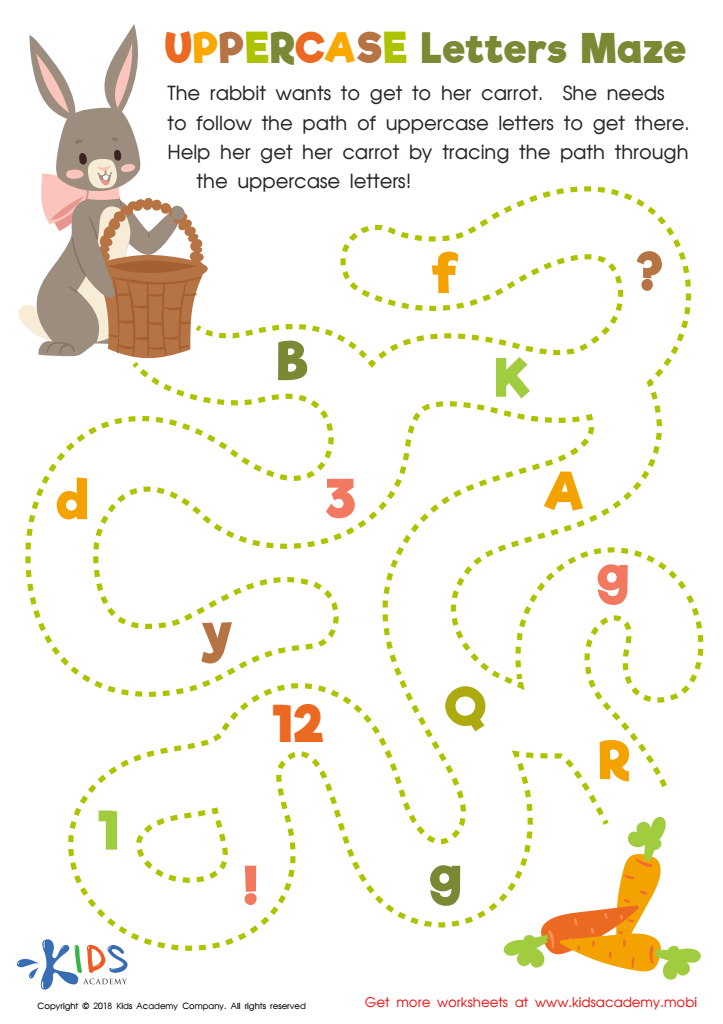
Uppercase Letters Maze Worksheet
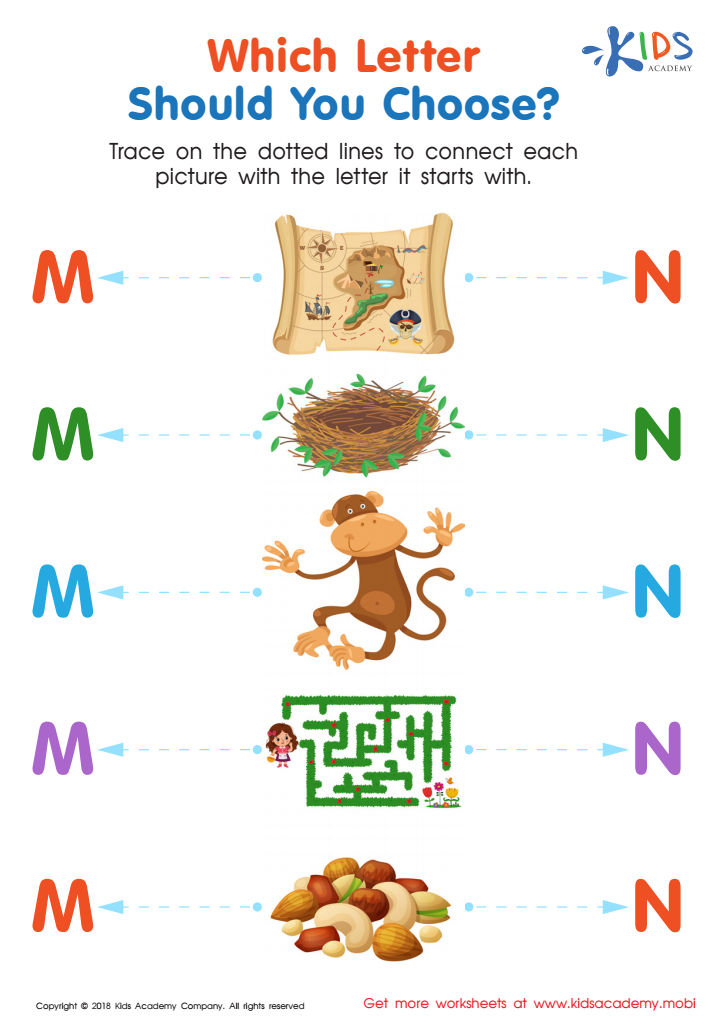
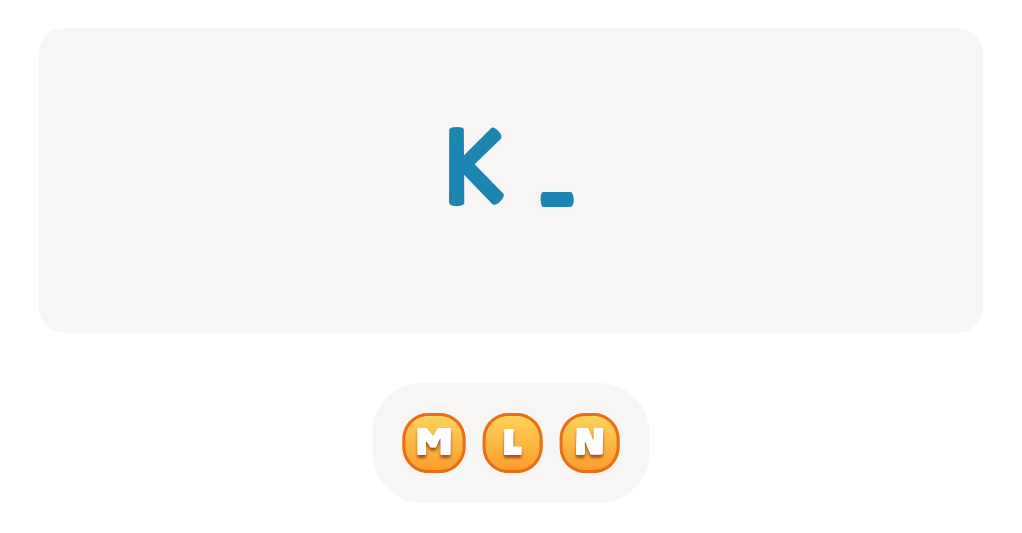
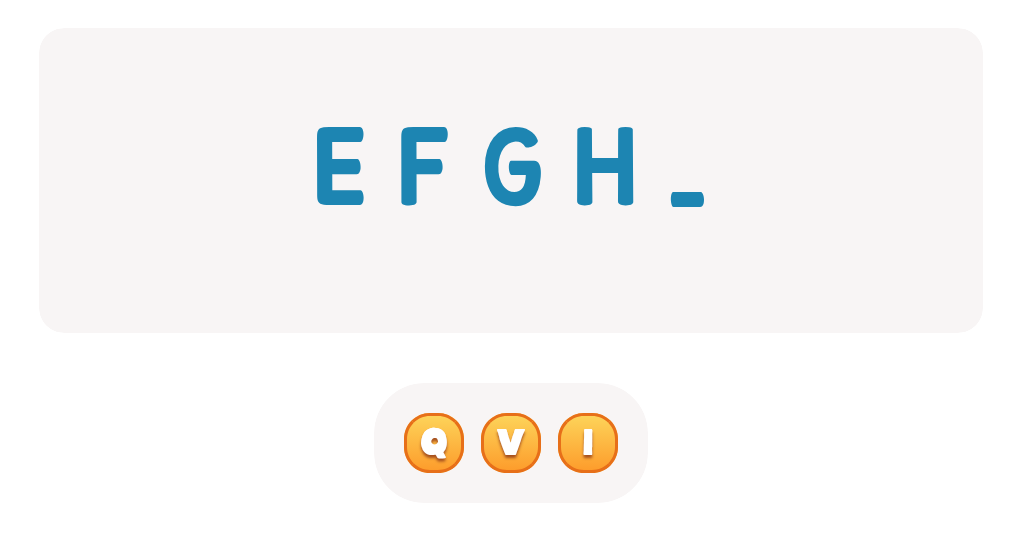
Which Letter Should you Choose? Worksheet






Problem-solving skills are crucial for children aged 4-5 as they lay the foundation for future learning and development. At this age, children encounter various challenges and scenarios that help them understand the world around them. Encouraging problem-solving skills nurtures critical thinking, creativity, and decision-making abilities.
When parents and teachers focus on developing these skills, they effectively prepare children for social interactions, academic tasks, and real-world challenges. By engaging children in problem-solving activities, such as puzzles and games, adults help them learn how to think analytically, analyze situations, and explore different solutions.
Furthermore, strong problem-solving skills foster resilience, enabling children to navigate obstacles without becoming discouraged. This resilience is vital for their emotional well-being, as it promotes a growth mindset—believing they can improve with effort.
Moreover, learning to solve problems collaboratively with peers enhances communication skills and teamwork, essential attributes in today’s interconnected world.
In conclusion, prioritizing problem-solving skills in early education encourages a love for learning and equips children with necessary tools to tackle challenges confidently. Parents and teachers play a pivotal role in nurturing these skills, setting the stage for lifelong success.







