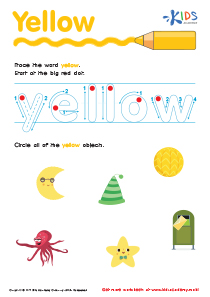
Alphabetical order understanding Normal English for Beginners Worksheets for Ages 4-5
3 filtered results
-
From - To
Welcome to our "Alphabetical Order Understanding Normal English for Beginners Worksheets" designed specifically for children aged 4-5. Our engaging worksheets introduce young learners to the concept of alphabetical order in a fun and interactive way. Each worksheet includes colorful visuals and simple activities that help little ones recognize letters and understand the sequence of the alphabet. By practicing with these resources, preschoolers will build essential literacy skills, enhance their vocabulary, and gain confidence in their English language abilities. Ideal for both classroom and home use, our worksheets provide a perfect foundation for your child’s early education. Start their learning journey today!

Letter G Tracing Page
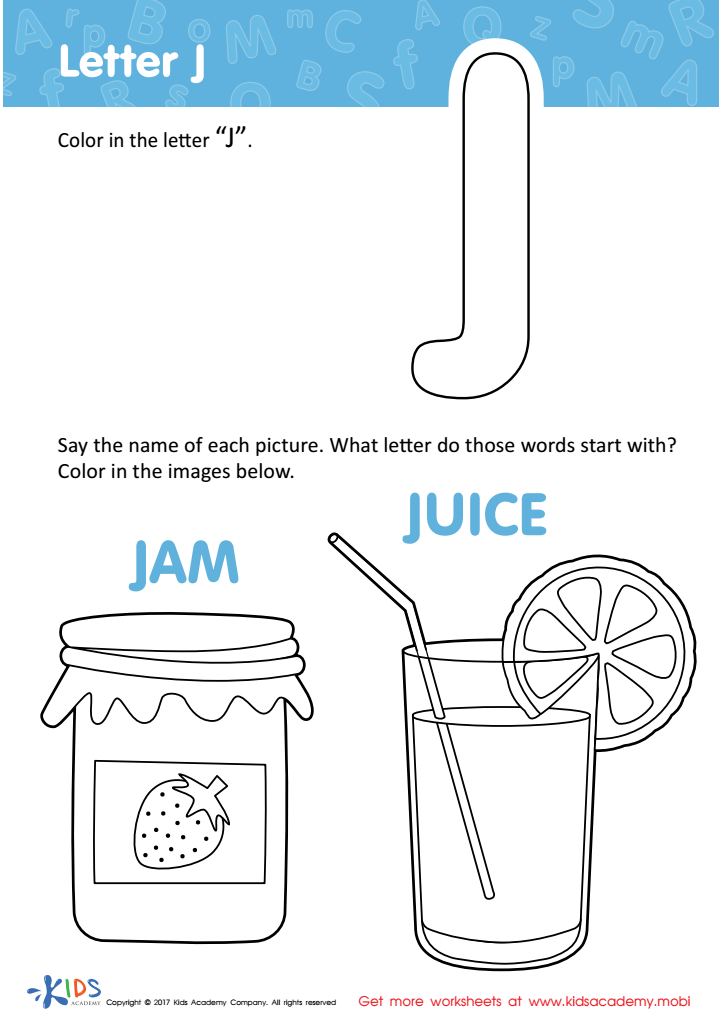
Letter J Coloring Sheet
 Assign to My Students
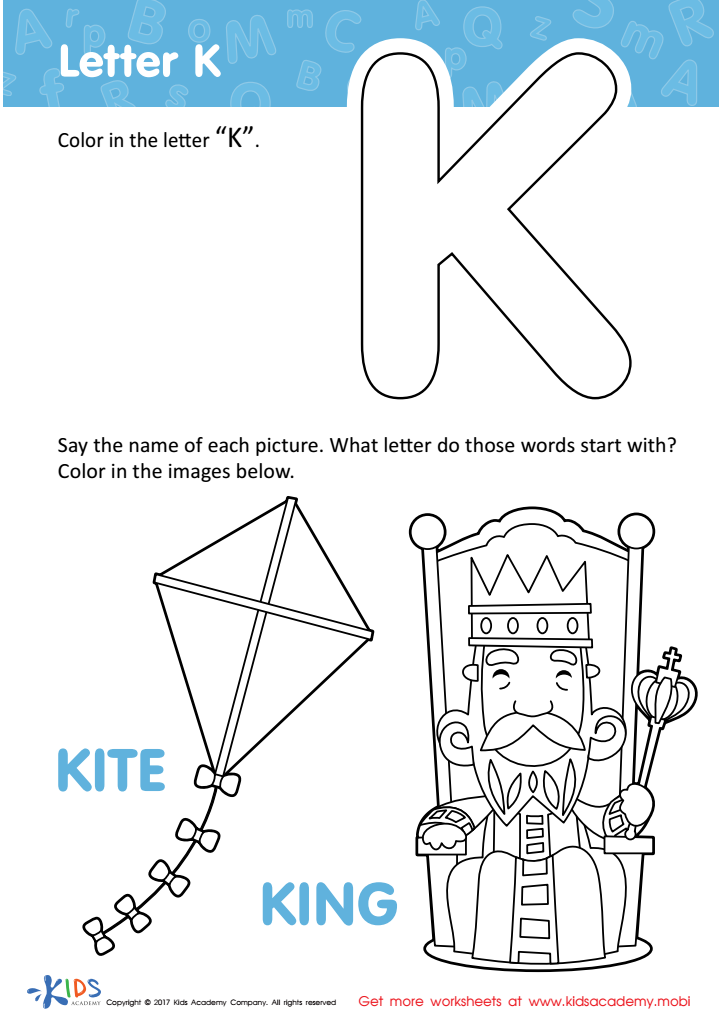
Letter K Coloring Sheet
Assign to My Students





Understanding alphabetical order is crucial for young learners as it lays the foundation for reading, writing, and organizational skills. For parents and teachers of children ages 4-5, teaching this concept fosters skill development and enhances early literacy. Recognizing the sequence of letters helps children learn how to sort and categorize information, a skill that extends beyond the classroom.
When children understand alphabetical order, they gain the ability to locate words in dictionaries, encyclopedias, or word lists, which boosts their ability to seek out information independently. This skill not only makes them more fluent readers but also encourages confidence in their ability to tackle language challenges. Additionally, as children begin to write, they can apply alphabetical order to their own work, making it easier for them to find and connect words that begin with the same letter.
Moreover, mastering alphabetical order promotes cognitive development. It teaches children to follow sequences and recognize patterns—critical thinking skills that are essential in all areas of learning. By integrating fun activities like songs, games, and sorting exercises related to the alphabet, adults can make learning engaging. Overall, fostering a solid understanding of alphabetical order ensures that children are better equipped for future educational success.