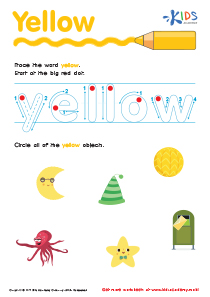
Handwriting practice Normal English for Beginners Worksheets for Ages 4-5 - Page 2
26 filtered results
-
From - To
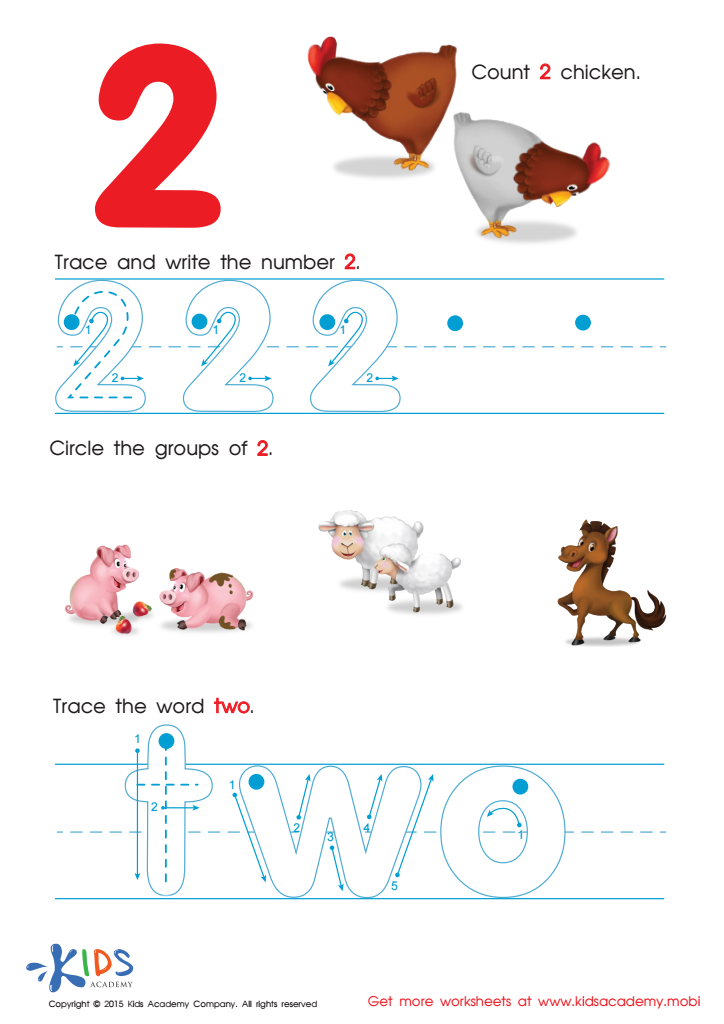
Learn to Write the Number 2 Worksheet
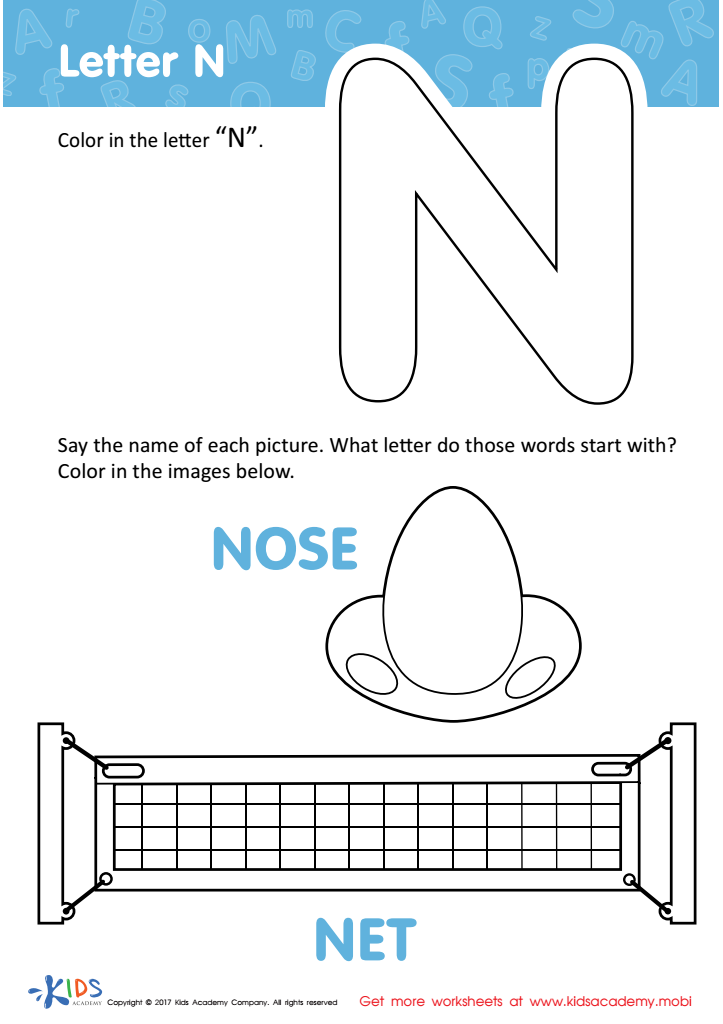
Letter N Coloring Sheet
 Assign to My Students





Handwriting practice for children aged 4-5 is crucial not just for developing writing skills, but also for overall cognitive and motor development. At this age, children are in a critical period for learning fine motor skills. When they practice handwriting, they improve their hand-eye coordination, dexterity, and control over hand movements. This foundation is important for other daily activities such as dressing, eating, and playing.
Additionally, handwriting practice aids in literacy. When children learn to form letters, they understand the relationship between letters and their sounds, which supports reading development. Writing by hand also encourages children to slow down and think about the shape of each letter, enhancing memory and learning.
Moreover, handwriting has emotional benefits. Mastery over writing tasks can build a child's confidence and self-esteem, fostering a positive attitude towards learning. Teachers and parents who dedicate time to handwriting practice contribute to a child’s enduring academic success by reinforcing the basics.
Finally, early handwriting practice instills discipline and focus in young learners. These are critical behaviours that children will value as they progress in their educational journey. Thus, handwriting practice isn’t just about writing; it builds a holistic suite of skills that benefit a child's overall development.