Handwriting practice Normal Worksheets for Ages 4-5 - Page 3
56 filtered results
-
From - To
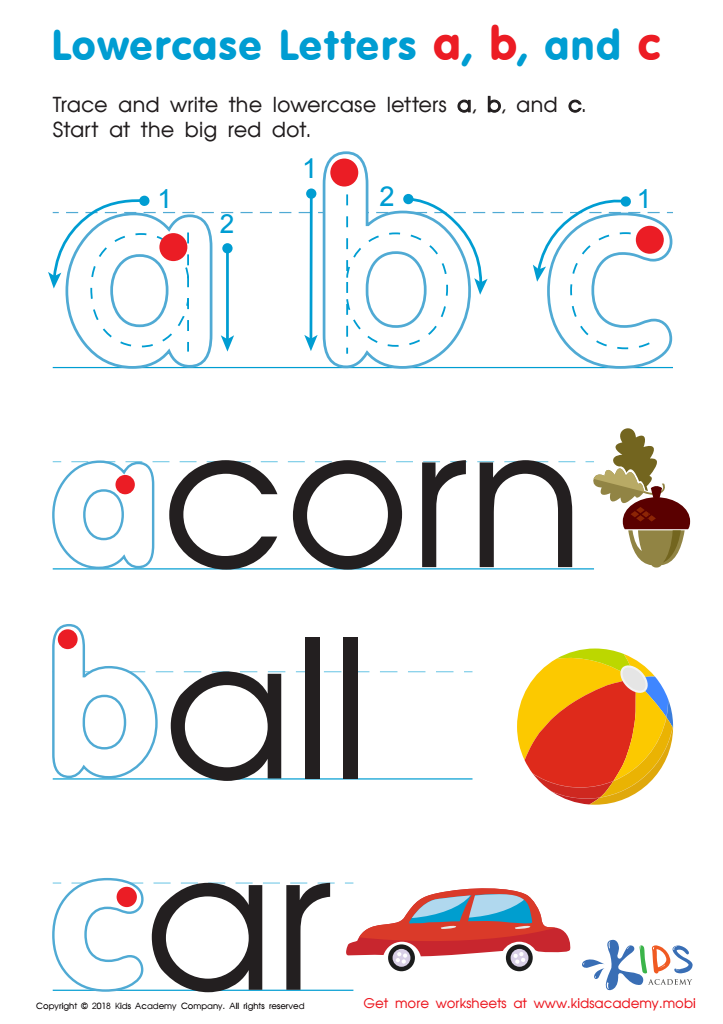
Lowercase Letters a b c Worksheet
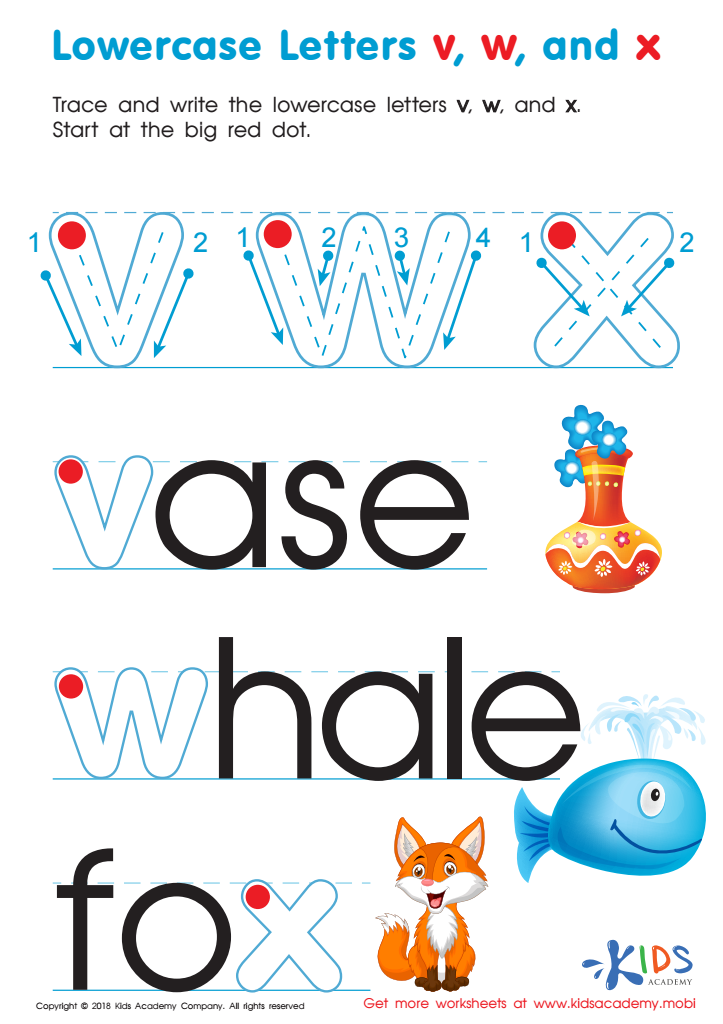
Lowercase Letters v w x Worksheet
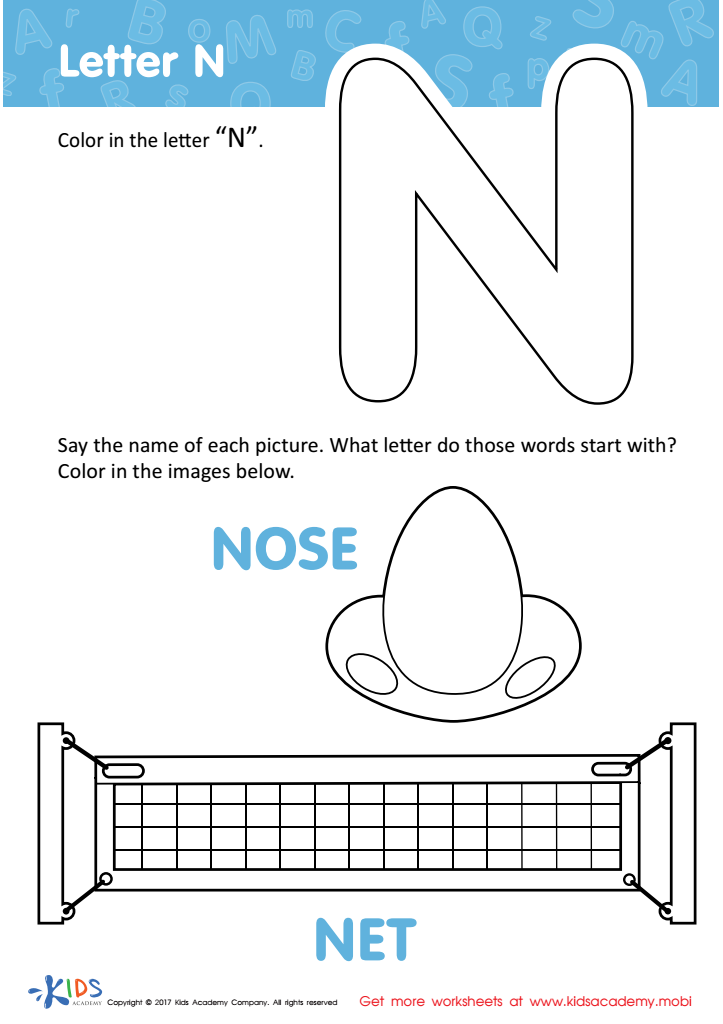
Letter N Coloring Sheet
 Assign to My Students
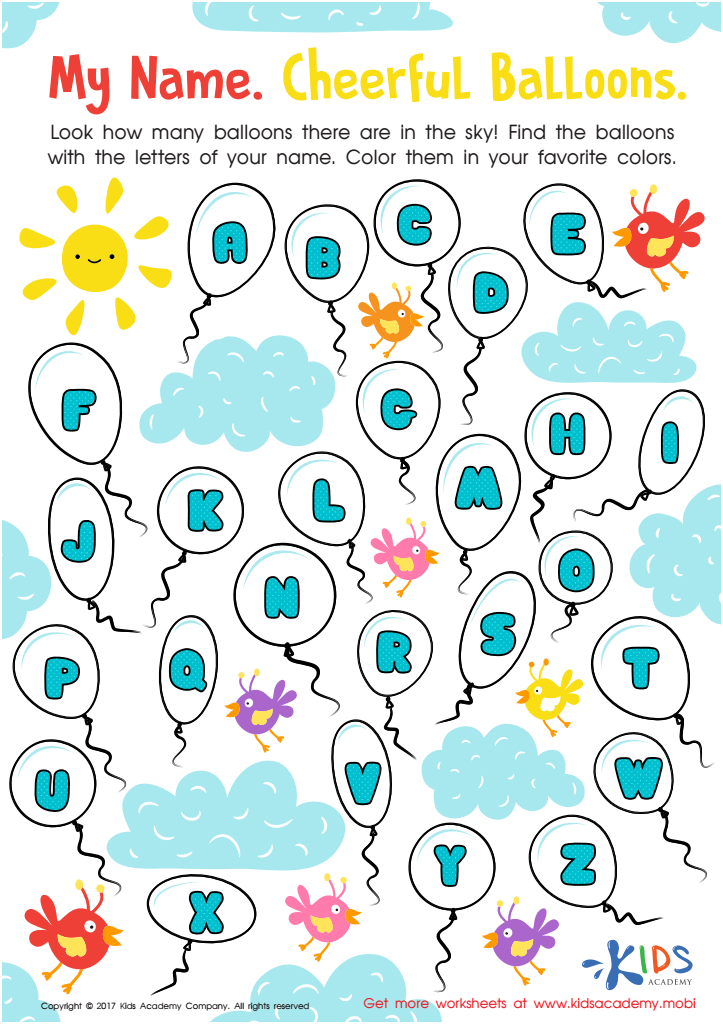
My Name: Cheerful Balloons Worksheet
Assign to My Students
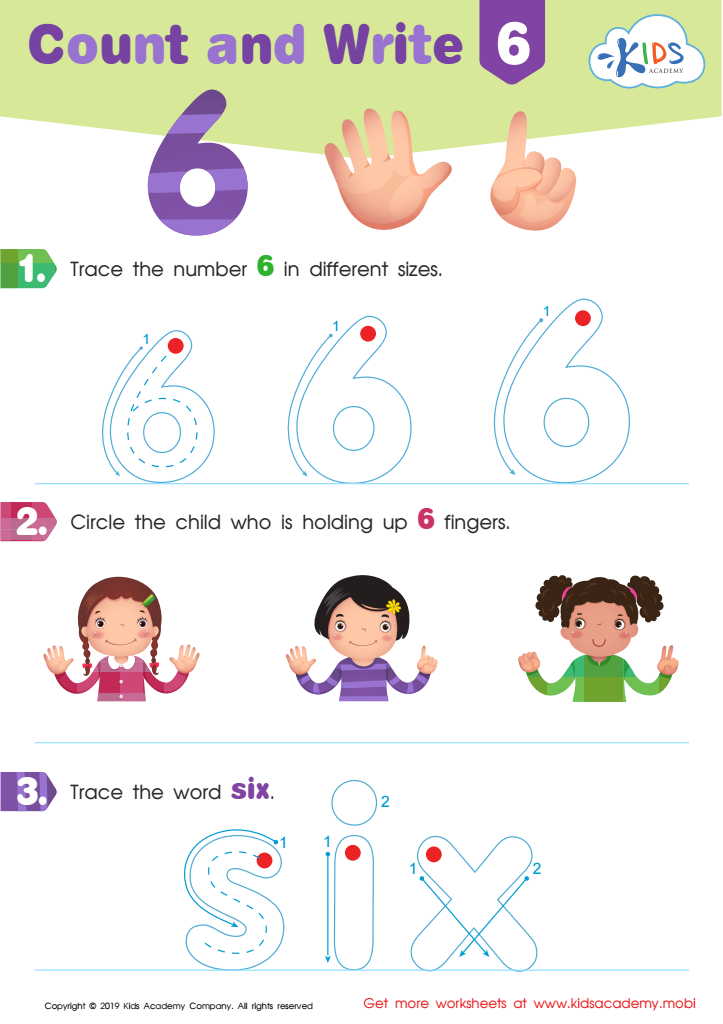
Count and Write 6 Worksheet
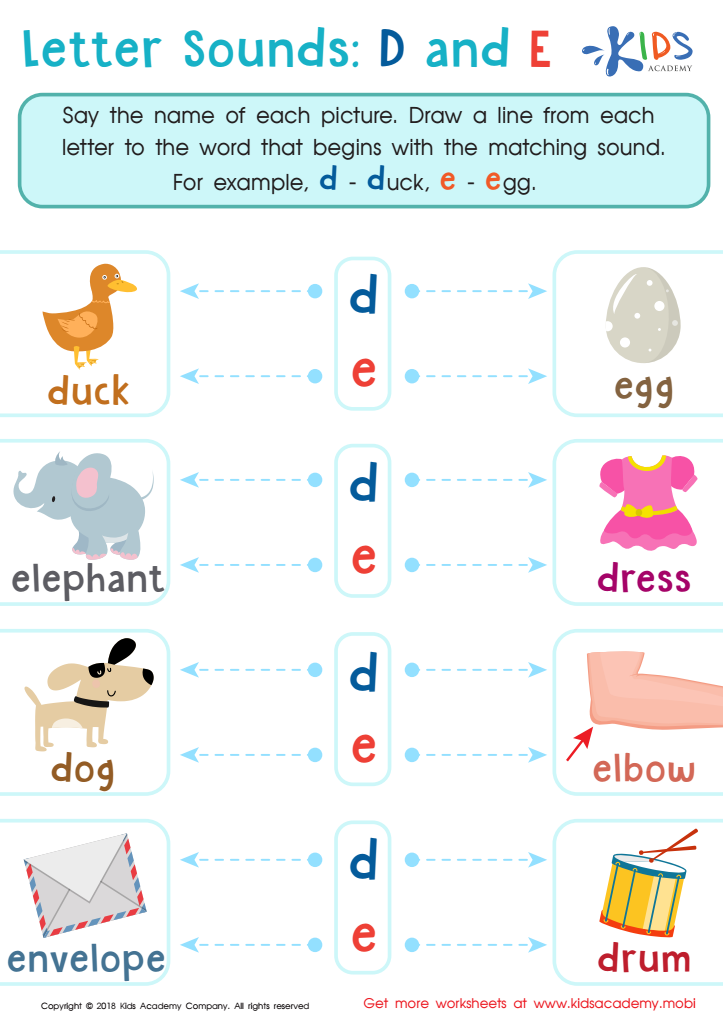
Letter D and E Sounds Worksheet

Uppercase Letters V, W, and X Worksheet
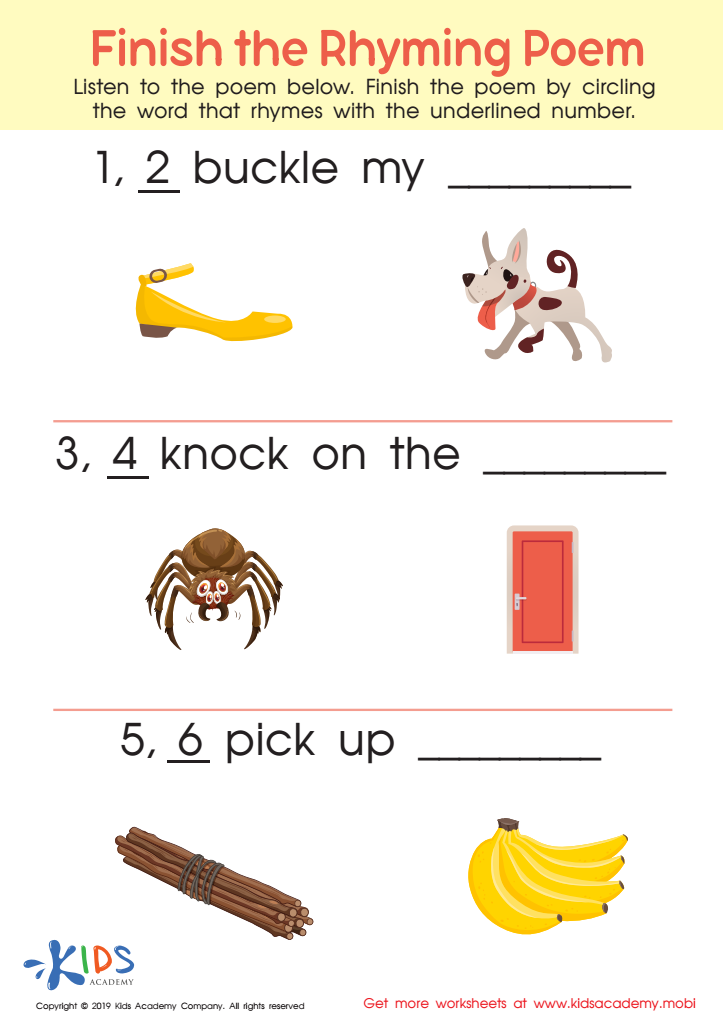
Finish Rhyming Poem Worksheet








Handwriting practice is critical for children aged 4-5, as it lays the cornerstone for successful academic and developmental growth. During these foundational years, young learners' fine motor skills are rapidly developing. Engaging in handwriting exercises helps to refine these skills, enhancing coordination, muscle control, and dexterity. Mastery of fine motor abilities eventually translates into more efficient, legible handwriting—an essential lifelong skill.
Moreover, handwriting practice supports cognitive development by facilitating early literacy skills. Children learn to recognize and form letters, link sounds to symbols, and understand the basic structures of language. This, in turn, translates to improved reading and writing fluency. Furthermore, the consistent practice of writing fosters increased attention spans and heightened concentration.
From an emotional and psychological standpoint, achieving proficiency in handwriting can also boost a child’s confidence and sense of independence. It provides tangible evidence of their ability to communicate their thoughts and creativity in a structured, understandable format.
Therefore, parents and teachers should value and integrate handwriting practice for children aged 4-5, recognizing it not just as a mechanical exercise but as a multidimensional activity that wires the brain for a variety of essential academic and life skills.








