Sound recognition Normal Worksheets for Ages 4-5
5 filtered results
-
From - To
Discover our engaging Sound Recognition Normal Worksheets designed specifically for children ages 4-5! These fun and educational resources help young learners enhance their auditory skills by identifying and distinguishing sounds in their environment. Each worksheet is thoughtfully created to promote active listening and improve phonemic awareness, crucial for early reading development. With colorful visuals and interactive activities, children will enjoy exploring different sounds while honing their cognitive abilities. Perfect for home, preschool, or early kindergarten classrooms, our worksheets provide a seamless way to foster a love for learning. Unlock your child's auditory potential with our delightful sound recognition materials today!
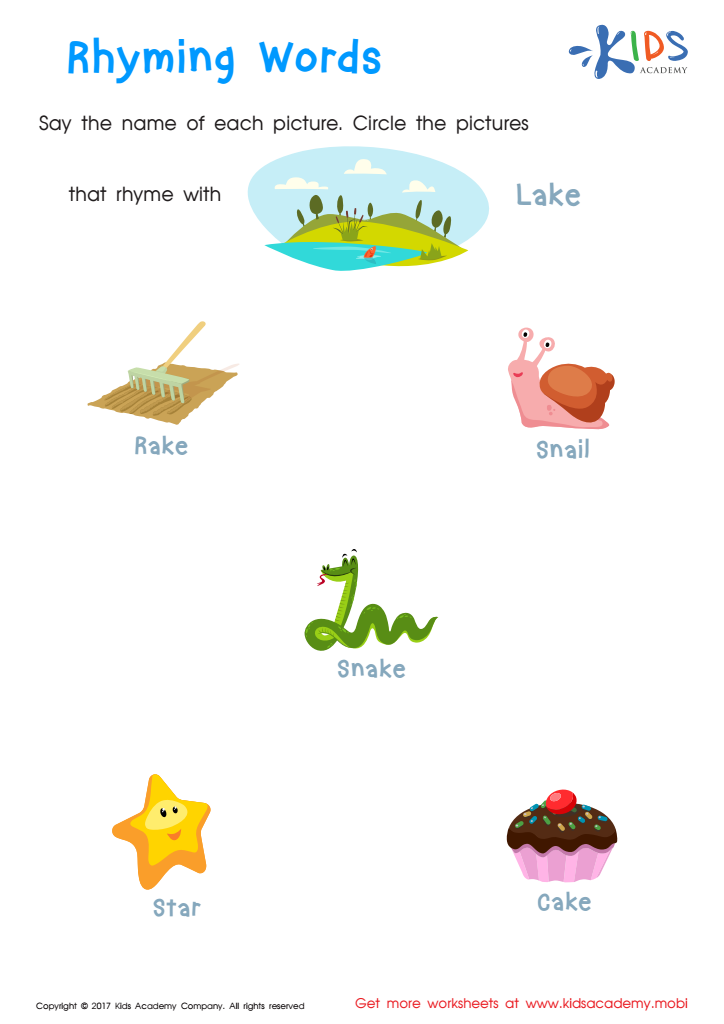
Rhyming Words Rhyming Worksheet
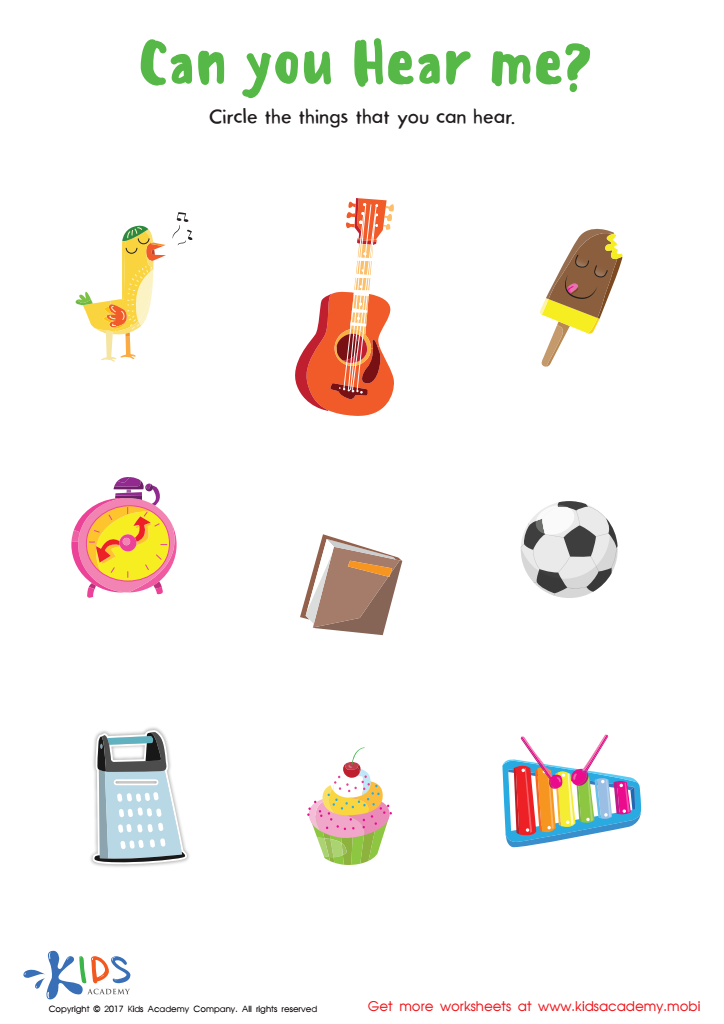
Can You Hear Me Worksheet

Long and Short U Worksheet
 Assign to My Students

First Words: Picture Rhymes Worksheet
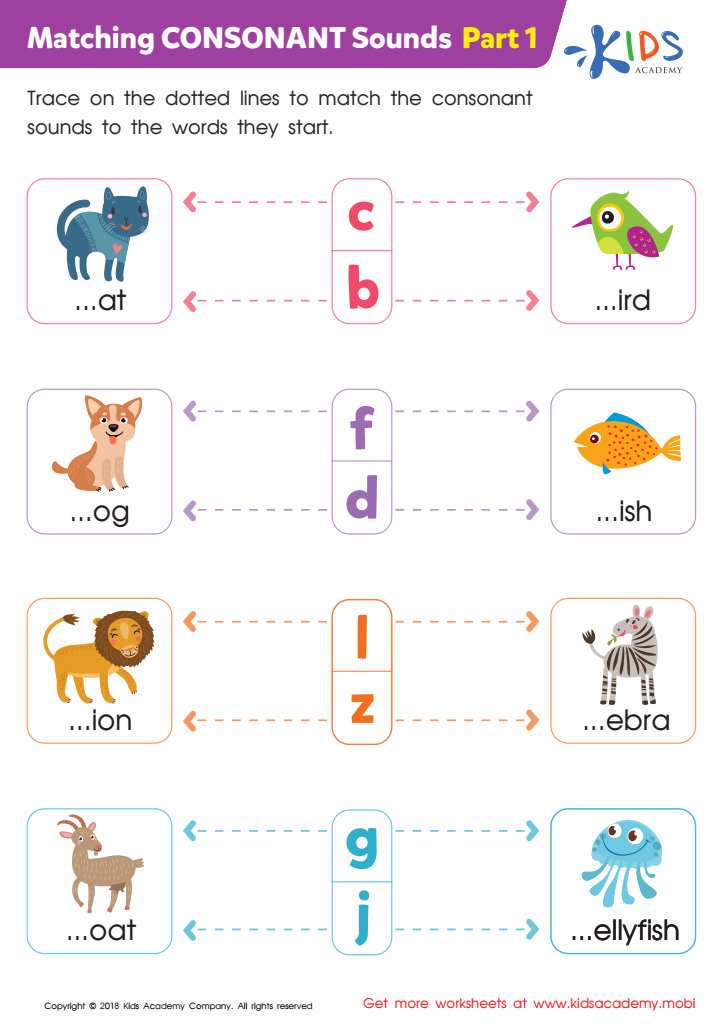
Matching Consonant Sounds: Part 1 Worksheet




.jpg)

Sound recognition is a fundamental skill for children aged 4-5, and it's crucial for parents and teachers to prioritize it in early childhood education. During this developmental stage, children learn to identify, differentiate, and respond to various sounds, which supports their language acquisition and literacy skills.
Caring about sound recognition helps enhance phonemic awareness, the ability to hear and manipulate individual sounds in words. This skill is essential for reading readiness and forms the foundation for successful phonics instruction. When children can discern sounds, they become more capable of recognizing letters and blending sounds to form words, ultimately boosting their reading and writing abilities.
Additionally, sound recognition fosters listening skills vital for effective communication. Children who can recognize and reproduce different sounds often develop better verbal skills and vocabulary, promoting more successful social interactions.
Engaging children in sound-focused activities—such as listening games, singing, and storytelling—cultivates these skills in a fun and interactive way. For parents and teachers, nurturing sound recognition not only prepares children for academic success but also builds their confidence and enthusiasm for learning, setting a positive trajectory for their future education.








