Understanding symmetry Normal Worksheets for Ages 4-5
3 filtered results
-
From - To
Explore the exciting world of symmetry with our specially designed worksheets for ages 4-5! These engaging materials help young learners grasp the concept of symmetry through fun activities and colorful illustrations. Our worksheets promote critical thinking and creativity as children identify symmetrical shapes, complete patterns, and create their own symmetrical designs. Perfect for at-home learning or classroom use, these resources lay a strong foundation in mathematical reasoning while enhancing fine motor skills. Foster your child's understanding of symmetry with interactive and enjoyable exercises that make learning a delightful experience! Get started today and watch them thrive in their early education journey!
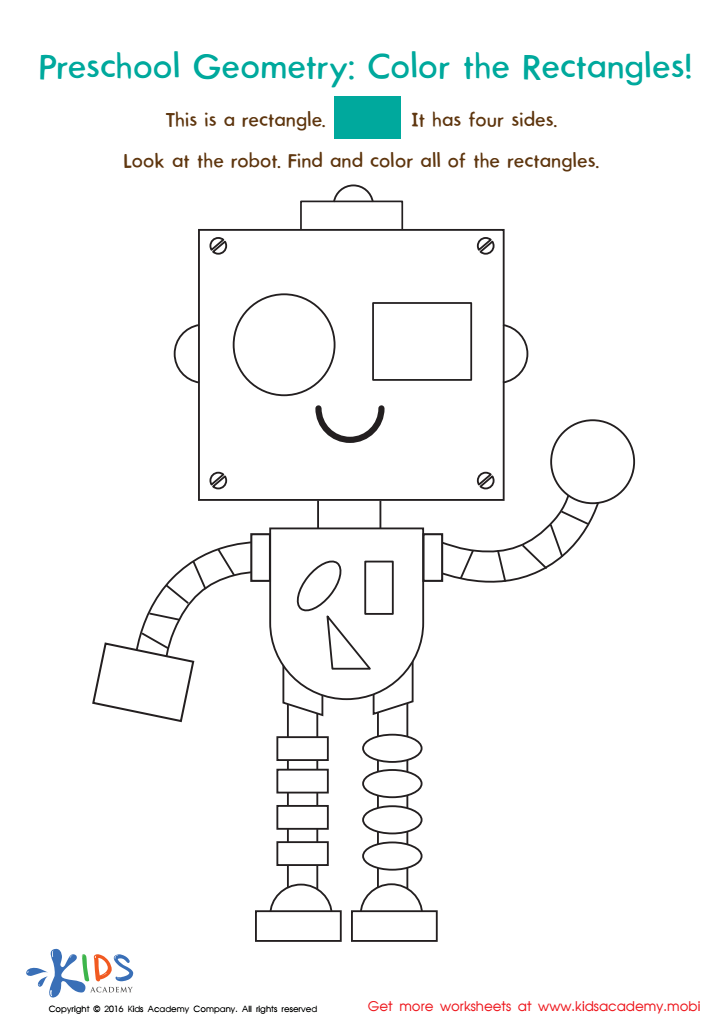
Geometry Worksheet
 Assign to My Students
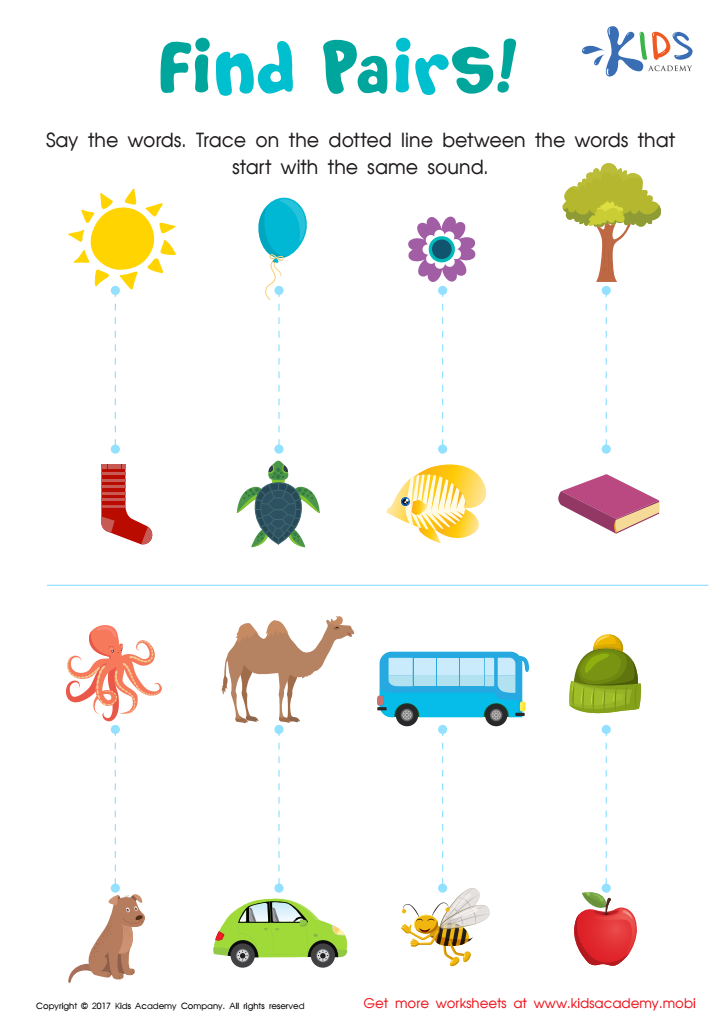
Beginning Sound: Find Pairs Worksheet
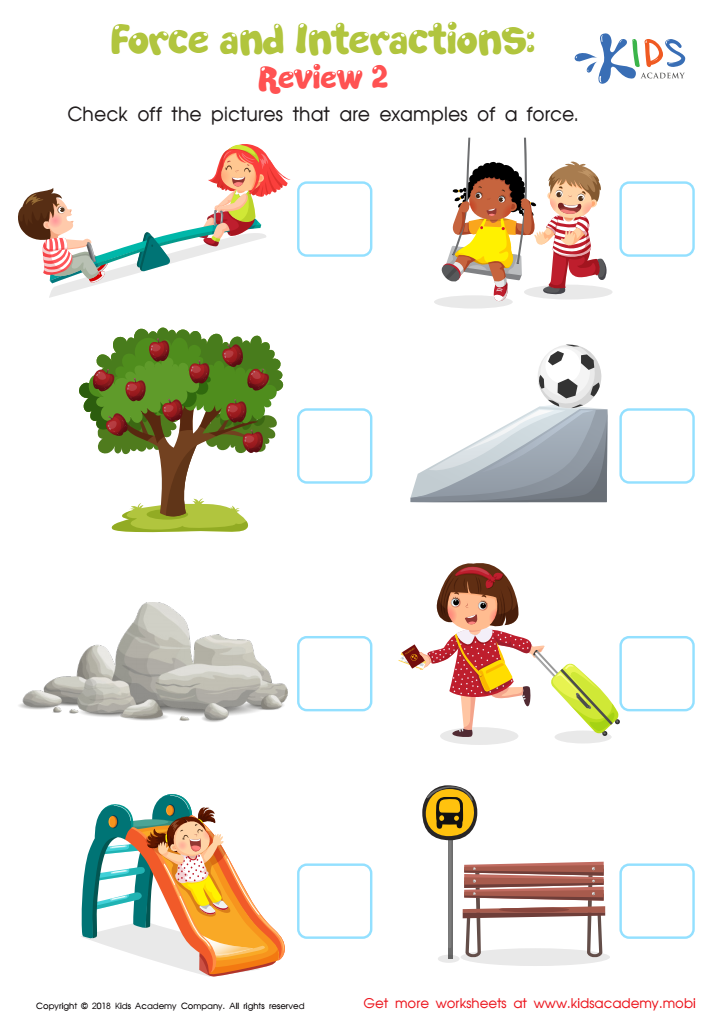
Force and Interactions: Review 2 Worksheet








Understanding symmetry is an essential concept for young learners, particularly for ages 4-5, as it lays the foundation for various cognitive and mathematical skills. For parents and teachers, recognizing the importance of symmetry cultivates children’s abilities to recognize patterns, shapes, and relationships in their environment. This understanding fosters critical thinking and problem-solving skills early on.
Additionally, learning about symmetry enhances fine motor skills through activities like folding, cutting, and drawing symmetrical shapes. These hands-on experiences can make learning engaging and enjoyable, helping children develop a positive attitude towards mathematics.
Moreover, symmetry has real-world applications that extend beyond academics. It can be found in nature, art, architecture, and everyday objects, thus encouraging children to observe and appreciate their surroundings more keenly. By integrating discussions and activities around symmetry, educators and parents can instill a curiosity about geometry and the world, sparking a lifelong interest in science and art.
Ultimately, understanding symmetry supports not only mathematical development but also boosts creativity as children explore how symmetrical patterns can be used in visual expression, leading to a more holistic educational experience. Thus, promoting symmetry understanding should be an integral part of early childhood education.








