Word identification Normal Worksheets for Ages 4-5
3 filtered results
-
From - To
Introduce your little learner to the world of words with our engaging Word Identification Normal Worksheets for ages 4-5. Specially designed to nurture phonemic awareness, these worksheets provide fun, interactive activities that help preschoolers and kindergarteners recognize, read, and write simple words. Each colorful worksheet features adorable illustrations and easy-to-follow instructions to keep children engaged while they develop essential reading skills. Boost their confidence and lay a strong foundation for future literacy success with these expertly crafted resources. Perfect for at-home practice or classroom support, our worksheets make learning an enjoyable adventure!
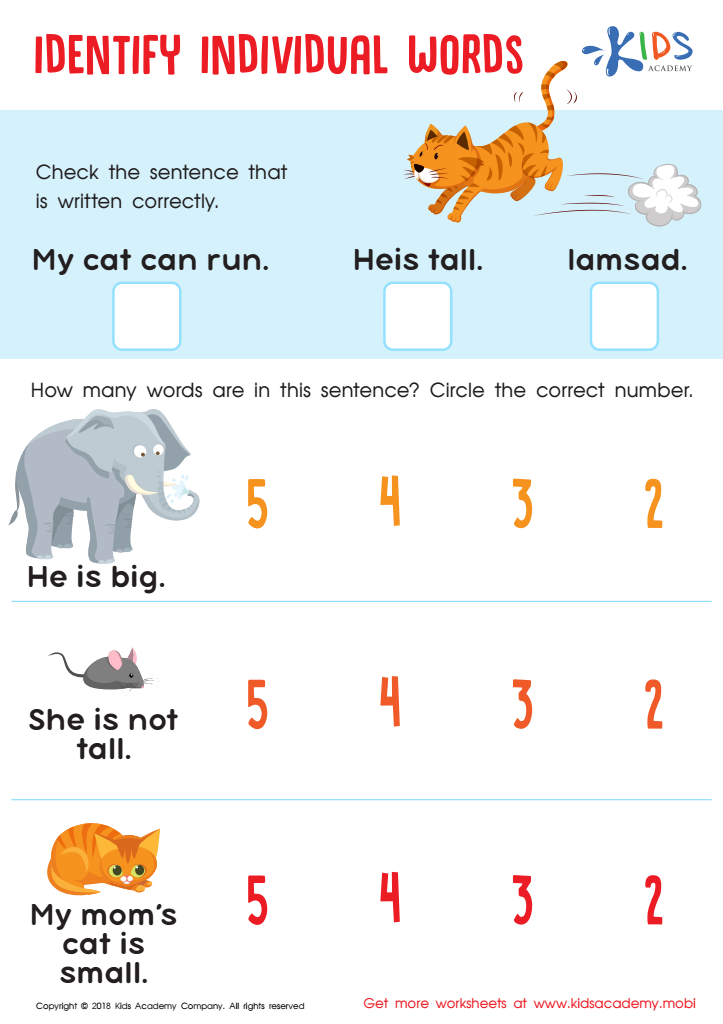
Identify Individual Words Worksheet
 Assign to My Students
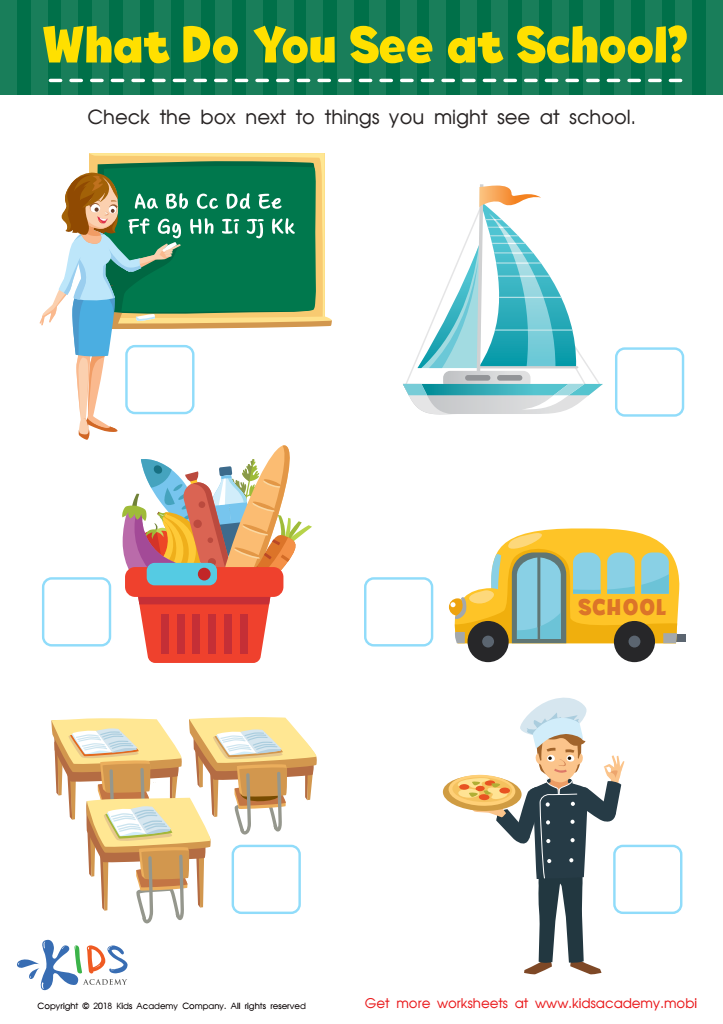
What Do you See at School? Worksheet
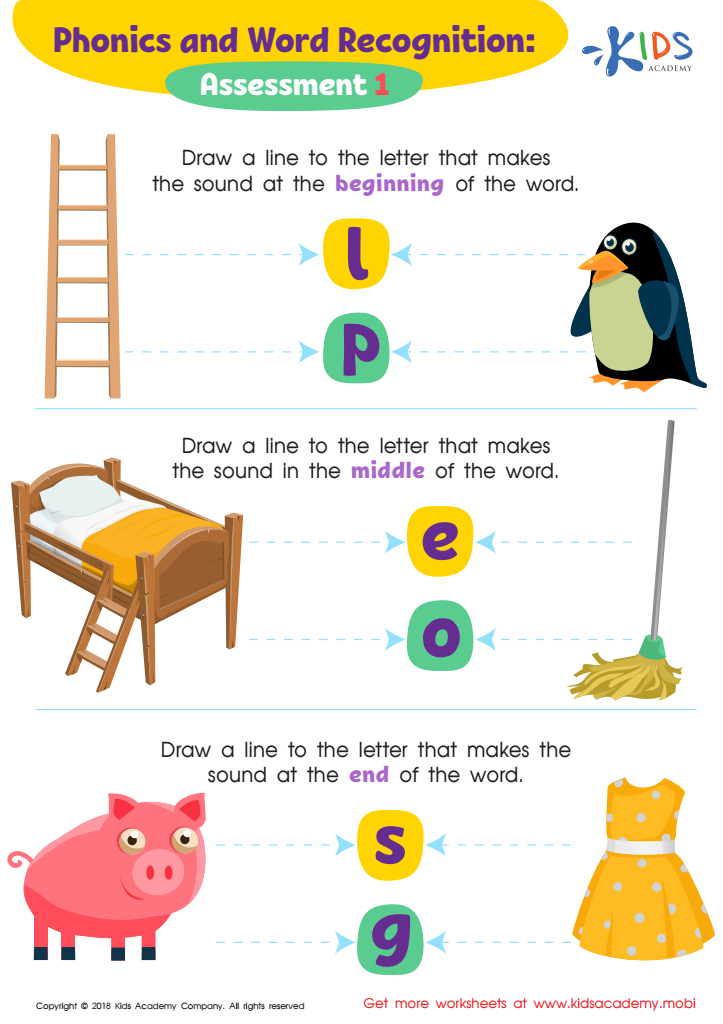
Phonics and Word Recognition: Assessment 1 ELA Worksheet




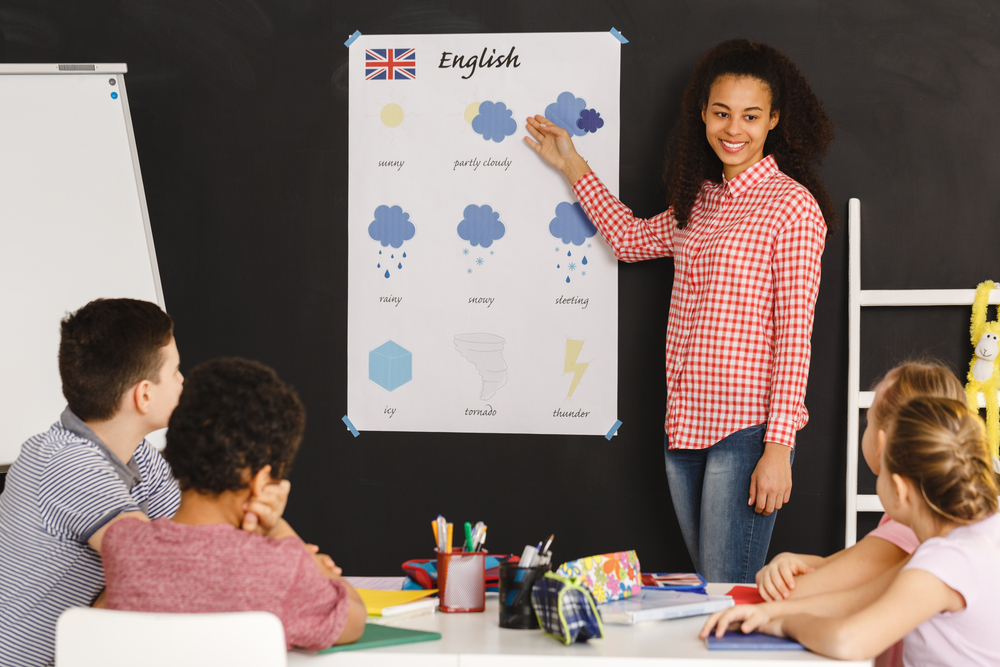



At ages 4-5, children are in a critical stage of their cognitive and linguistic development. Early word identification—the ability to recognize and name words—serves as a foundation for literacy and academic success. Parents and teachers should prioritize this skill as it significantly contributes to a child's reading fluency and comprehension capability.
When children can identify words efficiently, they experience increased confidence and motivation towards learning. This early success becomes particularly important as it helps to establish positive attitudes towards reading and learning, encouraging a lifelong habit. Equipping young children with strong word identification skills also aids their vocabulary development, enabling them to express themselves more effectively and understand the world around them better.
Parents and teachers play crucial roles in this process. Through activities like reading aloud, interactive word games, and guided practice, they can create rich, engaging environments conducive to learning. By monitoring and supporting a child's progress in word identification, adults can detect and address any early signs of reading difficulties, thus preventing future educational challenges.
In short, caring about and fostering word identification skills in children aged 4-5 lays a crucial groundwork for their future academic achievements and personal development, ensuring a smooth transition into formal education.








