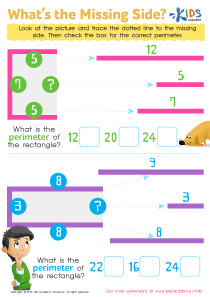
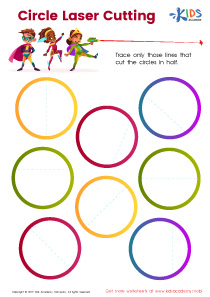
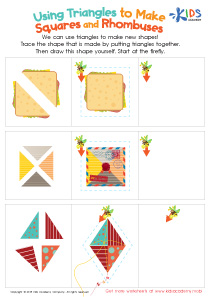
Counting skills Normal 2D Shapes Worksheets for Ages 4-5
4 filtered results
-
From - To
Discover our specially designed "Counting Skills Normal 2D Shapes Worksheets" for ages 4-5. Perfect for young learners, these worksheets seamlessly blend fundamental counting skills with 2D shape recognition. Each engaging activity encourages children to count shapes like circles, squares, and triangles, strengthening both their numeracy and geometry foundations. Ideal for preschool and kindergarten students, these vibrant, fun-filled worksheets provide an excellent resource for mastering basic math concepts. Help your child build confidence and develop essential math skills with our expertly crafted activities at Kids Academy!
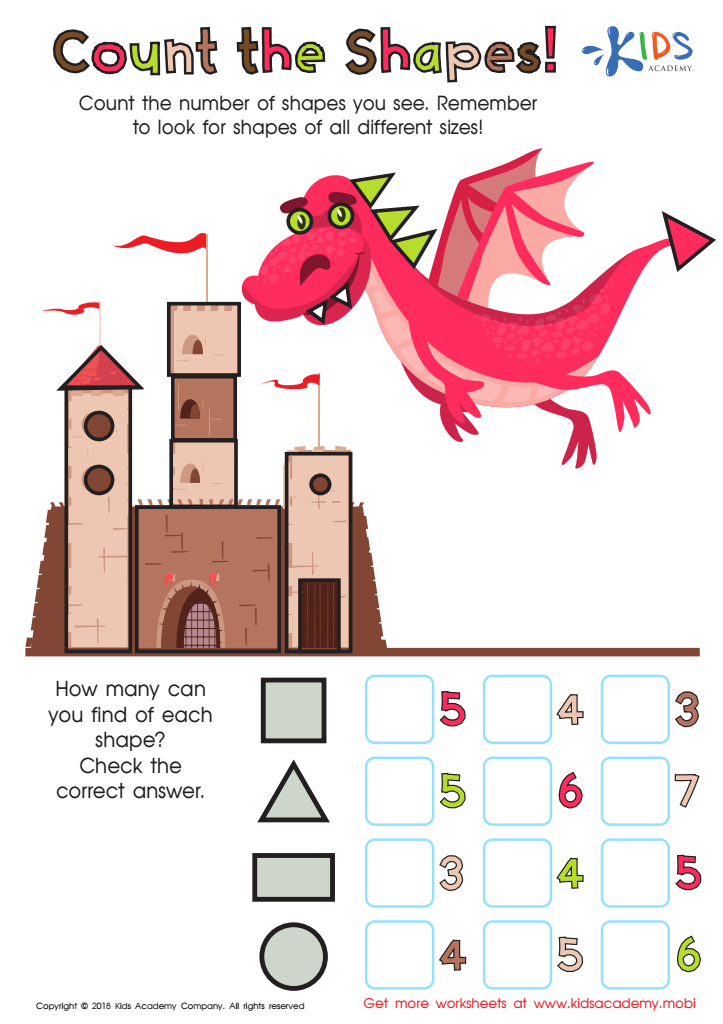
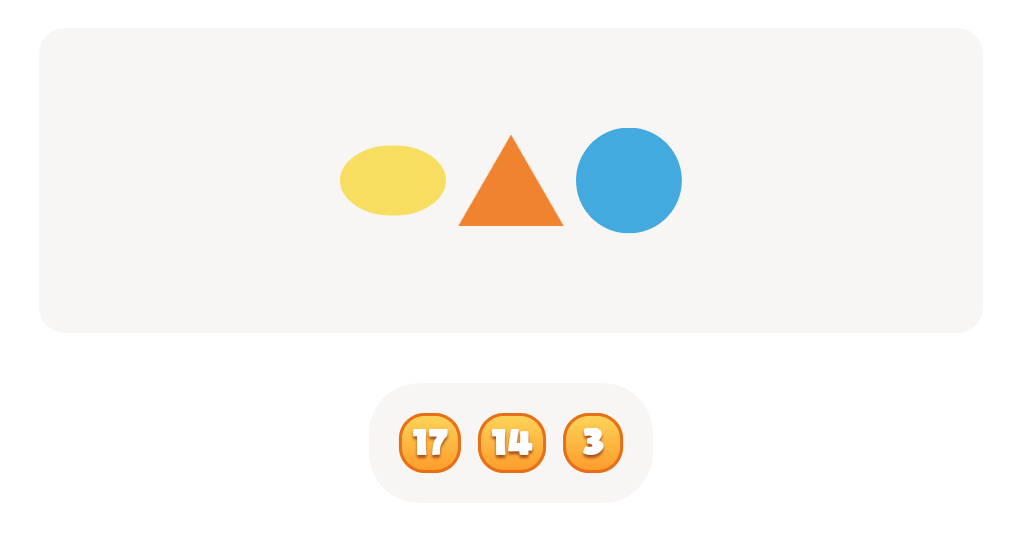
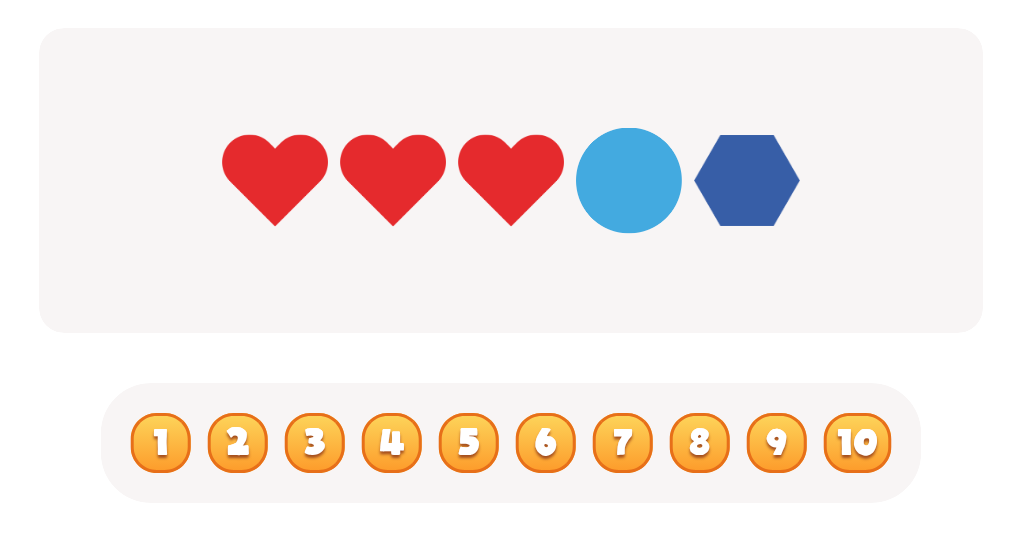
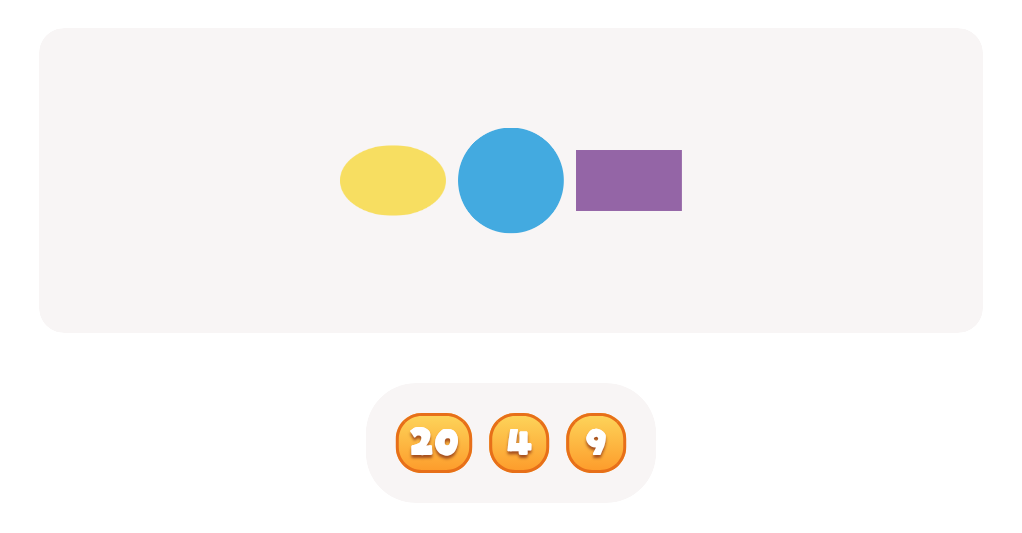
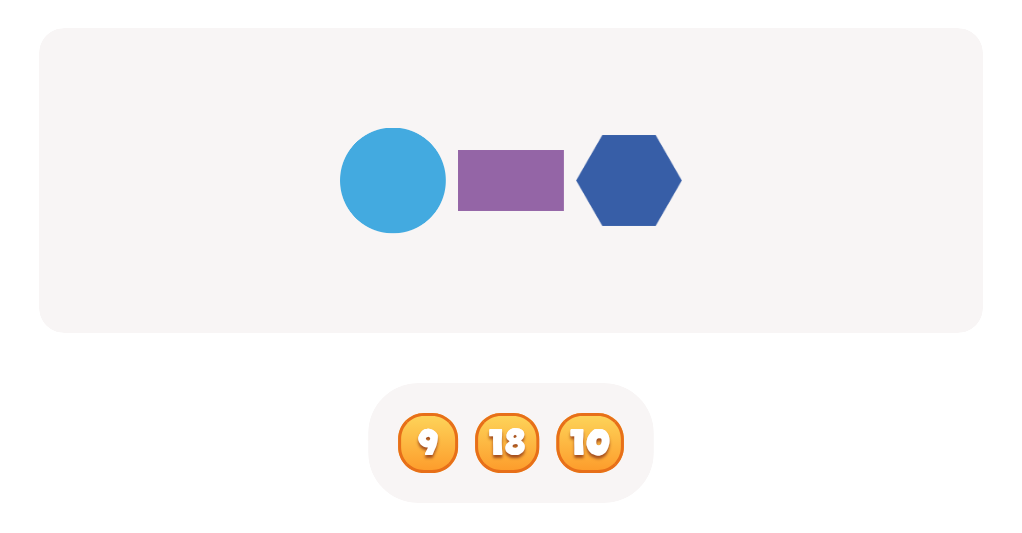
Count the Shapes Worksheet
 Assign to My Students




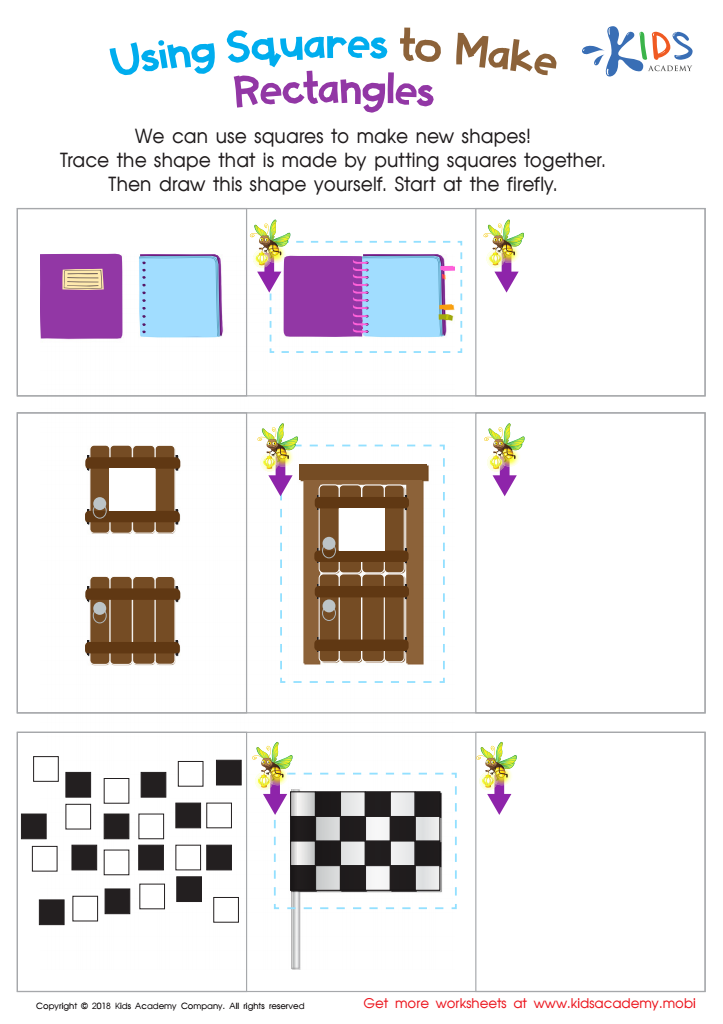
Using Squares to Make Rectangles Worksheet
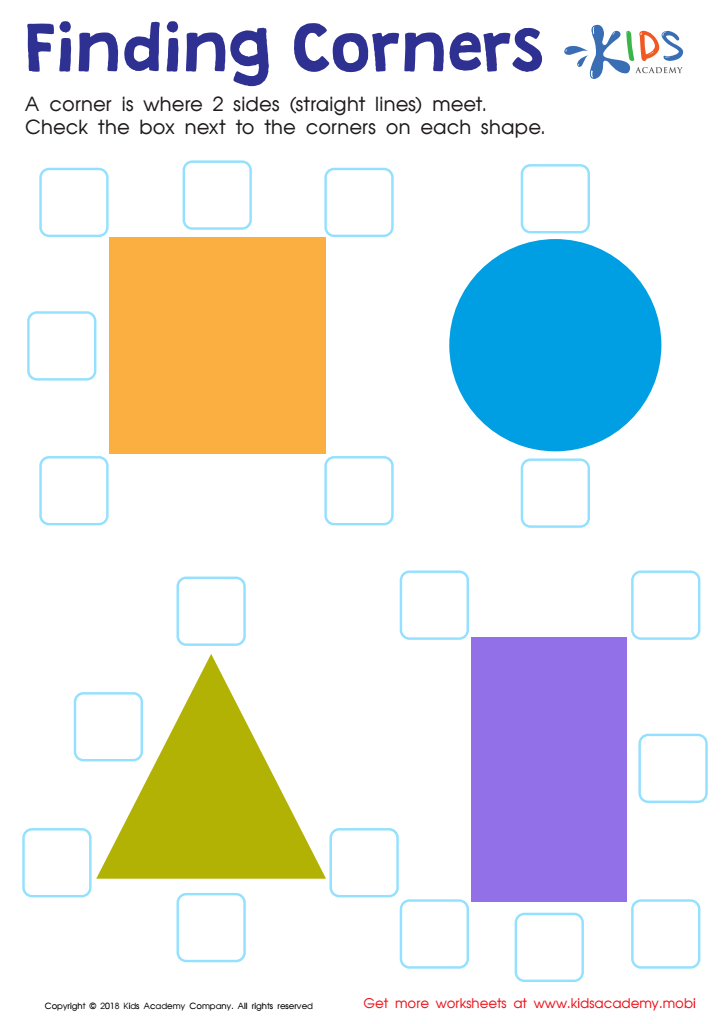
Finding Corners Worksheet
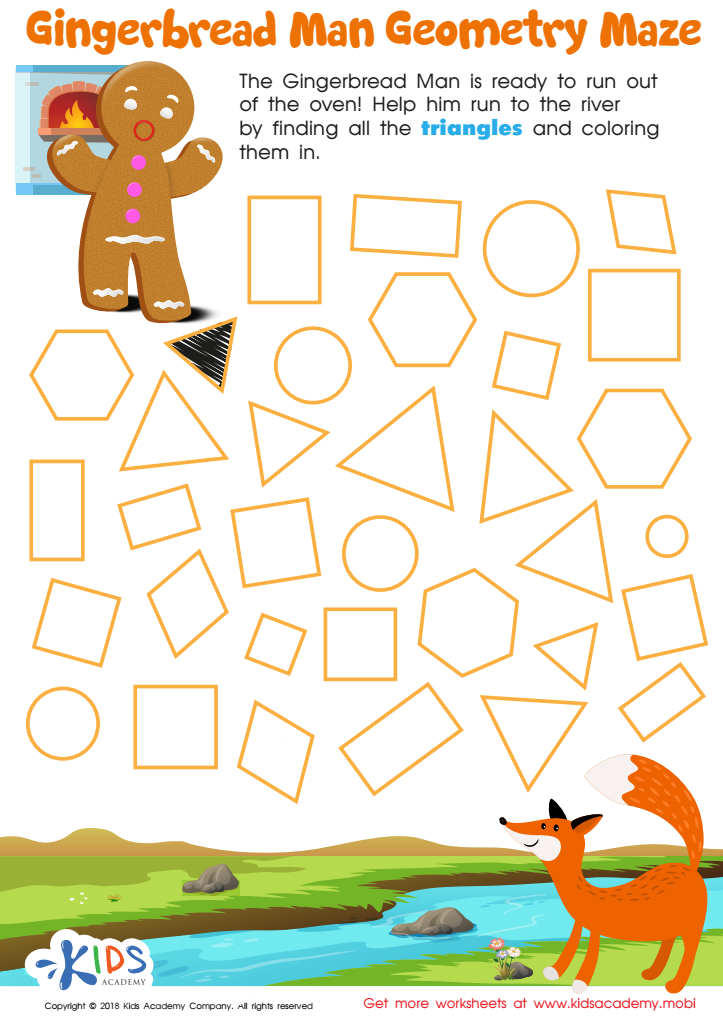
Gingerbread Man Geometry Maze Worksheet








Counting skills and familiarity with basic 2D shapes are fundamental building blocks for young children, particularly those aged 4-5. At this formative age, children develop cognitive abilities rapidly, and counting helps enhance their early numeracy skills. Understanding numbers and their order fosters a sense of quantity and sequence, which is essential for future math learning. Counting also improves memory and attention span, allowing children to process more complex information as they grow.
Learning about 2D shapes, like circles, squares, and triangles, is equally crucial. Shape recognition involves visual and spatial perception, which are important for tasks that require understanding spatial relationships, such as reading and writing. Recognizing and naming shapes also enriches a child's vocabulary and language skills, as they learn to describe the world around them. When children handle or draw shapes, they develop fine motor skills and hand-eye coordination, essential for writing.
Moreover, early math skills, including counting and shape recognition, serve as indicators of future academic success. By fostering these abilities, parents and teachers prepare children not only for school education but also for practical problem-solving in daily life. Investing time in these areas promotes confidence and a positive attitude towards learning, laying the groundwork for lifelong educational achievement.