Shape identification Normal 2D Shapes Worksheets for Ages 4-5
4 filtered results
-
From - To
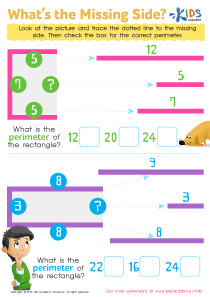
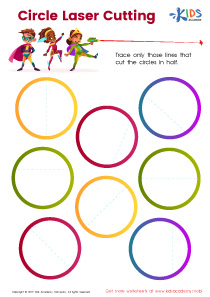
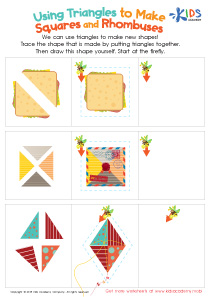
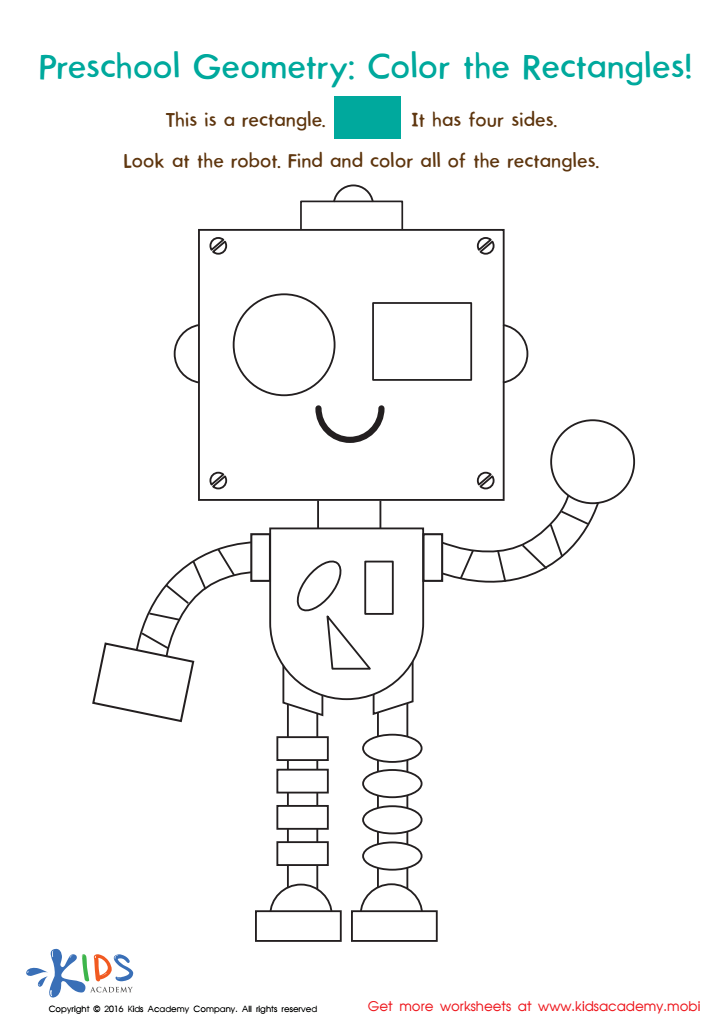
Discover our engaging Shape Identification Normal 2D Shapes Worksheets, specially designed for children ages 4-5! These meticulously crafted worksheets provide a fun and interactive way for young learners to identify and understand basic 2D shapes such as circles, squares, triangles, and rectangles. With colorful illustrations and simple exercises, children will strengthen their shape recognition skills, enhance their vocabulary, and ignite their creativity. Perfect for preschool and kindergarten classrooms or at-home learning, these worksheets encourage independent work and can be easily integrated into lesson plans. Foster a love for math and boost confidence in early learners with our delightful shape identification resources!
Geometry Worksheet
 Assign to My Students

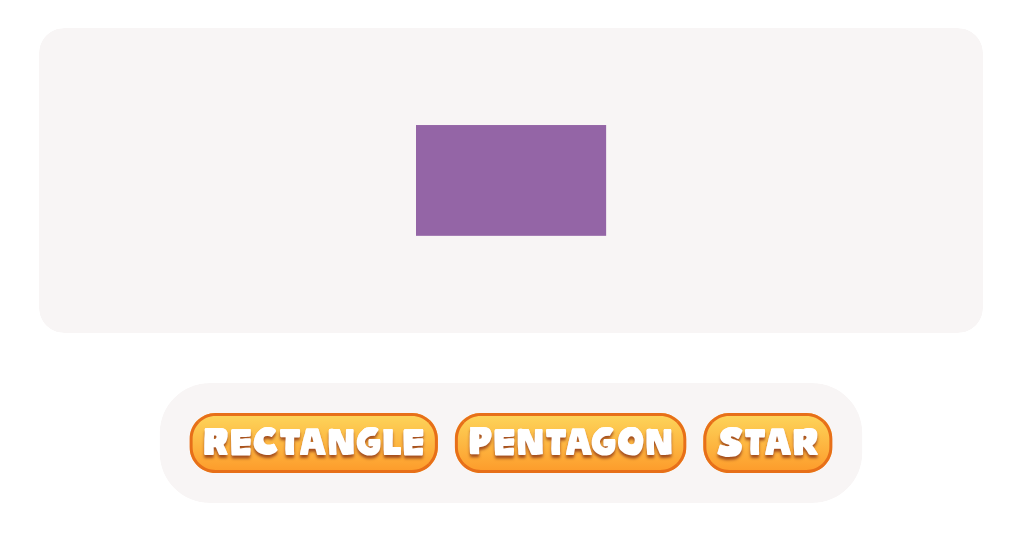
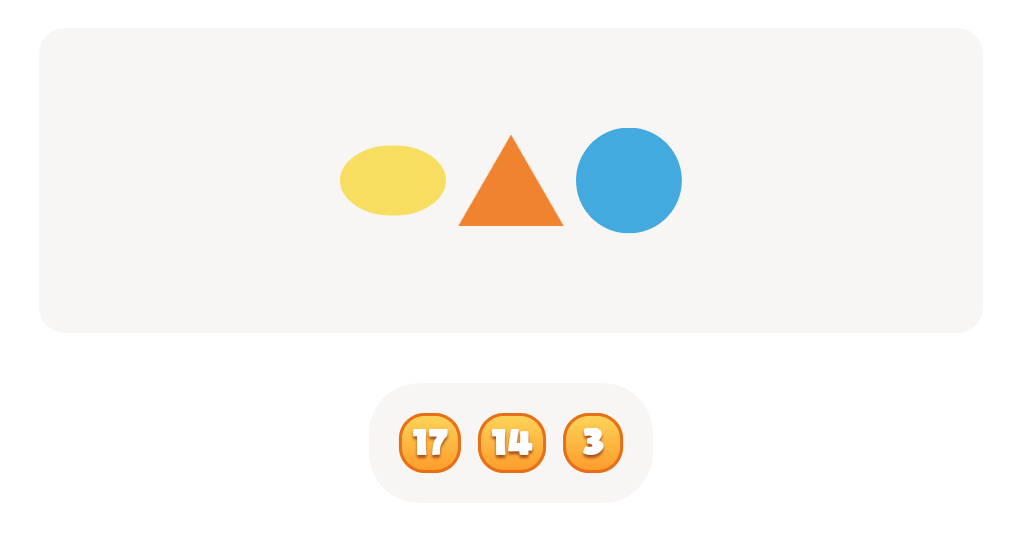
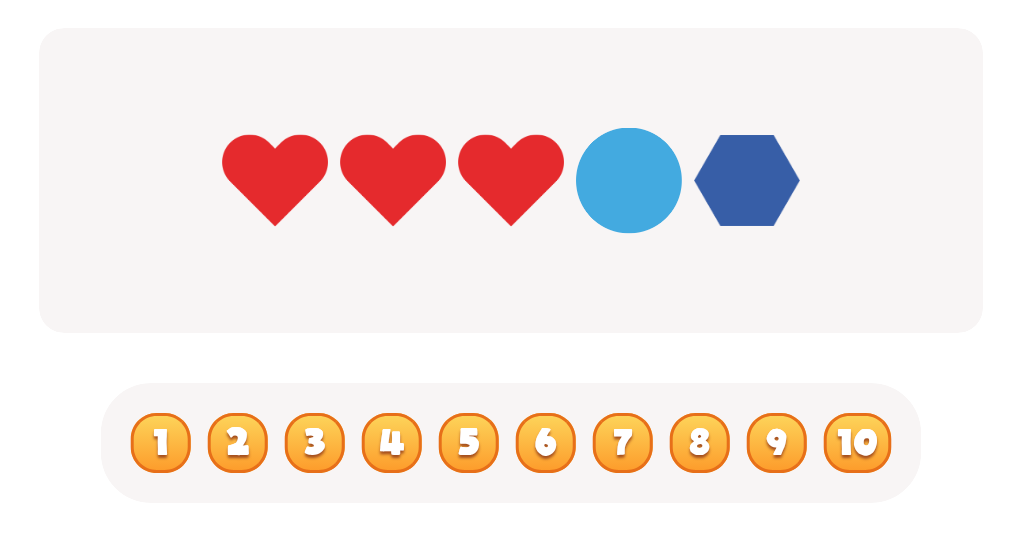
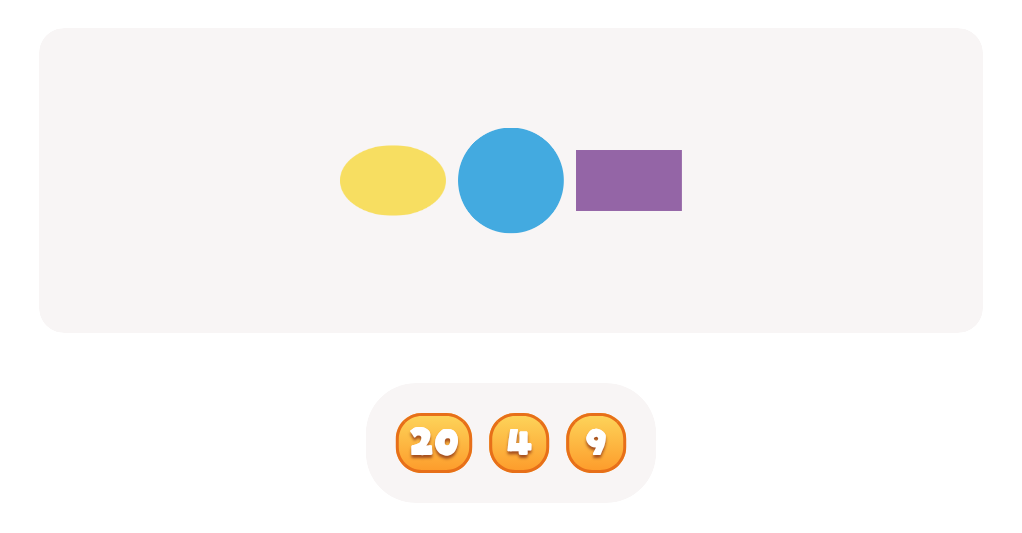
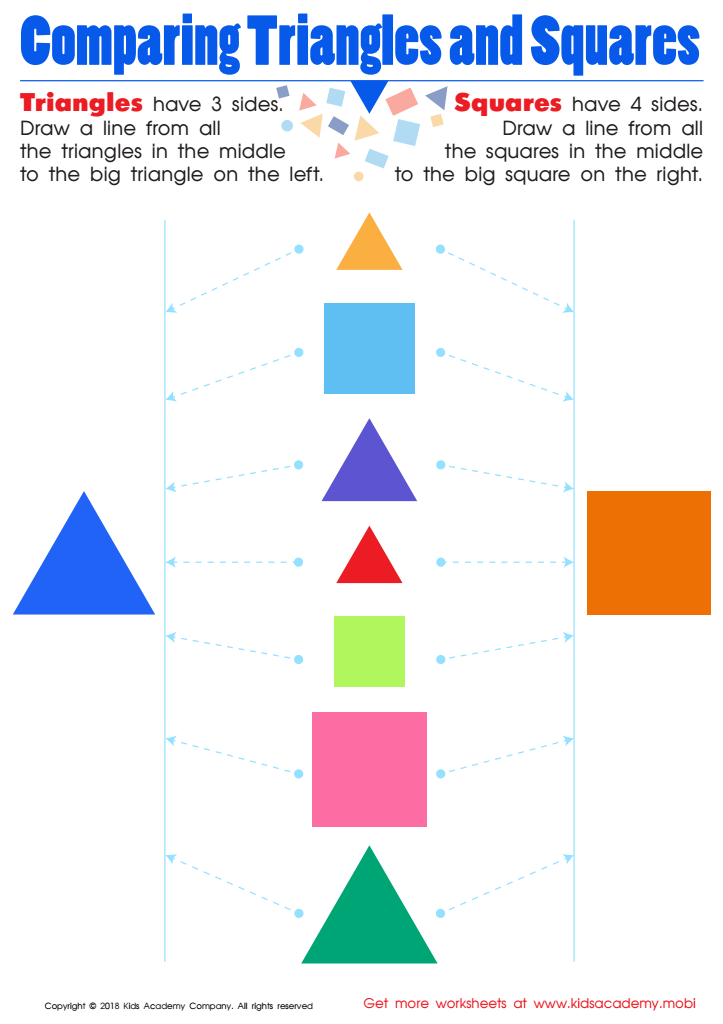
Comparing Triangles Squares Worksheet
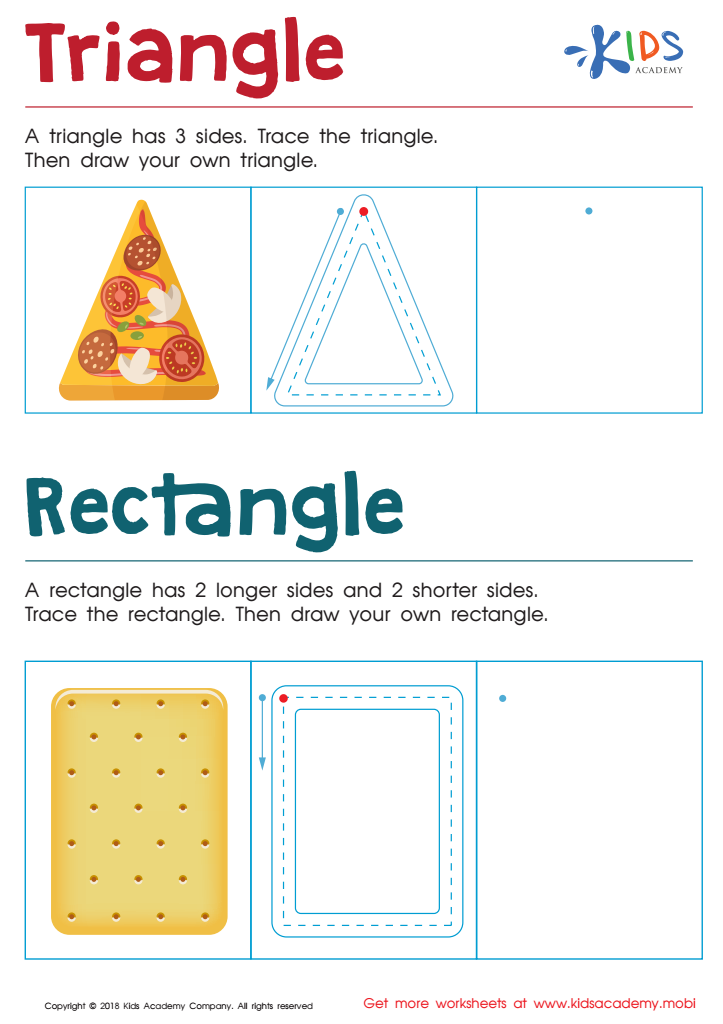
Triangle Rectangle Worksheet
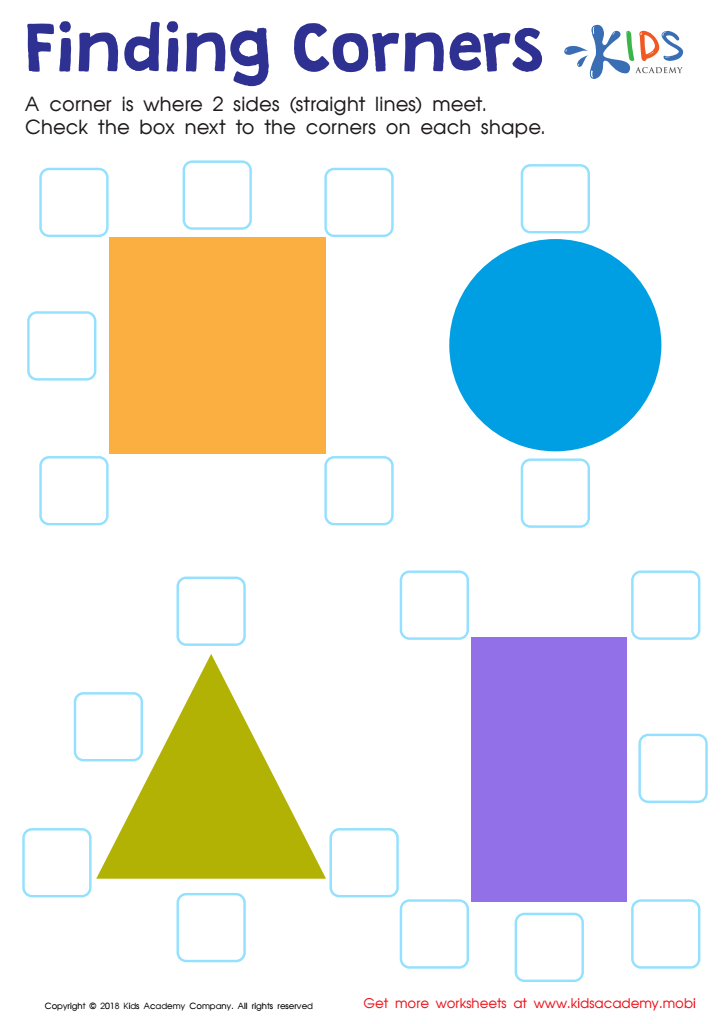
Finding Corners Worksheet








Shape identification of normal 2D shapes is crucial for children aged 4-5 as it lays the foundation for their mathematical understanding and spatial awareness. At this developmental stage, children are naturally curious and engage with the world around them through exploration and play. Teaching them to identify shapes—such as circles, squares, triangles, and rectangles—helps enhance their observational skills and encourages critical thinking.
Understanding shapes also facilitates cognitive development. This knowledge supports early problem-solving skills as children learn to categorize and differentiate between various shapes in their environment. Additionally, shape identification fosters language development, as teachers and parents can introduce shape-related vocabulary, enhancing communication skills.
Moreover, shape recognition is linked to future mathematical concepts. Identifying 2D shapes serves as a precursor to more complex topics, such as geometry and measurement, which children will encounter later in their education. Socially, engaging in shape identification activities can improve cooperation and teamwork during group tasks.
Overall, by prioritizing shape identification in early education, parents and teachers not only enrich children's learning experiences but also equip them with essential skills that will benefit their academic journey and everyday life.