Mathematical reasoning Normal Addition & Subtraction Worksheets for Ages 4-5
6 filtered results
-
From - To
Enhance your child's mathematical reasoning with our engaging Normal Addition & Subtraction Worksheets designed specifically for ages 4-5. These worksheets introduce foundational concepts in a fun and interactive way, helping young learners grasp essential math skills. Each worksheet features vibrant illustrations and age-appropriate tasks that promote problem-solving and critical thinking. Kids will build confidence as they practice addition and subtraction through various engaging activities. Perfect for homeschoolers, classroom settings, or extra practice at home, these printable worksheets support early numeracy while sparking a lifelong love for math. Explore our resources now and watch your child's skills flourish!
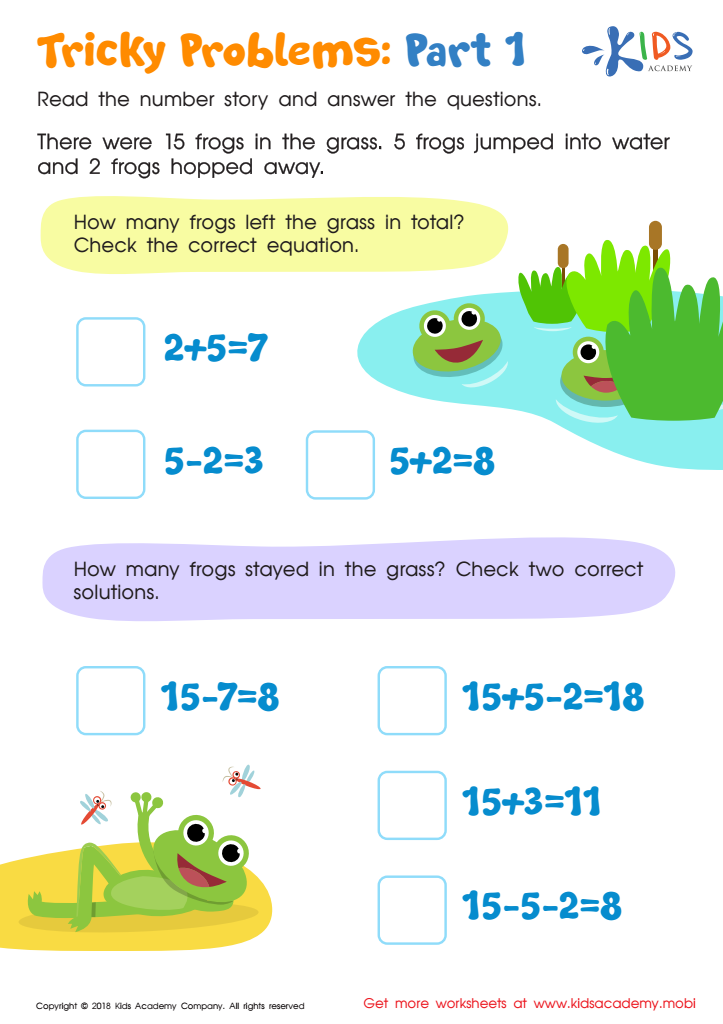
Tricky Problems Worksheet: Part 1
 Assign to My Students
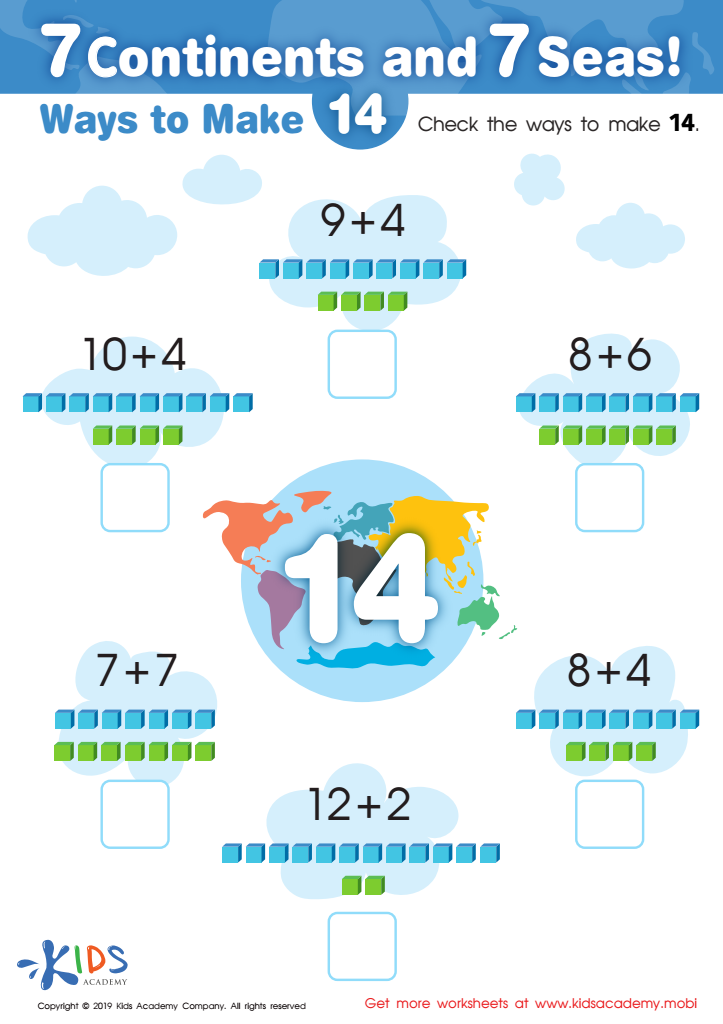
7 Continents and 7 Seas Worksheet
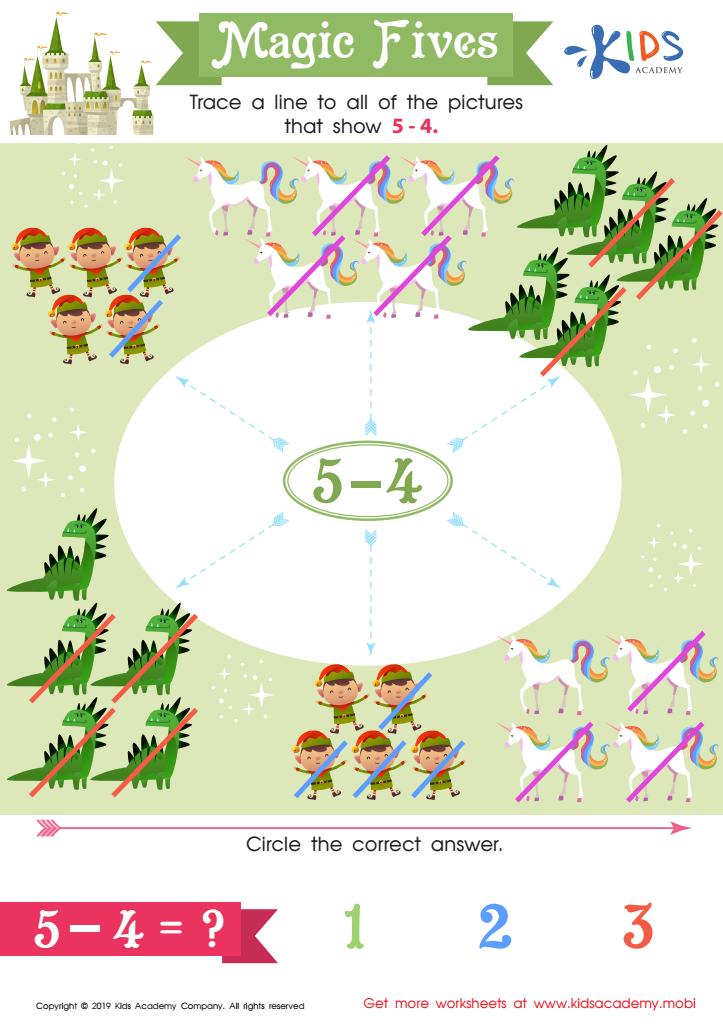
Magic Fives Worksheet
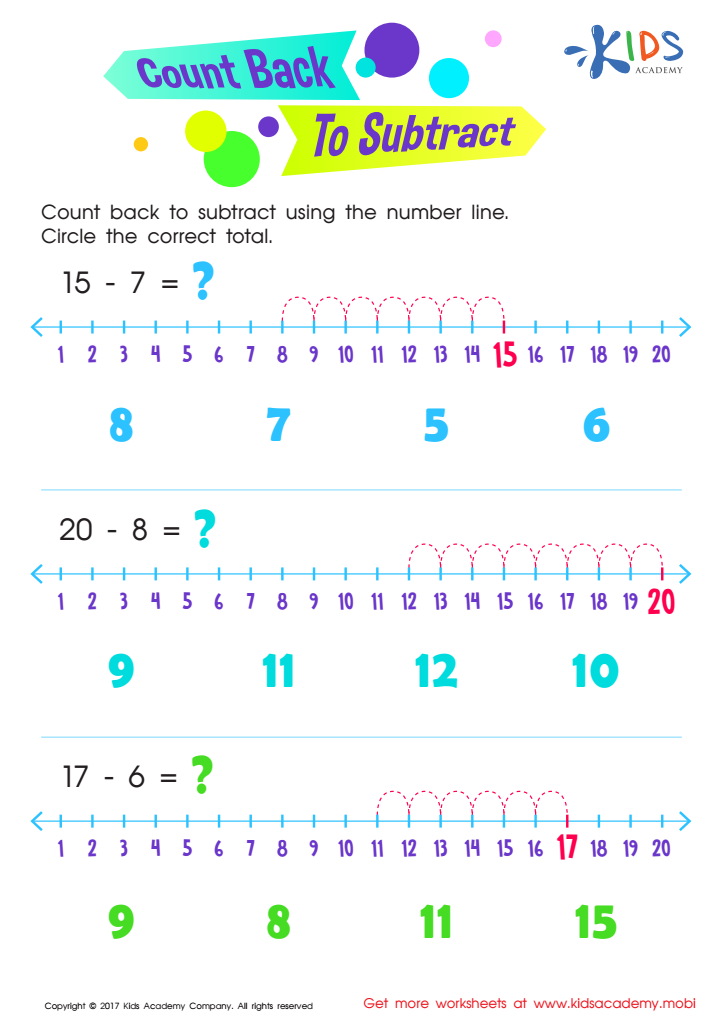
Count Back to Subtract Substraction Worksheet
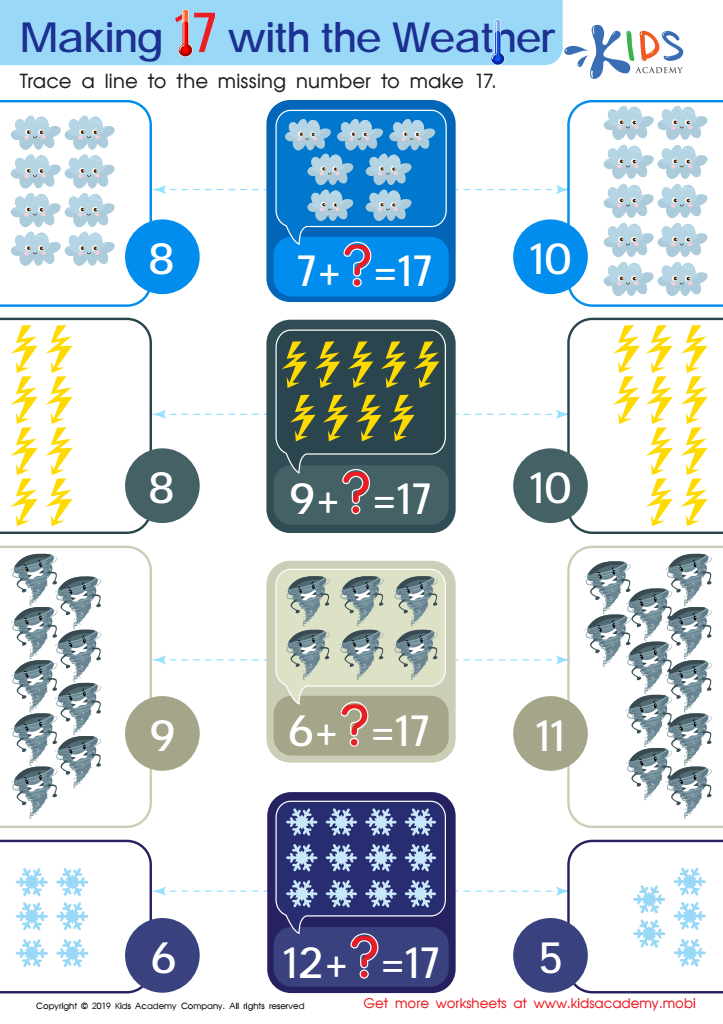
Making 17 with the Weather Worksheet
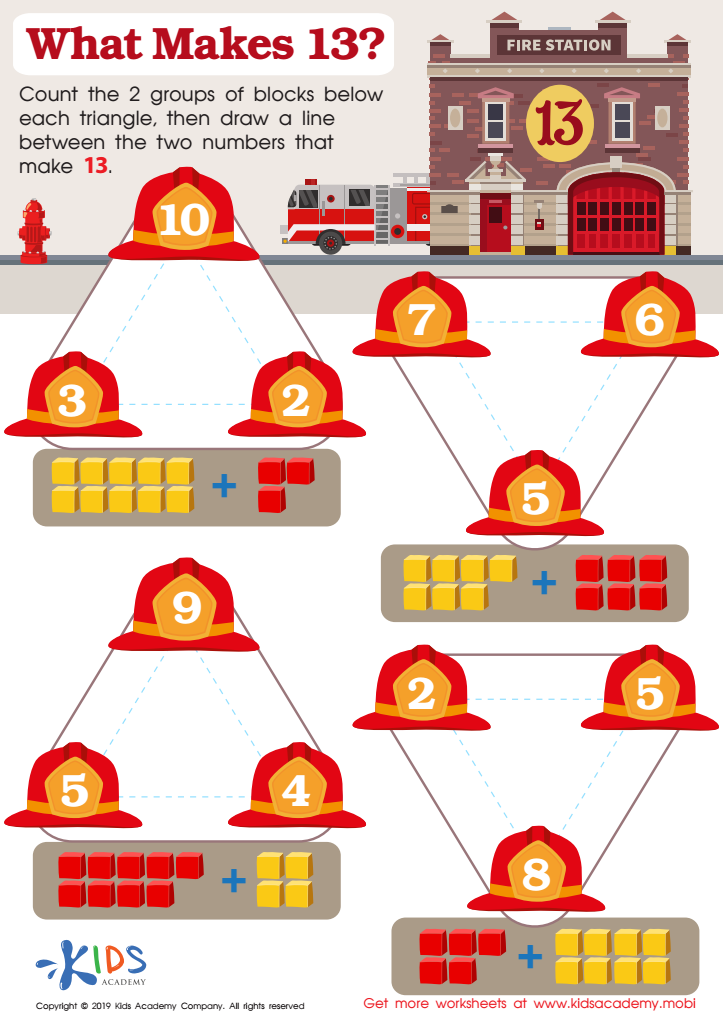
What Makes 13 Worksheet








Mathematical reasoning in normal addition and subtraction is fundamental for children aged 4-5, as it forms the backbone of their early numerical understanding. At this developmental stage, children are naturally curious and eager to learn, making it a prime opportunity to introduce essential math concepts.
Firstly, strong addition and subtraction skills enhance problem-solving abilities. When children engage in these operations, they learn to analyze situations, make predictions, and verify their answers, which are crucial skills beyond mathematics. Additionally, understanding these foundational operations helps develop number sense, enabling children to comprehend relationships between numbers and recognize patterns.
Moreover, mathematical reasoning fosters confidence. Children who master basic addition and subtraction feel a sense of accomplishment, which motivates them to tackle more complex mathematical concepts as they progress. Encouraging this reasoning also supports critical thinking and logical reasoning skills, aiding in academic achievement across all subjects.
Lastly, parental and teacher involvement in fostering mathematical reasoning is vital. Engaging with children through games, storytelling, and everyday explorations encourages a positive attitude toward math. This early supportive environment cultivates a lifelong appreciation for mathematics, equipping children with tools that will help them navigate future educational challenges successfully.








