Fine Motor Skills Normal Counting Worksheets for Ages 4-5
3 filtered results
-
From - To
Enhance your child's fine motor skills with our engaging Normal Counting Worksheets designed specifically for ages 4-5! These fun and interactive worksheets not only help young learners develop essential counting abilities but also promote hand-eye coordination and dexterity. Through a variety of activities such as tracing, connecting dots, and counting objects, children will gain confidence in their mathematical skills while strengthening their hand movements. Perfect for parents and educators, these worksheets provide an enjoyable way to support early learning at home or in the classroom. Join us in fostering your child's growth and curiosity with our delightful counting resources!
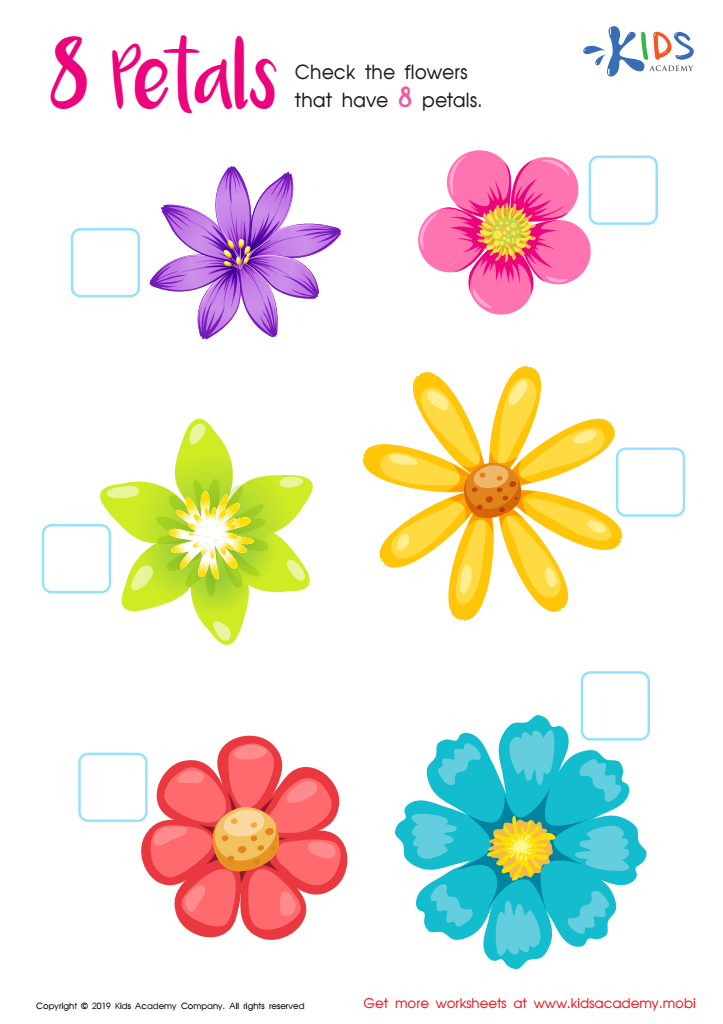
8 Petals Worksheet
 Assign to My Students


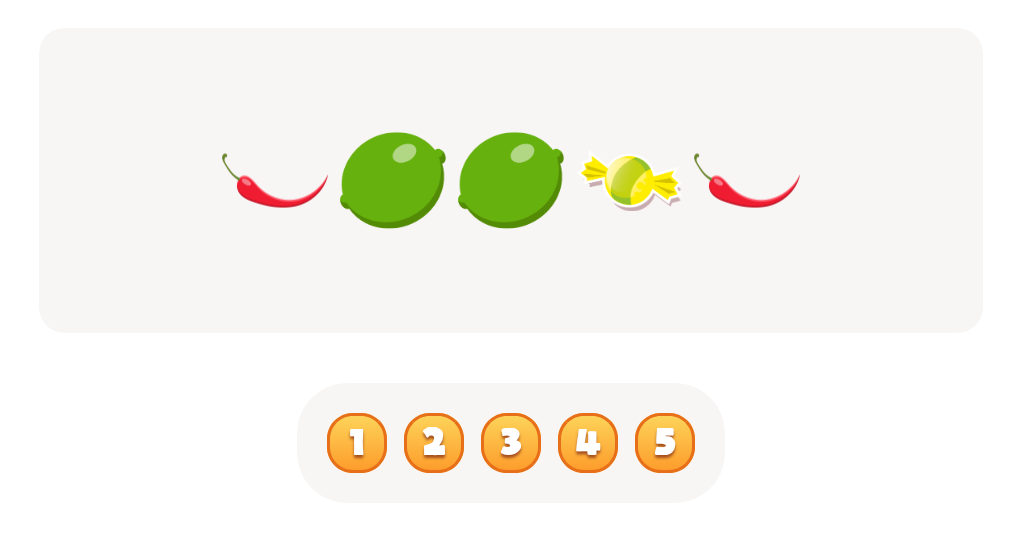
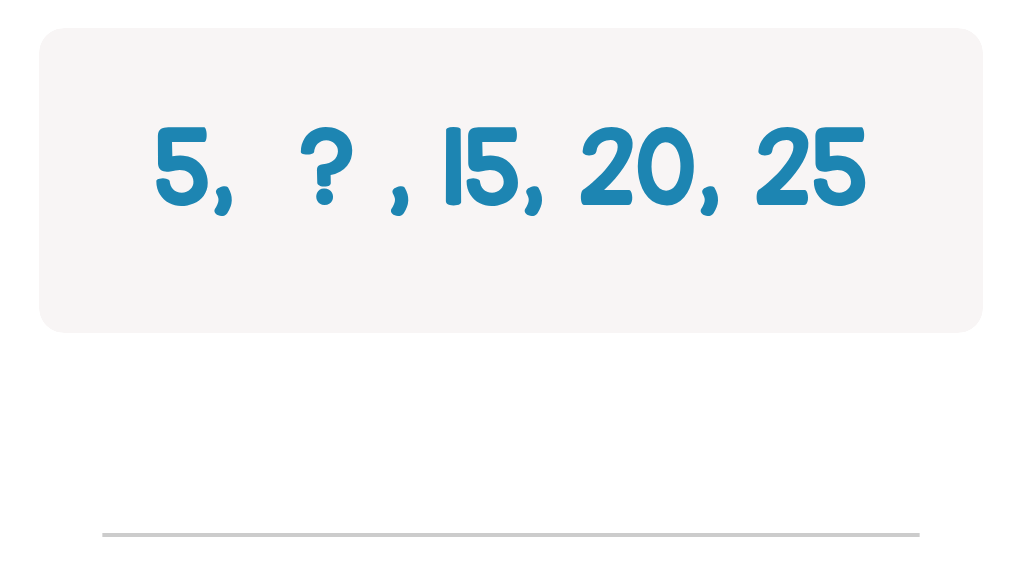
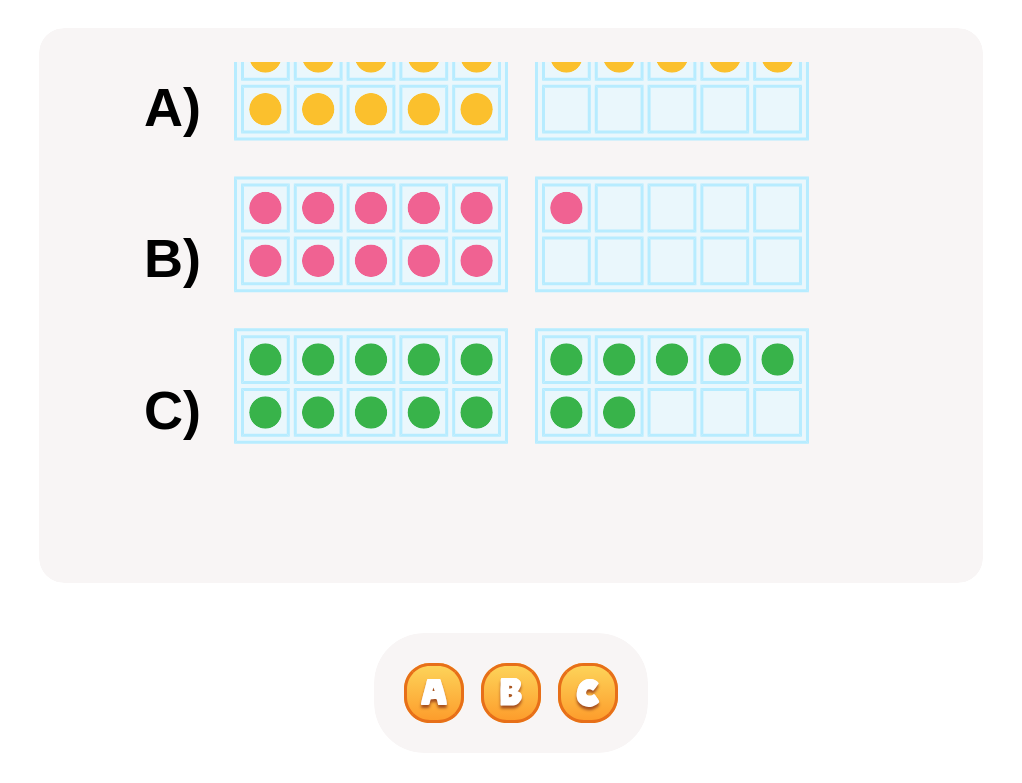

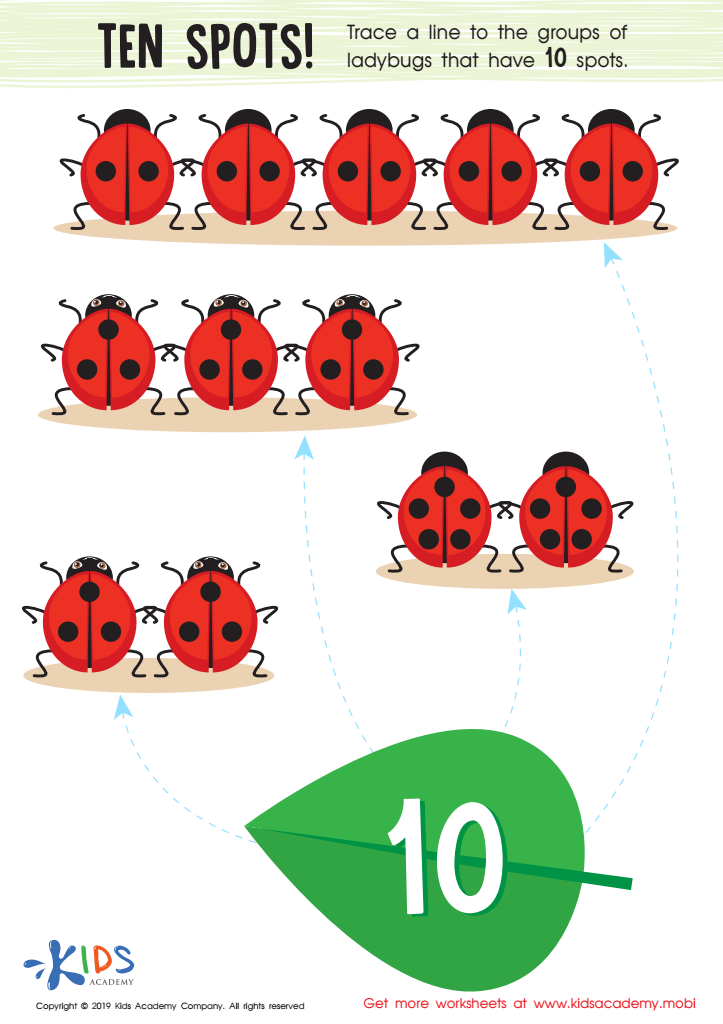
Ten Spots Worksheet
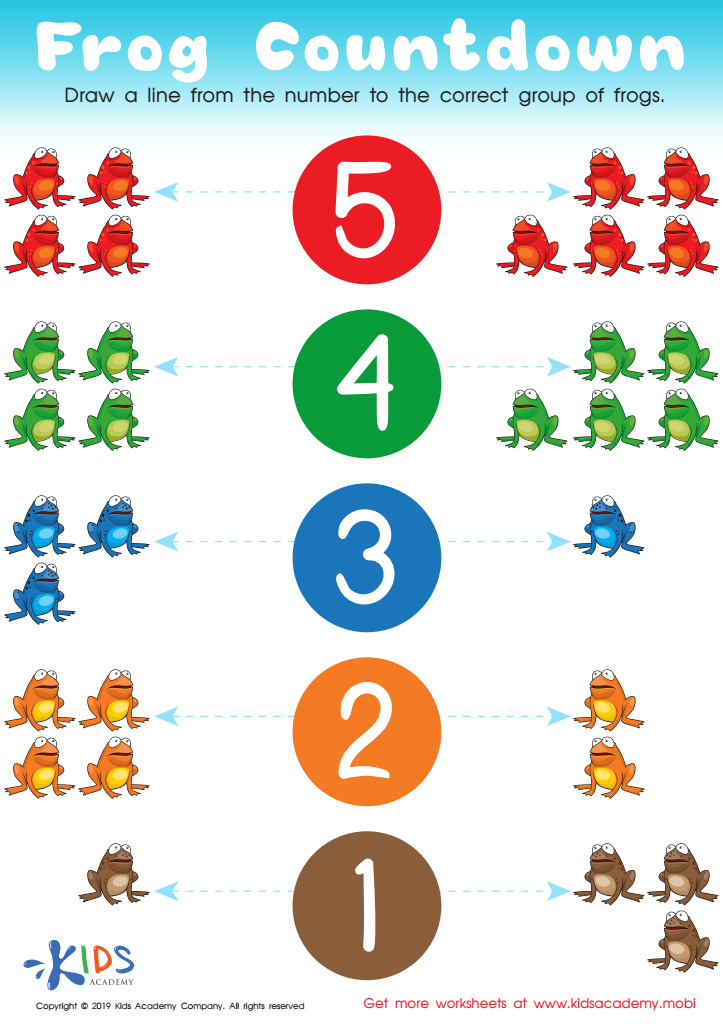
Frog Countdown Worksheet








Fine motor skills and the ability to count are crucial developmental milestones for children aged 4 to 5 years. Parents and teachers should prioritize these skills because they lay the foundation for later academic success and everyday tasks.
Fine motor skills involve the coordinated movement of small muscles, enabling children to perform tasks such as writing, drawing, and buttoning clothes. When children master these skills, they gain confidence in their abilities, which enhances their overall learning experience. Engaging in activities like cutting with scissors, using crayons, and manipulating small objects fosters these important skills.
On the other hand, counting is fundamental for cognitive development, introducing concepts of number sense, quantity, and early mathematics. At this age, children should start mastering counting up to 20 and understanding simple addition and subtraction. Mastery of counting promotes logical thinking, problem-solving, and supports future math skills.
When parents and teachers focus on developing fine motor skills and counting together, they create a comprehensive learning environment that not only enhances a child's physical abilities but also encourages cognitive growth. This dual focus prepares children for formal education, ensuring they are equipped to tackle more complex tasks and subjects in the years ahead.








