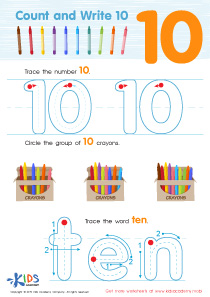
Basic Math Skills Normal Numbers 0–10 Worksheets for Ages 4-5
6 filtered results
-
From - To
Discover essential math skills with our engaging "Basic Math Skills Normal Numbers 0–10 Worksheets" designed specifically for children ages 4-5. These worksheets provide young learners with the opportunity to explore numbers through fun activities, fostering an early love for math. With a variety of exercises that include counting, number recognition, and simple addition and subtraction, our resources encourage hands-on learning and critical thinking. Perfect for preschool and kindergarten settings, these worksheets make it easy for parents and teachers to support skill development. Start your child's math journey today and build a strong foundation with our easy-to-use, age-appropriate materials!
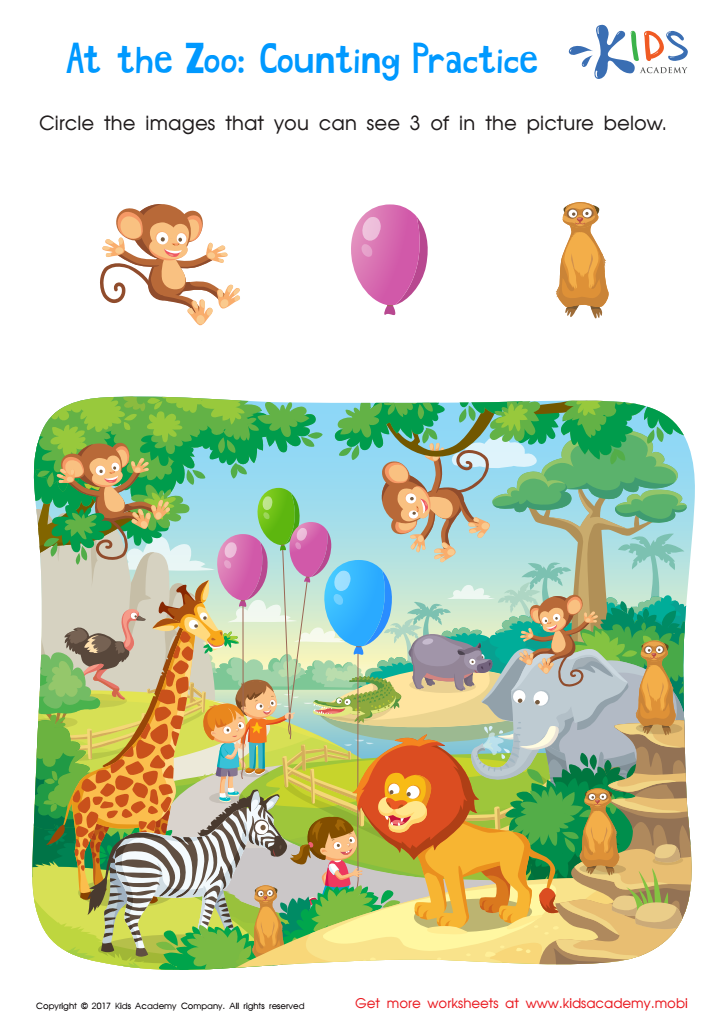
At the Zoo: Counting Practice Worksheet
 Assign to My Students
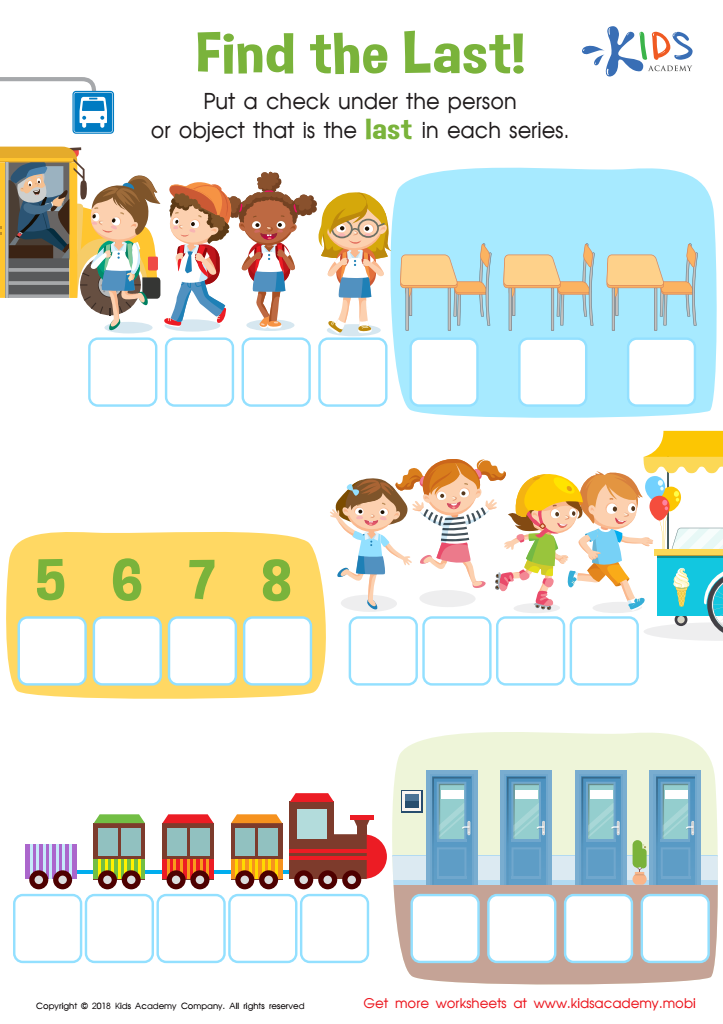
Find the Last! Worksheet
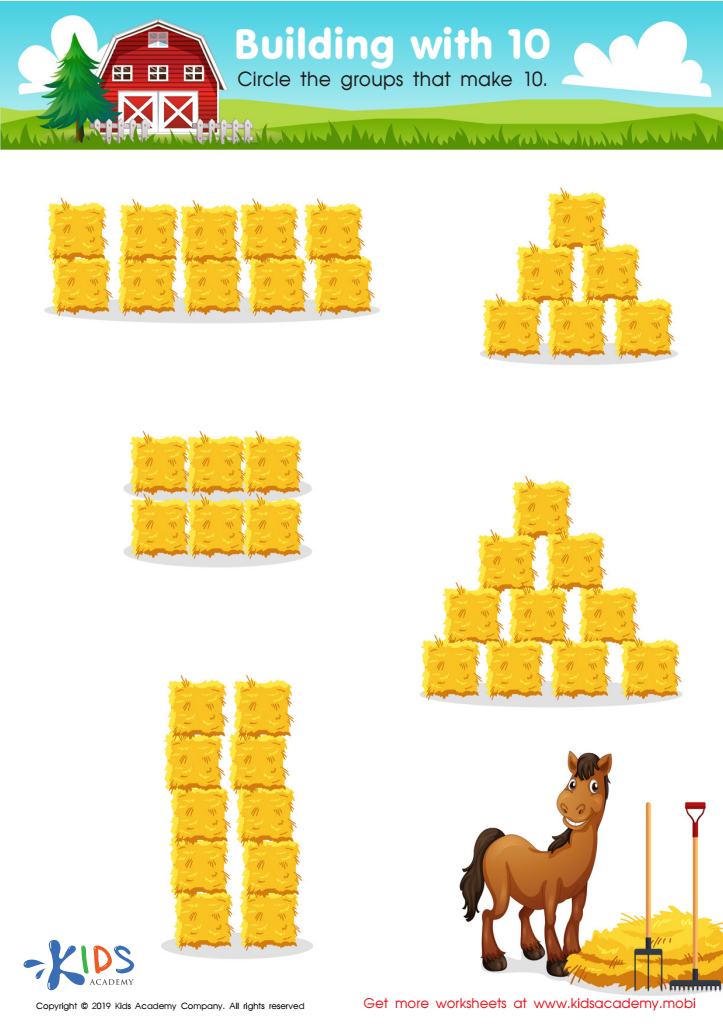
Building with 10 Worksheet

Count and Match Vegetables and Points Math Worksheet
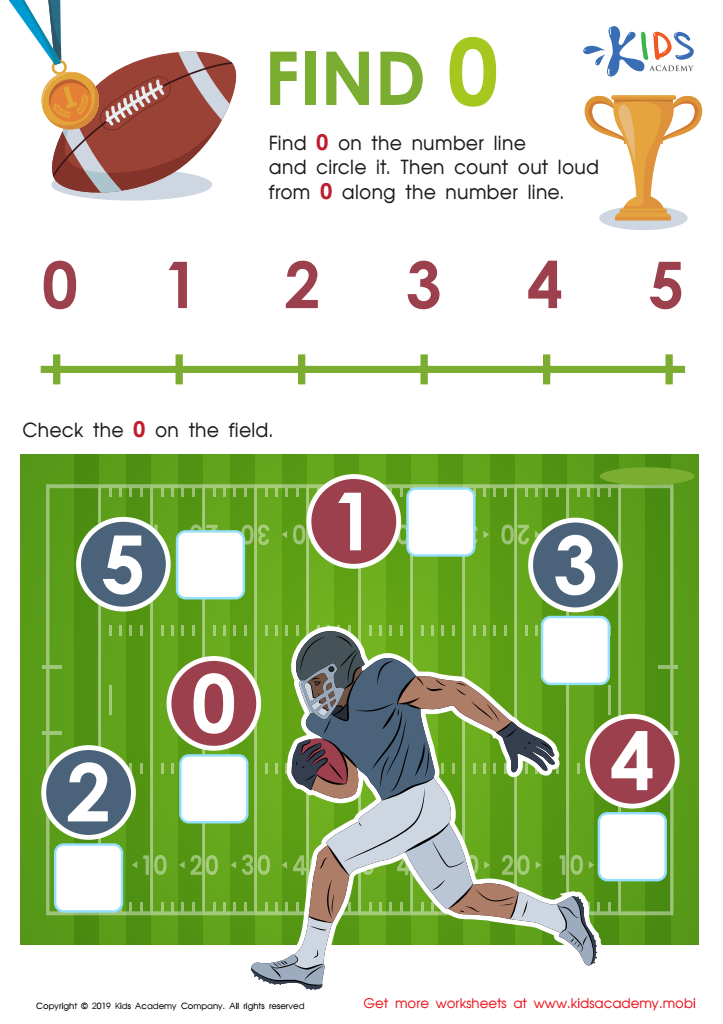
Find 0 Worksheet

Count and Match Vegetables 1 – 5 Math Worksheet








Parents and teachers should prioritize basic math skills focusing on normal numbers 0–10 for children ages 4-5 because these foundational skills set the stage for future mathematical learning. At this age, children are naturally curious and eager to explore concepts like counting, number recognition, and simple addition and subtraction. Engaging with numbers 0–10 helps develop their cognitive skills, enhances their problem-solving abilities, and promotes critical thinking.
Mastering these basic math skills fosters confidence in young learners. Easy-to-understand activities, such as counting objects, using number games, or engaging in playful math interactions, can make learning enjoyable and effective. Early exposure to numbers also supports language development as children learn to verbalize quantities and concepts.
Moreover, these skills are crucial for daily tasks and critical thinking in later years. A strong grasp of basic mathematics aids in understanding more complex mathematical ideas and is linked to overall academic success. By cultivating these skills in early childhood, parents and teachers empower children to establish a positive attitude toward math, paving the way for lifelong learning and problem-solving. Investing time in basic math now yields benefits not just in education, but also in daily life and decision-making.