Animal recognition Normal Reading Worksheets for Ages 4-5
3 filtered results
-
From - To
Discover engaging Animal Recognition Normal Reading Worksheets tailored for ages 4-5! Our expertly designed materials feature a variety of fun and educational activities that introduce young learners to different animals while enhancing their reading skills. These worksheets provide a brilliant blend of vibrant illustrations and simple vocabulary to capture children's attention and boost their recognition abilities. Perfect for early grade teachers and parents, these resources support foundational skills in literacy and science. Unlock the joy of learning and help your children develop a love for reading and a curiosity about the animal kingdom with our creative worksheets!
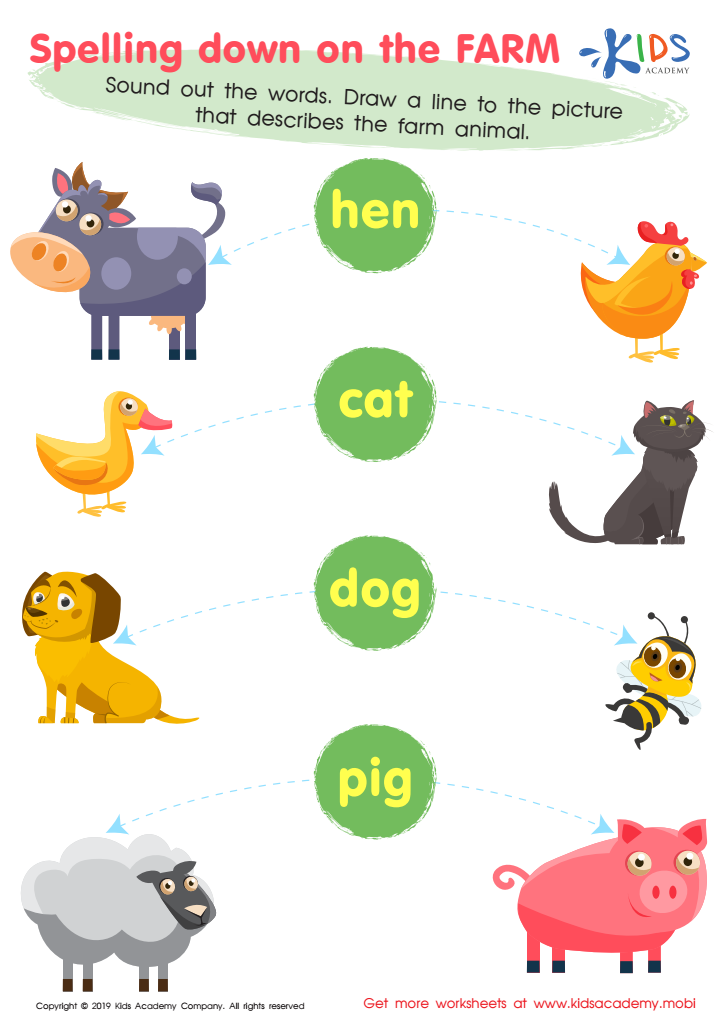
Spelling Down on the Farm Worksheet
 Assign to My Students
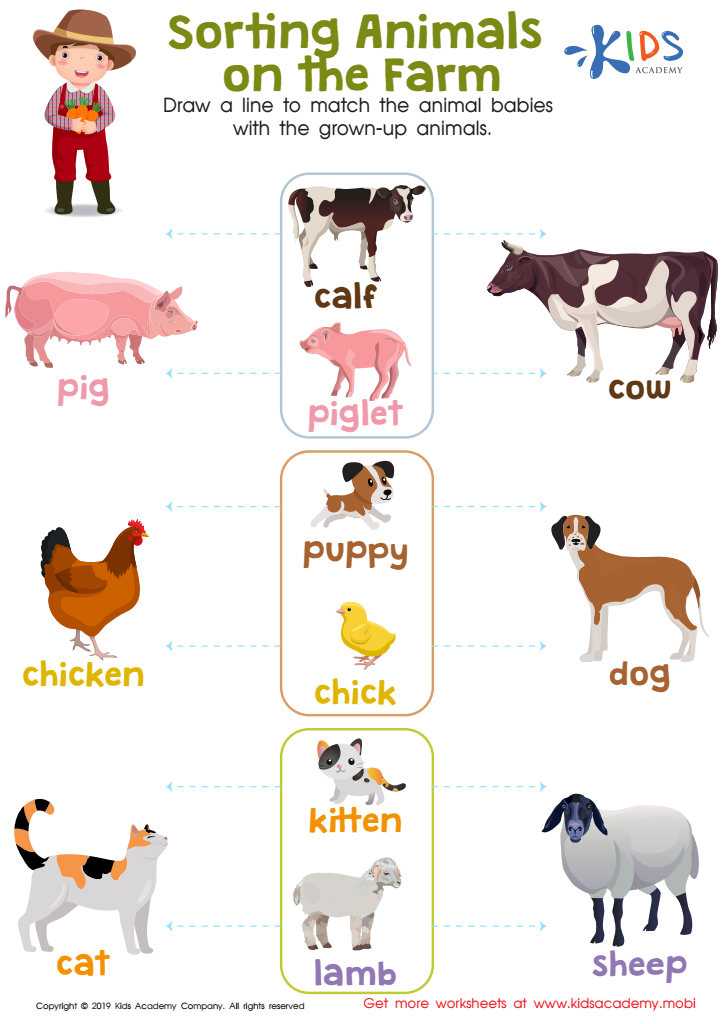
Sorting Animals on the Farm Worksheet
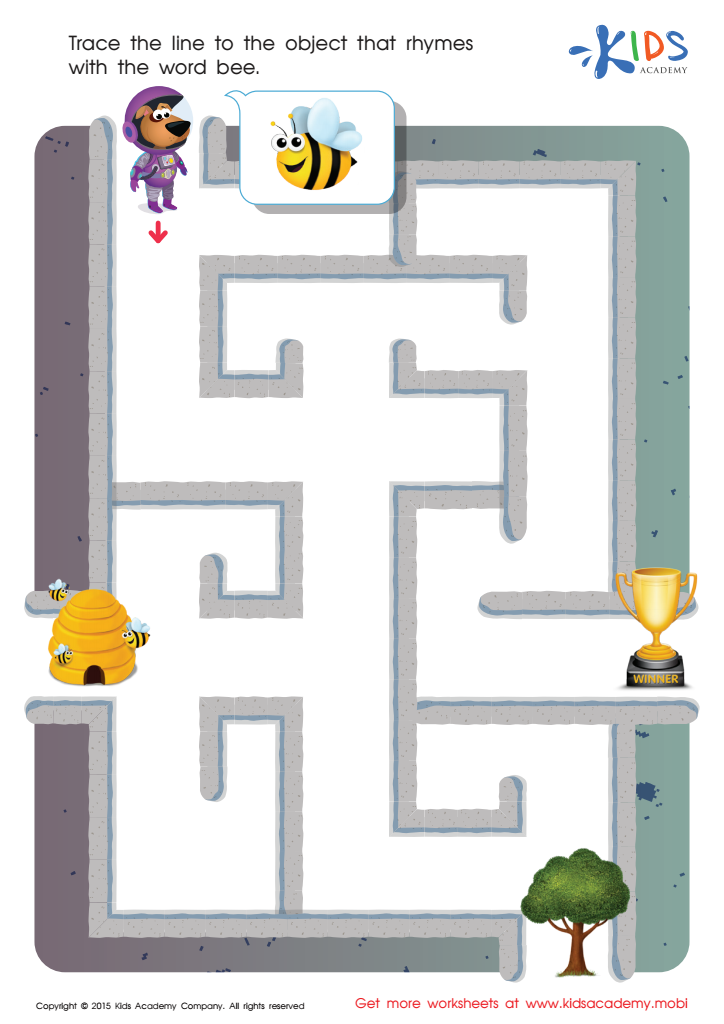
Bee Rhyming Words Worksheet





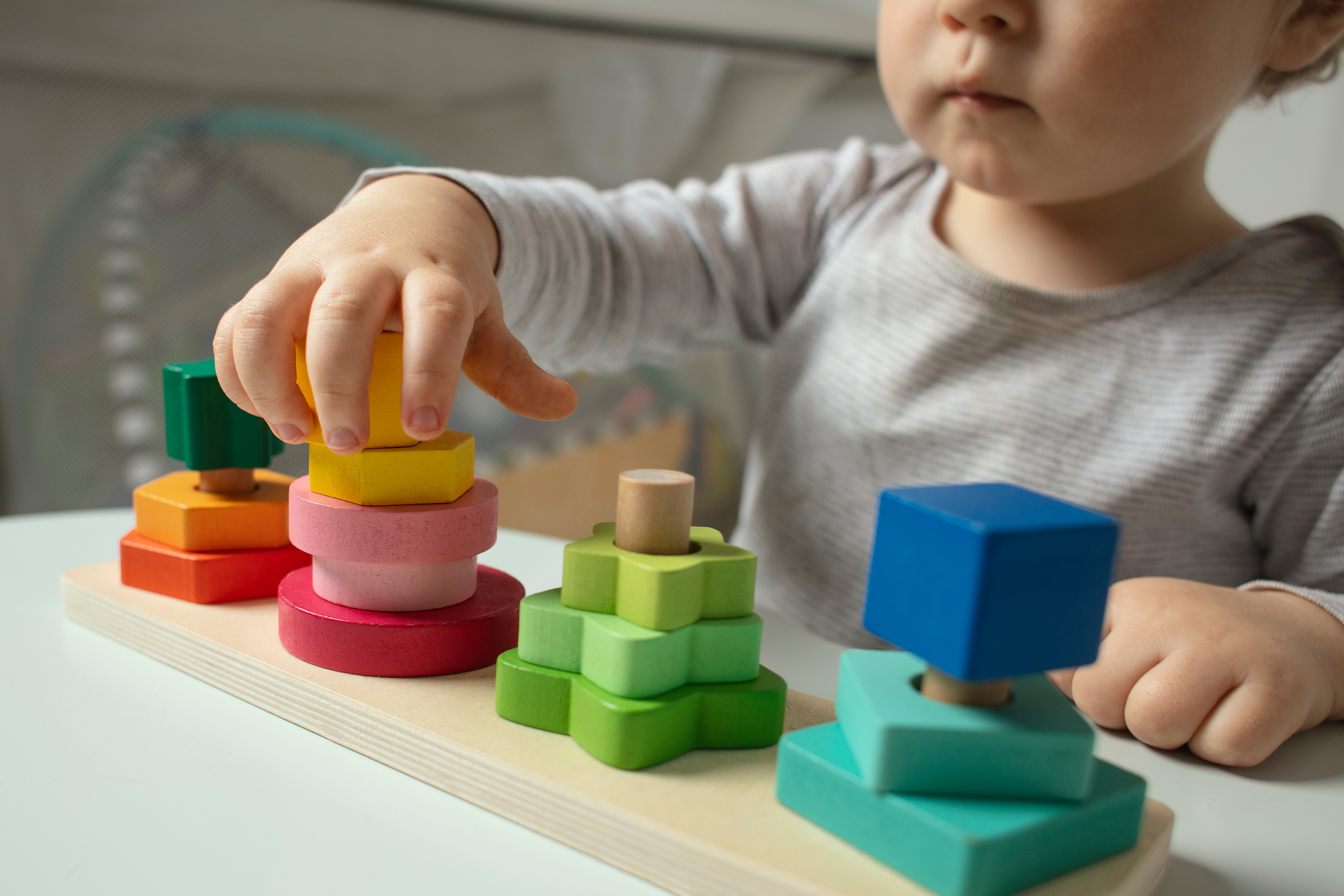
Understanding animal recognition and developing normal reading skills in children aged 4-5 are crucially interlinked areas of early childhood education. At this age, children's brains are exceptionally receptive to learning new concepts. Integrating animal recognition into their learning process harnesses their innate curiosity about the natural world, making learning engaging and enjoyable.
First, animal recognition helps expand a child's vocabulary and comprehension. When children recognize animals and learn their names and characteristics, they not only practice phonetic sounds but also understand context and meaning, which are foundational for reading proficiency.
Second, exposure to diverse animals through books enhances cognitive skills like memory and categorization. As kids identify various animals and their environments, they strengthen their ability to observe, compare, and contrast, all of which are essential for developing analytical thinking and comprehension skills.
Finally, making reading an enjoyable and interactive experience fosters a love for learning that can last a lifetime. When parents and teachers incorporate animal recognition into reading sessions, they create a multisensory and emotional learning experience that captivates the young mind.
Caring about animal recognition as part of normal reading at this stage lays a robust groundwork for both linguistic and cognitive development, thus offering children a valuable head start in their educational journey.








