Visual interpretation Normal Reading Worksheets for Ages 4-5
3 filtered results
-
From - To
Enhance your child's reading skills with our engaging Visual Interpretation Normal Reading Worksheets for ages 4-5! Designed to support early learners, these worksheets help young minds develop critical thinking and comprehension through visual aids. Kids will enjoy fun, interactive activities that focus on making connections between illustrations and text, boosting their ability to interpret information. Our resources cater to various learning styles, ensuring that every child can excel. Explore our curated selection and watch your child gain confidence in their reading abilities while fostering a love for learning. Perfect for classrooms or home education, these worksheets are an essential tool for young readers!
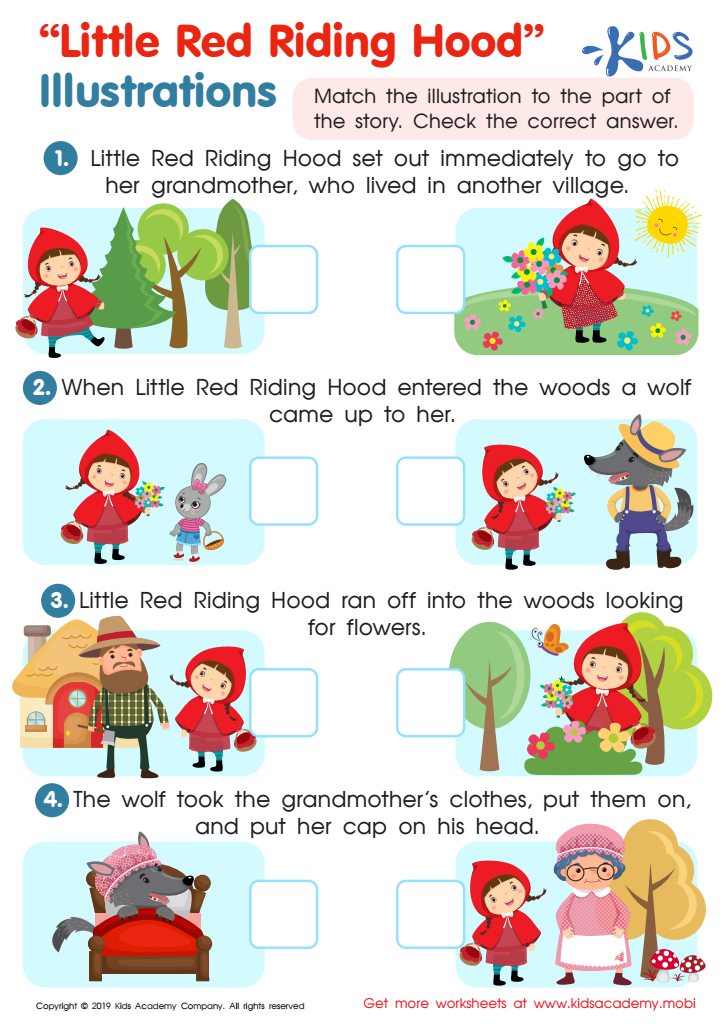
Little Red Riding Hood: Illustrations Worksheet
 Assign to My Students
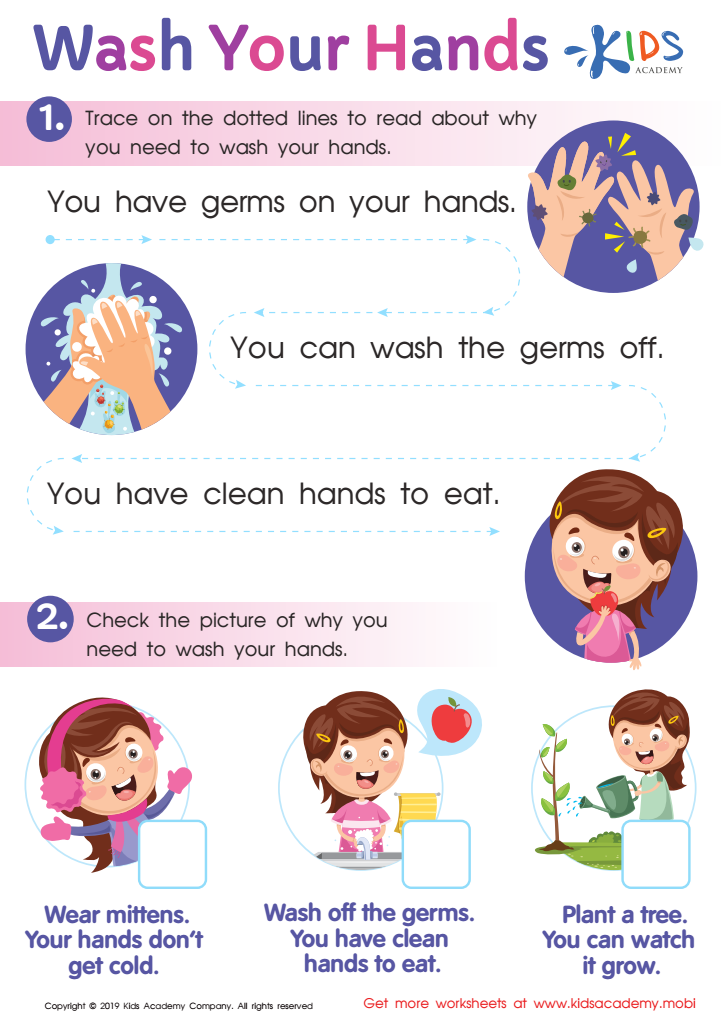
Wash Your Hands Worksheet
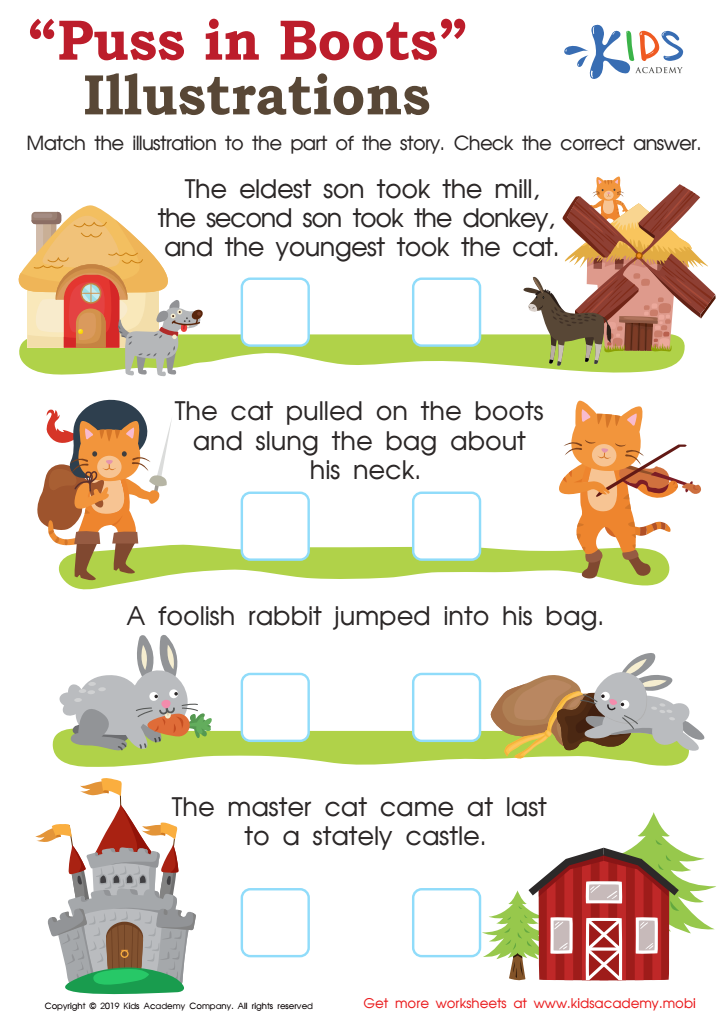
Puss in Boots Illustrations Worksheet






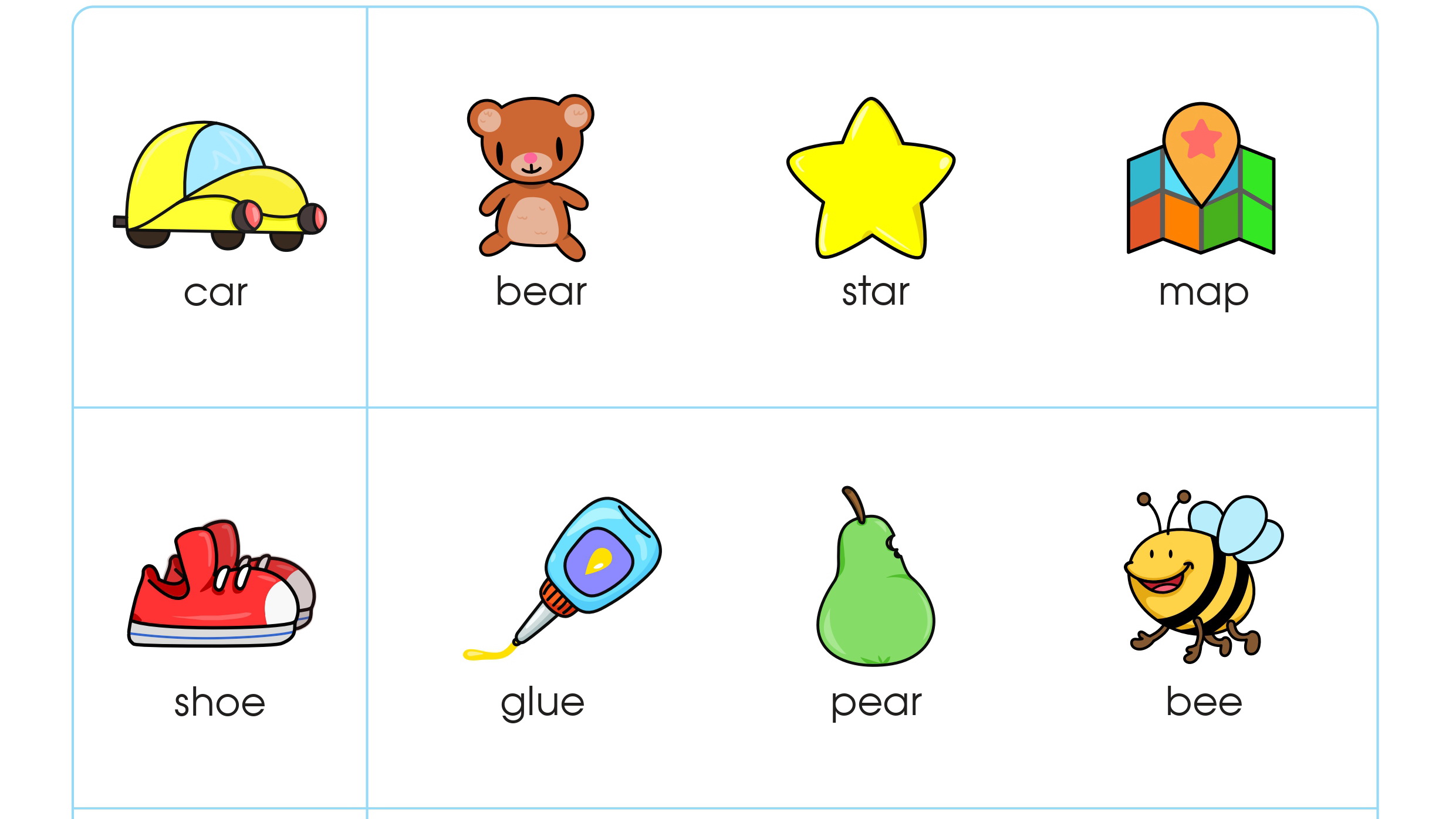

Visual interpretation is a crucial skill for children aged 4-5, as it lays the foundation for literacy development and critical thinking. At this age, children are exposed to various forms of print — from storybooks to signs. Fostering visual interpretation skills during this developmental stage helps children decode images and texts, grasping the relationship between visuals and their meanings.
Parents and teachers play a vital role in this process. When they guide children to observe details in pictures or drawings linked to stories, it enhances their ability to identify patterns, sequences, and symbols, which are fundamental in learning to read and understand written language. Additionally, engaging in discussions about illustrations can cultivate their imagination and comprehension, boosting their confidence and communication skills.
Moreover, focusing on visual interpretation in early education can support the development of critical thinking capabilities. Children learn to make inferences and predictions based on what they see, preparing them for more complex reading tasks as they grow. Therefore, by prioritizing visual interpretation, parents and teachers empower young learners to become competent readers, thinkers, and communicators, setting them on a vibrant path toward lifelong learning.








