Fine Motor Skills Normal Writing Worksheets for Ages 4-5
5 filtered results
-
From - To
Enhance your child's handwriting with our "Fine Motor Skills Normal Writing Worksheets for Ages 4-5." Tailored for young learners, these engaging worksheets are designed to develop fine motor skills through fun and interactive activities. Each sheet challenges your preschooler with tasks like tracing lines, shapes, and letters, fostering hand-eye coordination and pencil control. Our worksheets are perfect for preparing children for kindergarten, helping them gain confidence in their writing abilities early on. Let your child enjoy learning with brightly colored illustrations and simple instructions that make mastering fine motor skills an enjoyable experience!

Snowman Tracing Winter Words Worksheet
 Assign to My Students
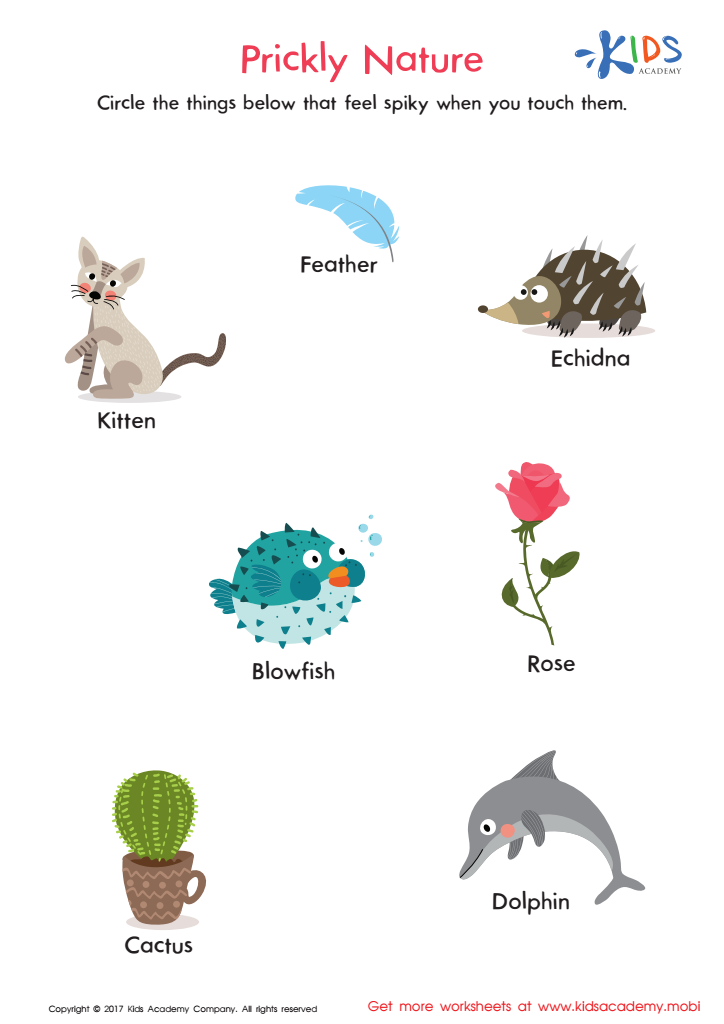
Prickly Nature Worksheet
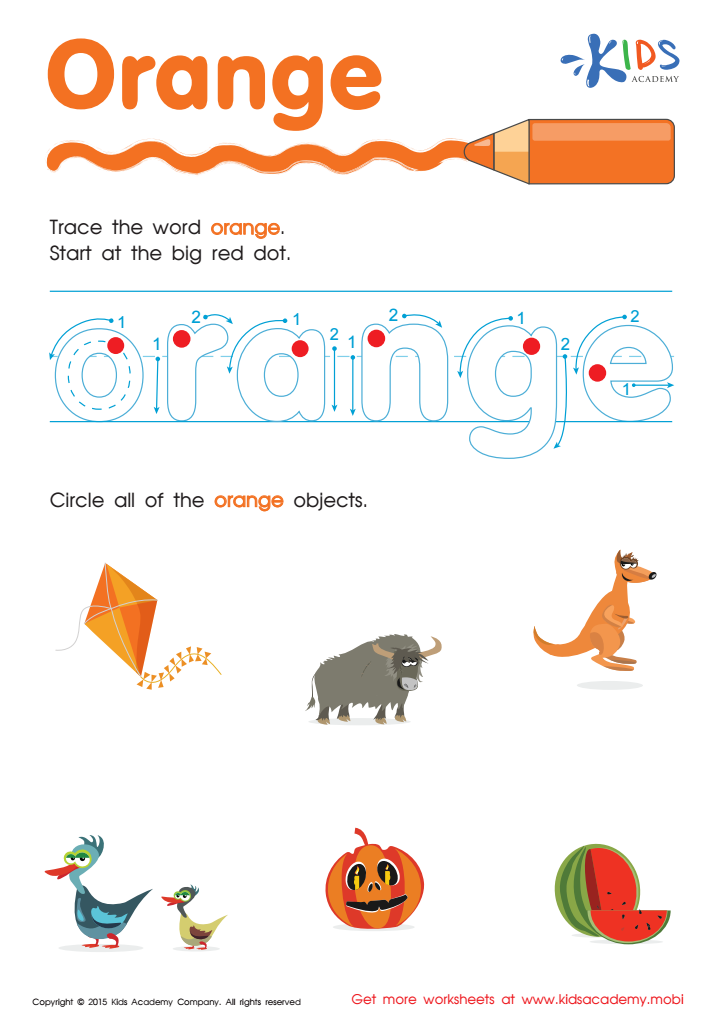
Orange Tracing Color Words Worksheet
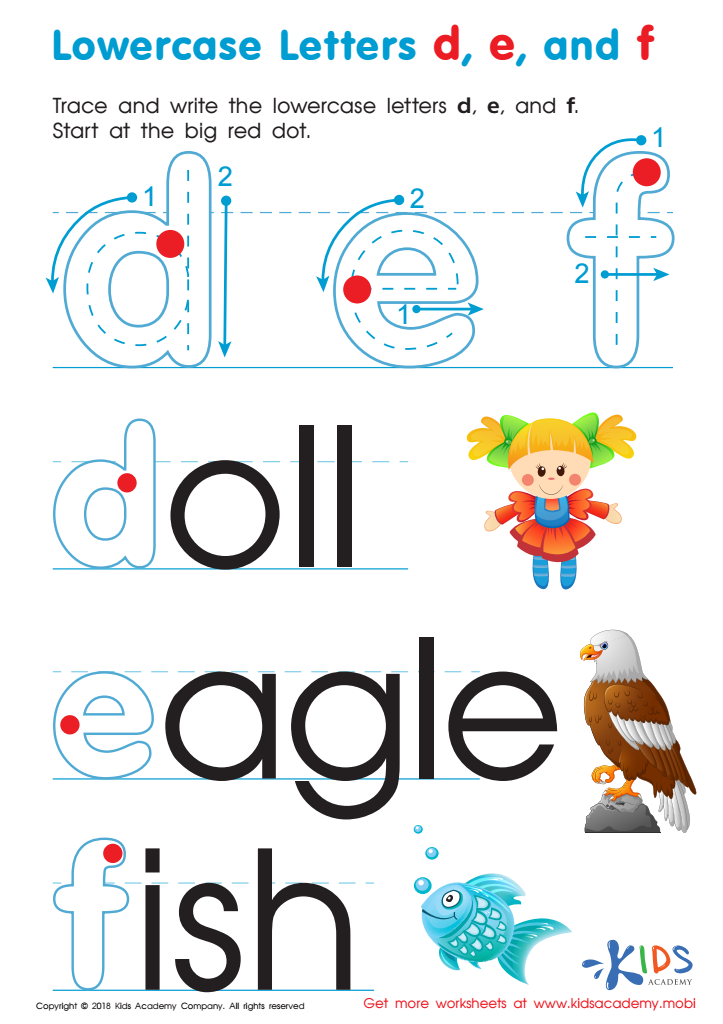
Lowercase Letters d e f Worksheet

White Tracing Color Words Worksheet



.jpg)




Fine motor skills are vital for children aged 4-5 because they form the foundation for many essential daily activities and learning processes, including writing. These skills involve the coordination of small muscles in the hands and fingers, enabling tasks like buttoning clothes, tying shoelaces, and most importantly, writing. At this critical developmental stage, children are typically transitioning from scribbling to forming recognizable letters and shapes, a key step toward literacy and academic achievement.
When children develop fine motor skills adequately, they can hold and control writing instruments properly, which makes the process of learning to write more effective and less frustrating. This control fosters better hand-eye coordination, allowing children to improve their precision and accuracy over time. In contrast, lagging fine motor development can lead to difficulties in writing, which might affect a child’s confidence and overall attitude toward learning.
For parents and teachers, supporting the development of fine motor skills can be as simple and engaging as providing children with opportunities for practice through activities like playing with building toys, threading beads, or drawing. Early intervention and encouragement in developing these skills can lead to long-term benefits in academic performance, self-esteem, and independence, positioning children for success in their future endeavors.