Alphabetical order understanding Normal ABC Letters Worksheets for Ages 4-6
3 filtered results
-
From - To
Unlock your child's potential with our Alphabetical Order Understanding Normal ABC Letters Worksheets, designed specifically for ages 4-6! These engaging worksheets help young learners recognize and organize letters in alphabetical order, a foundational skill for reading and writing. Each worksheet is filled with vibrant illustrations and age-appropriate activities that make learning enjoyable and effective. Young children will enhance their letter recognition, improve their vocabulary, and build essential literacy skills through fun exercises tailored to their developmental level. Perfect for both classroom and home use, these worksheets are a fantastic resource for nurturing a love of learning while mastering the ABCs!

Letter G Tracing Page

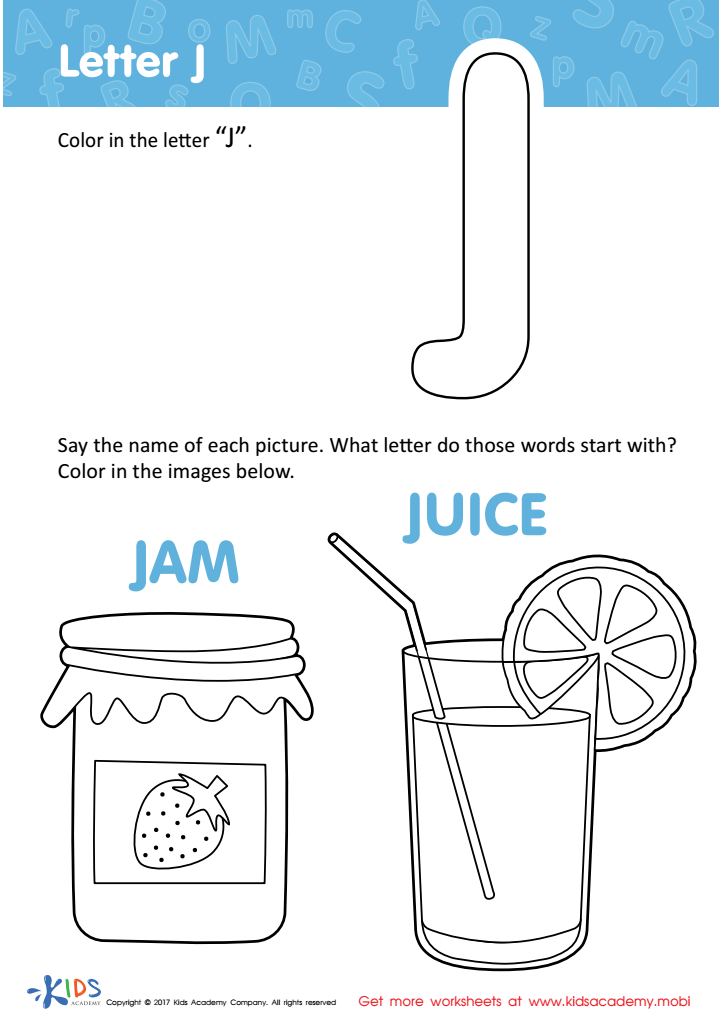
Letter J Coloring Sheet
 Assign to My Students
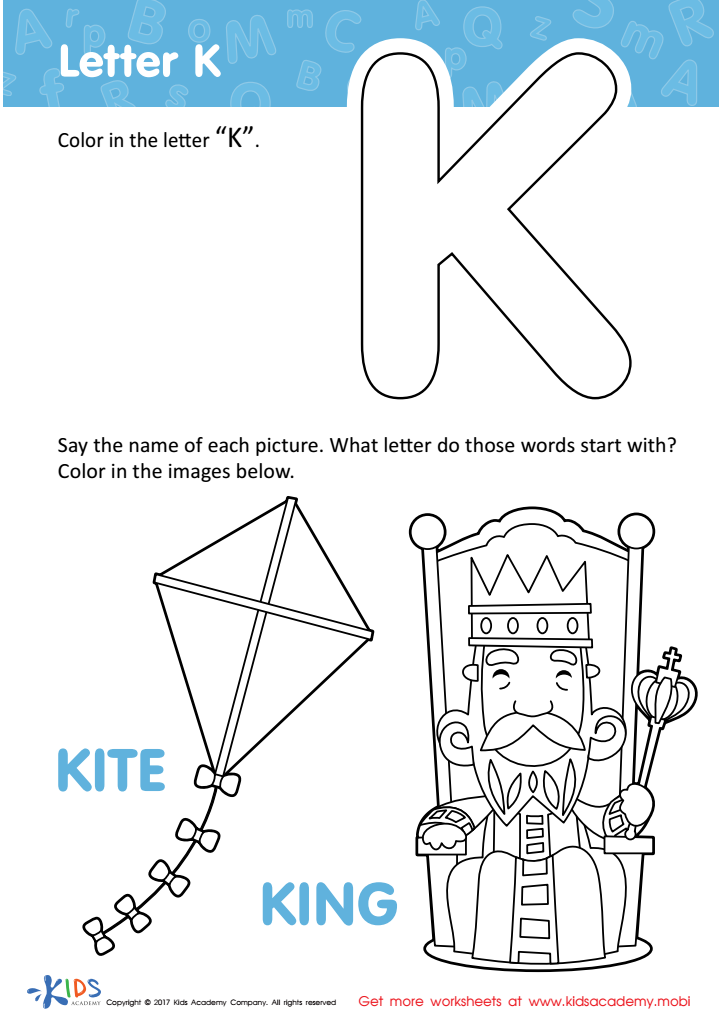
Letter K Coloring Sheet
Assign to My Students






Understanding alphabetical order is essential for children aged 4-6, forming the foundation for their reading and writing skills. At this developmental stage, children are eager to explore language and communication, and grasping the ABCs helps them recognize letters and their sequences. Learning alphabetical order fosters literacy, enhancing phonemic awareness and vocabulary, both crucial for effective reading.
When children learn the ABCs, they begin to understand how words are constructed and how they relate to one another. This knowledge aids in organizing words and developing spelling skills, making it easier for them to retrieve information and locate words in texts, which is vital for future reading comprehension.
Moreover, teaching alphabetic order promotes cognitive skills, such as categorization and sequencing. It encourages children to engage in activities like sorting and matching, fostering critical thinking. For parents and teachers, reinforcing these skills encourages a love for learning and prepares children for academic success.
Engaging with the alphabet not only supports literacy development but also fosters confidence and independence in young learners, shaping their relationship with language and literacy as they continue to grow. Ultimately, instilling an understanding of alphabetical order lays an essential groundwork for lifelong learning and communication.







