Fine motor skills development Normal Alphabet Worksheets for Ages 4-6
6 filtered results
-
From - To
Enhance your child's fine motor skills with our engaging Normal Alphabet Worksheets designed for ages 4-6. These worksheets are specially crafted to help young learners develop essential hand-eye coordination and dexterity while learning the alphabet. Each worksheet features fun activities that encourage coloring, tracing, and letter formation, making learning enjoyable and interactive. As children practice their fine motor skills, they will gain confidence in writing and letter recognition, laying a strong foundation for their future education. Explore our collection of expertly designed worksheets today and watch your child thrive in their early literacy journey! Perfect for teachers and parents alike!

I Stands High Worksheet
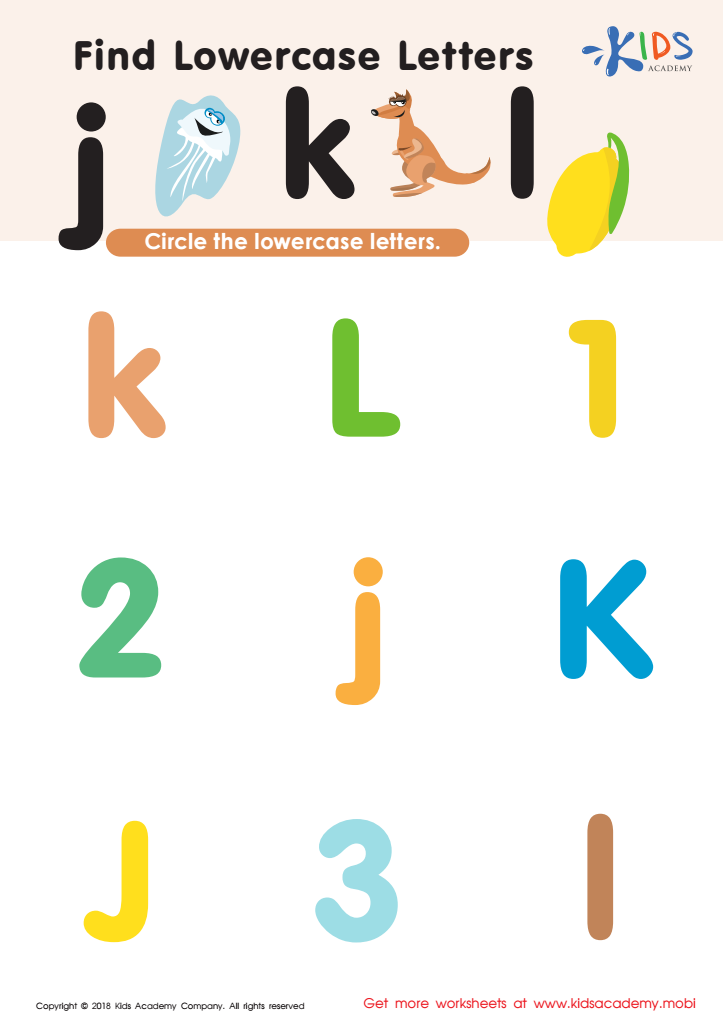
Find Lowercase Letters j k l Worksheet
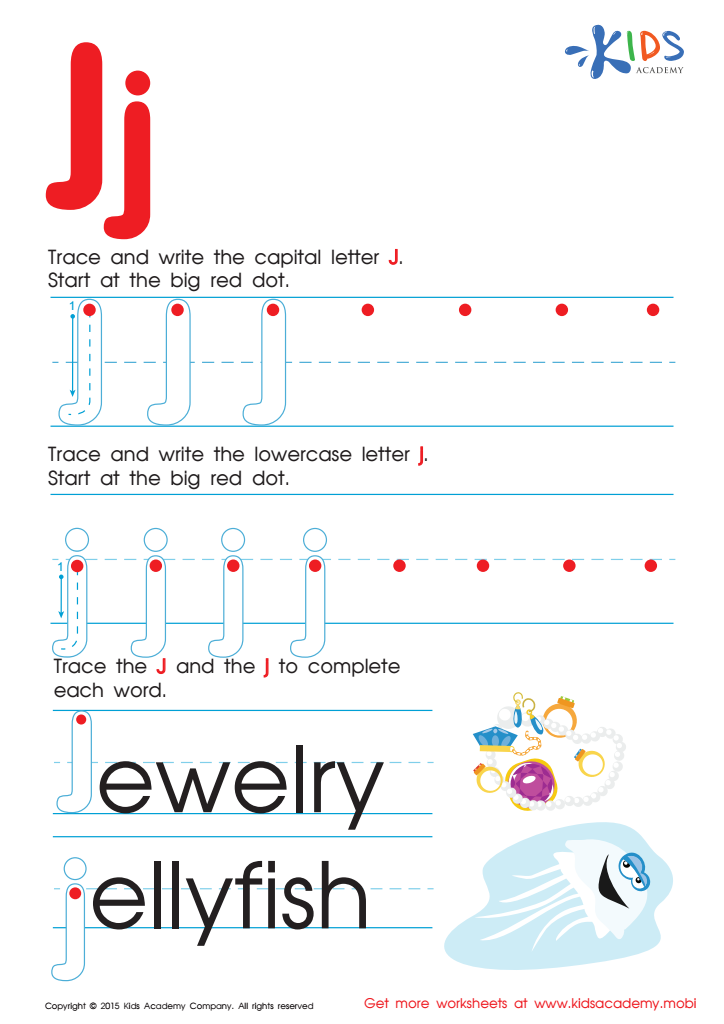
Letter J Tracing Page
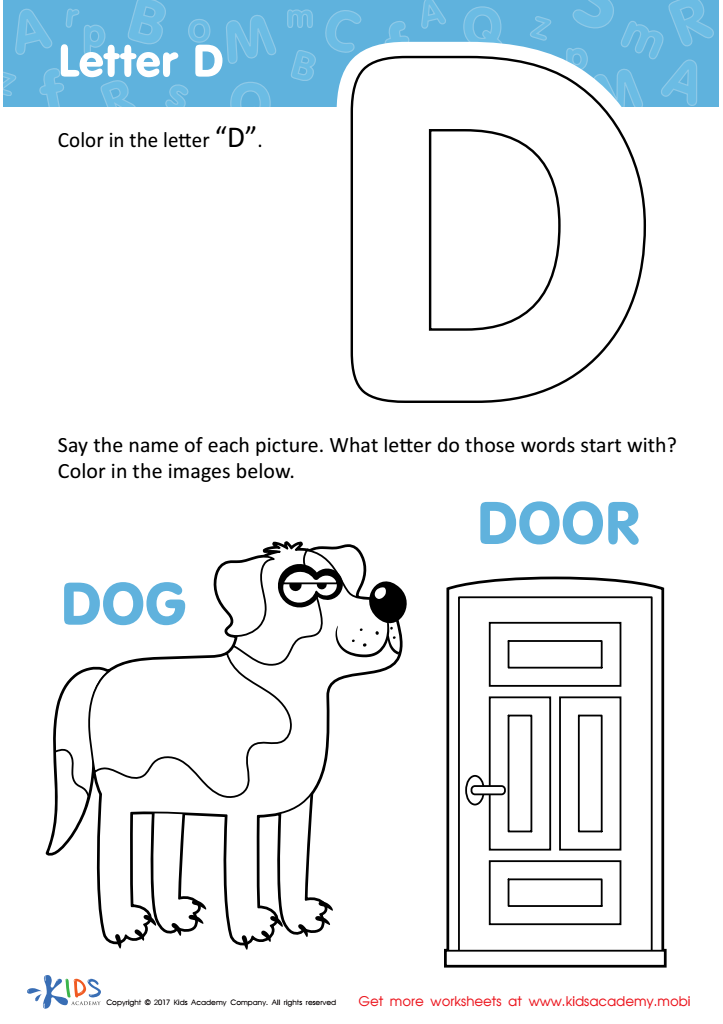
Letter D Coloring Sheet
 Assign to My Students
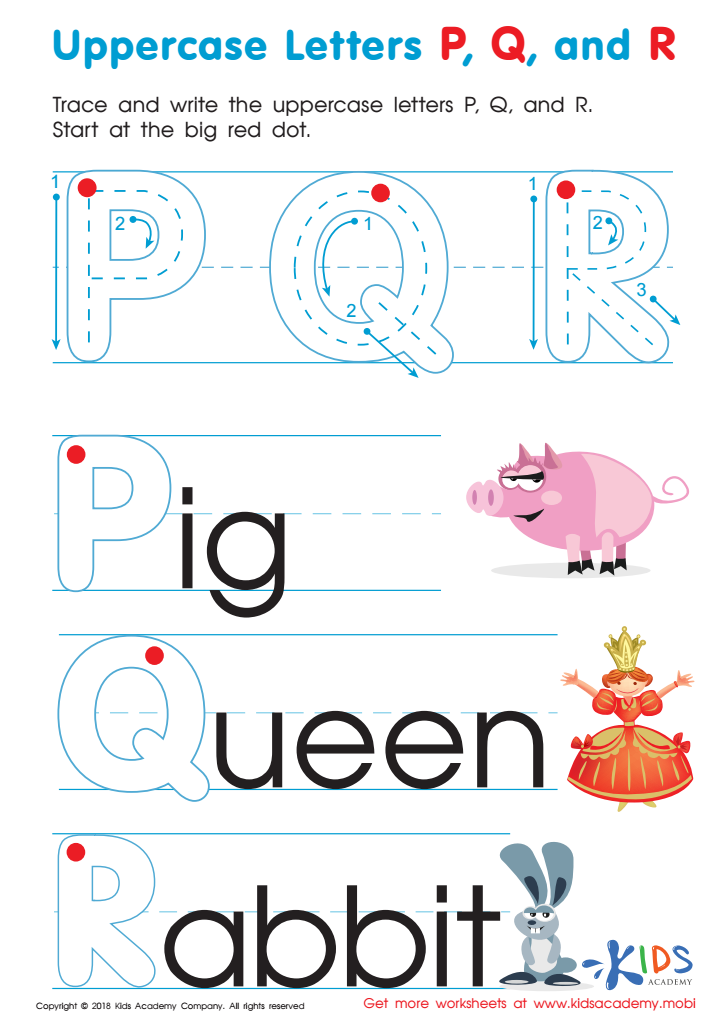
Uppercase Letters P, Q, and R Worksheet
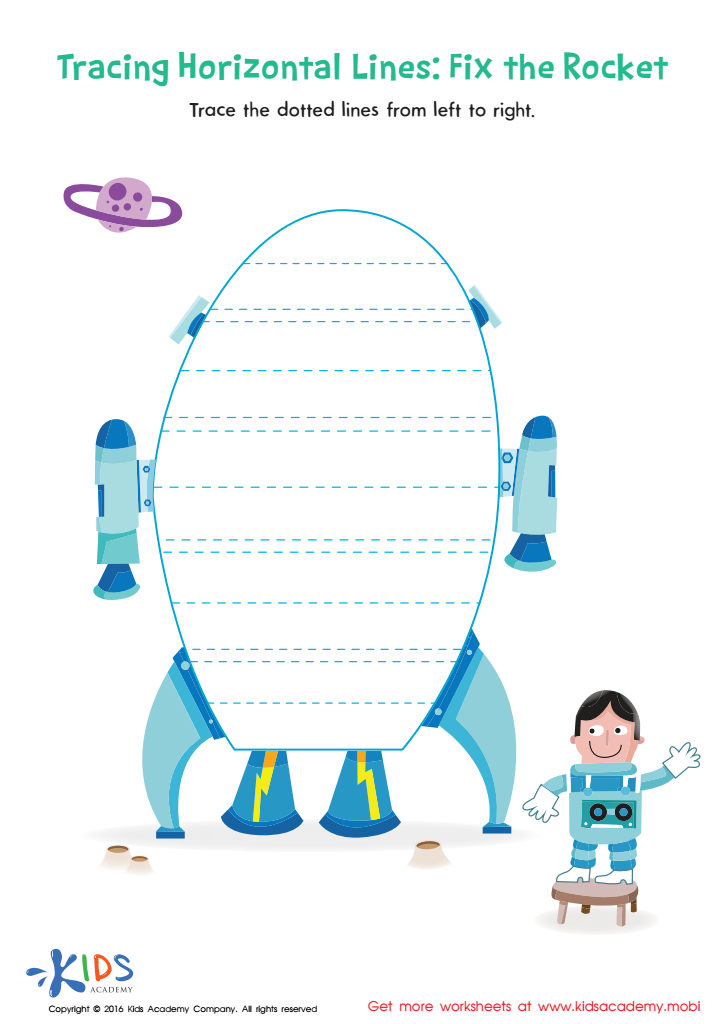
Tracing Horizontal Lines Worksheet








Fine motor skills development is crucial for children aged 4-6 as it underpins many fundamental abilities that impact their daily lives and academic achievements. At this age, children are developing their hand-eye coordination, dexterity, and the ability to manipulate small objects, which are all essential for tasks such as writing, drawing, and using scissors.
When children learn to form letters and numbers correctly, they not only build essential literacy skills but also boost their confidence in their ability to express themselves. Mastery of fine motor skills enhances their handwriting and fosters a positive attitude towards learning and participating in classroom activities.
Moreover, fine motor development helps with daily self-care activities like buttoning shirts, zipping jackets, and tying shoelaces, promoting independence. Parents and teachers play a critical role in providing opportunities for practice through play-based activities—such as puzzles, playdough, and arts and crafts—that make learning fun.
By prioritizing fine motor skills development, we equip children with the tools they need for academic success and everyday tasks. This early investment in their growth will pave the way for future learning and life skills, emphasizing the importance of cooperation between parents and educators.







