Fine Motor Skills Normal Alphabet Worksheets for Ages 4-6 - Page 2
55 filtered results
-
From - To
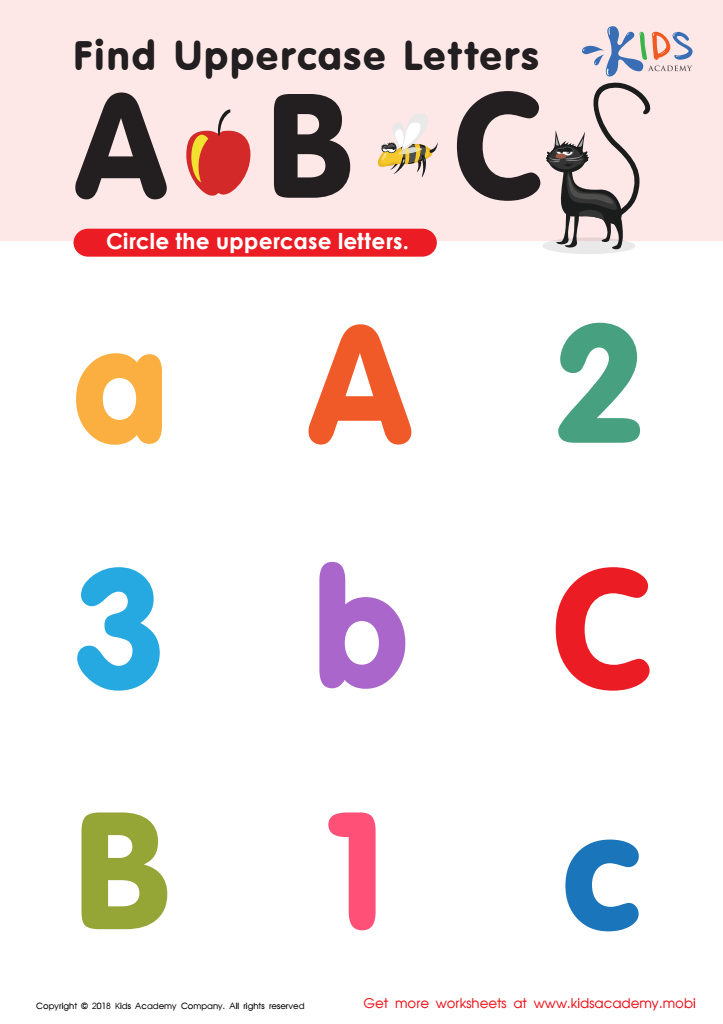
Find Uppercase Letters A, B, and C Worksheet
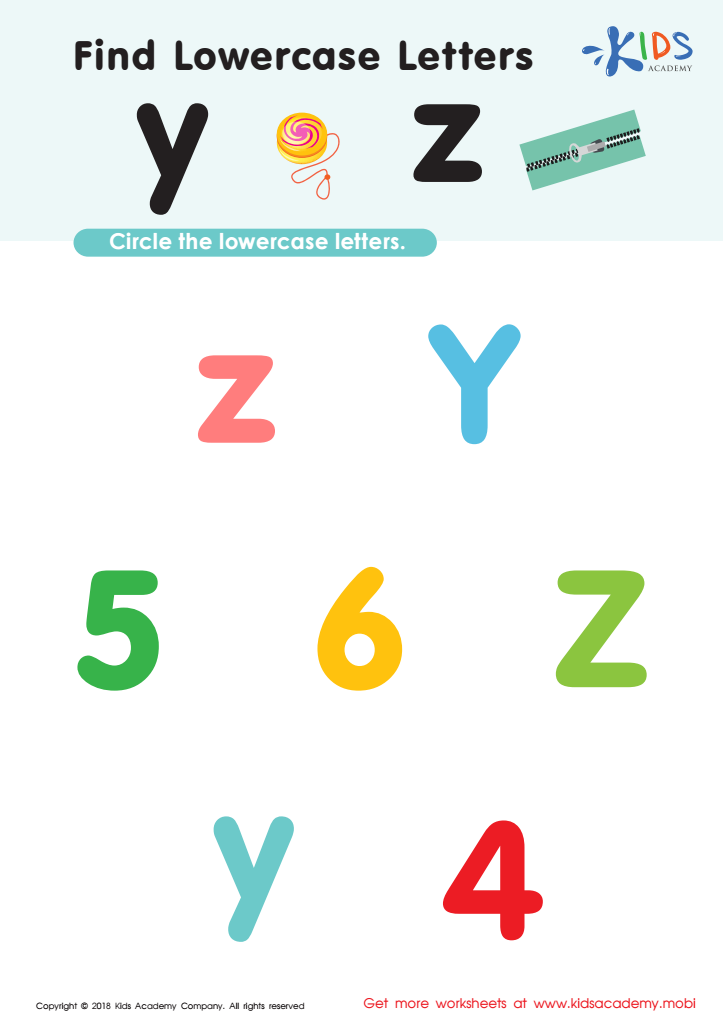
Find Lowercase Letters y z Worksheet
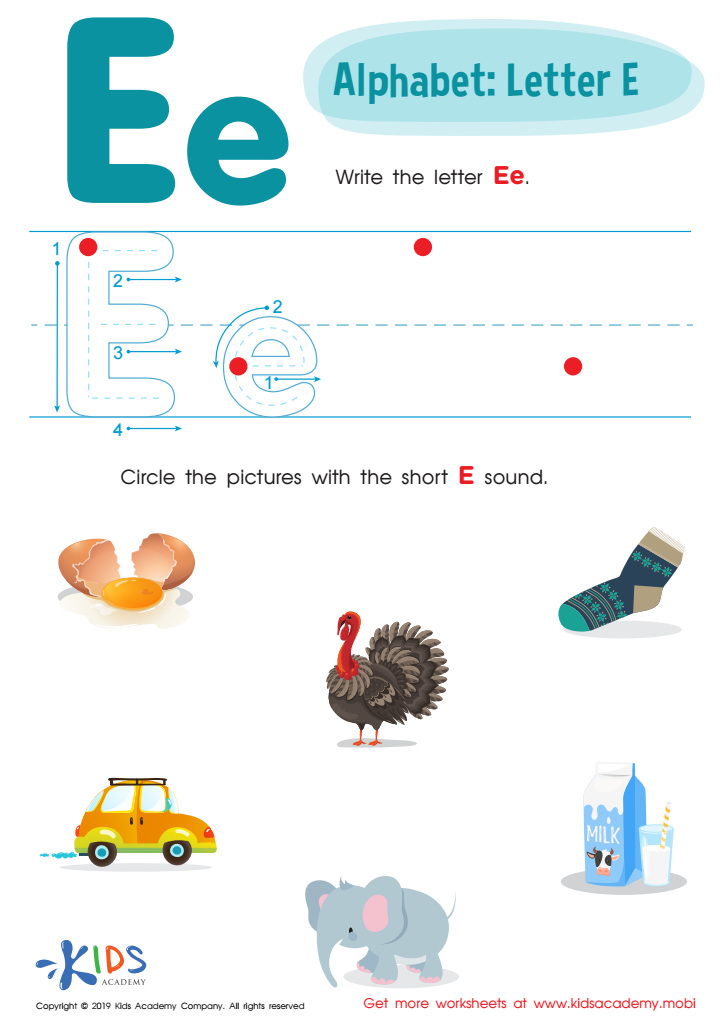
Letter E Tracing Worksheet
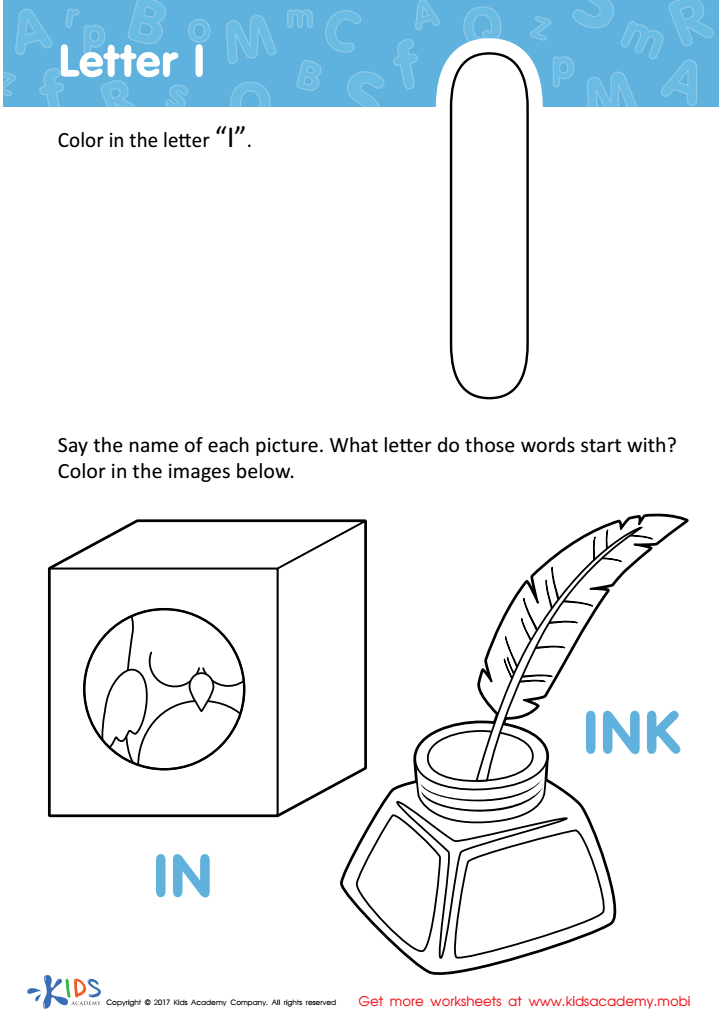
Letter I Coloring Sheet
 Assign to My Students
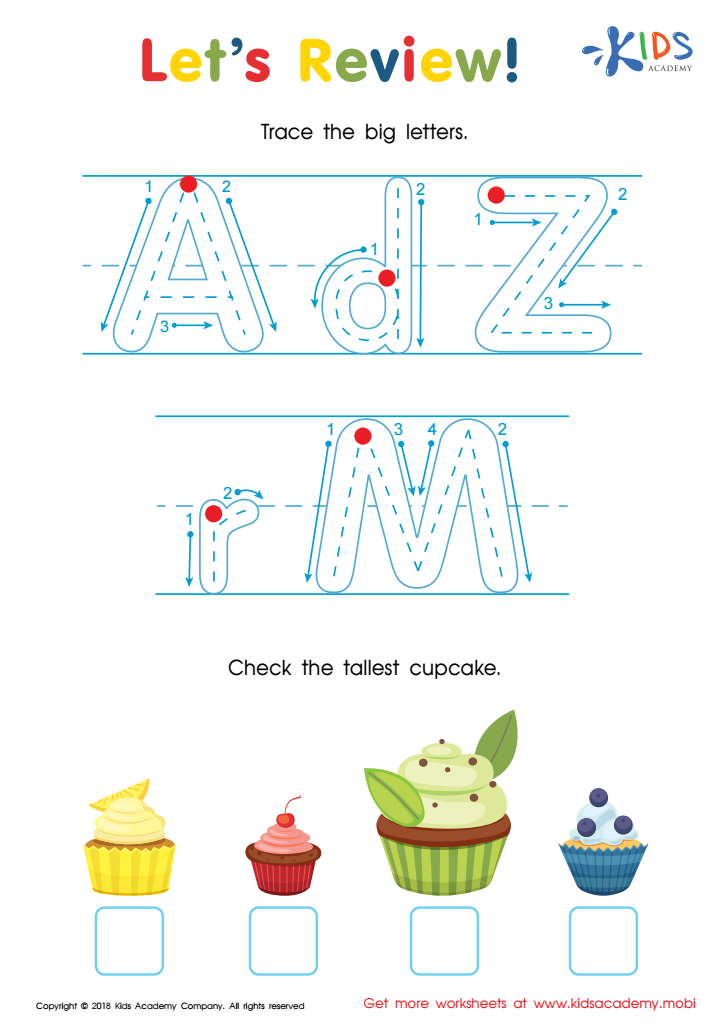
Let's Review! Big Letters Worksheet

Long and Short U Worksheet
Assign to My Students
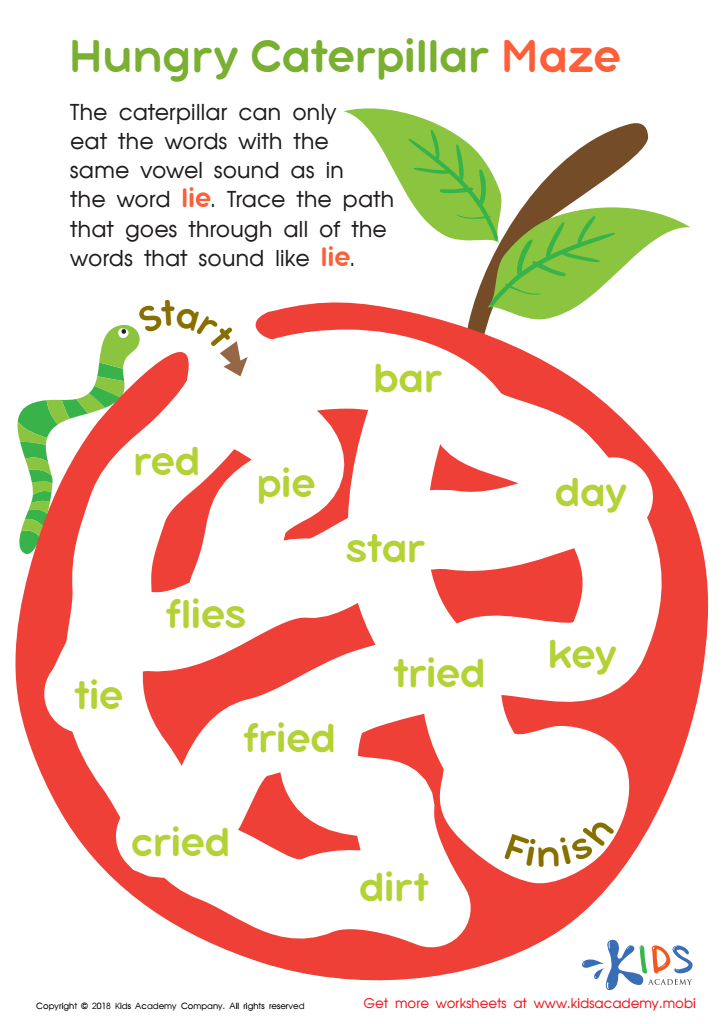
Hungry Caterpillar Maze Worksheet
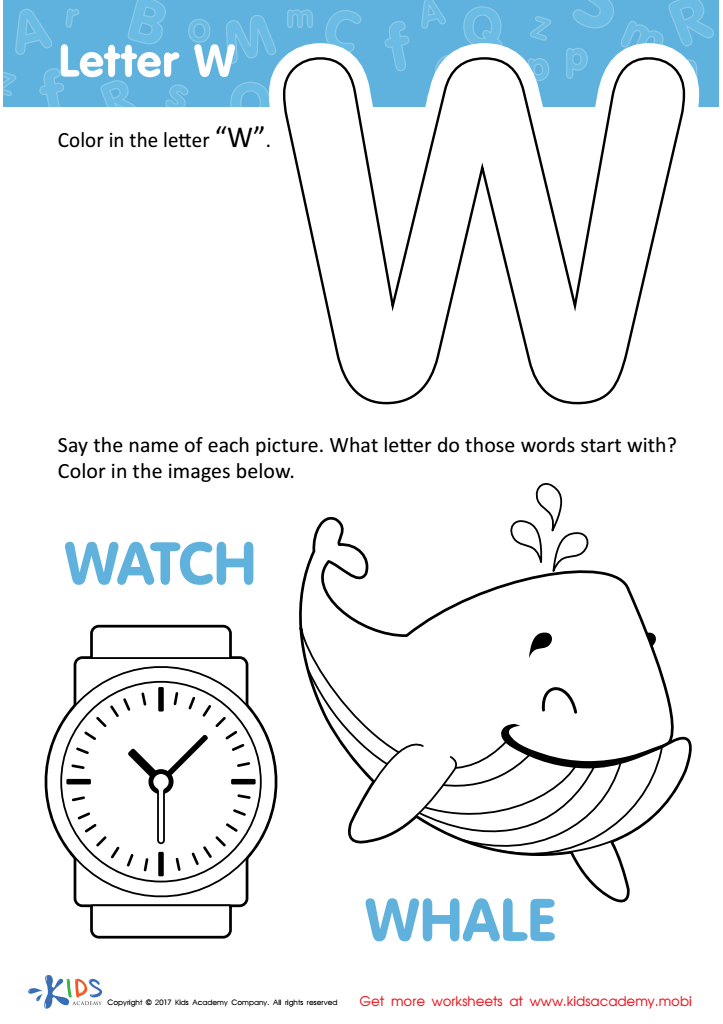
Letter W Coloring Sheet
Assign to My Students
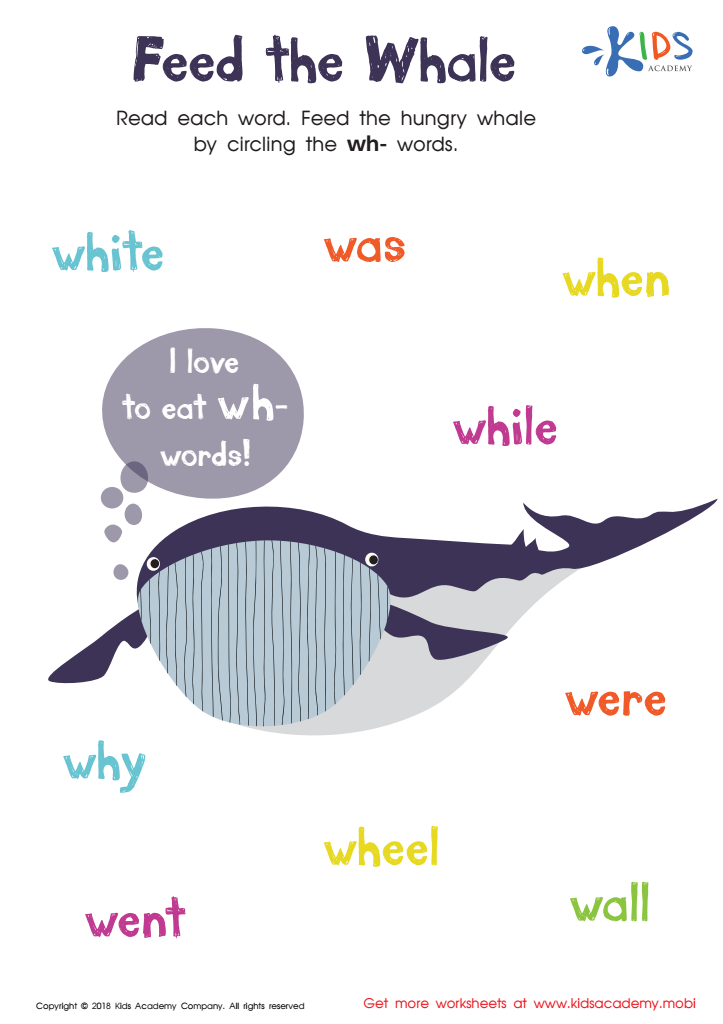
Feed the Whale Worksheet
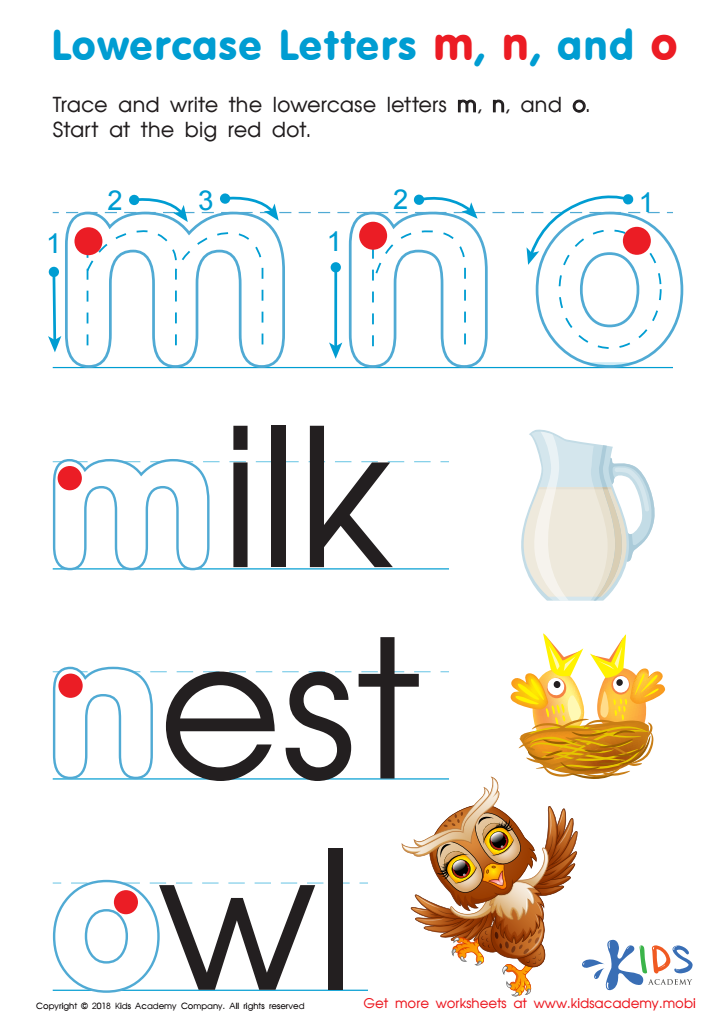
Lowercase Letters m n o Worksheet
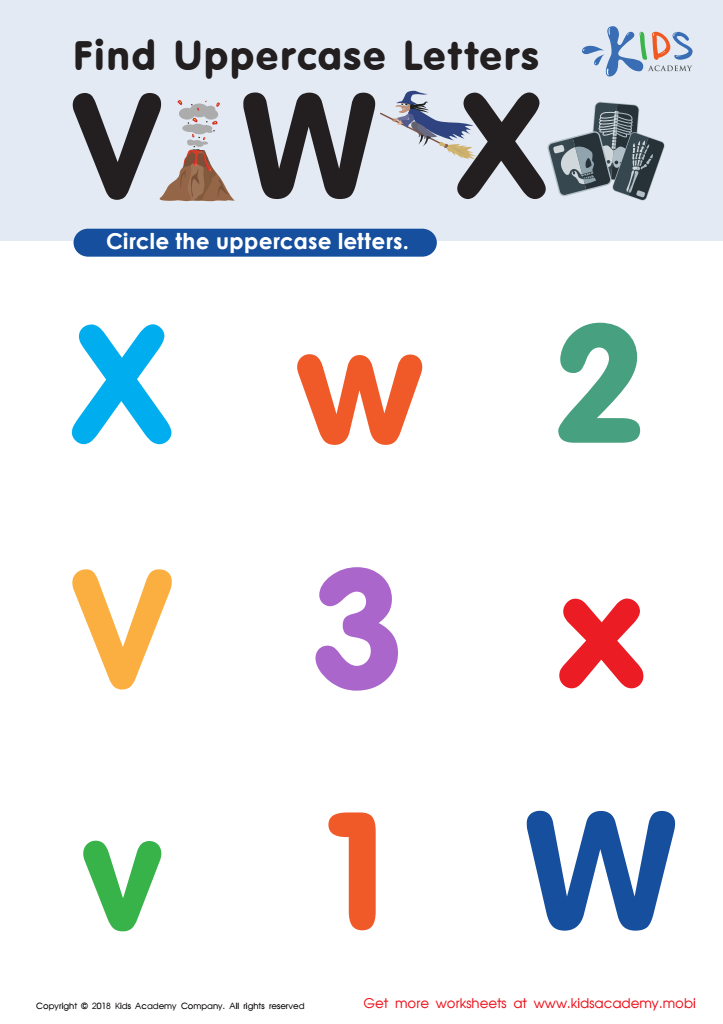
Find Uppercase Letters V, W, X Worksheet
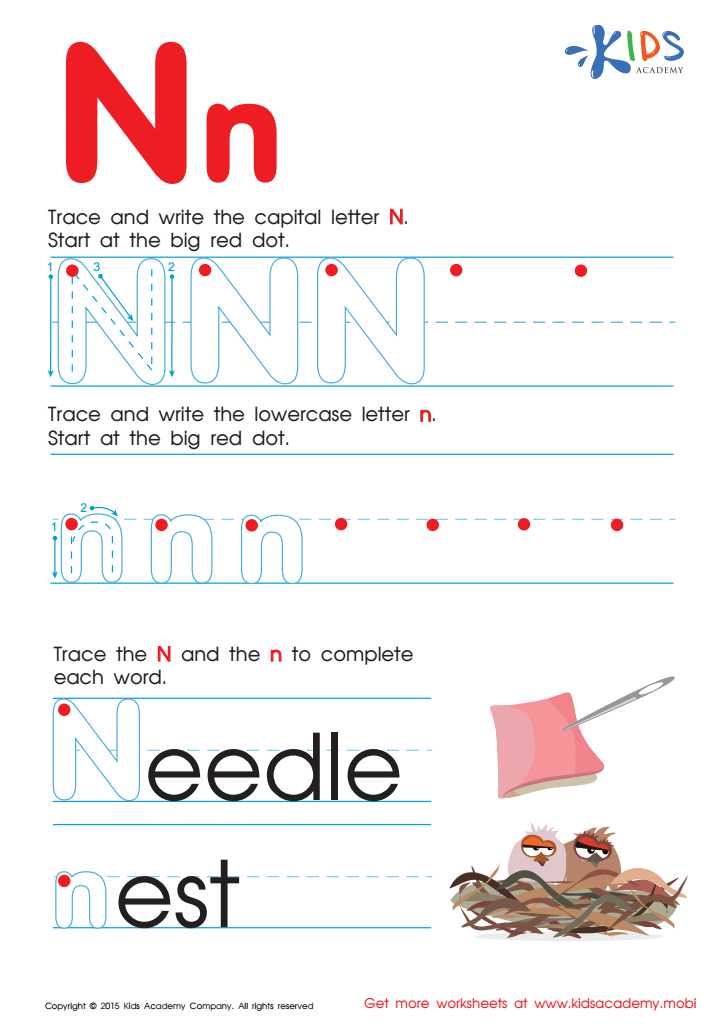
Letter N Tracing Page
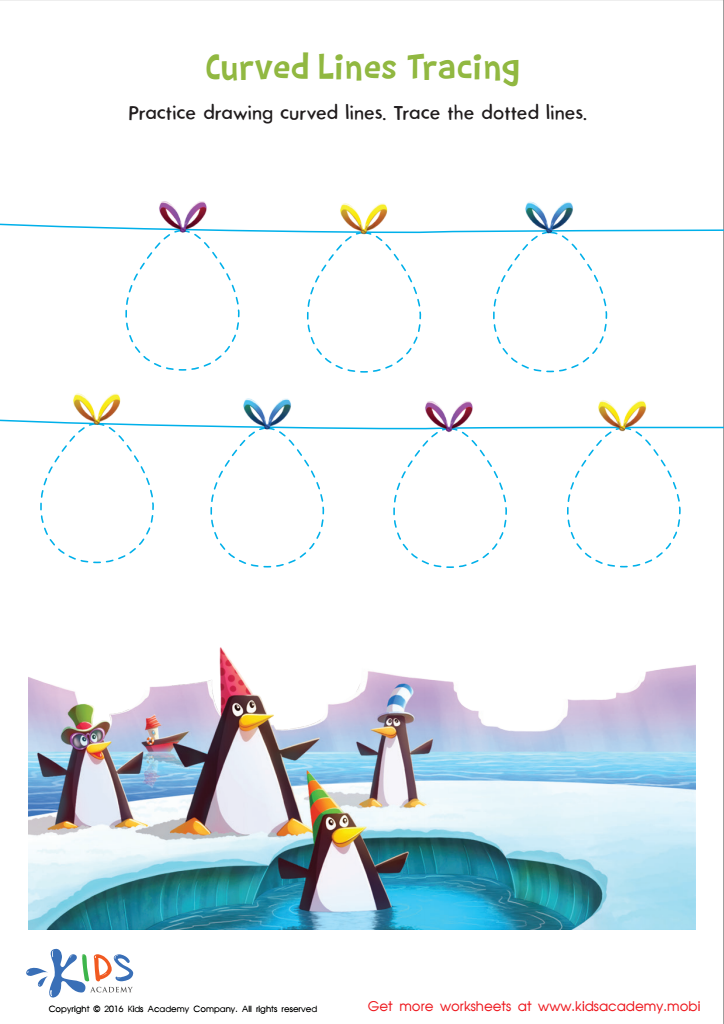
Curved Lines Tracing Worksheet
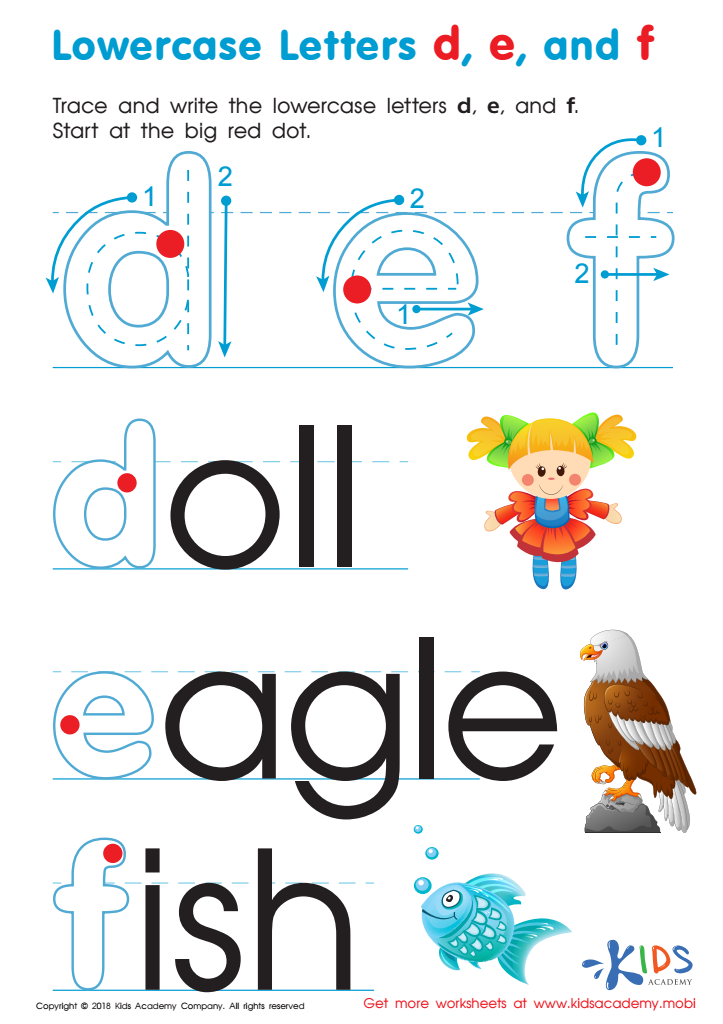
Lowercase Letters d e f Worksheet
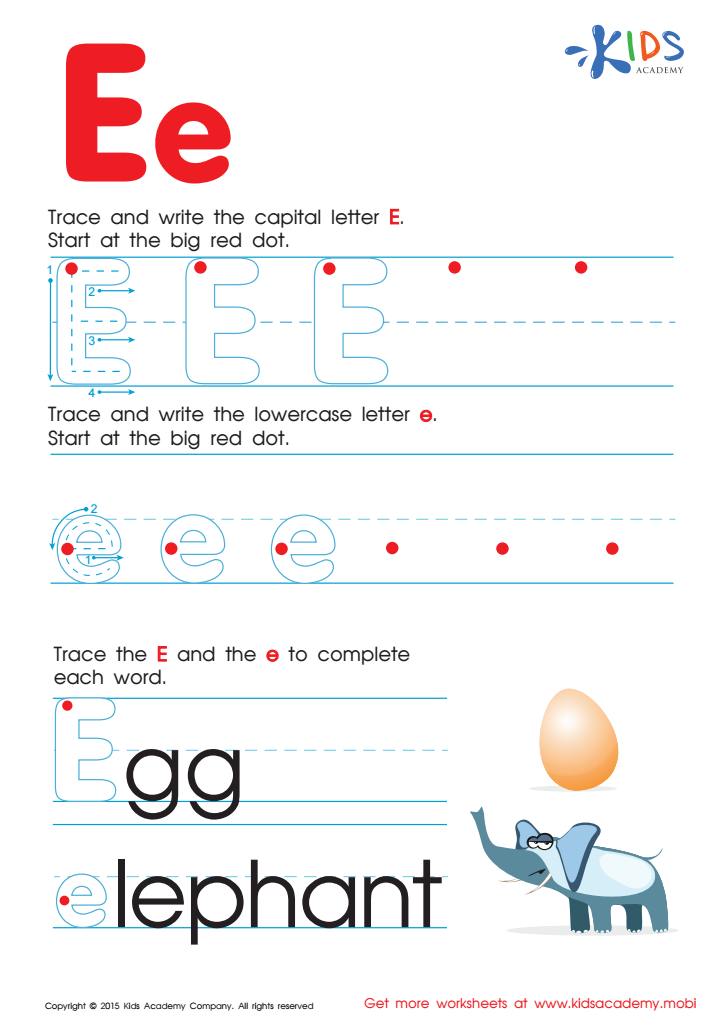
Letter E Tracing Page
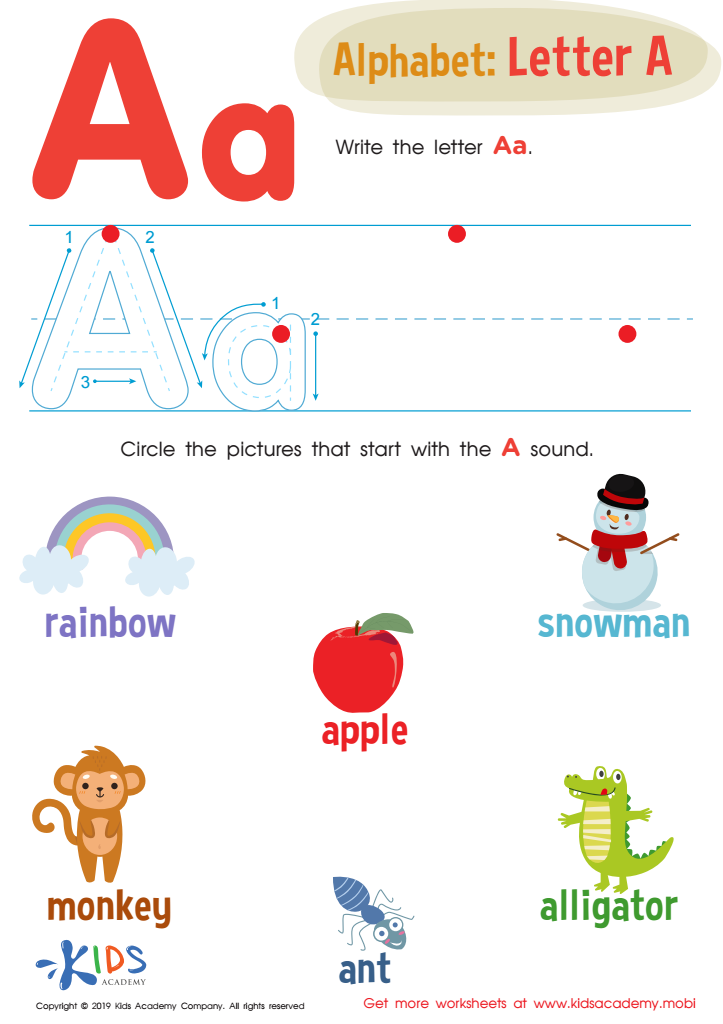
Letter A Tracing Worksheet
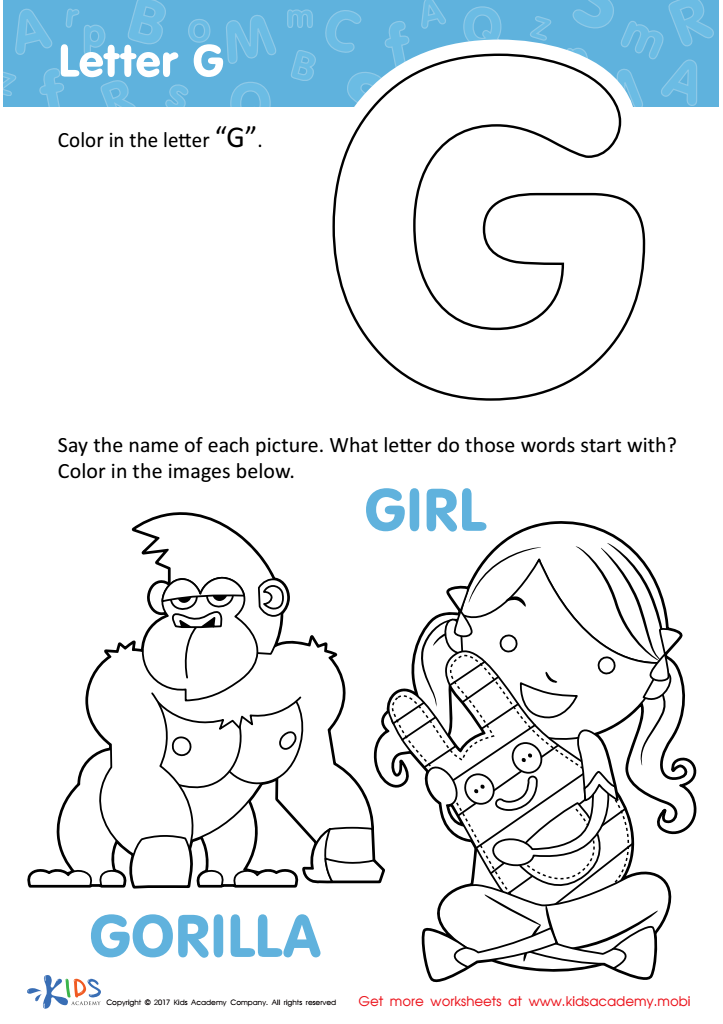
Letter G Coloring Sheet
Assign to My Students
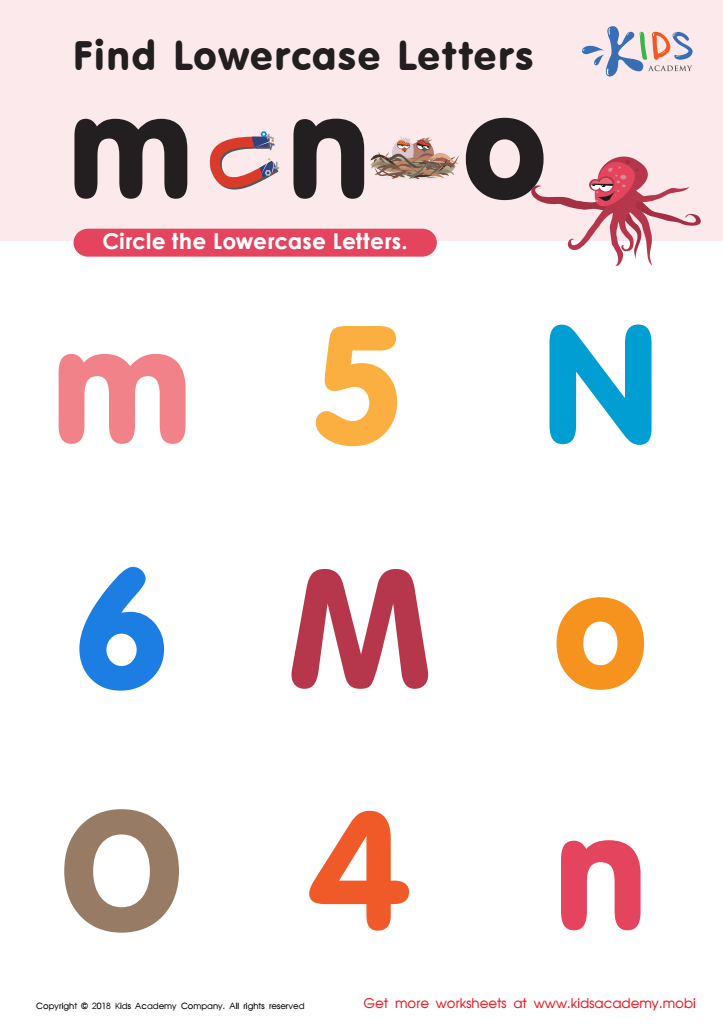
Find Lowercase Letters m n o Worksheet
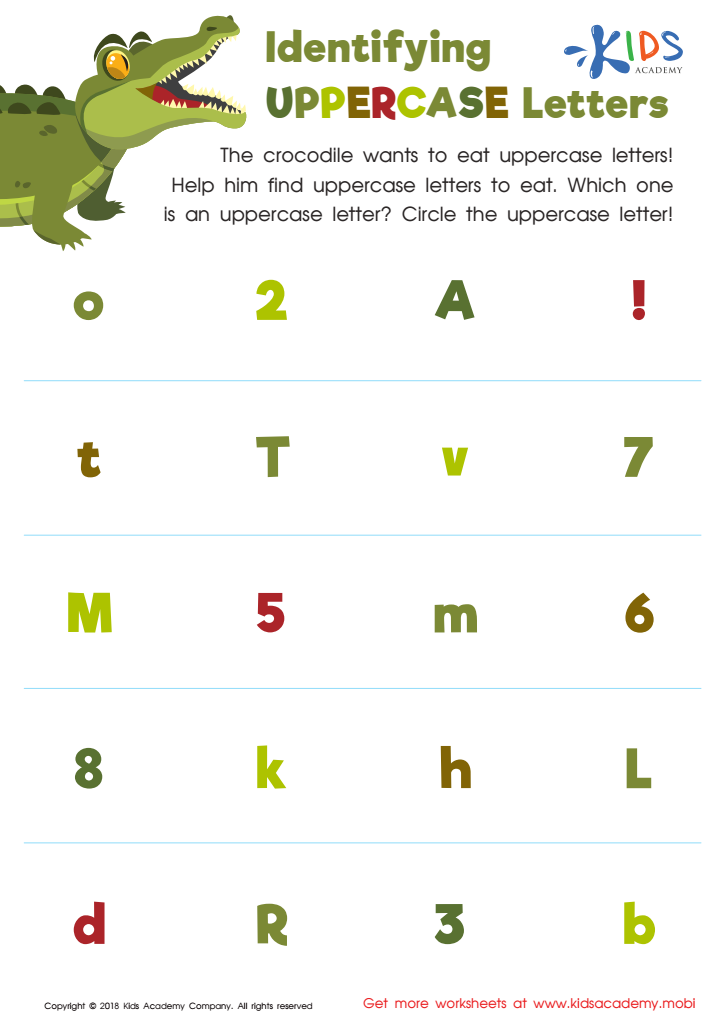
Identifying Uppercase Letters Worksheet
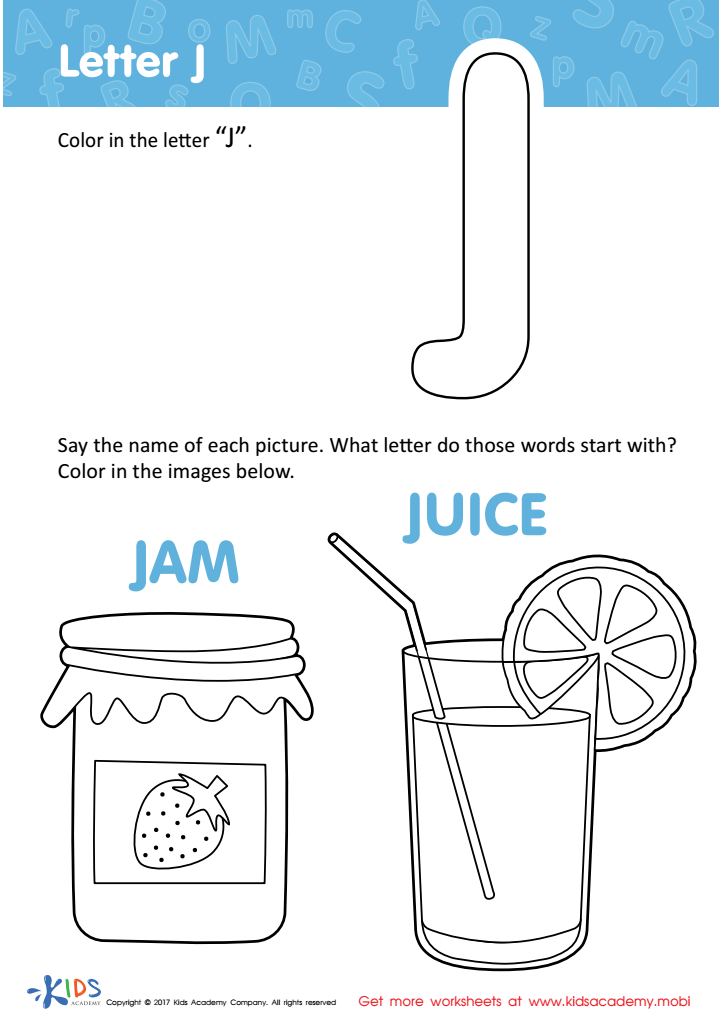
Letter J Coloring Sheet
Assign to My Students

Find lowercase letters a b c Worksheet
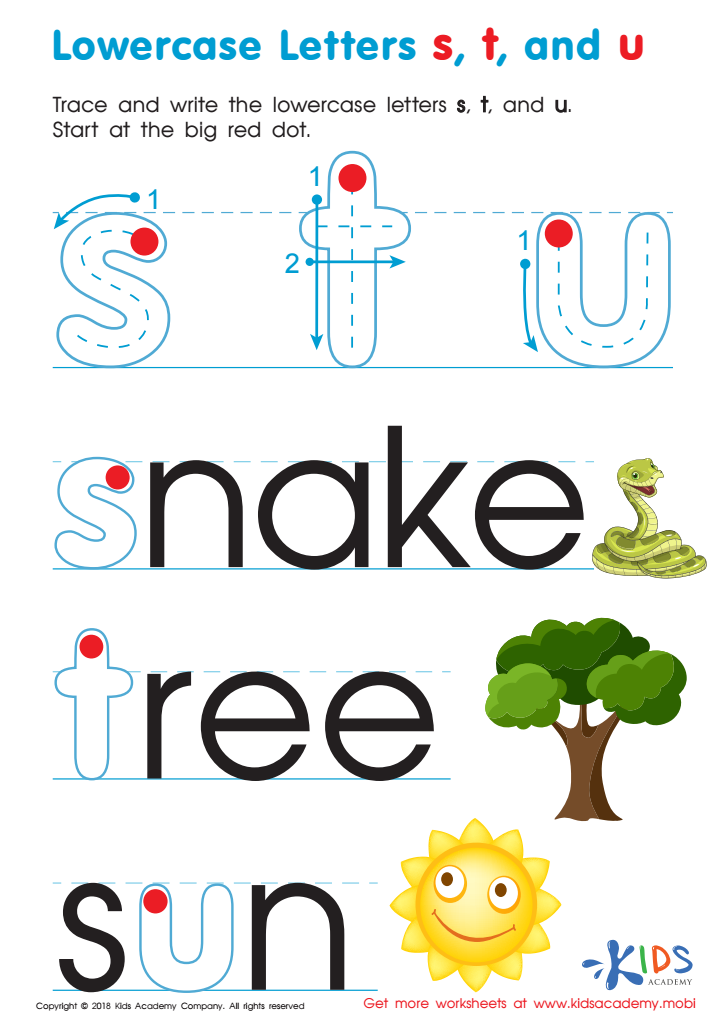
Lowercase Letters s t u Worksheet

Find Lowercase Letters v w x Worksheet
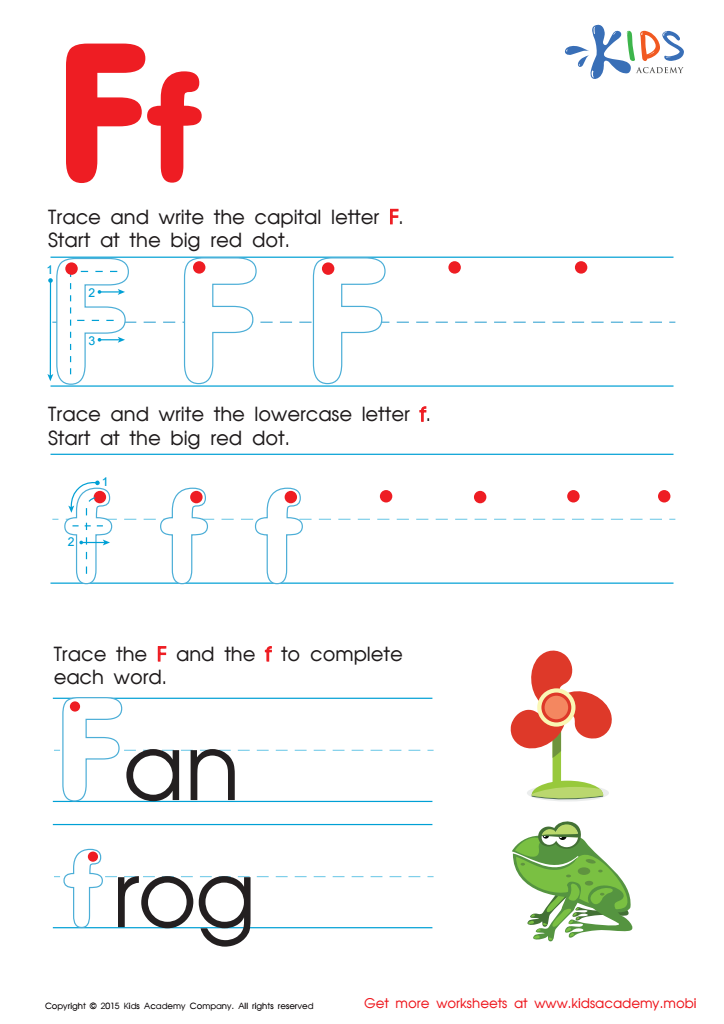
Letter F Tracing Page








Fine motor skills involve the coordination of small muscles in the hands and fingers, essential for various activities like writing, buttoning, and cutting with scissors. For children aged 4-6, developing these skills is critically important, particularly when learning the alphabet. Mastery of fine motor skills during this stage forms the foundation for more complex tasks in later years.
Parents and teachers should prioritize teaching the normal alphabet to children within this age range because it directly influences their academic success. Writing letters requires precise muscle movements, and without strong fine motor skills, children may struggle with legibility. This can lead to frustrations, lowered self-esteem, and a disinterest in academics.
Additionally, fine motor activities—tracing letters, clay modeling, or bead-stringing—enhance hand-eye coordination and memory. These exercises are also a prelude to other subjects that demand meticulous hand use, such as drawing shapes and numbers, which are crucial for mathematics.
Social interactions and independence also flourish through the refinement of fine motor skills. Kids gain the confidence to tie their shoes or open snack packs, allowing for smoother transitions and increased focus during school activities. Therefore, understanding the importance of fine motor skills in relation to the alphabet shapes their future learning, self-sufficiency, and emotional well-being.







