Number Recognition Normal Alphabet Worksheets for Ages 4-6
3 filtered results
-
From - To
Enhance your child's number recognition skills with our engaging "Number Recognition Normal Alphabet Worksheets" designed specifically for ages 4-6. These worksheets combine fun with learning, providing young learners the opportunity to recognize, trace, and write numbers while linking them to the alphabet. Each activity encourages fine motor skills and cognitive development through colorful illustrations and interactive exercises. Perfect for both classroom and home use, our worksheets are tailored to foster early math skills in a supportive environment. Help your child build a strong foundational understanding of numbers as they embark on their educational journey! Download your free worksheets today!
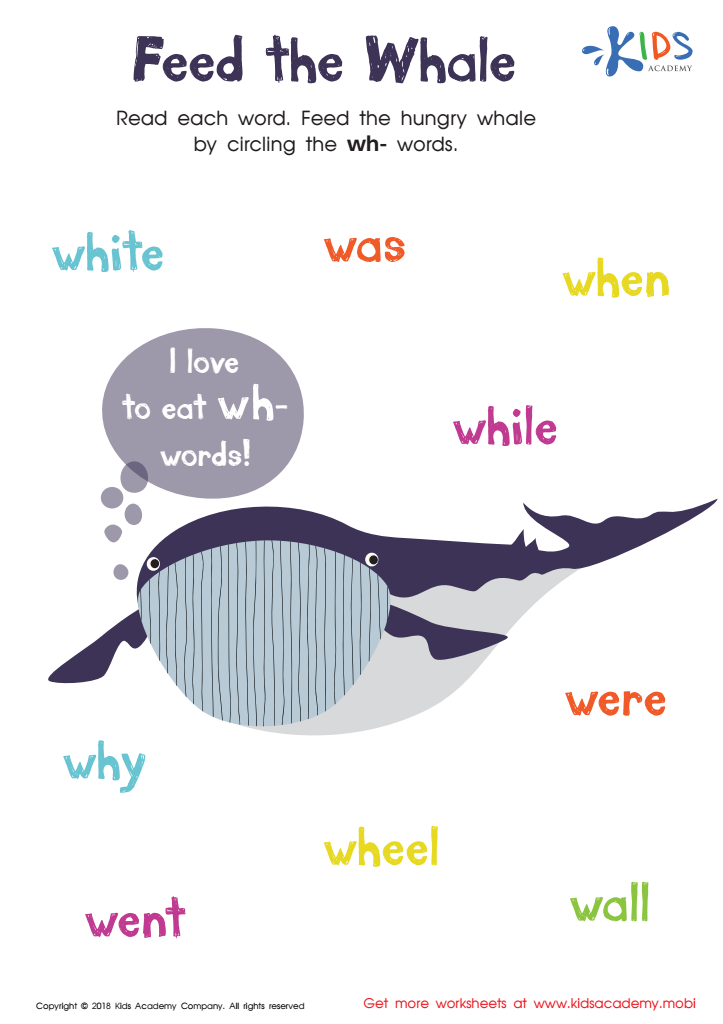
Feed the Whale Worksheet
 Assign to My Students
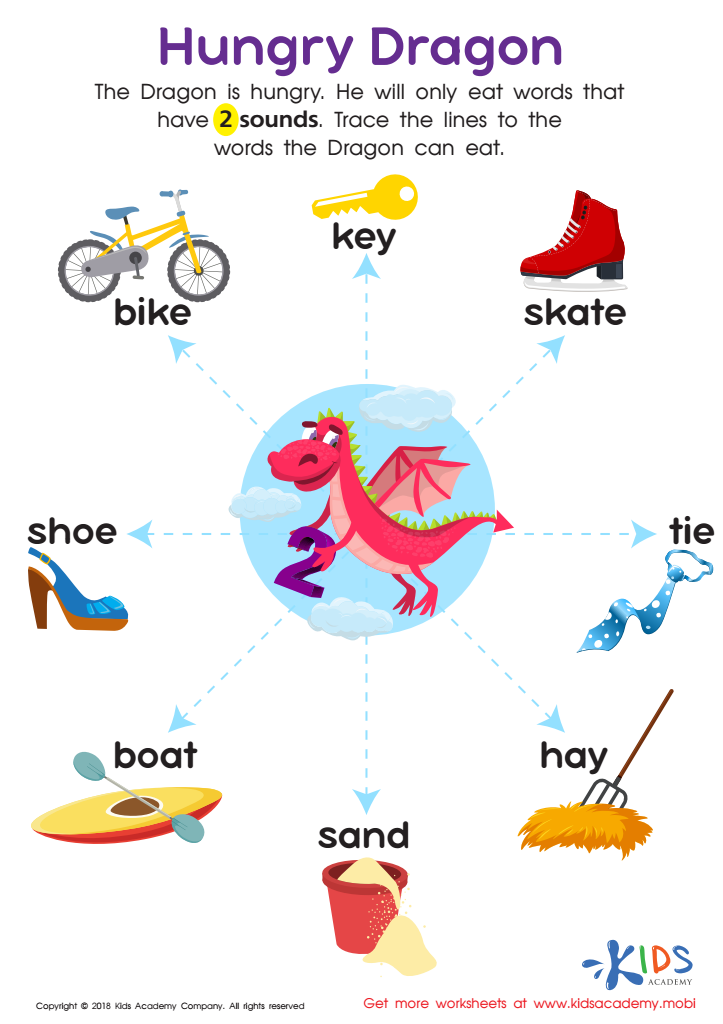
Hungry Dragon Worksheet
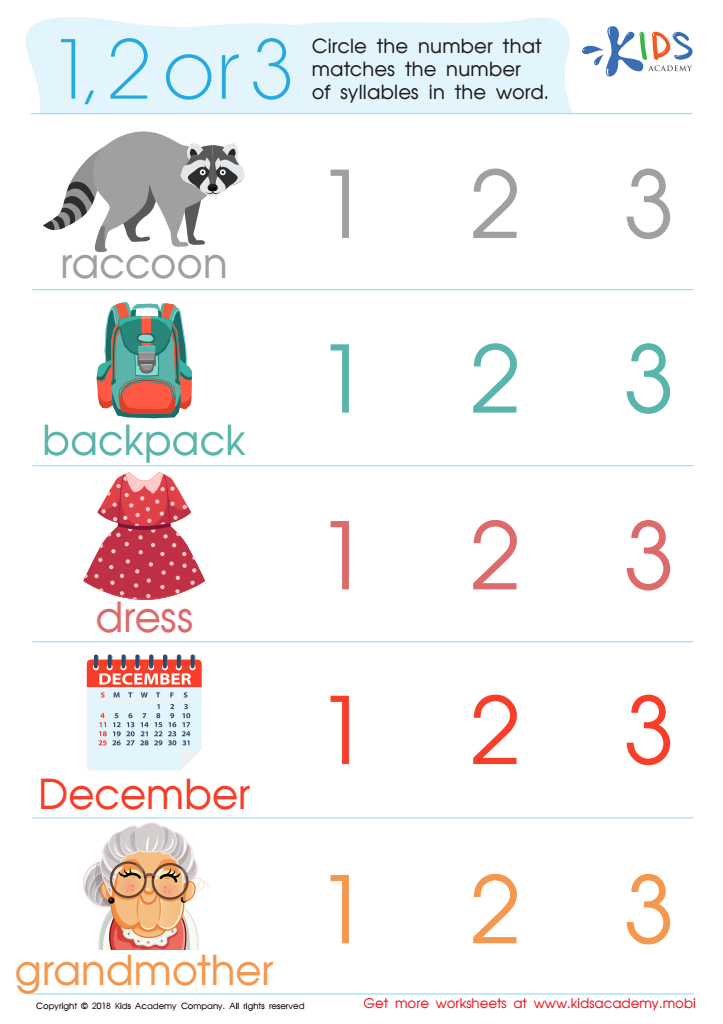
1, 2 or 3? Worksheet





.jpg)
Number recognition and understanding the normal alphabet are foundational skills critical for a child's early development. For children aged 4-6, mastering these concepts sets the stage for future learning across subjects, particularly in math and literacy. Parents and teachers should care about fostering these skills because they form the basis for a child's cognitive growth.
Number recognition helps children understand quantities, improve problem-solving abilities, and develop a strong number sense—an essential skill for academic success in mathematics. Familiarity with numbers also enhances counting skills, which are crucial for everyday tasks like sharing, measuring, and comparing.
Similarly, recognizing the normal alphabet aids in developing reading and writing proficiency. Letter recognition strengthens phonemic awareness, allowing children to decode words and improve their communication skills. This skill is vital for academic achievement and lifelong learning.
Moreover, early mastery of numbers and letters instills confidence in children, instigating a love for learning and exploration. Engaging parents and teachers collaboratively creates an enriching environment that underscores the importance of these skills, ensuring a holistic support system for children as they progress in their educational journey. Prioritizing number recognition and alphabet literacy fosters a strong foundation for future academic endeavors.







