Reading development Normal Alphabet Worksheets for Ages 4-6
4 filtered results
-
From - To
Discover our Reading Development Normal Alphabet Worksheets designed specifically for ages 4-6! These engaging, colorful worksheets provide fun and effective activities to enhance early reading skills. Each worksheet helps children recognize, write, and pronounce each letter, building a strong foundation in phonics and literacy. Perfect for preschoolers and kindergarteners, our worksheets offer diverse exercises including letter tracing, matching games, and initial sound identification. Foster a love for reading and boost your child's confidence with our expertly crafted materials. Start today and watch your little one excel in reading development with ease and enjoyment!
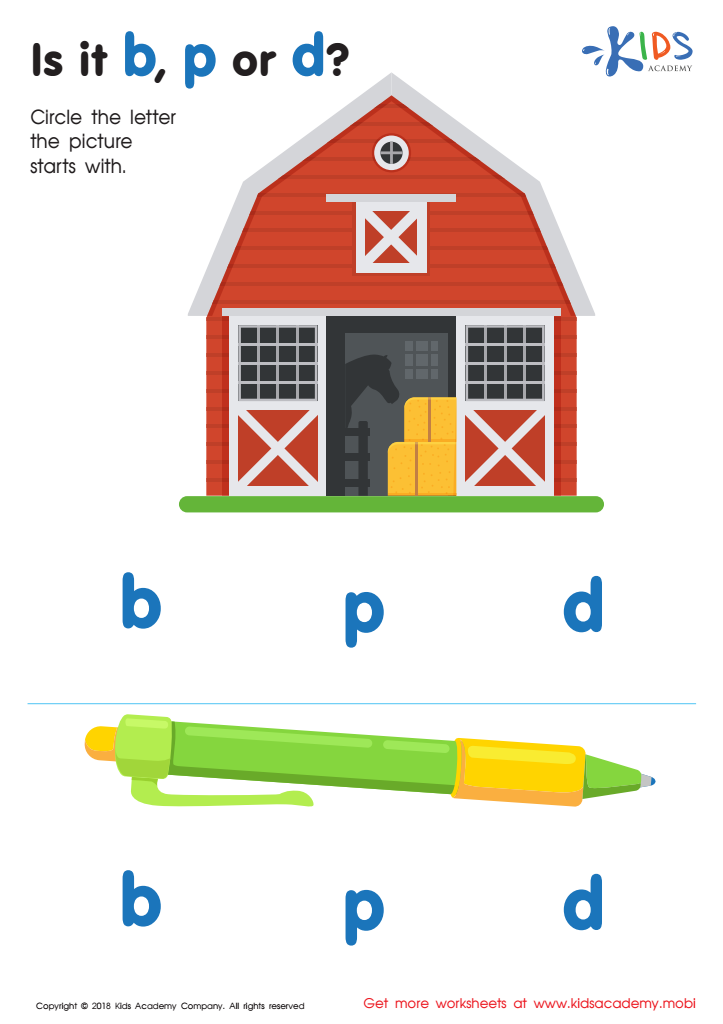
Is it b, p or d? Worksheet
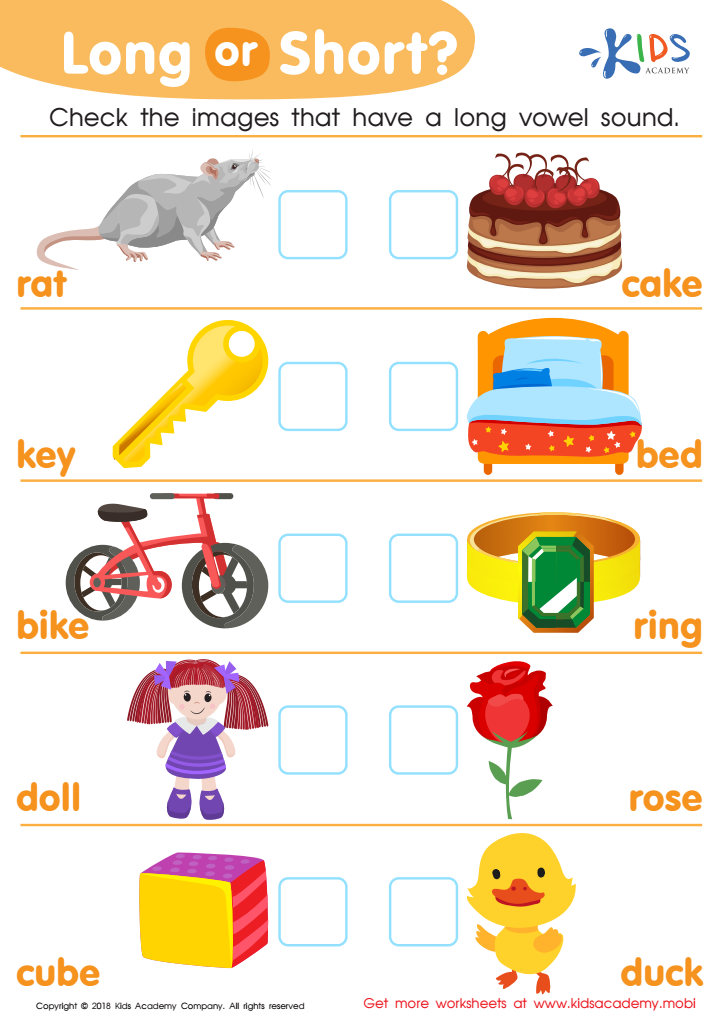
Long or Short Reading Worksheet
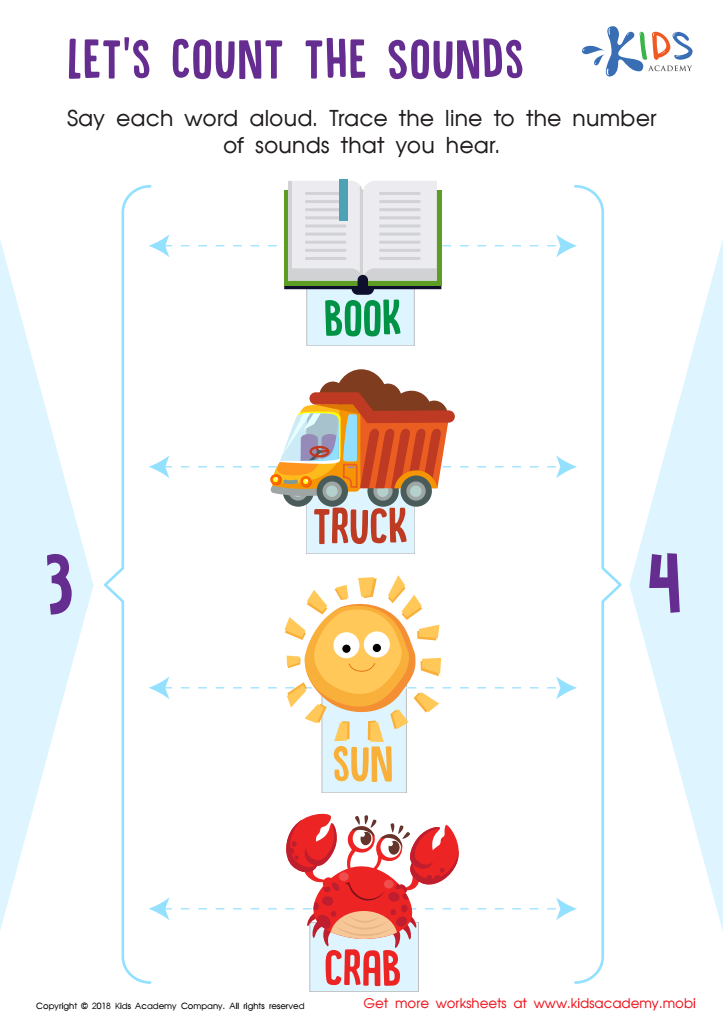
Let's Count the Sounds Worksheet
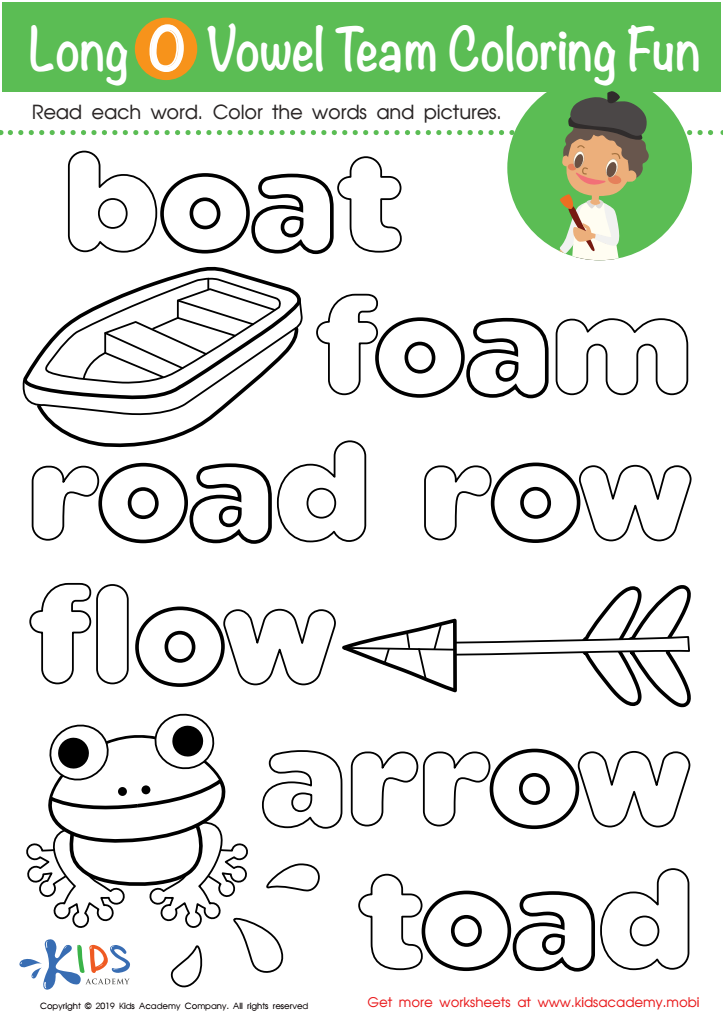
Long O Vowel Team Coloring Worksheet
 Assign to My Students







Reading development for children ages 4-6 is a foundational skill crucial to their long-term academic success and cognitive development. Parents and teachers play an essential role in nurturing these early literacy skills, as they lay the groundwork for a lifetime of learning and communication.
At this age, children's brains are exceptionally receptive to language acquisition, making it the optimal period for introducing the alphabet and basic reading concepts. Understanding the normal alphabet helps children decode words, enhancing their ability to read and comprehend text. Phonics, or the connection between letters and their corresponding sounds, is a skill that facilitates not only reading fluency but also spelling and writing capabilities.
Moreover, early reading development is closely linked to vocabulary growth, which directly affects later academic achievement. A strong vocabulary enables better comprehension and more effective communication skills. By establishing a robust reading foundation, children gain the confidence and curiosity needed to explore various subjects.
For parents and teachers, investing time and resources in early reading practices fosters a love for books and learning, creating a positive academic trajectory. Participating in read-aloud sessions, engaging in alphabet games, and creating a literacy-rich environment at home and school are ways to support this critical developmental stage.
In summary, prioritizing reading development for children ages 4-6 equips them with the necessary skills for academic success, cognitive growth, and lifelong learning.







