Fine Motor Skills Normal Letter E Worksheets for Ages 4-6
3 filtered results
-
From - To
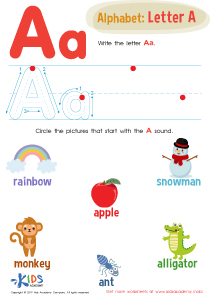
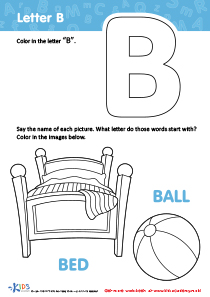
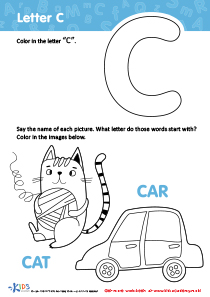
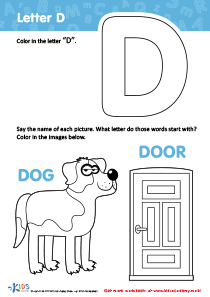
Discover engaging Fine Motor Skills Normal Letter E Worksheets designed for kids ages 4-6! Our expertly crafted activities focus on enhancing young learners' hand-eye coordination and precision while having fun tracing and writing the letter E. Each printable worksheet includes a variety of exercises, from dot-to-dot patterns to coloring and tracing lines, fostering both fine motor development and alphabet knowledge. Create a foundational learning experience that blends education and creativity seamlessly. Give your children the skills they need to succeed with worksheets tailored to their developmental stage. Download and print these fantastic resources today!
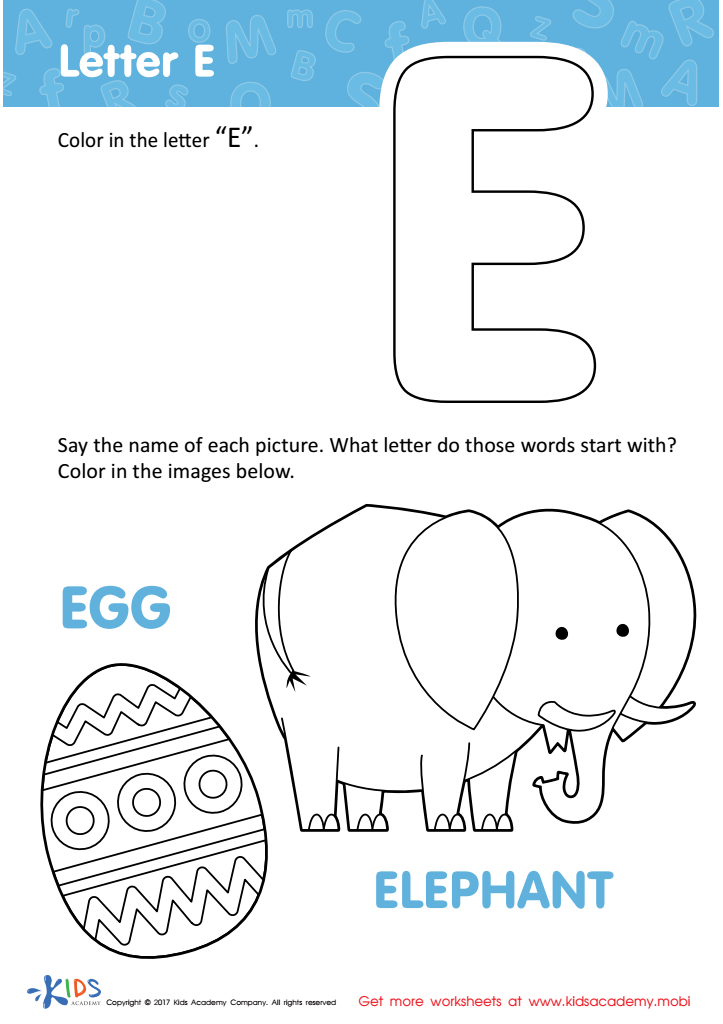
Letter E Coloring Sheet
 Assign to My Students
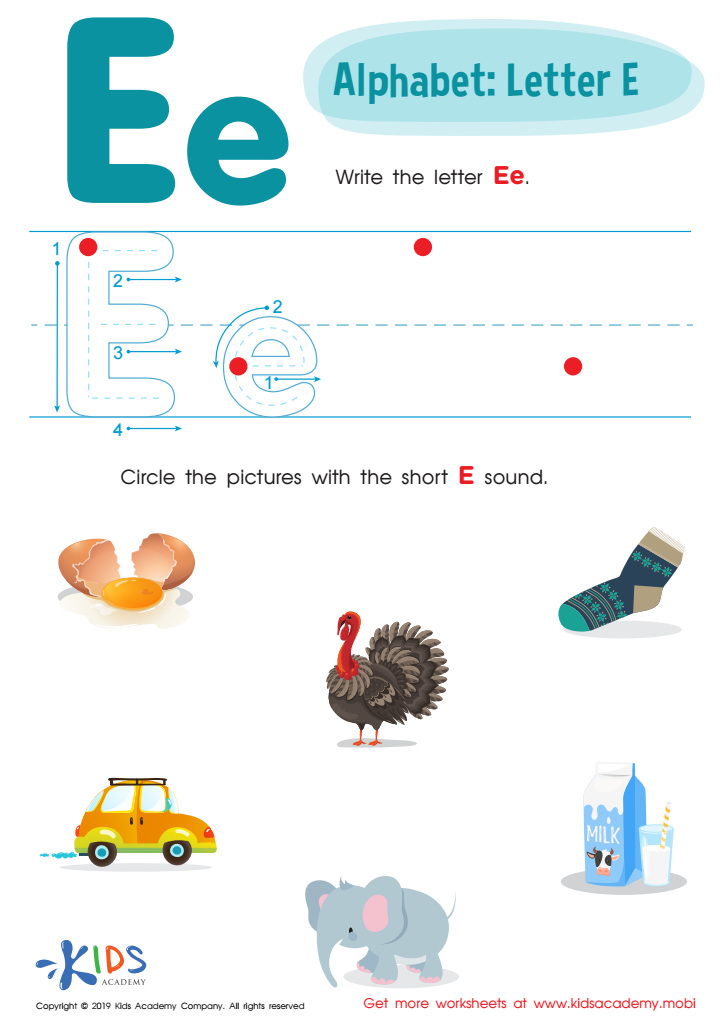
Letter E Tracing Worksheet
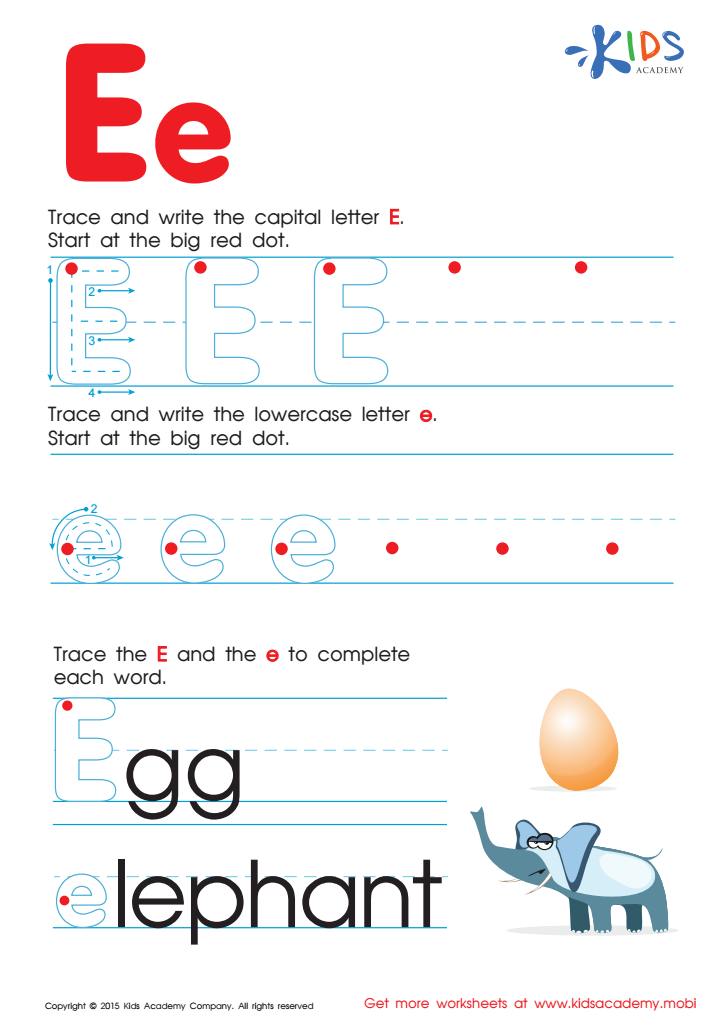
Letter E Tracing Page






Fine motor skills are vital for children ages 4-6 because they lay the foundation for essential everyday tasks and academic success. These skills involve the control and coordination of small muscles in the hands and fingers, which are necessary for activities such as writing, buttoning clothes, cutting with scissors, and tying shoelaces.
When it comes to learning to write, forming the letter "E" is an excellent practice for fine motor development. It requires the student to practice precision, control, and hand-eye coordination. Mastering the standard form of the letter "E" helps develop the dexterity and muscle memory needed for writing other letters and numbers.
Developing fine motor skills also boosts a child's confidence and independence, as they are better able to perform tasks by themselves. Additionally, these skills are often linked to cognitive development; as children manipulate objects and practice motions, they enhance their problem-solving abilities, spatial awareness, and concentration.
Parents and teachers should therefore ensure that children's fine motor skill development is fostered through engaging activities like drawing, playing with building blocks, or using playdough. By focusing on fine motor skills at these formative ages, we set children up for greater success and ease in both school and everyday life.