Fine Motor Skills Normal Letter Recognition Worksheets for Ages 4-6 - Page 2
41 filtered results
-
From - To
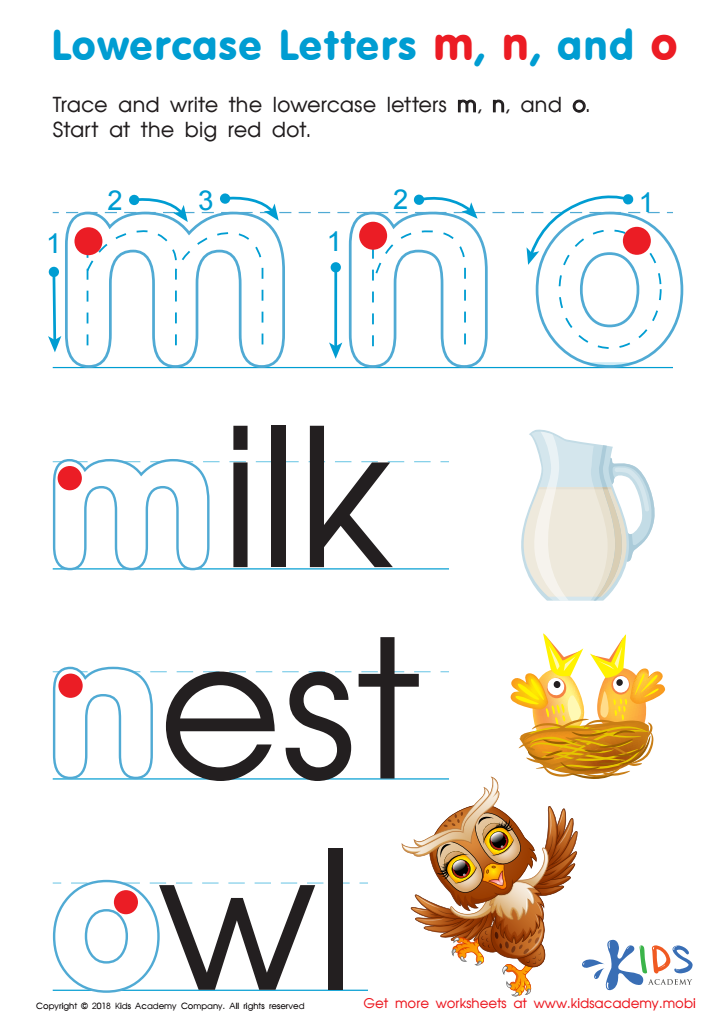
Lowercase Letters m n o Worksheet
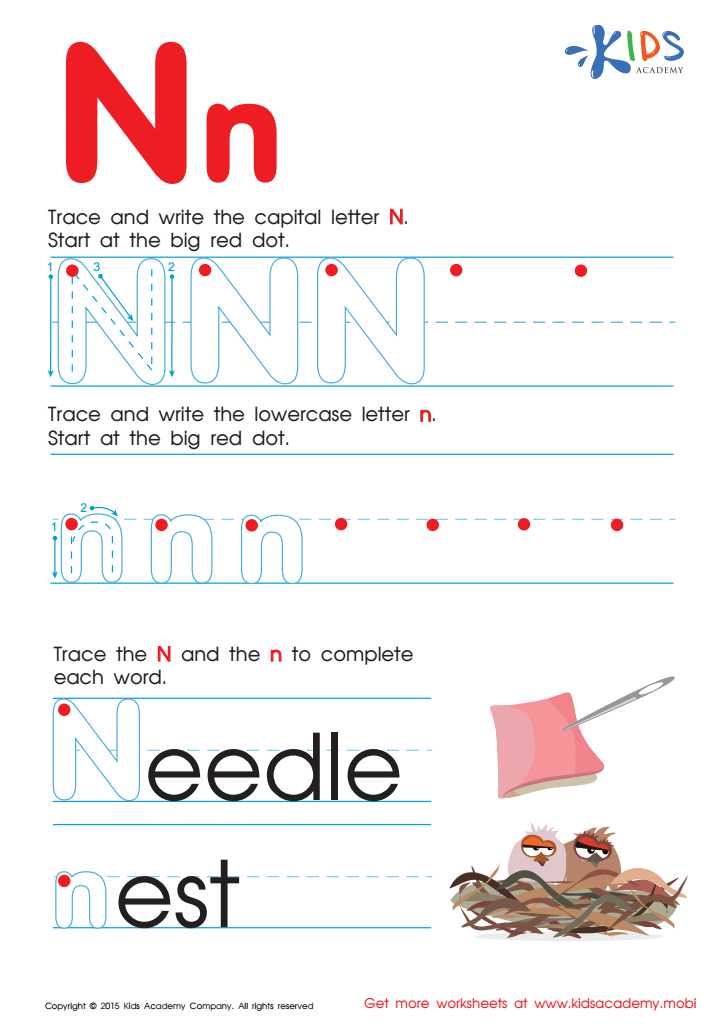
Letter N Tracing Page
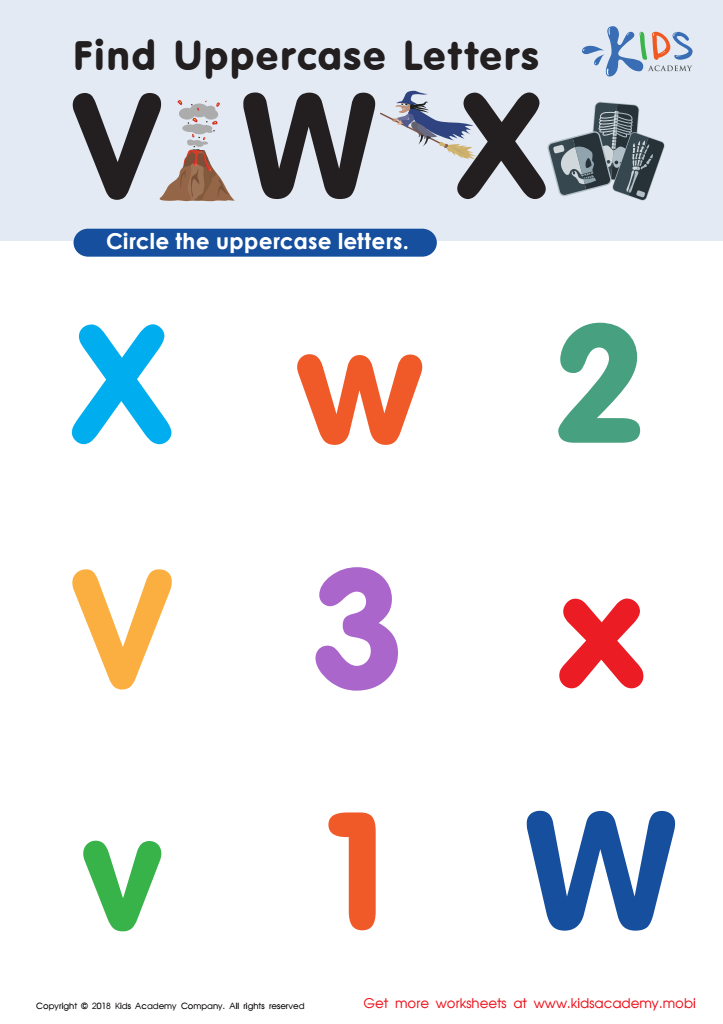
Find Uppercase Letters V, W, X Worksheet
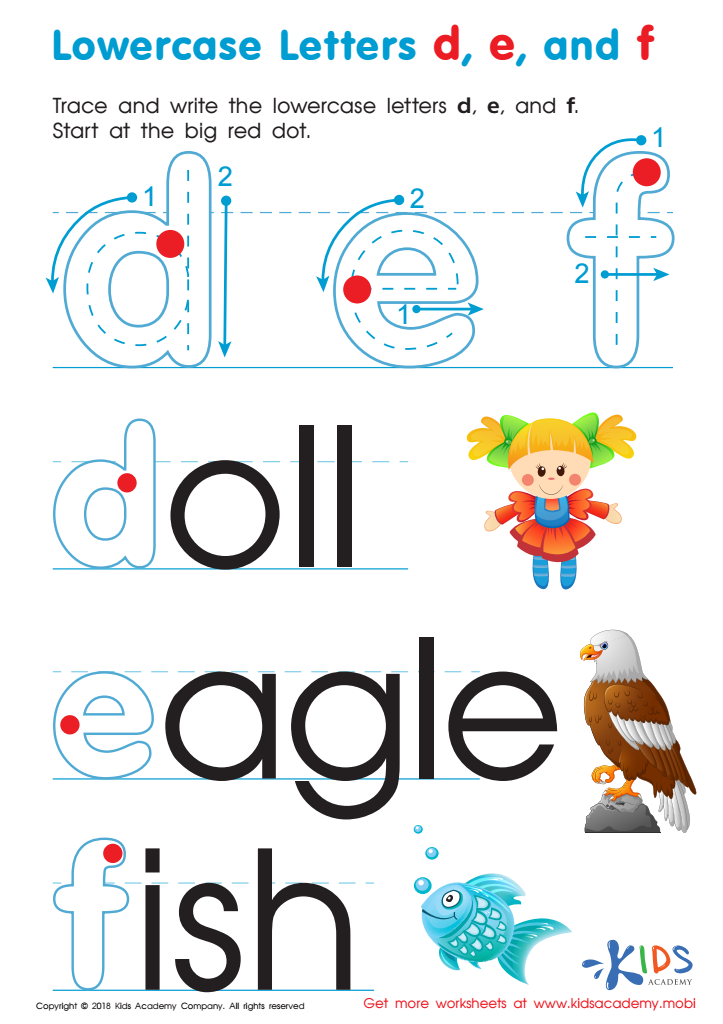
Lowercase Letters d e f Worksheet
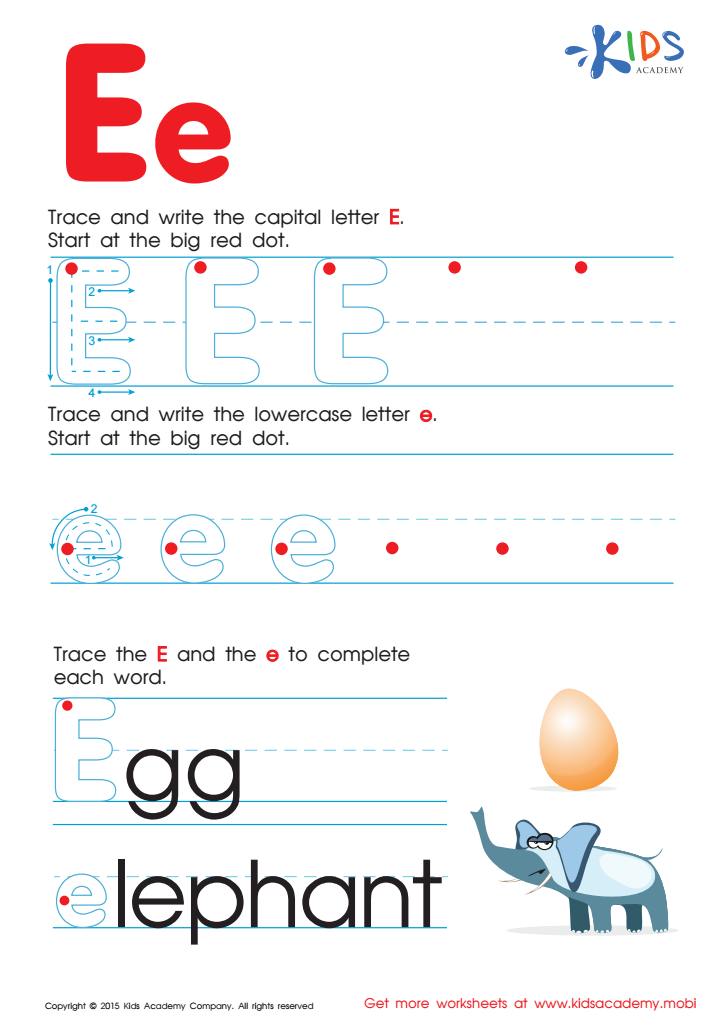
Letter E Tracing Page
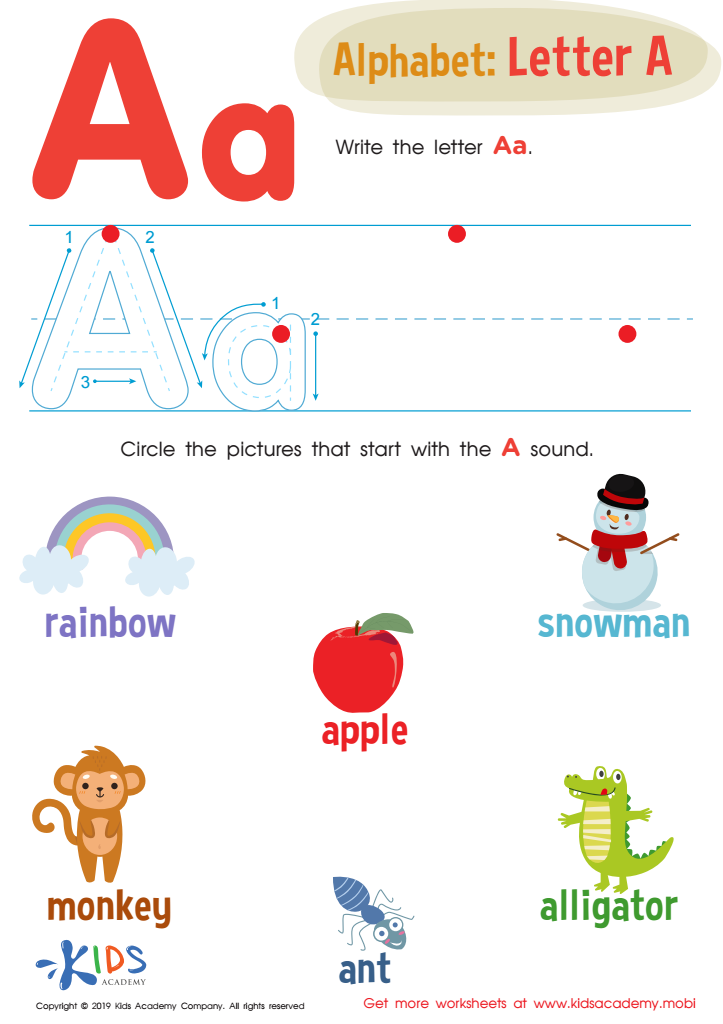
Letter A Tracing Worksheet
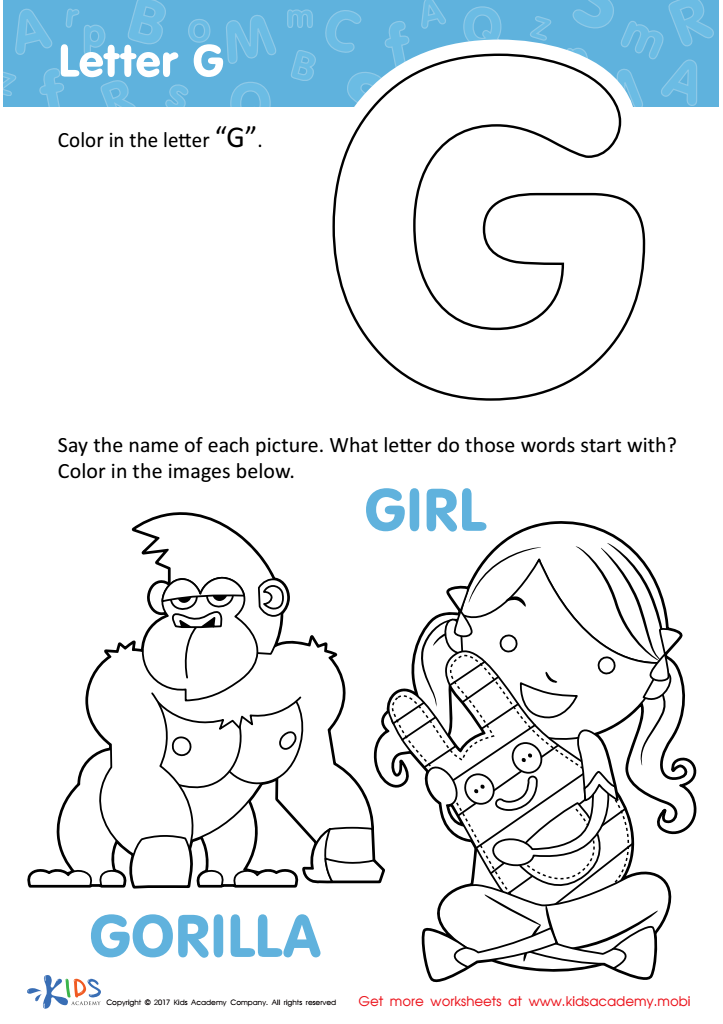
Letter G Coloring Sheet
 Assign to My Students
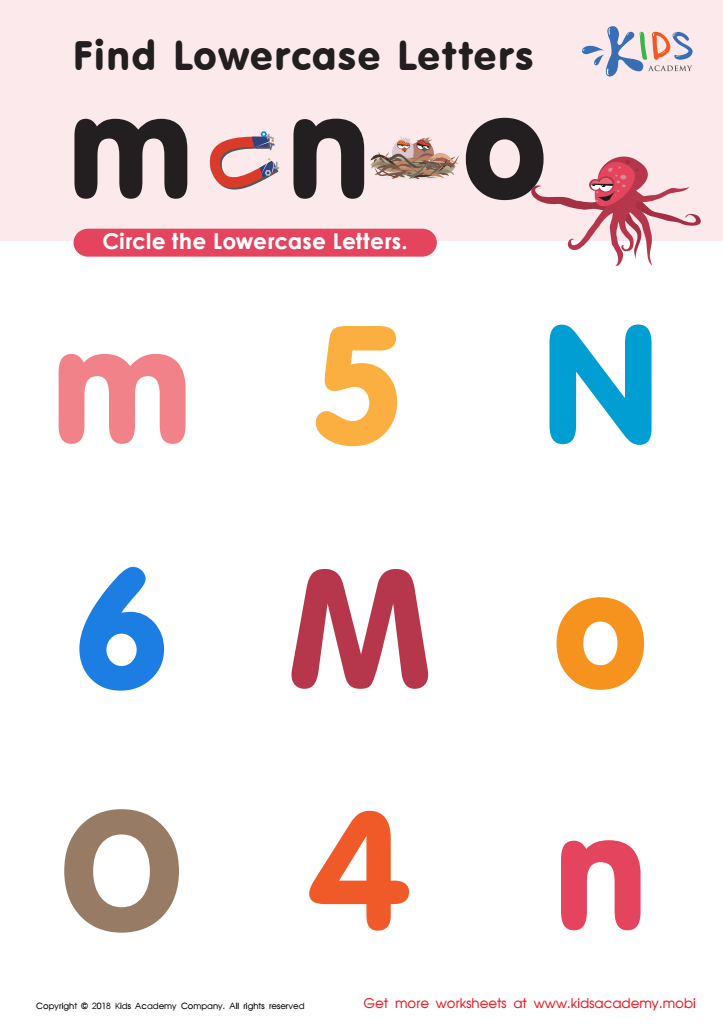
Find Lowercase Letters m n o Worksheet
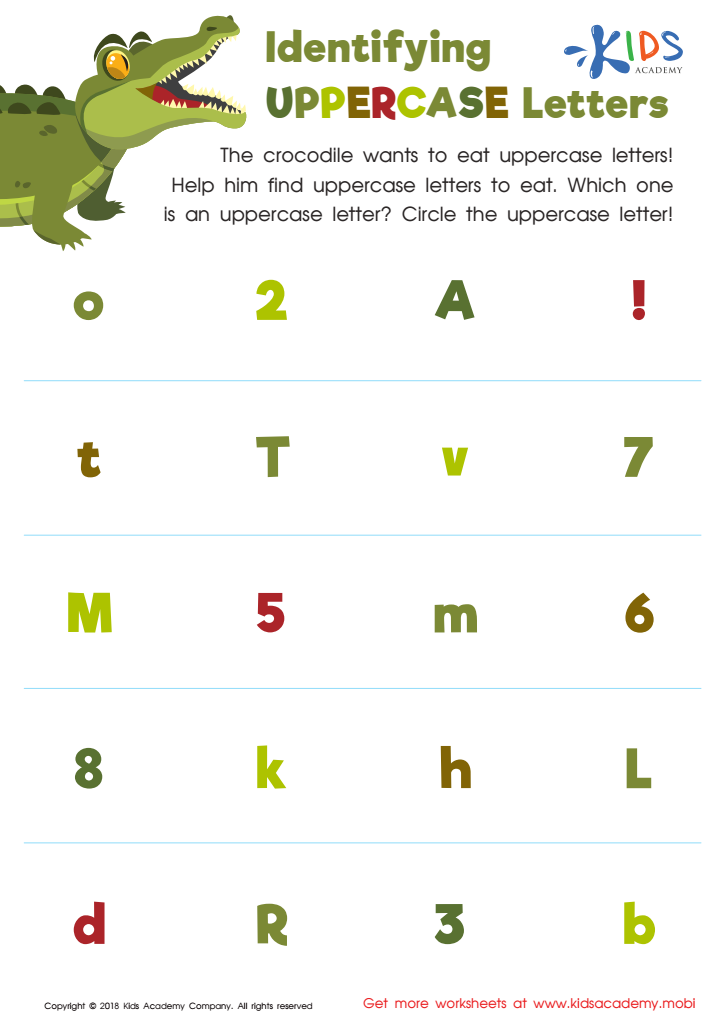
Identifying Uppercase Letters Worksheet
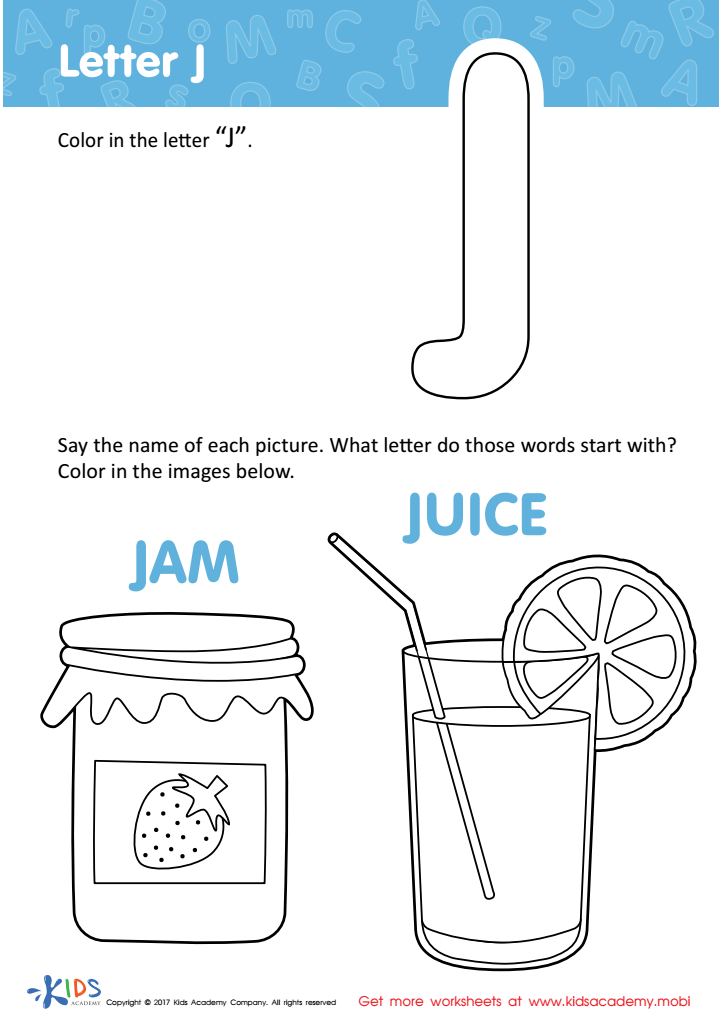
Letter J Coloring Sheet
Assign to My Students
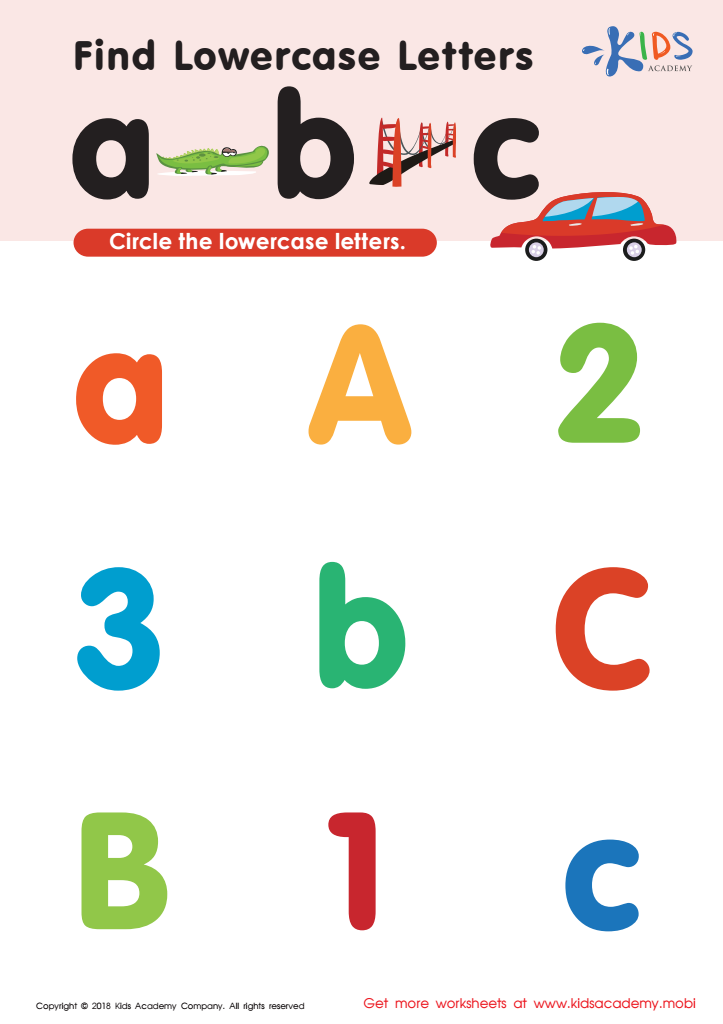
Find lowercase letters a b c Worksheet

Find Lowercase Letters v w x Worksheet
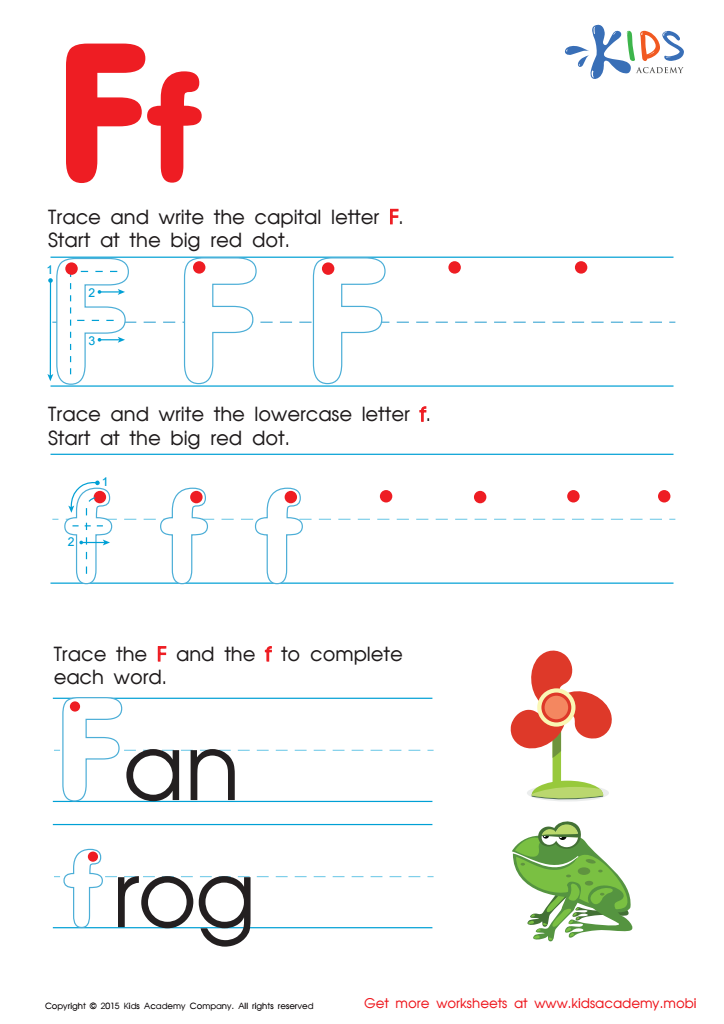
Letter F Tracing Page
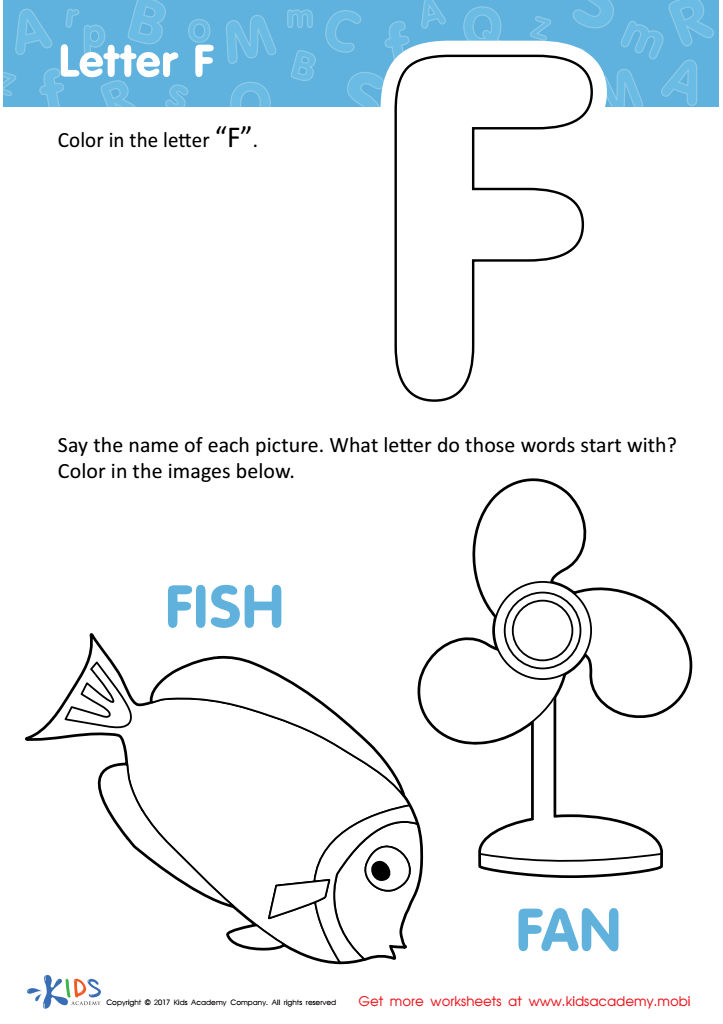
Letter F Coloring Sheet
Assign to My Students
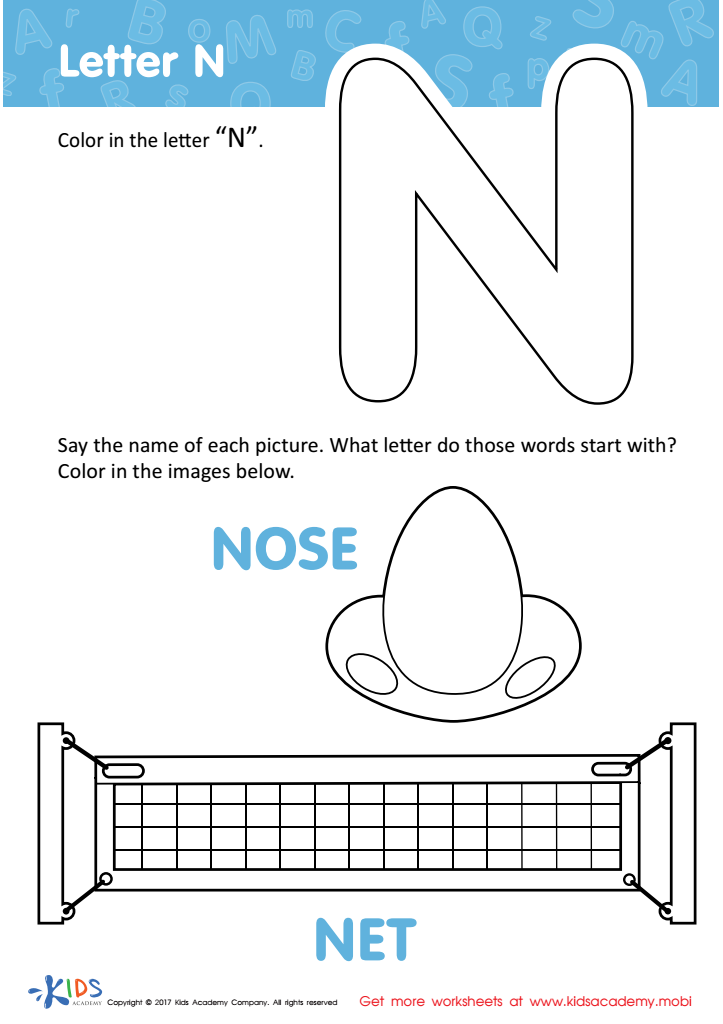
Letter N Coloring Sheet
Assign to My Students

Letter D Tracing Page
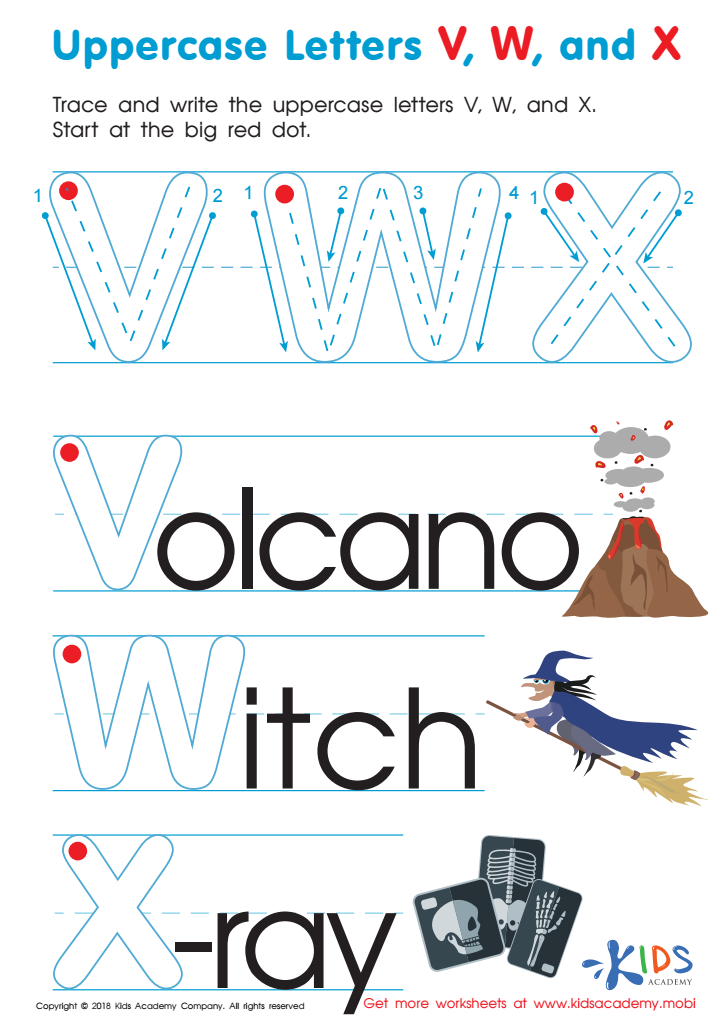
Uppercase Letters V, W, and X Worksheet








Fine motor skills and normal letter recognition are crucial developmental milestones for children aged 4-6. Parents and teachers should prioritize these skills, as they lay the foundation for literacy and overall academic success.
Fine motor skills involve the coordination of small muscles, particularly in the hands and fingers. Mastery of these skills helps children with daily tasks, such as holding a pencil, cutting with scissors, and tying shoelaces. These abilities are linked to increased independence and self-esteem.
Simultaneously, normal letter recognition is vital for early literacy. When children can recognize letters, they are better prepared to learn phonics, spelling, and reading. Letter recognition aids in building vocabulary and language skills, essential for communication and expression.
Together, fine motor skills and letter recognition support one another. For instance, when a child practices handwriting, they're not only honing their fine motor skills but also reinforcing their understanding of letter shapes and sounds.
By fostering these competencies, parents and teachers can empower children, nurturing their ability to function effectively in school and social settings. Early intervention and support can lead to a child’s successful academic journey and a lifelong love for learning.








